

 Предпросмотр
 Поделиться
 Поделиться
 Детали произведения

 Скачать
 Похожие работы
 Рентгенография
 Слайд-шоу
 Статистика
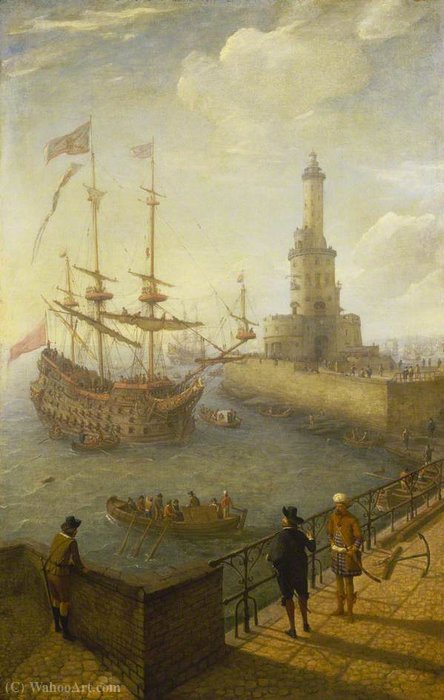
A Spanish Three-Decker at Anchor off Naples
 Читать далее
Масляная репродукция ручной работы
Картина маслом на холсте в выбранном вами размере и раме, написанная на заказ нашими художниками. ( Перейти к печати Перейти к цифровым изображениям)




































Выберите один из наших стандартных размеров, соответствующих оригинальным пропорциям произведения искусства.

Вы можете указать собственные размеры, чтобы картина идеально вписалась в выбранную раму или пространство. Если выбранный вами размер не соответствует пропорциям оригинала, мы либо обрежем полотно, либо расширим его за счет дополнительных элементов, написанных вручную. Цифровой макет будет отправлен вам на утверждение перед началом производства.
Обратите внимание, что предварительный просмотр на экране не отражает фактическую обрезку или расширение. Только макет точно покажет окончательную композицию.
Хотя доступны индивидуальные размеры, мы рекомендуем выбирать вариант из предопределенного списка, чтобы сохранить исходные пропорции.
После оформления заказа команда ArtsDot.com свяжется с клиентом по электронной почте для уточнения деталей и предоставит предварительный макет
Доставка по всему миру () за 3–4 недели вместо стандартных 5 недель. (11 Сентябрь). Без компромиссов в качестве.

Бесплатная экспресс-доставка по всему миру

Высококачественный льняной холст

Полное страхование доставки

Гарантия возмещения таможенных пошлин

Гарантия точного соответствия цветов

100-дневная политика возврата (только при обнаружении дефектов)

Гарантия возврата 100% средств

Предложение оптовых скидок
 Вариант со стеклом доступен только для размеров менее 110 см

A Spanish Three-Decker at Anchor off Naples
Техника репродукции
Размер репродукции
-


Итоговая стоимость
$ 263
Похожие произведения









Биография художника
Santi di Tito: A Counterpoint to Mannerism
Santi di Tito (1536-1603) emerges from the vibrant, often turbulent, artistic landscape of 16th-century Italy as a pivotal figure bridging the late Mannerist period and the nascent Baroque. Born in Sansepolcro, a small town in Umbria, Santi’s career unfolded primarily in Rome and Florence, where he developed a distinctive style that challenged prevailing trends while simultaneously absorbing their influence. Unlike many of his contemporaries who embraced the elaborate, often theatrical, excesses of Mannerism – exemplified by artists like Bronzino – Santi sought a more restrained, classical approach, earning him the moniker “Counter-Maniera.” His work represents a crucial transitional phase, demonstrating a desire for clarity, naturalism, and a renewed engagement with ancient ideals.Early Influences and Roman Apprenticeship
The precise details of Santi’s early artistic training remain somewhat elusive, shrouded in the gaps of historical documentation. While speculation persists regarding possible mentorships under Bronzino or Baccio Bandinelli, concrete evidence is scarce. What *is* known is that he spent a significant period working in Rome between 1558 and 1564, contributing to monumental frescoes within Palazzo Salviati and the Sala Grande of the Belvedere at the Vatican – a space already graced by the masterful works of Giovanni de’ Vecchi and Niccolò Circignani. These collaborations exposed Santi to the complex interplay of styles prevalent in Rome at the time, including the highly polished Mannerism championed by Federico Zuccari and Taddeo Zuccari. However, it was within this environment that Santi began to forge his own path, demonstrating a keen eye for classical form and composition, qualities he would later emphasize. The *Homage of the People* fresco, alongside de’ Vecchi and Circignani, showcases this early development – a complex scene rendered with a remarkable degree of clarity and spatial organization, hinting at Santi's future ambitions.The Studiolo of Francesco I: A Defining Period
Santi’s most celebrated works—the *Sisters of Fetonte* and *Hercules and Iole*, housed within the *Studiolo* (a private study) of Francesco I, Duke of Florence – represent a watershed moment in his career. Commissioned between 1564 and 1568, these paintings exemplify his “Counter-Maniera” style. Departing dramatically from the dense, crowded compositions favored by his Mannerist predecessors, Santi created scenes characterized by spaciousness, balanced arrangements, and a subtle use of color. The figures are rendered with an almost sculptural quality, their forms defined by clear outlines and a sense of independent movement. The influence of Raphael is undeniable, yet Santi tempered this inspiration with a greater emphasis on naturalism and a rejection of the overly decorative elements that characterized much Mannerist art. Giorgio Vasari, the renowned art historian, recognized Santi’s innovative approach, noting his deliberate departure from the prevailing *maniera* of Bronzino and his embrace of a “reformist” style rooted in classical ideals.Florence and the Counter-Reformation
Following his return to Florence, Santi continued to refine his artistic vision, producing altarpieces for Santa Croce and contributing significantly to the decoration of Palazzo Vecchio. His *Resurrection of Lazarus* and *Supper at Emmaus*, both commissioned for the church of Santa Croce, demonstrate a shift towards greater emotional intensity and dramatic narrative. These works reflect the broader cultural context of Florence during the Counter-Reformation – a period marked by religious fervor and a renewed interest in classical art as a means of conveying moral and spiritual truths. Santi’s paintings are not overtly propagandistic, but they possess a solemnity and dignity that align with the Church's desire to restore its authority and influence.Legacy and Significance
Santi di Tito’s legacy lies in his pivotal role as a bridge between Mannerism and the Baroque. He demonstrated that it was possible to retain classical principles of composition and form while simultaneously embracing greater naturalism and emotional depth. His “Counter-Maniera” style, characterized by its clarity, spaciousness, and balanced arrangements, exerted a profound influence on subsequent generations of Italian painters. While his career was marked by financial struggles and relative obscurity during his lifetime, Santi’s work has since been recognized as a masterpiece of the late 16th century – a testament to his artistic vision and enduring contribution to the development of Western art. His paintings offer a compelling glimpse into a period of profound transformation, reflecting both the anxieties and aspirations of a society grappling with religious change and the rediscovery of classical antiquity.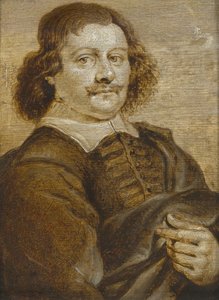
abraham willaerts
1603 - 1669 , Netherlands
Основные сведения
- Artistic Movement Or Style: Dutch Landscape Painting
- Artists Or Movements Influenced By This Artist:
- Terborch
- Metsu
- Artists Who Influenced This Artist: ['Rafel and Jochem Camphuysen']
- Date Of Birth: 1603/1604
- Date Of Death: 1677
- Full Name: Aert van der Neer
- Nationality: Dutch
- Notable Artworks:
- Moonlit Landscape
- Winter in Holland
- Place Of Birth: Amsterdam, Netherlands