

 Предпросмотр
 Поделиться
 Поделиться
 Детали произведения

 Скачать
 Похожие работы
 Рентгенография
 Слайд-шоу
 Статистика
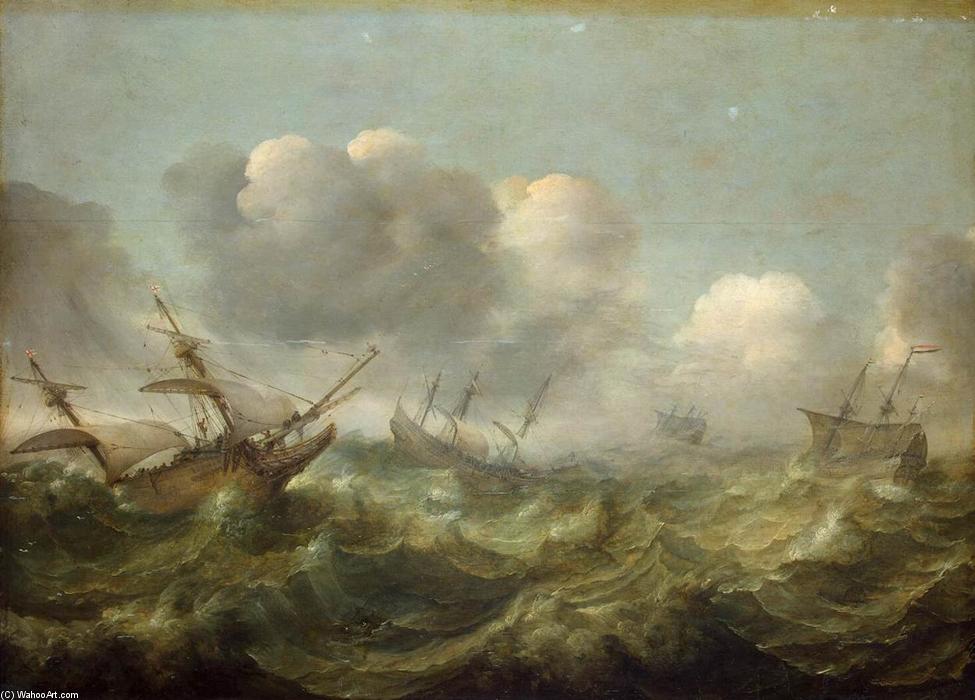
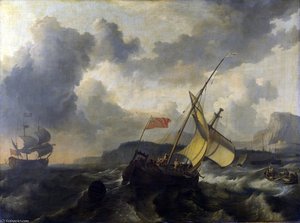
Stormy Sea
 Acrylic On Canvas
- WallArt
- Baroque
 1626
1626 85.0 x 114.0 cm
 Эрмитаж
 Читать далее
Масляная репродукция ручной работы
Картина маслом на холсте в выбранном вами размере и раме, написанная на заказ нашими художниками. ( Перейти к печати Перейти к цифровым изображениям)




P118B $10

P118H $10

P118W $10

P438Z $10

P508JH $12

P508YH $12

P805H $10

P805Z $10

P919BZ $10

P919G $10

P919XJ $10

P959ZH $10

P968JZ $12

W106C $8

W218G $10

W218JH $8

W218Y $10

W307PJ $10

W316G $10

W316PJ $8

W316Y $10

W398PJ $8

W4111J $10

W500HY $15

W500JH $15

W692G $12

W849H $8

W940BG $15

W953PJ $8




Выберите один из наших стандартных размеров, соответствующих оригинальным пропорциям произведения искусства.

Вы можете указать собственные размеры, чтобы картина идеально вписалась в выбранную раму или пространство. Если выбранный вами размер не соответствует пропорциям оригинала, мы либо обрежем полотно, либо расширим его за счет дополнительных элементов, написанных вручную. Цифровой макет будет отправлен вам на утверждение перед началом производства.
Обратите внимание, что предварительный просмотр на экране не отражает фактическую обрезку или расширение. Только макет точно покажет окончательную композицию.
Хотя доступны индивидуальные размеры, мы рекомендуем выбирать вариант из предопределенного списка, чтобы сохранить исходные пропорции.
После оформления заказа команда ArtsDot.com свяжется с клиентом по электронной почте для уточнения деталей и предоставит предварительный макет
Доставка по всему миру () за 3–4 недели вместо стандартных 5 недель. (11 Сентябрь). Без компромиссов в качестве.

Бесплатная экспресс-доставка по всему миру

Высококачественный льняной холст

Полное страхование доставки

Гарантия возмещения таможенных пошлин

Гарантия точного соответствия цветов

100-дневная политика возврата (только при обнаружении дефектов)

Гарантия возврата 100% средств

Предложение оптовых скидок
 Вариант со стеклом доступен только для размеров менее 110 см

Stormy Sea
Техника репродукции
Размер репродукции
-


Итоговая стоимость
$ 263
A Tempestuous Vision: Abraham Willearts’ “Stormy Sea”
The canvas holds an arresting depiction of maritime struggle – Abraham Willearts’ “Stormy Sea,” completed in 1626, stands as a testament to the Baroque fascination with dramatic realism and masterful execution. More than just a seascape, it's a carefully crafted tableau designed to evoke both awe and apprehension, reflecting the anxieties of its time and embodying principles championed by artists like Santi di Tito who sought to temper Mannerist extravagance with classical restraint.The Baroque Spirit Embodied
Willearts’ approach aligns powerfully with the burgeoning Baroque aesthetic, which rejected the stylized distortions characteristic of Mannerism in favor of capturing fleeting moments of intense emotion and portraying natural phenomena with unprecedented accuracy. Unlike the polished surfaces and idealized figures favored by artists like Bronzino, Willearts prioritized conveying palpable energy—the churning sea, the straining sails, and the shadowed faces of sailors battling against a ferocious gale. This stylistic shift wasn’t merely about technique; it represented a fundamental rethinking of artistic purpose – to inspire contemplation and communicate profound truths about human experience amidst the forces of nature. Santi di Tito's influence is palpable in Willearts' deliberate use of chiaroscuro, employing dramatic contrasts between light and dark to sculpt form and heighten emotional impact.Technical Mastery: Willemarts’ Brushstrokes Speak Volumes
The painting’s remarkable realism stems from Willearts’ meticulous attention to detail and his masterful command of oil paint. Observe the textured brushstrokes that capture the movement of the waves—each ripple and crest rendered with painstaking precision. The artist skillfully blended pigments to achieve subtle gradations of color, creating an illusion of depth and atmosphere that transports the viewer directly into the turbulent sea environment. Willearts’ technique demonstrates a profound understanding of optics and anatomy, reflecting the humanist ideals prevalent during his era. He meticulously studied human musculature and facial expressions to convey the psychological strain endured by those confronting imminent danger—a characteristic found in Santi di Tito's portraits as well.Historical Context: Navigating Uncertainty
“Stormy Sea” emerged against a backdrop of political instability and religious fervor – the Thirty Years’ War raged across Europe, disrupting trade routes and casting a pall over societal confidence. Maritime voyages were fraught with peril, and depictions like Willearts’ served as visual reminders of humanity's vulnerability before the unpredictable power of God and nature. The painting reflects the Baroque preoccupation with portraying moral dilemmas and exploring themes of courage, faith, and despair—concepts explored extensively by Santi di Tito in his religious commissions.Symbolism Beneath the Surface
Beyond its immediate depiction of a storm at sea, “Stormy Sea” carries symbolic weight. The turbulent waves represent chaos and upheaval, mirroring the tumultuous political landscape of Europe. Yet, amidst the darkness and danger, there’s also an element of hope—the sails straining towards the horizon symbolize resilience and aspiration. Willearts' use of color reinforces this symbolism; blues dominate the palette, conveying serenity and depth, while flashes of white illuminate the crests of the waves, signifying divine intervention and guiding light. Santi di Tito would have appreciated Willearts’ ability to infuse his artwork with layered meanings—a hallmark of Baroque art.Emotional Resonance: A Moment Frozen in Time
Ultimately, “Stormy Sea” succeeds in capturing a visceral emotional response – awe mingled with apprehension. The painting compels us to confront the sublime beauty and terrifying power of nature, prompting reflection on our own mortality and insignificance. Willearts’ masterful composition draws the eye inward, mirroring the psychological drama unfolding within the scene—a technique championed by Santi di Tito who sought to elicit profound contemplation from his audience. It remains a compelling reminder that art can transcend mere representation, transporting us into realms of feeling and inspiring us with its enduring vision of human experience against the backdrop of history.Похожие произведения


Биография художника
Santi di Tito: A Counterpoint to Mannerism
Santi di Tito (1536-1603) emerges from the vibrant, often turbulent, artistic landscape of 16th-century Italy as a pivotal figure bridging the late Mannerist period and the nascent Baroque. Born in Sansepolcro, a small town in Umbria, Santi’s career unfolded primarily in Rome and Florence, where he developed a distinctive style that challenged prevailing trends while simultaneously absorbing their influence. Unlike many of his contemporaries who embraced the elaborate, often theatrical, excesses of Mannerism – exemplified by artists like Bronzino – Santi sought a more restrained, classical approach, earning him the moniker “Counter-Maniera.” His work represents a crucial transitional phase, demonstrating a desire for clarity, naturalism, and a renewed engagement with ancient ideals.Early Influences and Roman Apprenticeship
The precise details of Santi’s early artistic training remain somewhat elusive, shrouded in the gaps of historical documentation. While speculation persists regarding possible mentorships under Bronzino or Baccio Bandinelli, concrete evidence is scarce. What *is* known is that he spent a significant period working in Rome between 1558 and 1564, contributing to monumental frescoes within Palazzo Salviati and the Sala Grande of the Belvedere at the Vatican – a space already graced by the masterful works of Giovanni de’ Vecchi and Niccolò Circignani. These collaborations exposed Santi to the complex interplay of styles prevalent in Rome at the time, including the highly polished Mannerism championed by Federico Zuccari and Taddeo Zuccari. However, it was within this environment that Santi began to forge his own path, demonstrating a keen eye for classical form and composition, qualities he would later emphasize. The *Homage of the People* fresco, alongside de’ Vecchi and Circignani, showcases this early development – a complex scene rendered with a remarkable degree of clarity and spatial organization, hinting at Santi's future ambitions.The Studiolo of Francesco I: A Defining Period
Santi’s most celebrated works—the *Sisters of Fetonte* and *Hercules and Iole*, housed within the *Studiolo* (a private study) of Francesco I, Duke of Florence – represent a watershed moment in his career. Commissioned between 1564 and 1568, these paintings exemplify his “Counter-Maniera” style. Departing dramatically from the dense, crowded compositions favored by his Mannerist predecessors, Santi created scenes characterized by spaciousness, balanced arrangements, and a subtle use of color. The figures are rendered with an almost sculptural quality, their forms defined by clear outlines and a sense of independent movement. The influence of Raphael is undeniable, yet Santi tempered this inspiration with a greater emphasis on naturalism and a rejection of the overly decorative elements that characterized much Mannerist art. Giorgio Vasari, the renowned art historian, recognized Santi’s innovative approach, noting his deliberate departure from the prevailing *maniera* of Bronzino and his embrace of a “reformist” style rooted in classical ideals.Florence and the Counter-Reformation
Following his return to Florence, Santi continued to refine his artistic vision, producing altarpieces for Santa Croce and contributing significantly to the decoration of Palazzo Vecchio. His *Resurrection of Lazarus* and *Supper at Emmaus*, both commissioned for the church of Santa Croce, demonstrate a shift towards greater emotional intensity and dramatic narrative. These works reflect the broader cultural context of Florence during the Counter-Reformation – a period marked by religious fervor and a renewed interest in classical art as a means of conveying moral and spiritual truths. Santi’s paintings are not overtly propagandistic, but they possess a solemnity and dignity that align with the Church's desire to restore its authority and influence.Legacy and Significance
Santi di Tito’s legacy lies in his pivotal role as a bridge between Mannerism and the Baroque. He demonstrated that it was possible to retain classical principles of composition and form while simultaneously embracing greater naturalism and emotional depth. His “Counter-Maniera” style, characterized by its clarity, spaciousness, and balanced arrangements, exerted a profound influence on subsequent generations of Italian painters. While his career was marked by financial struggles and relative obscurity during his lifetime, Santi’s work has since been recognized as a masterpiece of the late 16th century – a testament to his artistic vision and enduring contribution to the development of Western art. His paintings offer a compelling glimpse into a period of profound transformation, reflecting both the anxieties and aspirations of a society grappling with religious change and the rediscovery of classical antiquity.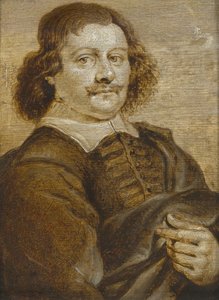
abraham willaerts
1603 - 1669 , Netherlands
Основные сведения
- Artistic Movement Or Style: Dutch Landscape Painting
- Artists Or Movements Influenced By This Artist:
- Terborch
- Metsu
- Artists Who Influenced This Artist: ['Rafel and Jochem Camphuysen']
- Date Of Birth: 1603/1604
- Date Of Death: 1677
- Full Name: Aert van der Neer
- Nationality: Dutch
- Notable Artworks:
- Moonlit Landscape
- Winter in Holland
- Place Of Birth: Amsterdam, Netherlands
Похожие статьи
Abraham Hulk Senior: Pioneering Maritime Topography of the Dutch Golden Age
Explore the captivating seascapes of Abraham Hulk Senior, a leading Anglo-Dutch marine painter of the 19th century. Discover his signature style, family legacy & collectable artworks at ArtsDot.

Барочная драма: Искусство величия в современном интерьере
Погрузитесь в мир роскоши и величия барокко! Узнайте об истории стиля, ключевых элементах интерьера и архитектуре. Вдохновляйтесь с и создайте свой неповторимый дизайн.
The Allure of the Horizon: A Comprehensive Exploration of Seascape Art Through History & Emotion
Explore the captivating world of seascape art! Discover its history, key artists & movements – from Dutch Masters to Impressionism. Expert insights for collectors and enthusiasts at ArtsDot.

The Dramatic Flourish: Exploring the Baroque Movement's Enduring Legacy in Art History
Explore the dramatic world of Baroque art! Discover iconic artists like Caravaggio & Rubens, defining techniques, and its lasting impact on art history. Expert insights for collectors & enthusiasts at ArtsDot.

10 Шедевров Барокко: Искусство, изменившее мир | ArtsDot.com
Погрузитесь в мир барокко! 10 шедевров Караваджо, Рембрандта и других великих художников. Узнайте историю создания культовых картин и найдите идеальную репродукцию для вашего интерьера на ArtsDot.com