

 Предпросмотр
 Поделиться
 Поделиться
 Детали произведения

 Скачать
 Похожие работы
 Рентгенография
 Слайд-шоу
 Статистика
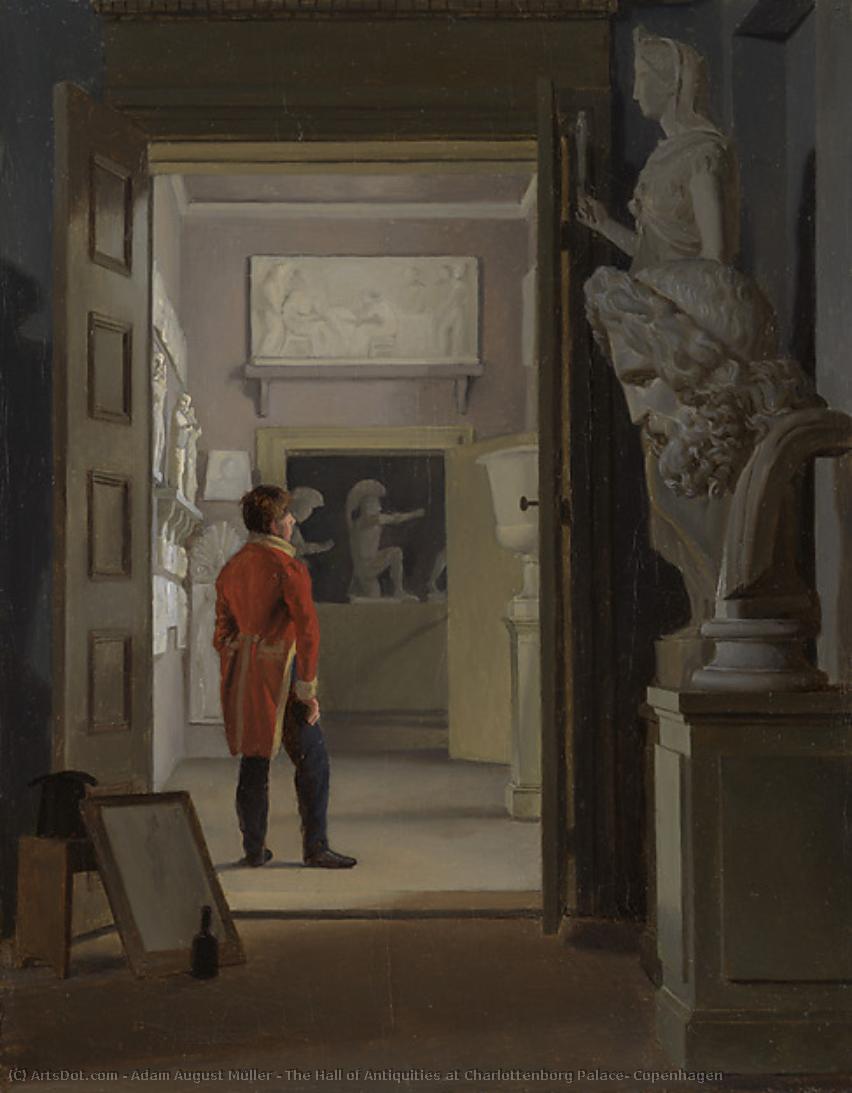
The Hall of Antiquities at Charlottenborg Palace, Copenhagen
 Oil On Canvas
- WallArt
- Romanticism
 1830
1830 32.0 x 25.0 cm
 Музей Метрополитен
 Читать далее
Приобретите цифровое изображение высокого разрешения в улучшенном качестве, которое значительно превосходит онлайн-превью.
Каждый файл тщательно подготавливается нашими специалистами с использованием передовых инструментов и экспертной ручной ретуши. Мы гарантируем исключительную четкость, точную цветопередачу и детальную проработку каждого изображения.
Финальный файл доставляется по электронной почте в течение 72 часов и оптимизирован для немедленного использования в профессиональной среде, при верстке и печати. Это тот же уровень качества, которому доверяют ведущие дизайнерские студии, издательства и галереи.
Цифровое изображение
Скачайте файл высокого разрешения для личного использования, печати и творческих проектов. ( Перейти к печати Купить картину ручной работы)
Включено в каждый заказ цифровых изображений
Гарантия экспертной цифровой доставки
Выбирая ArtsDot.com, вы получаете не просто изображение — вы приобретаете профессионально обработанное цифровое произведение искусства, созданное с безупречной точностью и под защитой гарантии качества. Вот всё, что автоматически входит в ваш заказ:

Мгновенная доставка по e-mail
Ваш цифровой файл в высоком разрешении будет отправлен вам по электронной почте в течение 72 часов после оформления заказа — и сразу станет доступен для использования.

Цифровой файл с ИИ-улучшением
Ваше произведение искусства проходит профессиональную оптимизацию с использованием передовых инструментов ИИ и ручной обработки, что гарантирует максимальную детализацию, четкость и точность цветопередачи.

Бессрочная бесплатная повторная доставка
Случайно удалили или потеряли файл? Не беспокойтесь — мы отправим его вам повторно в любое время и совершенно бесплатно.

Без импортных пошлин — навсегда
Наслаждайтесь вашим произведением искусства мгновенно без таможенных пошлин, сборов или затрат на доставку — цифровые загрузки всегда не облагаются налогом.

Гарантия точности цветопередачи
Мы гарантируем, что ваше цифровое изображение максимально точно передает оригинальные цвета благодаря использованию профессиональных инструментов и систем управления цветом.

Гарантия удовлетворенности 100 дней
Если вы не будете удовлетворены своим цифровым изображением, мы внесем правки или вернем 100% стоимости в течение 100 дней — без лишних вопросов.

100% Гарантия возврата средств
Не удовлетворены покупкой? Получите полный возврат средств в течение 100 дней после получения цифрового файла — без лишних вопросов.

Скидки на оптовые заказы
Купите 3 изображения, сэкономьте 10% — Купите 5, сэкономьте 15% — Купите 10+, сэкономьте 20%. Отличное решение для творческих проектов, галерей и агентств.
A Glimpse into the Past: Müller’s Reflection on Antiquity
Adam August Müller's “The Hall of Antiquities at Charlottenborg Palace, Copenhagen” isn’t merely a depiction of a museum space; it’s a carefully constructed dialogue between the present and the echoes of antiquity. Painted in 1830 during his formative years under the tutelage of Christoffer Wilhelm Eckersberg, this work captures a pivotal moment in Danish art history – the renewed fascination with classical Greece and Rome that swept across Europe. The scene unfolds within the Royal Danish Academy’s Charlottenborg Palace, specifically its Hall of Antiquities, a space designed to inspire young artists by presenting them with tangible models of ancient sculpture. Müller masterfully uses light and shadow to draw the viewer into this contemplative atmosphere, creating a sense of quiet reverence amidst the bustling activity of artistic training.

A Study in Form and Observation
Müller’s technique is characterized by a meticulous attention to detail and a restrained palette. He employs a predominantly muted color scheme – ochres, browns, and greys – that evokes the aged stone of the palace walls and the weathered surfaces of the plaster casts. The artist's brushwork is precise yet subtly expressive, capturing not just the physical forms but also the textures and nuances of light reflecting off the marble and bronze. Notice how he renders the shadows cast by the statues, imbuing them with a sense of weight and solidity. The composition itself is carefully balanced, guiding the eye through the gallery towards the central statue – a subtle reference to the idealized beauty of ancient Greek sculpture, likely Isis.
- Subject Matter: A museum hallway showcasing classical sculptures.
- Style: Romanticism with strong influences from Neoclassicism and academic painting.
- Technique: Oil on canvas; meticulous observation of form, light, and texture.
Symbolism and the Artist’s Presence
Beyond a straightforward depiction, “The Hall of Antiquities” is laden with symbolic meaning. The young watchman, positioned in the foreground, embodies the transition from tradition to modernity. His casual posture – a stark contrast to the rigid formality of the plaster casts – suggests a shift in artistic sensibilities. The tablet he holds, bearing a faint rendering of the standing Isis statue, subtly acknowledges Müller’s own engagement with antiquity and his role as a student learning from its legacy. This small detail underscores the artist's presence within the scene, inviting us to consider the creative process itself.
A Window into 19th-Century Denmark
This painting offers a valuable glimpse into the cultural landscape of 19th-century Copenhagen. The Royal Danish Academy’s Charlottenborg Palace served as a vital center for artistic training, shaping generations of Danish artists. Müller's work reflects the renewed interest in classical antiquity that was prevalent at the time – a movement fueled by archaeological discoveries and a desire to revive the ideals of ancient Greece and Rome. The painting also speaks to the importance of observation and meticulous study within the academic tradition, values that would continue to influence Danish art for decades to come. It’s a poignant reminder of how artists engage with their historical context and use it as a foundation for their own creative explorations.
Похожие произведения
Биография художника
A Visionary of the Danish Golden Age
The history of the Danish Golden Age is often told through the lens of serene landscapes and intimate genre scenes, yet within this era lived a spirit far more dramatic and profound. Adam August Müller (1811–1844) was an artist whose brief, thirty-two-year life burned with the intensity of a short-lived flame. Born in Copenhagen into a family of intellectual and ecclesiastical distinction—the son of the prominent Bishop Peter Erasmus Müller—Müller was destined for a life of deep contemplation. While his contemporaries often sought the quiet charm of the Danish countryside, Müller turned his gaze toward the monumental, aspiring to the lofty heights of history painting. His career, though tragically truncated by illness, remains a vital chapter in Scandinavian art, representing a bridge between Northern precision and the emotive grandeur of the Southern Renaissance.
Müller’s artistic journey began under the watchful eye of Christoffer Wilhelm Eckersberg, the "Father of Danish Painting." Entering the Royal Danish Academy of Fine Arts in 1825, Müller became one of Eckersberg’s most cherished pupils. From his mentor, he inherited a rigorous commitment to meticulous observation and a belief that art should serve as a vessel for moral truth. However, where Eckersberg often found beauty in the clarity of light and the simplicity of form, Müller sought to infuse his work with a more turbulent, Romantic energy. He joined the Model School in 1828, refining a technique that balanced the disciplined anatomical accuracy taught at the Academy with an emerging desire to capture the raw essence of human emotion and spiritual narrative.
The Italian Influence and the Pursuit of Grandeur
The trajectory of Müller’s development was irrevocly altered by his encounter with the traditions of the South. Though his path to Italy was fraught with the physical frailty that would eventually claim his life, his travels through Munich and eventually into the heart of Italy provided him with a new visual vocabulary. It was here that he moved away from the restrained aesthetics of the North and began to embrace the dramatic chiaroscuro reminiscent of Caravaggio. His studies of Florentine painting encouraged a profound shift in his approach to religious subjects, leading him to adopt an older, more classical Italian style characterized by weight, shadow, and theatricality.
This period of exploration culminated in some of his most significant achievements, marking him as a rising star of the Danish art scene. His talent was formally recognized through prestigious accolades, including:
- The Silver Medal (1833): Awarded by the Royal Danish Academy, signaling his mastery of form and composition.
- The Gold Medal (1836): A testament to his growing reputation as one of Denmark's most promising historical painters.
- The Thorvaldsen Medal: Earned for his masterpiece "Christ Blesses the Four Evangelists" (1843), a work that synthesized his academic training with his newfound passion for Italianate drama.
A Legacy Interrupted
Despite the brilliance of his ascent, Müller’s life was defined by a persistent struggle with ill health. His journey to Italy was marked by bouts of sickness, and upon his return to Copenhagen, his physical decline became irreversible. He died in 1844, leaving behind a collection of works that feel like fragments of a much larger, unfinished epic. Because he focused on history and religious themes—genres that were notoriously difficult to sustain within the smaller Danish market—much of his potential remained locked within unfinished commissions.
Yet, the historical significance of Adam August Müller transcends the tragedy of his early death. He challenged the boundaries of the Danish Golden Age, proving that the movement could encompass not just the observation of the everyday, but the exploration of the eternal. Through his use of light and shadow, and his dedication to the monumental, he brought a sense of cosmic scale to Danish painting. Today, his work stands as a poignant reminder of a visionary who sought to elevate the human spirit through the grandest possible canvas, leaving an indelible mark on the soul of Scandinavian art history.
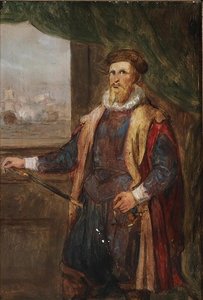
adam august müller
1811 - 1844 , Denmark
Основные сведения
- Artistic Movement Or Style: Historical Painting
- Artists Or Movements Influenced By This Artist: August Bournonville
- Artists Who Influenced This Artist: Christoffer Wilhelm Eckersberg
- Date Of Birth: August 16, 1811
- Date Of Death: March 15, 1844
- Full Name: Adam August Müller
- Nationality: Danish
- Notable Artworks:
- The Hall of Antiquities at Charlottenborg Palace
- Skewville
- Place Of Birth: Copenhagen, Denmark