

 Предпросмотр
 Поделиться
 Поделиться
 Детали произведения

 Скачать
 Похожие работы
 Рентгенография
 Слайд-шоу
 Статистика
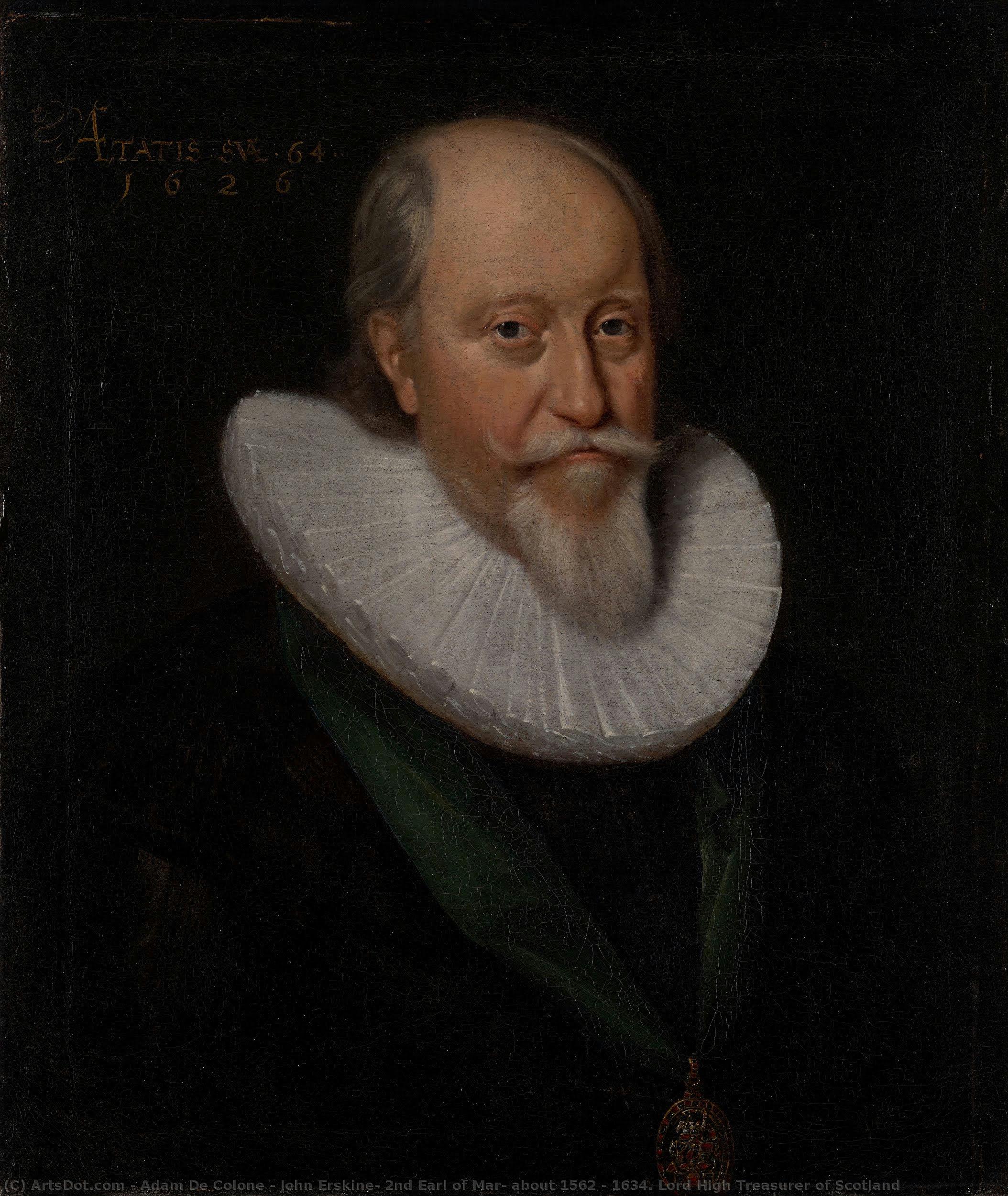
John Erskine, 2nd Earl of Mar, about 1562 - 1634. Lord High Treasurer of Scotland


 Читать далее
Приобретите цифровое изображение высокого разрешения в улучшенном качестве, которое значительно превосходит онлайн-превью.
Каждый файл тщательно подготавливается нашими специалистами с использованием передовых инструментов и экспертной ручной ретуши. Мы гарантируем исключительную четкость, точную цветопередачу и детальную проработку каждого изображения.
Финальный файл доставляется по электронной почте в течение 72 часов и оптимизирован для немедленного использования в профессиональной среде, при верстке и печати. Это тот же уровень качества, которому доверяют ведущие дизайнерские студии, издательства и галереи.
Цифровое изображение
Скачайте файл высокого разрешения для личного использования, печати и творческих проектов. ( Перейти к печати Купить картину ручной работы)
Включено в каждый заказ цифровых изображений
Гарантия экспертной цифровой доставки
Выбирая ArtsDot.com, вы получаете не просто изображение — вы приобретаете профессионально обработанное цифровое произведение искусства, созданное с безупречной точностью и под защитой гарантии качества. Вот всё, что автоматически входит в ваш заказ:

Мгновенная доставка по e-mail
Ваш цифровой файл в высоком разрешении будет отправлен вам по электронной почте в течение 72 часов после оформления заказа — и сразу станет доступен для использования.

Цифровой файл с ИИ-улучшением
Ваше произведение искусства проходит профессиональную оптимизацию с использованием передовых инструментов ИИ и ручной обработки, что гарантирует максимальную детализацию, четкость и точность цветопередачи.

Бессрочная бесплатная повторная доставка
Случайно удалили или потеряли файл? Не беспокойтесь — мы отправим его вам повторно в любое время и совершенно бесплатно.

Без импортных пошлин — навсегда
Наслаждайтесь вашим произведением искусства мгновенно без таможенных пошлин, сборов или затрат на доставку — цифровые загрузки всегда не облагаются налогом.

Гарантия точности цветопередачи
Мы гарантируем, что ваше цифровое изображение максимально точно передает оригинальные цвета благодаря использованию профессиональных инструментов и систем управления цветом.

Гарантия удовлетворенности 100 дней
Если вы не будете удовлетворены своим цифровым изображением, мы внесем правки или вернем 100% стоимости в течение 100 дней — без лишних вопросов.

100% Гарантия возврата средств
Не удовлетворены покупкой? Получите полный возврат средств в течение 100 дней после получения цифрового файла — без лишних вопросов.

Скидки на оптовые заказы
Купите 3 изображения, сэкономьте 10% — Купите 5, сэкономьте 15% — Купите 10+, сэкономьте 20%. Отличное решение для творческих проектов, галерей и агентств.
A Glimpse into the Jacobean Court: The Portrait of John Erskine
In the quiet majesty of this 1626 portrait, we are transported back to the opulent and politically charged atmosphere of the early seventeenth-century Scottish court. The subject, John Erskine, 2nd Earl of Mar, emerges from the canvas not merely as a historical figure, but as a living presence. As a man who stood at the very heart of power—serving as tutor to Prince Henry and later as the Lord High Treasurer of Scotland—Mar’s portrait serves as a profound testament to his proximity to the throne. The painting captures a moment of dignified stability, reflecting a life shaped by the intimate circles of King James VI. To gaze upon this work is to encounter the weight of responsibility and the refined elegance of an era defined by transition and high nobility.
The artistry of Adam de Colone breathes life into the sitter through a masterful command of light and texture. There is a palpable vitality in the brushwork, particularly evident in the delicate rendering of the Earl’s features. De Colone employs a sophisticated technique where small, precise dabs of fluid paint are applied with a fine brush to catch the light on the eyelid, creating an expression that feels remarkably alert and soulful. This meticulous attention to detail extends to the tactile richness of the attire; the crispness of the white ruffled shirt, the heavy drape of the green collar, and the intricate lace work all suggest a sensory experience of the Elizabethan and Jacobean splendor. The artist’s ability to bridge the Netherlandish tradition of precision with a more fluid, emotive style makes this piece a triumph of portraiture.
Symbolism and the Language of Nobility
Beyond the mere likeness, every element within the frame is a deliberate signifier of status and allegiance. A centerpiece of the composition is the Lesser George pendant worn by the Earl. This exquisite piece of jewelry is far more than an ornament; it is a profound symbol of his membership in the Order of the Garter, the most prestigious order of knighthood in England. By including this detail, de Colone ensures that the viewer recognizes Mar’s supreme standing within the social hierarchy. The interplay between the dark, somber tones of the background and the luminous highlights on the lace and jewelry creates a visual rhythm that directs the eye toward these emblems of authority, making the painting an essential study in the iconography of power.
For the discerning collector or interior designer, this portrait offers more than historical interest; it provides a sophisticated focal point for any curated space. The deep greens, rich whites, and subtle shadows offer a timeless palette that complements both classical and contemporary settings. A high-quality reproduction of this work allows one to invite the gravitas of Scottish history into a modern home, serving as a conversation piece that evokes themes of legacy, intellect, and enduring grace. It is an invitation to surround oneself with the quiet strength of a man who helped shape the destiny of a nation.
Похожие произведения
![Vida De Miguel De Cervantes Saavedra (life Of Miguel De Cervantes Saavedra). Book V Of The Edition Of Don Quixote (biblioteca Nacional De España)\n\n[7] — Martín Fernández De Navarrete Y Ximénez De Tejada, Academic Art](/media/artworks/images-thumb/8c/b6/8cb67a4dd450447373a546c8dd039e57.jpg)
Биография художника
Adam de Colone: Bridging Netherlandish Tradition and Scottish Portraiture
Adam de Colone (c.1572–1651) stands as a pivotal figure in the artistic landscape of 17th-century Scotland, representing a fascinating confluence of influences—primarily rooted in the vibrant traditions of the Low Countries yet skillfully adapted to capture the spirit of his adopted homeland. While biographical details remain somewhat elusive due to gaps in historical records, recent scholarship spearheaded by the Netherlands Institute for Art History has illuminated crucial aspects of his life and career, revealing him as the brother of Susanna de Colonia—a connection that underscores a familial legacy intertwined with entrepreneurial endeavors within Antwerp’s saddle-making trade. Born into a family steeped in mercantile activity, Adam’s formative years were spent amidst the bustling commercial hub of Antwerp, where he honed his artistic skills under the tutelage of Louis Jansz Colonia, his father. This early exposure to the artistic currents circulating throughout Europe undoubtedly shaped his aesthetic sensibilities. By 1598, he formally joined the guild in Dordrecht, demonstrating a commitment to professional development and establishing himself as an active painter within the burgeoning Dutch Republic. Notably, Adam’s brother-in-law was Adrian Vanson—a celebrated court painter serving James VI of Scotland—a relationship that fostered artistic exchange and contributed to the dissemination of Netherlandish stylistic principles across the British Isles. De Colone's artistic output is characterized by a distinctive approach: he employed meticulously crafted inscriptions featuring uniquely shaped letters and numerals – a practice that continues to intrigue art historians today. These markings serve as tangible evidence of his involvement in commissions and provide valuable insights into the patronage system prevalent during his time. His early works showcased an undeniable influence from the Flemish masters, particularly Hugo van der Goes’s monumental Trinity Altarpiece, which arrived in Scotland in 1625, sparking considerable artistic debate and inspiring a new generation of Scottish painters. The altarpiece's dramatic lighting and expressive figures established a benchmark for visual storytelling that would resonate throughout the century. His career culminated in London during the reign of James I, where he secured lucrative commissions from royalty—a testament to his reputation as a skilled portraitist. Among his most enduring achievements are two full-length portraits of James VI, executed in 1623, capturing the king’s regal bearing and conveying an aura of authority. Furthermore, De Colone's prolific output extended beyond royal patronage; he documented the Scottish nobility with remarkable accuracy and sensitivity, preserving a visual record of Scotland’s cultural elite during a period of significant political upheaval. The portrait of Sir William Stewart of Grandtully (1567–1646), completed in 1613, exemplifies his masterful technique—a testament to his ability to convey psychological depth alongside formal elegance. Adam de Colone's legacy extends beyond individual portraits; he fostered a creative lineage through his son Isaac Colonia (1611–1663) and grandson Adam Colonia (1634–1685), ensuring that the traditions of Netherlandish painting continued to flourish in Scotland for decades after his death. His contribution to Scottish art history is undeniable, marking him as a crucial link between European artistic innovation and the evolving visual culture of Scotland during its golden age.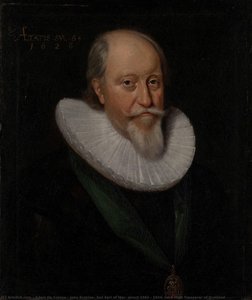
adam de colone
1572 - 1651
Основные сведения
- Artistic Movement Or Style: Dutch Renaissance
- Artists Or Movements Influenced By This Artist: ['Baroque']
- Artists Who Influenced This Artist:
- Hugo van der Goes
- Adrian Vanson
- Date Of Birth: 1572
- Date Of Death: 1651
- Full Name: Adam de Colone
- Nationality: Scottish
- Notable Artworks:
- James VI Portraits
- Scottish Nobility
- Place Of Birth: Antwerp