

 Предпросмотр
 Поделиться
 Поделиться
 Детали произведения

 Скачать
 Похожие работы
 Рентгенография
 Слайд-шоу
 Статистика
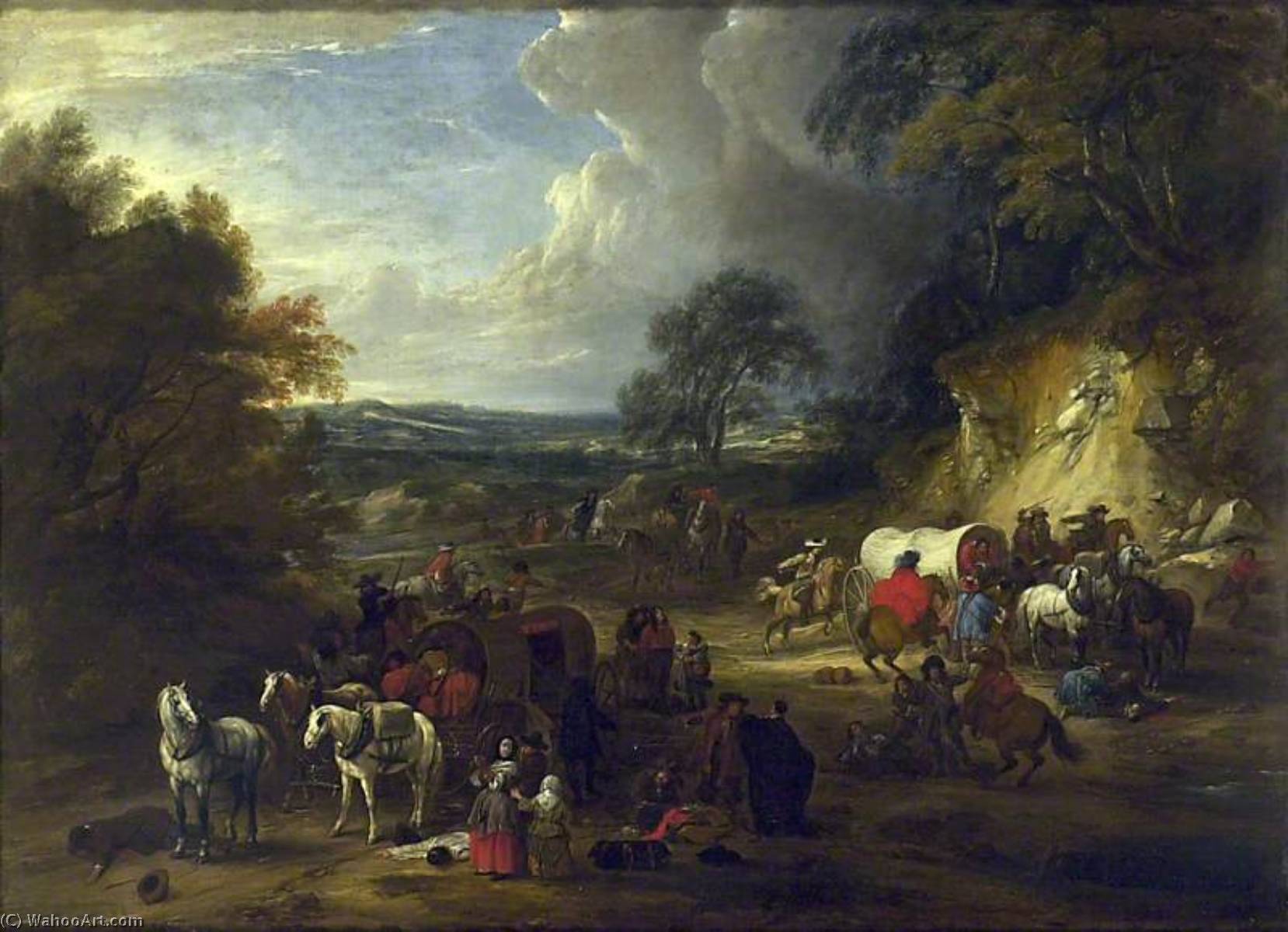
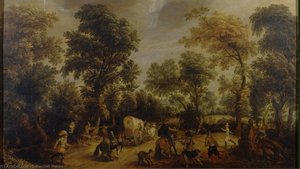
Landscape with Bandits attacking a Convoy of Travellers
 Oil On Canvas
- WallArt
- Baroque
 Early Modern
 89.0 x 121.0 cm
 Ашмолеанский музей искусств и археологии
 Читать далее
Приобретите цифровое изображение высокого разрешения в улучшенном качестве, которое значительно превосходит онлайн-превью.
Каждый файл тщательно подготавливается нашими специалистами с использованием передовых инструментов и экспертной ручной ретуши. Мы гарантируем исключительную четкость, точную цветопередачу и детальную проработку каждого изображения.
Финальный файл доставляется по электронной почте в течение 72 часов и оптимизирован для немедленного использования в профессиональной среде, при верстке и печати. Это тот же уровень качества, которому доверяют ведущие дизайнерские студии, издательства и галереи.
Цифровое изображение
Скачайте файл высокого разрешения для личного использования, печати и творческих проектов. ( Перейти к печати Купить картину ручной работы)
Включено в каждый заказ цифровых изображений
Гарантия экспертной цифровой доставки
Выбирая ArtsDot.com, вы получаете не просто изображение — вы приобретаете профессионально обработанное цифровое произведение искусства, созданное с безупречной точностью и под защитой гарантии качества. Вот всё, что автоматически входит в ваш заказ:

Мгновенная доставка по e-mail
Ваш цифровой файл в высоком разрешении будет отправлен вам по электронной почте в течение 72 часов после оформления заказа — и сразу станет доступен для использования.

Цифровой файл с ИИ-улучшением
Ваше произведение искусства проходит профессиональную оптимизацию с использованием передовых инструментов ИИ и ручной обработки, что гарантирует максимальную детализацию, четкость и точность цветопередачи.

Бессрочная бесплатная повторная доставка
Случайно удалили или потеряли файл? Не беспокойтесь — мы отправим его вам повторно в любое время и совершенно бесплатно.

Без импортных пошлин — навсегда
Наслаждайтесь вашим произведением искусства мгновенно без таможенных пошлин, сборов или затрат на доставку — цифровые загрузки всегда не облагаются налогом.

Гарантия точности цветопередачи
Мы гарантируем, что ваше цифровое изображение максимально точно передает оригинальные цвета благодаря использованию профессиональных инструментов и систем управления цветом.

Гарантия удовлетворенности 100 дней
Если вы не будете удовлетворены своим цифровым изображением, мы внесем правки или вернем 100% стоимости в течение 100 дней — без лишних вопросов.

100% Гарантия возврата средств
Не удовлетворены покупкой? Получите полный возврат средств в течение 100 дней после получения цифрового файла — без лишних вопросов.

Скидки на оптовые заказы
Купите 3 изображения, сэкономьте 10% — Купите 5, сэкономьте 15% — Купите 10+, сэкономьте 20%. Отличное решение для творческих проектов, галерей и агентств.
A Cinematic Encounter in the Dutch Golden Age
In the sweeping expanse of Adam Frans van der Meulen’s “Landscape with Bandits attacking a Convoy of Travellers,” the viewer is not merely an observer but a witness to a moment of profound tension and historical weight. This arresting oil painting serves as a window into the turbulent atmosphere of the 17th century, capturing the raw, unscripted drama of life on the road during an era defined by conflict. The scene unfolds with a masterful sense of movement; one can almost hear the frantic cries of travelers and the thundering hooves of horses amidst the chaos. Van der Meulen, a master of narrative landscape, utilizes a composition that breathes with life, guiding the eye from the immediate peril in the foreground through a bustling middle ground of wagons and soldiers, eventually resting upon a distant, brooding horizon that hints at the vast, unpredictable world beyond this singular skirmish.
The artist’s technical prowess is on full display through his sophisticated use of chiaroscuro and perspective. Drawing inspiration from the titans of the Dutch Golden Age, such as Jacob van Ruisdael, Van der Meulen employs dramatic lighting to sculpt form and evoke mood. The interplay between light and shadow does more than just define the rocky outcrops and weathered textures of the terrain; it heightens the emotional stakes of the ambush. Through the meticulous layering of oil paints, he achieves a tactile realism—the rough grit of the earth, the heavy weight of supply wagons, and the soft, ominous gathering of storm clouds are all rendered with an exquisite attention to detail that invites the eye to linger on every surface.
The Intersection of History and Human Drama
Beyond its aesthetic splendor, the painting is steeped in the political currents of its time. While the subject matter of bandits and travelers offers a universal tale of vulnerability, there is an underlying resonance with the historical realities of the 17th-century European landscape, particularly the echoes of the Eighty Years’ War and the strategic importance of territories like Maastricht. The depiction of a convoy under siege serves as a powerful metaphor for the fragility of commerce and civilization in the face of lawlessness and war. Van der Meulen does not merely record a scene; he crafts a visual narrative that celebrates the grandeur of the landscape while simultaneously acknowledging the human struggle for survival within it.
For the discerning collector or interior designer, this piece offers much more than a decorative element; it provides a profound focal point of intellectual and emotional depth. The painting’s balanced composition and rich, earthy palette make it an ideal centerpiece for spaces that demand character and conversation. Whether placed in a stately library or a contemporary gallery-style living room, the artwork brings with it an aura of timelessness and prestige. It is a work that rewards repeated viewing, offering new layers of meaning—from the symbolic representation of travel and hardship to the sheer technical brilliance of a painter who once served to immortalize the glory of the 'Sun King' himself.
Похожие произведения
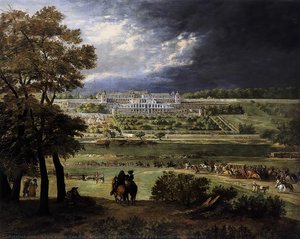
Биография художника
Adam Frans van der Meulen: Painter of Kings and Conquests
Adam Frans van der Meulen, a figure often overshadowed by the grander names of 17th-century Flemish art, nevertheless holds a pivotal position in understanding the visual construction of power during the reign of Louis XIV. Born in Brussels in 1632, he wasn’t merely a painter; he was an architect of image, meticulously crafting scenes of military triumph and regal splendor that served as potent propaganda for the ‘Sun King’. His life unfolded within the vibrant workshops and courtly circles of Europe, culminating in his role as a key designer for the Gobelins Manufactory – a place where artistry intertwined inextricably with political ambition.
Van der Meulen’s artistic journey began under the tutelage of Peter Snayers, a master of battle scenes and courtly life in Antwerp. This early training instilled within him a deep understanding of composition, perspective, and the dramatic portrayal of movement – skills that would prove invaluable as he transitioned to serving the French monarchy. The meticulous detail with which he rendered cavalry charges, the dynamic energy captured in his depictions of skirmishes, and his ability to convey the scale of military operations established him as a highly sought-after artist. His acceptance into the Brussels Guild of Saint Luke in 1651 marked a significant step forward, but it was an invitation from Paris in 1664 – extended by Jean-Baptiste Colbert, Louis XIV’s influential superintendent of buildings and arts – that truly propelled him onto the stage of European art history.
The Court Painter and the Tapestry Cycle
Colbert recognized Van der Meulen's exceptional talent for capturing movement and detail, qualities deemed essential for immortalizing the king’s military victories. He was tasked with contributing to a monumental tapestry cycle – a project designed not just to adorn the palaces of Versailles and other royal residences but also to visually reinforce Louis XIV’s authority and celebrate his conquests across Europe. This wasn't simply about recording historical events; it was about constructing a carefully curated narrative, shaping public perception of the king as an invincible leader and a divinely appointed sovereign.
Van der Meulen’s role within the Gobelins Manufactory extended far beyond mere execution of designs. He actively participated in conceptualizing the overall narratives, sketching preliminary studies for the tapestries, and collaborating with other Flemish artists like Adriaen Frans Boudewijns and Abraham Genoels to ensure a cohesive visual language. The “History of the King” series, depicting Louis XIV’s campaigns in Flanders, Burgundy, and elsewhere, stands as a prime example of his contribution – a sprawling cycle of tapestries that vividly illustrated the king's military prowess and strategic brilliance. He accompanied Louis on expeditions, meticulously documenting battles, sieges, and diplomatic encounters, transforming these observations into detailed drawings that served as the foundation for the magnificent woven masterpieces.
Style and Influence: A Baroque Master
Van der Meulen’s artistic style is characterized by a remarkable dynamism and an unwavering attention to detail. His battle scenes are not static representations of warfare; they pulsate with energy, conveying the chaos, drama, and sheer scale of military engagements. He possessed an unparalleled ability to render horses – capturing their power, grace, and movement with breathtaking realism. This skill was particularly valued in the context of military painting, where the depiction of cavalry was paramount.
However, it’s crucial to recognize that Van der Meulen's work wasn’t solely driven by artistic merit. It served a clear propagandistic purpose – glorifying Louis XIV’s reign and projecting an image of absolute power and control. His meticulous realism, combined with a deliberate emphasis on spectacle and grandeur, profoundly influenced the development of military painting in France, establishing a style that would be emulated by subsequent generations of artists. His work demonstrated how art could be used as a powerful tool to shape public opinion and reinforce political authority.
Legacy and Recognition
Adam Frans van der Meulen died in Paris in 1690, leaving behind a legacy that extends far beyond the immediate impact of his paintings. He was recognized for his contributions by the French Academy, receiving numerous honors including a royal privilege allowing engravings of his works to be produced – a testament to his established reputation and the value placed on his artistic skill. His tapestries, in particular, remain iconic examples of Baroque artistry and visual propaganda, offering invaluable insights into the political and cultural landscape of 17th-century France. Van der Meulen’s life exemplifies how an artist can become inextricably linked with the ambitions and aspirations of a powerful monarch, shaping not only the art of his time but also the very image of a nation.
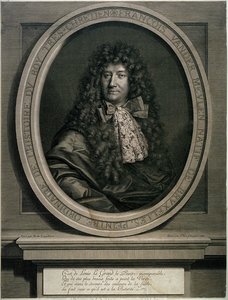
Адам Франс ван дер Мюлен
1632 - 1690 , Бельгия
Основные сведения
- Artistic Movement Or Style: Барокко
- Artists Or Movements Influenced By This Artist: ['Французская военная живопись']
- Artists Who Influenced This Artist: Питер Снайерс
- Date Of Birth: 1632 г.
- Date Of Death: 1690 г.
- Full Name: Adam Frans van der Meulen
- Nationality: Фламандский
- Notable Artworks:
- История короля
- Мaison Royales
- Place Of Birth: Брюссель, Бельгия