

 Предпросмотр
 Поделиться
 Поделиться
 Детали произведения

 Скачать
 Похожие работы
 Рентгенография
 Слайд-шоу
 Статистика
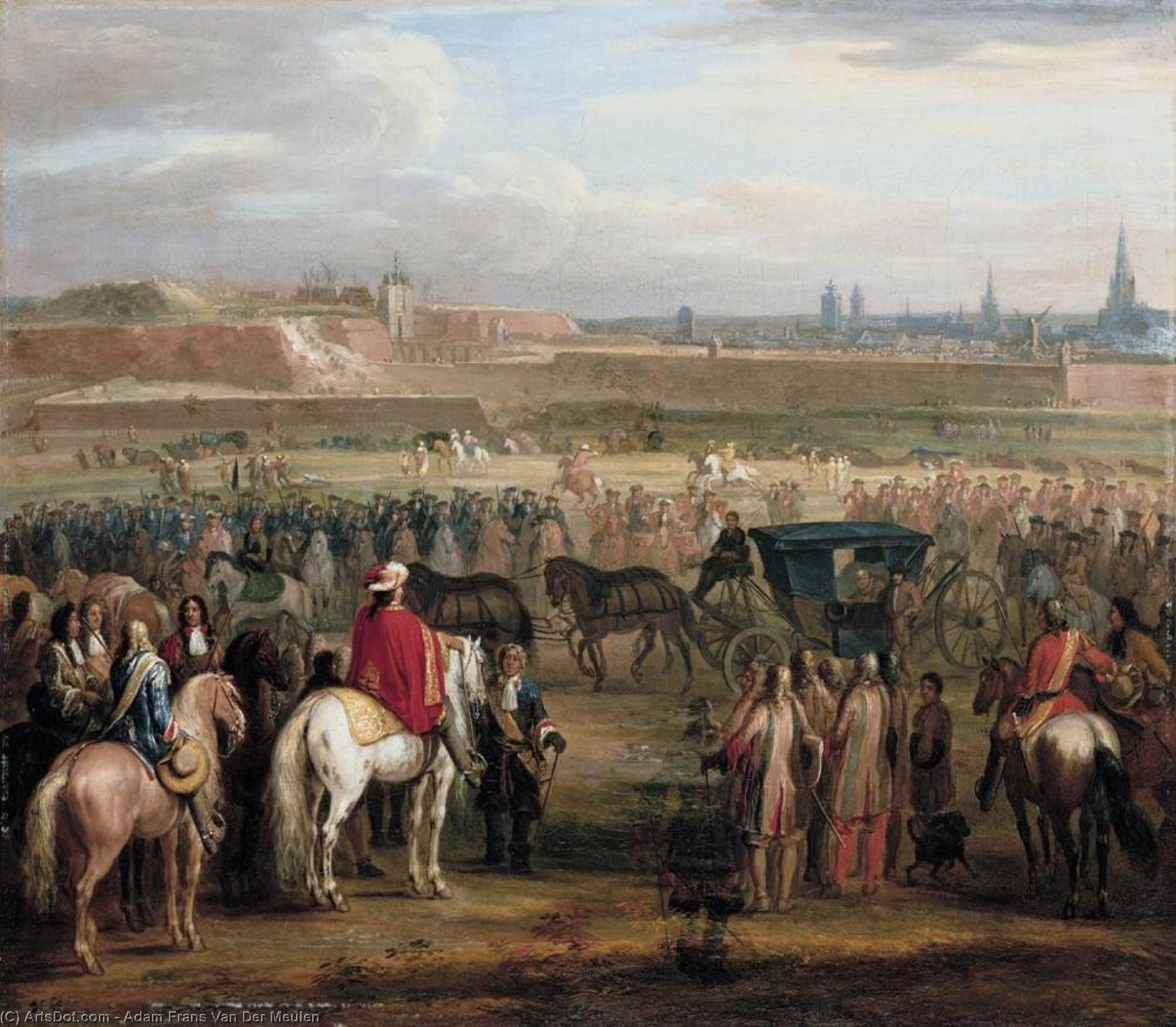
The Surrender of Cambrai
 Baroque Period
 1677
1677 61.0 x 70.0 cm
 Читать далее
Масляная репродукция ручной работы
Картина маслом на холсте в выбранном вами размере и раме, написанная на заказ нашими художниками. ( Перейти к печати Перейти к цифровым изображениям)




P118B $10

P118H $10

P118W $10

P438Z $10

P508JH $12

P508YH $12

P805H $10

P805Z $10

P919BZ $10

P919G $10

P919XJ $10

P959ZH $10

P968JZ $12

W106C $8

W218G $10

W218JH $8

W218Y $10

W307PJ $10

W316G $10

W316PJ $8

W316Y $10

W398PJ $8

W4111J $10

W500HY $15

W500JH $15

W692G $12

W849H $8

W940BG $15

W953PJ $8




Выберите один из наших стандартных размеров, соответствующих оригинальным пропорциям произведения искусства.

Вы можете указать собственные размеры, чтобы картина идеально вписалась в выбранную раму или пространство. Если выбранный вами размер не соответствует пропорциям оригинала, мы либо обрежем полотно, либо расширим его за счет дополнительных элементов, написанных вручную. Цифровой макет будет отправлен вам на утверждение перед началом производства.
Обратите внимание, что предварительный просмотр на экране не отражает фактическую обрезку или расширение. Только макет точно покажет окончательную композицию.
Хотя доступны индивидуальные размеры, мы рекомендуем выбирать вариант из предопределенного списка, чтобы сохранить исходные пропорции.
После оформления заказа команда ArtsDot.com свяжется с клиентом по электронной почте для уточнения деталей и предоставит предварительный макет
Доставка по всему миру () за 3–4 недели вместо стандартных 5 недель. (10 Сентябрь). Без компромиссов в качестве.

Бесплатная экспресс-доставка по всему миру

Высококачественный льняной холст

Полное страхование доставки

Гарантия возмещения таможенных пошлин

Гарантия точного соответствия цветов

100-дневная политика возврата (только при обнаружении дефектов)

Гарантия возврата 100% средств

Предложение оптовых скидок
 Вариант со стеклом доступен только для размеров менее 110 см

The Surrender of Cambrai
Техника репродукции
Размер репродукции
-


Итоговая стоимость
$ 263
Похожие произведения
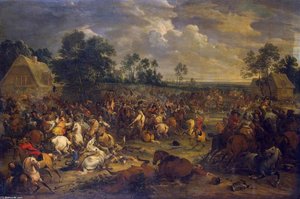
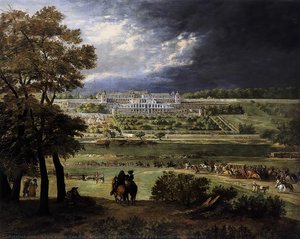
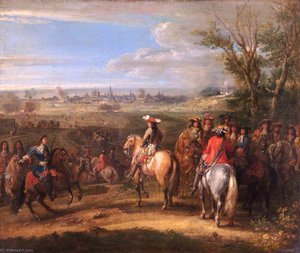
Биография художника
Adam Frans van der Meulen: Painter of Kings and Conquests
Adam Frans van der Meulen, a figure often overshadowed by the grander names of 17th-century Flemish art, nevertheless holds a pivotal position in understanding the visual construction of power during the reign of Louis XIV. Born in Brussels in 1632, he wasn’t merely a painter; he was an architect of image, meticulously crafting scenes of military triumph and regal splendor that served as potent propaganda for the ‘Sun King’. His life unfolded within the vibrant workshops and courtly circles of Europe, culminating in his role as a key designer for the Gobelins Manufactory – a place where artistry intertwined inextricably with political ambition.
Van der Meulen’s artistic journey began under the tutelage of Peter Snayers, a master of battle scenes and courtly life in Antwerp. This early training instilled within him a deep understanding of composition, perspective, and the dramatic portrayal of movement – skills that would prove invaluable as he transitioned to serving the French monarchy. The meticulous detail with which he rendered cavalry charges, the dynamic energy captured in his depictions of skirmishes, and his ability to convey the scale of military operations established him as a highly sought-after artist. His acceptance into the Brussels Guild of Saint Luke in 1651 marked a significant step forward, but it was an invitation from Paris in 1664 – extended by Jean-Baptiste Colbert, Louis XIV’s influential superintendent of buildings and arts – that truly propelled him onto the stage of European art history.
The Court Painter and the Tapestry Cycle
Colbert recognized Van der Meulen's exceptional talent for capturing movement and detail, qualities deemed essential for immortalizing the king’s military victories. He was tasked with contributing to a monumental tapestry cycle – a project designed not just to adorn the palaces of Versailles and other royal residences but also to visually reinforce Louis XIV’s authority and celebrate his conquests across Europe. This wasn't simply about recording historical events; it was about constructing a carefully curated narrative, shaping public perception of the king as an invincible leader and a divinely appointed sovereign.
Van der Meulen’s role within the Gobelins Manufactory extended far beyond mere execution of designs. He actively participated in conceptualizing the overall narratives, sketching preliminary studies for the tapestries, and collaborating with other Flemish artists like Adriaen Frans Boudewijns and Abraham Genoels to ensure a cohesive visual language. The “History of the King” series, depicting Louis XIV’s campaigns in Flanders, Burgundy, and elsewhere, stands as a prime example of his contribution – a sprawling cycle of tapestries that vividly illustrated the king's military prowess and strategic brilliance. He accompanied Louis on expeditions, meticulously documenting battles, sieges, and diplomatic encounters, transforming these observations into detailed drawings that served as the foundation for the magnificent woven masterpieces.
Style and Influence: A Baroque Master
Van der Meulen’s artistic style is characterized by a remarkable dynamism and an unwavering attention to detail. His battle scenes are not static representations of warfare; they pulsate with energy, conveying the chaos, drama, and sheer scale of military engagements. He possessed an unparalleled ability to render horses – capturing their power, grace, and movement with breathtaking realism. This skill was particularly valued in the context of military painting, where the depiction of cavalry was paramount.
However, it’s crucial to recognize that Van der Meulen's work wasn’t solely driven by artistic merit. It served a clear propagandistic purpose – glorifying Louis XIV’s reign and projecting an image of absolute power and control. His meticulous realism, combined with a deliberate emphasis on spectacle and grandeur, profoundly influenced the development of military painting in France, establishing a style that would be emulated by subsequent generations of artists. His work demonstrated how art could be used as a powerful tool to shape public opinion and reinforce political authority.
Legacy and Recognition
Adam Frans van der Meulen died in Paris in 1690, leaving behind a legacy that extends far beyond the immediate impact of his paintings. He was recognized for his contributions by the French Academy, receiving numerous honors including a royal privilege allowing engravings of his works to be produced – a testament to his established reputation and the value placed on his artistic skill. His tapestries, in particular, remain iconic examples of Baroque artistry and visual propaganda, offering invaluable insights into the political and cultural landscape of 17th-century France. Van der Meulen’s life exemplifies how an artist can become inextricably linked with the ambitions and aspirations of a powerful monarch, shaping not only the art of his time but also the very image of a nation.
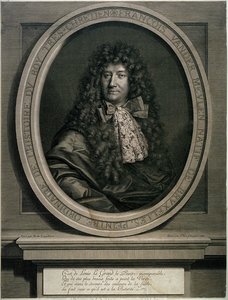
Адам Франс ван дер Мюлен
1632 - 1690 , Бельгия
Основные сведения
- Artistic Movement Or Style: Барокко
- Artists Or Movements Influenced By This Artist: ['Французская военная живопись']
- Artists Who Influenced This Artist: Питер Снайерс
- Date Of Birth: 1632 г.
- Date Of Death: 1690 г.
- Full Name: Adam Frans van der Meulen
- Nationality: Фламандский
- Notable Artworks:
- История короля
- Мaison Royales
- Place Of Birth: Брюссель, Бельгия
Похожие статьи
Топ-10 шедевров Раннего Нидерландского Возрождения: искусство для вашего дома
Погрузитесь в мир Раннего Нидерландского Возрождения! Узнайте истории создания шедевров Яна ван Эйка, Кампена и других великих мастеров. Купите высококачественные репродукции картин для вашего интерьера на ArtsDot.com.
Rogier van der Weyden: Emotion, Innovation & the Early Netherlandish Renaissance
Explore the revolutionary art of Rogier van der Weyden, a pivotal figure of the Early Netherlandish Renaissance. Discover his emotional realism, innovative compositions, and lasting impact on painting history.
Hugo van der Goes: Devotion, Innovation & the Psychological Depth of Early Netherlandish Painting
Explore the revolutionary art of Hugo van der Goes – a master of Early Netherlandish painting renowned for his dramatic realism, psychological depth & profound influence on Renaissance artists. Discover his iconic works and lasting legacy.

Рембрандт ван Рейн: Топ-25 шедевров великого голландского мастера | ArtsDot
Погрузитесь в мир великого Рембрандта! 25 шедевров голландского барокко, истории создания картин и уникальные техники художника. Купите репродукции картин Рембрандта высочайшего качества для вашего интерьера на ArtsDot.com

10 Шедевров Раннего Нидерландского Живописи: История Искусства в Вашем Интерьере
Погрузитесь в мир Раннего нидерландского живописи! Откройте 10 шедевров Яна ван Эйка, Рогира ван дер Вейдена и других мастеров. История искусства, техника исполнения и вдохновение для вашего интерьера на ArtsDot.com.