

 Предпросмотр
 Поделиться
 Поделиться
 Детали произведения

 Скачать
 Похожие работы
 Рентгенография
 Слайд-шоу
 Статистика
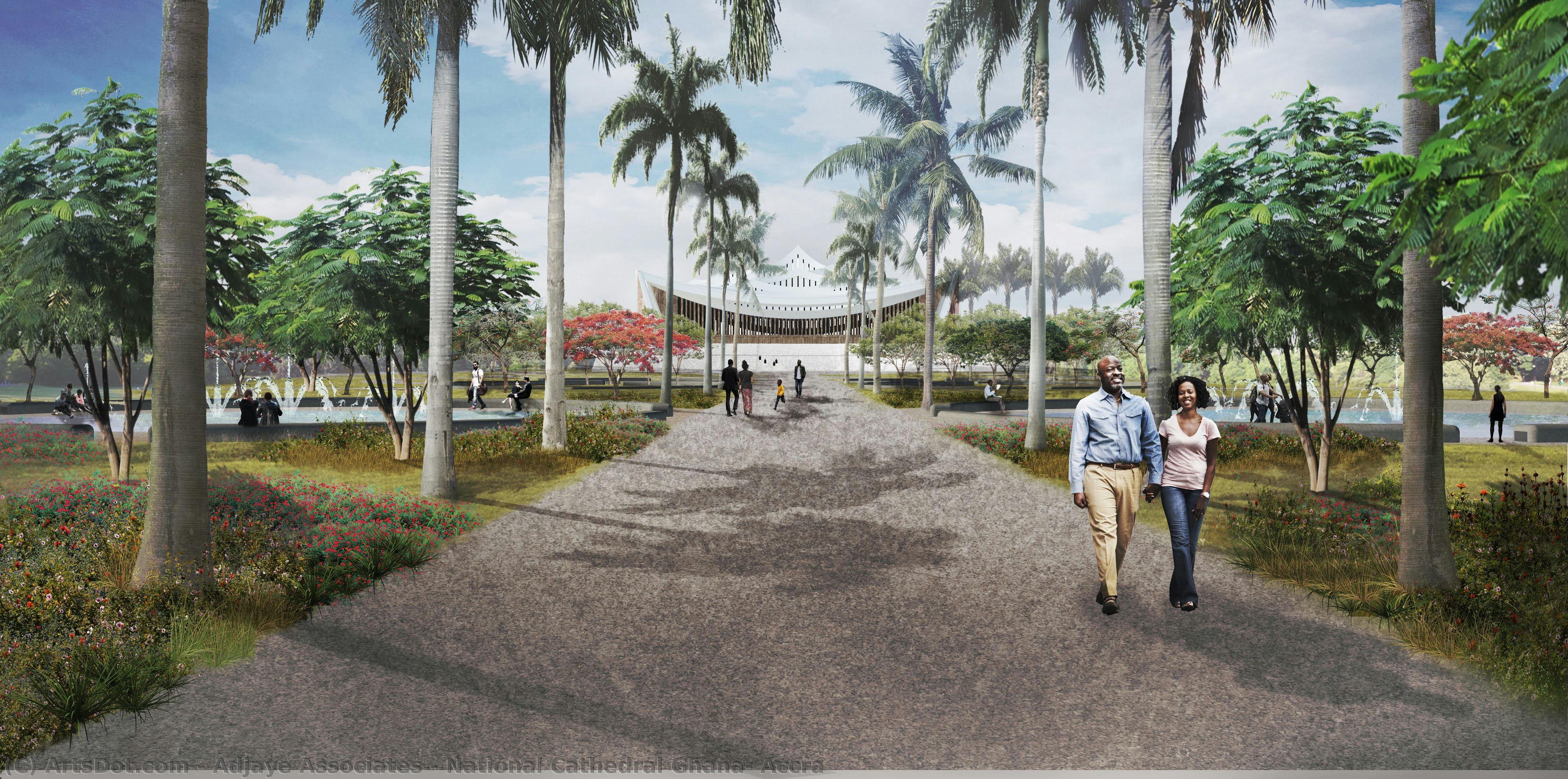
National Cathedral Ghana, Accra


 Читать далее
Приобретите цифровое изображение высокого разрешения в улучшенном качестве, которое значительно превосходит онлайн-превью.
Каждый файл тщательно подготавливается нашими специалистами с использованием передовых инструментов и экспертной ручной ретуши. Мы гарантируем исключительную четкость, точную цветопередачу и детальную проработку каждого изображения.
Финальный файл доставляется по электронной почте в течение 72 часов и оптимизирован для немедленного использования в профессиональной среде, при верстке и печати. Это тот же уровень качества, которому доверяют ведущие дизайнерские студии, издательства и галереи.
Цифровое изображение
Скачайте файл высокого разрешения для личного использования, печати и творческих проектов. ( Перейти к печати Купить картину ручной работы)
Включено в каждый заказ цифровых изображений
Гарантия экспертной цифровой доставки
Выбирая ArtsDot.com, вы получаете не просто изображение — вы приобретаете профессионально обработанное цифровое произведение искусства, созданное с безупречной точностью и под защитой гарантии качества. Вот всё, что автоматически входит в ваш заказ:

Мгновенная доставка по e-mail
Ваш цифровой файл в высоком разрешении будет отправлен вам по электронной почте в течение 72 часов после оформления заказа — и сразу станет доступен для использования.

Цифровой файл с ИИ-улучшением
Ваше произведение искусства проходит профессиональную оптимизацию с использованием передовых инструментов ИИ и ручной обработки, что гарантирует максимальную детализацию, четкость и точность цветопередачи.

Бессрочная бесплатная повторная доставка
Случайно удалили или потеряли файл? Не беспокойтесь — мы отправим его вам повторно в любое время и совершенно бесплатно.

Без импортных пошлин — навсегда
Наслаждайтесь вашим произведением искусства мгновенно без таможенных пошлин, сборов или затрат на доставку — цифровые загрузки всегда не облагаются налогом.

Гарантия точности цветопередачи
Мы гарантируем, что ваше цифровое изображение максимально точно передает оригинальные цвета благодаря использованию профессиональных инструментов и систем управления цветом.

Гарантия удовлетворенности 100 дней
Если вы не будете удовлетворены своим цифровым изображением, мы внесем правки или вернем 100% стоимости в течение 100 дней — без лишних вопросов.

100% Гарантия возврата средств
Не удовлетворены покупкой? Получите полный возврат средств в течение 100 дней после получения цифрового файла — без лишних вопросов.

Скидки на оптовые заказы
Купите 3 изображения, сэкономьте 10% — Купите 5, сэкономьте 15% — Купите 10+, сэкономьте 20%. Отличное решение для творческих проектов, галерей и агентств.
A Vibrant Tapestry of Ghanaian Life
In this evocative depiction of the National Cathedral in Accra, the viewer is transported into the rhythmic heart of Ghana. The painting serves as more than just a visual record; it is a soulful meditation on the intersection of community and environment. Through a masterful use of color and composition, the artist captures a sun-drenched street scene where the tropical warmth of West Africa feels almost palpable. Palm trees sway gracefully along the periphery, their lush fronds framing a bustling sidewalk that hums with the energy of daily existence. The scene is populated by a diverse cast of characters—solitary wanderers, lively groups engaged in quiet conversation, and a tender moment shared between a couple—all moving through a landscape that feels both intimate and expansive.
The technique employed here breathes life into every brushstroke, utilizing a vibrant palette that mirrors the radiant light of Accra. There is a remarkable sense of movement captured within the stillness of the frame; one can almost hear the distant murmur of the crowd and the rustle of leaves in the breeze. The inclusion of small, grounding details, such as a dog resting near the center-left, adds a layer of authentic realism that anchors the more sweeping tropical elements. This balance between the grand scale of the environment and the humble, fleeting moments of street life creates a composition that is both visually arresting and deeply relatable.
Symbolism and Cultural Resonance
Beyond its surface beauty, the artwork functions as a profound exploration of identity and cultural continuity. The architecture of the setting, while focusing on the atmosphere surrounding the National Cathedral, speaks to the structural and spiritual foundations of the region. The palm trees act as ancient sentinels, symbolizing resilience and the enduring nature of the African landscape. As the figures traverse the street, they represent the flowing, interconnected nature of human society—a tapestry of individual stories woven into a singular, vibrant communal experience.
For the discerning collector or interior designer, this piece offers a unique opportunity to introduce a sense of global narrative and warmth into a space. The painting does not merely decorate a wall; it invites a conversation about heritage, movement, and the beauty found in the everyday. It is an ideal centerpiece for those seeking to evoke feelings of wanderlust, cultural appreciation, and the serene joy of life in motion. Owning a high-quality reproduction of this work means bringing a fragment of Ghana's luminous spirit into one's personal sanctuary, providing a constant source of inspiration and emotional depth.
Похожие произведения




Биография художника
David Adjaye: Architect of Cultural Resonance
Sir David Adjaye, born in Dar es Salaam, Tanzania, in 1966, is more than just an architect; he’s a visionary whose work profoundly engages with history, identity, and the human experience. His journey from a childhood spent traversing continents to becoming one of the world's most celebrated designers is a testament to his unique perspective and unwavering commitment to creating spaces that are both strikingly beautiful and deeply meaningful. From humble beginnings in a Tanzanian diplomat’s family, Adjaye’s formative years were marked by constant movement – Uganda, Kenya, Ghana, Egypt, Lebanon, Saudi Arabia – an experience that instilled within him a profound appreciation for diverse cultures and architectural traditions. This global upbringing became the bedrock of his design philosophy, informing his approach to creating buildings that transcend geographical boundaries and speak to universal human needs.
A pivotal moment in Adjaye’s life occurred during his childhood when he visited his brother, Emmanuel, who was confined to a care facility. Observing the inadequate and demoralizing environment sparked within him a determination to use architecture as a force for positive change. This experience fueled his ambition to study architecture, ultimately leading him to earn degrees from London South Bank University and the Royal College of Art – institutions renowned for their radical approach to design and their nurturing of artistic talent. It was at the Royal College that Adjaye encountered a vibrant community of young British artists, known as YBAs (Young British Artists), who were challenging conventional notions of art and pushing creative boundaries. This exposure profoundly influenced his own work, fostering a spirit of experimentation and a willingness to embrace unconventional materials and forms.
Early Career & Defining Projects
Adjaye’s early career was characterized by a rapid ascent, marked by a series of increasingly ambitious projects that established his reputation for innovation and bold design. Initially working in architectural firms, he quickly distinguished himself with his ability to seamlessly blend form and function, creating spaces that were both aesthetically compelling and highly practical. A significant turning point came with the design of the Idea Stores – two groundbreaking public libraries in London’s East End. These weren't simply repositories for books; they were conceived as vibrant community hubs, incorporating flexible spaces for learning, socializing, and cultural events. The Idea Stores demonstrated Adjaye’s commitment to redefining the role of public buildings, transforming them into dynamic centers of social interaction.
His international profile truly ascended with the design of the Smithsonian National Museum of African American History and Culture in Washington, D.C., a project that stands as a monumental achievement in contemporary architecture. Completed in 2016, the museum’s striking façade – a layered composition of bronze, glass, and limestone – immediately captures attention, while its interior spaces evoke a sense of both solemnity and celebration. The building's design is deeply rooted in African architectural traditions, incorporating elements such as rhythmic patterns, natural light, and open-plan layouts to create an immersive experience for visitors. The museum’s success solidified Adjaye’s position as a leading architect with a unique ability to engage with complex cultural narratives through his work.
Materials, Light & Cultural Narrative
A defining characteristic of Adjaye's architectural style is his masterful manipulation of materials and light. He frequently employs unconventional combinations – bronze, glass, limestone, timber – creating surfaces that are both tactile and visually arresting. His use of light is equally deliberate, carefully considered to enhance the spatial qualities of a building and evoke specific emotions. In the National Museum of African American History and Culture, for example, Adjaye utilizes a sophisticated system of skylights and clerestory windows to flood the interior with natural light, creating a sense of openness and transparency that reflects the museum’s mission of celebrating African American heritage.
Beyond mere aesthetics, Adjaye's designs are deeply informed by cultural narrative. He meticulously researches the history, traditions, and values of the communities he serves, incorporating these insights into his architectural language. His work is not simply about creating beautiful buildings; it’s about telling stories, preserving legacies, and fostering a sense of belonging. This commitment to cultural resonance is evident in projects such as the National Cathedral Ghana, Accra, where Adjaye sought to create a space that honors Ghanaian traditions while embracing modern design principles.
Recognition & Legacy
David Adjaye’s contributions to architecture have been widely recognized with numerous prestigious awards and accolades. He was knighted in 2017 for his services to architecture, and received the Royal Gold Medal in 2021 – a distinction awarded only once every five years and considered one of the highest honors in British architecture. In 2022, he was appointed to the Order of Merit, further cementing his status as a national treasure. His work has been exhibited internationally and featured in leading architectural publications.
Adjaye’s influence extends far beyond the buildings he designs. He is a sought-after speaker and mentor, inspiring a new generation of architects and designers to embrace creativity, innovation, and social responsibility. His legacy will undoubtedly continue to shape the landscape of architecture for decades to come, as his work serves as a powerful reminder of the transformative potential of design.

adjaye associates
1966 -