

 Поделиться
 Поделиться
 Детали произведения

 Скачать
 Похожие работы
 Слайд-шоу
 Статистика
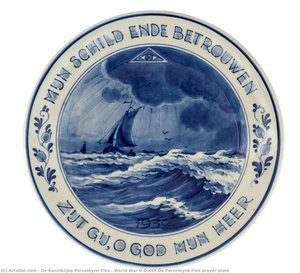
Dutch Delft Wilhelmina Jubilee Plate
 Ceramic
- Sculpture
- Arts & Crafts
 1850
1850- 19th Century
 23.0 x 2.0 cm
 University of Pretoria Museums
 Читать далее
Масляная репродукция ручной работы
Картина маслом на холсте в выбранном вами размере и раме, написанная на заказ нашими художниками. ( Перейти к печати Перейти к цифровым изображениям)




































Выберите один из наших стандартных размеров, соответствующих оригинальным пропорциям произведения искусства.

Вы можете указать собственные размеры, чтобы картина идеально вписалась в выбранную раму или пространство. Если выбранный вами размер не соответствует пропорциям оригинала, мы либо обрежем полотно, либо расширим его за счет дополнительных элементов, написанных вручную. Цифровой макет будет отправлен вам на утверждение перед началом производства.
Обратите внимание, что предварительный просмотр на экране не отражает фактическую обрезку или расширение. Только макет точно покажет окончательную композицию.
Хотя доступны индивидуальные размеры, мы рекомендуем выбирать вариант из предопределенного списка, чтобы сохранить исходные пропорции.
После оформления заказа команда ArtsDot.com свяжется с клиентом по электронной почте для уточнения деталей и предоставит предварительный макет
Доставка по всему миру () за 3–4 недели вместо стандартных 5 недель. (13 Сентябрь). Без компромиссов в качестве.

Бесплатная экспресс-доставка по всему миру

Высококачественный льняной холст

Полное страхование доставки

Гарантия возмещения таможенных пошлин

Гарантия точного соответствия цветов

100-дневная политика возврата (только при обнаружении дефектов)

Гарантия возврата 100% средств

Предложение оптовых скидок
 Вариант со стеклом доступен только для размеров менее 110 см

Dutch Delft Wilhelmina Jubilee Plate
Техника репродукции
Размер репродукции
-


Итоговая стоимость
$ 263
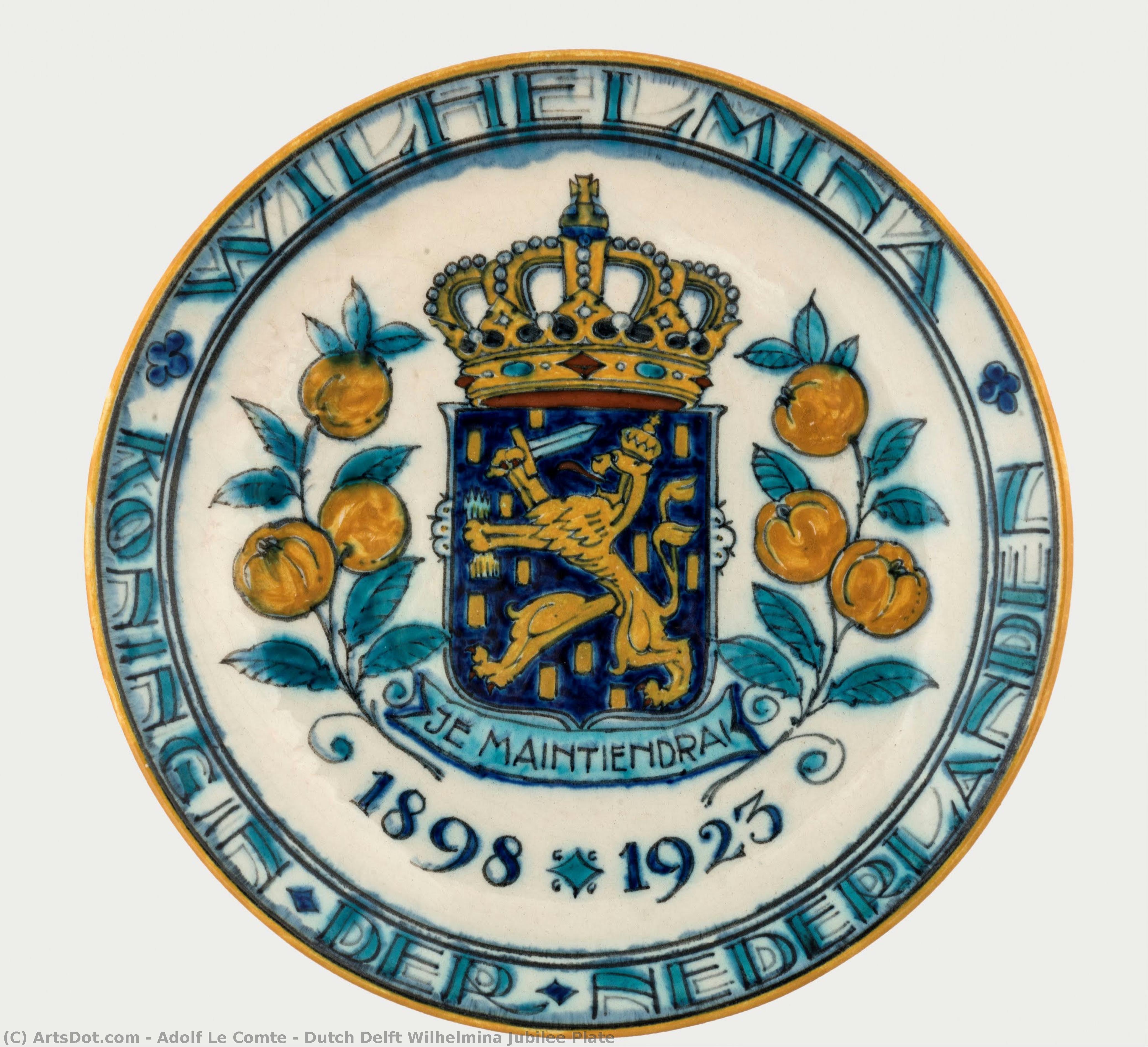
A Royal Tribute in Blue and White
In the delicate dance of cobalt pigment upon glazed ceramic, the Dutch Delft Wilhelmina Jubilee Plate emerges as a breathtaking testament to national pride and artistic mastery. This exquisite piece, designed by the visionary Adolf le Comte, serves as more than mere tableware; it is a window into the soul of the Netherlands during a period of profound transition. The plate captures a moment of royal celebration, commemorating the twenty-five years of Queen Wilhelmina’s rule—a reign defined by her steadfast commitment to neutrality and her role as a unifying figure for her people. As one gazes upon its surface, the intricate heraldic design immediately commands attention, drawing the eye into a circular world where Dutch heritage meets the refined elegance of Persian-inspired aesthetics.
The artistry of the piece is rooted in the prestigious tradition of De Porceleyne Fles, where the meticulous application of hand-painted details creates a sense of timelessness. The composition is anchored by a central Dutch coat of arms, rendered with such precision that the strength of the lion and the majesty of the crown feel almost tactile. Surrounding this heraldic shield, stylized orange blossoms bloom in soft, rhythmic patterns, their delicate forms symbolizing both prosperity and the enduring legacy of the House of Orange. The interplay between the crisp white glaze and the deep, soulful blues creates a high-contrast brilliance that is characteristic of the finest Delftware, offering a visual depth that remains captivating even from a distance.
The Intersection of Craft and History
To understand this plate is to understand the Arts and Crafts movement through the lens of a Dutch master. Adolf le Comte, a pioneer in art pottery, sought to move away from the mass-produced, over-ornamented wares of large industrial factories, favoring instead a more soulful, intentional approach to decoration. This plate embodies that philosophy, blending East Asian ceramic influences with European heraldic traditions. The inclusion of text in both Dutch and French—notably the resolute motto ‘Je Maintient’ (I maintain)—adds a layer of intellectual sophistication, inviting the viewer to contemplate the stability and continuity of the monarchy during the turbulent years surrounding the First World and the subsequent era of peace.
For the discerning collector or interior designer, this reproduction offers an unparalleled opportunity to introduce a sense of historical gravity and classical grace into a contemporary space. The plate’s aesthetic—a harmonious blend of geometric precision and organic floral motifs—complements a variety of decor styles, from traditional European manor aesthetics to modern minimalist settings that crave a singular, conversation-starting focal point. It is not merely an object of decoration but an emotional anchor, evoking the quiet dignity of a bygone era and the enduring strength of a nation’s identity. Owning such a piece is an invitation to surround oneself with the beauty of history, meticulously preserved through the medium of fine ceramic art.
Похожие произведения

Биография художника
**a pioneer in dutch art pottery**
adolf le comte, a dutch artist born in amsterdam in 1822, left an indelible mark on the world of art pottery. his work, characterized by artistic aspirations and produced in relatively small quantities between 1870 and 1930, was part of the arts and crafts movement. this movement was a reaction to the technically superb but over-ornamented wares made by large european factories, especially in porcelain.**artistic contributions**
* **innovative ceramics**: le comte's art pottery represented the ceramic arm of the aesthetic movement and art nouveau. his work often featured earthenware or stoneware, with an interest in east asian ceramics. * **notable works**: one of his most significant works is the dutch delft wilhelmina jubilee plate, created in 1850, showcasing his mastery over ceramic art.**artistic movement and influences**
* **arts and crafts movement**: le comte's work was part of this movement, which emphasized the value of the decorative arts. * **aesthetic movement and art nouveau**: his ceramics reflected the influence of these movements, characterized by a focus on aesthetic appeal and innovative design.**legacy and availability of work**
* **ArtsDot.com**: view le comte's work, including his notable dutch delft wilhelmina jubilee plate, at [https://ArtsDot.com/@/adolf-le-comte](https://ArtsDot.com/@/adolf-le-comte). * **museum collections**: while specific museum collections are not listed here, many of le comte's works can be found in dutch museums and art institutions, reflecting his significant contribution to dutch ceramic art.- **key dates**: 1822: born in amsterdam 1884: passed away 1850: created the dutch delft wilhelmina jubilee plate
- **artistic movement**: arts and crafts, aesthetic movement, art nouveau
- **notable works**: dutch delft wilhelmina jubilee plate
- **influences**: east asian ceramics, european porcelain factories
**conclusion**
adolf le comte's legacy in art pottery is a testament to his innovative spirit and artistic vision. his work, characterized by its aesthetic appeal and technical skill, continues to inspire artists and art enthusiasts alike. explore more of le comte's works at [https://ArtsDot.com/@/adolf-le-comte](https://ArtsDot.com/@/adolf-le-comte) and delve into the world of dutch ceramic art.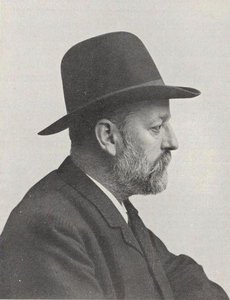
adolf le comte
1822 - 1884 , Netherlands
Основные сведения
- Artistic Movement Or Style: Animalière painting & sculpture
- Artists Or Movements Influenced By This Artist: ['Neoclassical']
- Artists Who Influenced This Artist: ['Oscar-Raymond Bonheur']
- Date Of Birth: 16 March 1822
- Date Of Death: 25 May 1899
- Full Name: Rosa Bonheur
- Nationality: French
- Notable Artworks:
- Ploughing in the Nivernais
- The Horse Fair
- Place Of Birth: Bordeaux, France
Похожие статьи

Illuminating Innovation: Exploring the Dutch Golden Age of Painting
Explore the Dutch Golden Age of painting with ArtsDot. Discover Rembrandt, Vermeer & other Masters. Learn about key characteristics, iconic artworks, and lasting influence. Expert insights for collectors & enthusiasts.

Золотой век Голландии: 10 шедевров, изменивших искусство | ArtsDot.com
Погрузитесь в эпоху Золотого века Нидерландов! 10 шедевров Рембрандта, Вермеера и других мастеров. Узнайте истории создания культовых картин и вдохновитесь для интерьера. Репродукции музейного качества на ArtsDot.com.

Golden Age Reflections: Dutch Baroque Painting & Cultural Innovation
Explore the Dutch Golden Age of painting! Discover key artists like Vermeer & ter Borch, their innovative techniques, and the rich cultural context behind these Baroque masterpieces. Learn about collecting & appreciating this iconic art period.
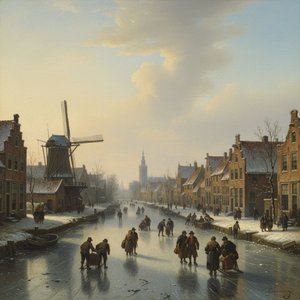
Charles Leickert: Capturing the Dutch Golden Age Light – A Comprehensive Study of Technique, Context, and Legacy
Explore the captivating winter landscapes of Charles Leickert, a master of Dutch Golden Age light & atmosphere. Discover his techniques, symbolism, and lasting legacy – a comprehensive study for art enthusiasts and collectors.
Illuminating Realism: Exploring the Dutch Golden Age of Painting (1600-1700)
Explore the Dutch Golden Age of painting (1600-1700) with ArtsDot. Discover Rembrandt, Vermeer & other masters. Learn about techniques, history & find museum-quality reproductions.