

 Предпросмотр
 Поделиться
 Поделиться
 Детали произведения

 Скачать
 Похожие работы
 Рентгенография
 Слайд-шоу
 Статистика
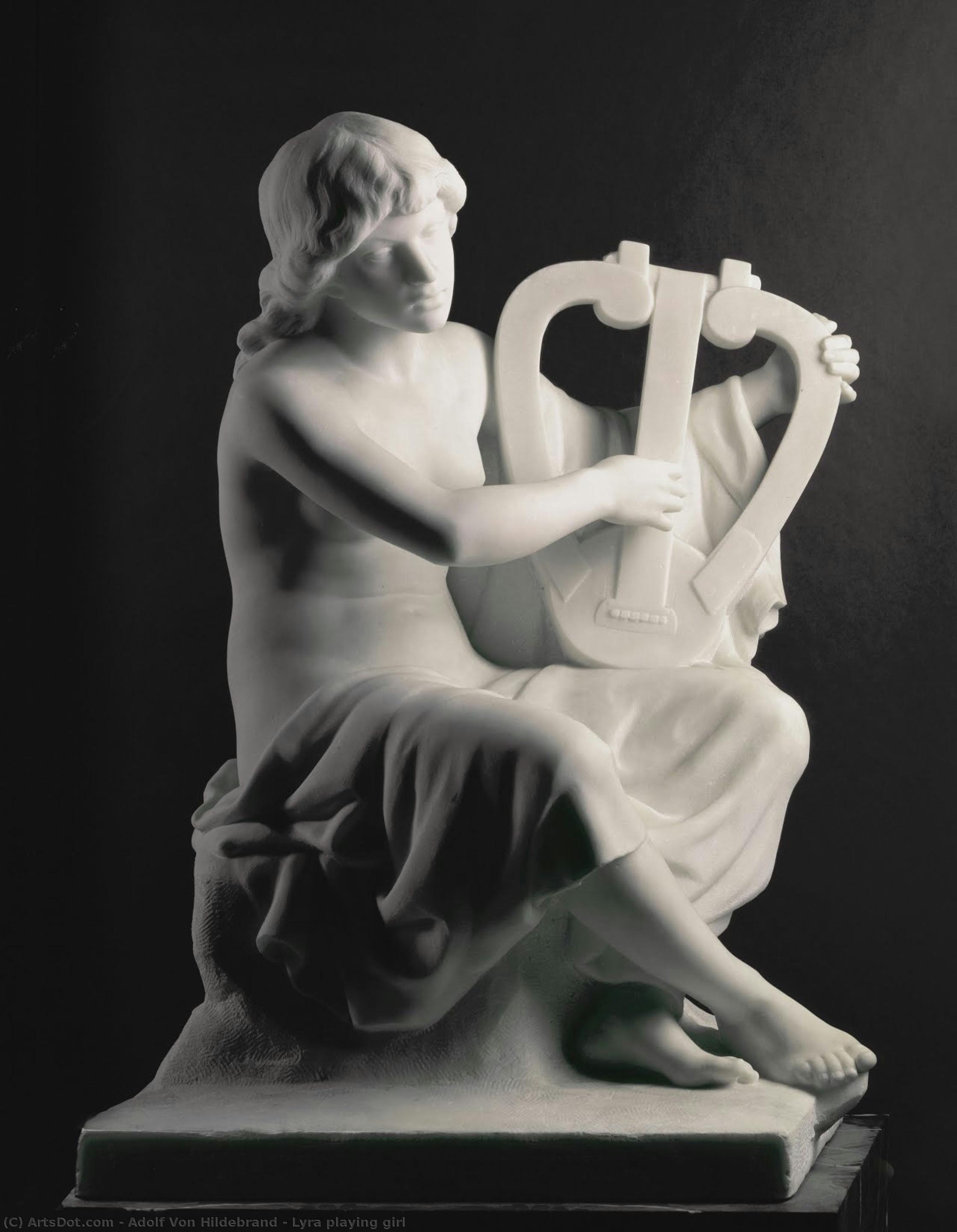
Lyra playing girl


 Читать далее
Приобретите цифровое изображение высокого разрешения в улучшенном качестве, которое значительно превосходит онлайн-превью.
Каждый файл тщательно подготавливается нашими специалистами с использованием передовых инструментов и экспертной ручной ретуши. Мы гарантируем исключительную четкость, точную цветопередачу и детальную проработку каждого изображения.
Финальный файл доставляется по электронной почте в течение 72 часов и оптимизирован для немедленного использования в профессиональной среде, при верстке и печати. Это тот же уровень качества, которому доверяют ведущие дизайнерские студии, издательства и галереи.
Цифровое изображение
Скачайте файл высокого разрешения для личного использования, печати и творческих проектов. ( Перейти к печати Купить картину ручной работы)
Включено в каждый заказ цифровых изображений
Гарантия экспертной цифровой доставки
Выбирая ArtsDot.com, вы получаете не просто изображение — вы приобретаете профессионально обработанное цифровое произведение искусства, созданное с безупречной точностью и под защитой гарантии качества. Вот всё, что автоматически входит в ваш заказ:

Мгновенная доставка по e-mail
Ваш цифровой файл в высоком разрешении будет отправлен вам по электронной почте в течение 72 часов после оформления заказа — и сразу станет доступен для использования.

Цифровой файл с ИИ-улучшением
Ваше произведение искусства проходит профессиональную оптимизацию с использованием передовых инструментов ИИ и ручной обработки, что гарантирует максимальную детализацию, четкость и точность цветопередачи.

Бессрочная бесплатная повторная доставка
Случайно удалили или потеряли файл? Не беспокойтесь — мы отправим его вам повторно в любое время и совершенно бесплатно.

Без импортных пошлин — навсегда
Наслаждайтесь вашим произведением искусства мгновенно без таможенных пошлин, сборов или затрат на доставку — цифровые загрузки всегда не облагаются налогом.

Гарантия точности цветопередачи
Мы гарантируем, что ваше цифровое изображение максимально точно передает оригинальные цвета благодаря использованию профессиональных инструментов и систем управления цветом.

Гарантия удовлетворенности 100 дней
Если вы не будете удовлетворены своим цифровым изображением, мы внесем правки или вернем 100% стоимости в течение 100 дней — без лишних вопросов.

100% Гарантия возврата средств
Не удовлетворены покупкой? Получите полный возврат средств в течение 100 дней после получения цифрового файла — без лишних вопросов.

Скидки на оптовые заказы
Купите 3 изображения, сэкономьте 10% — Купите 5, сэкономьте 15% — Купите 10+, сэкономьте 20%. Отличное решение для творческих проектов, галерей и агентств.
Похожие произведения
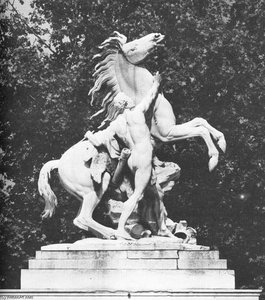
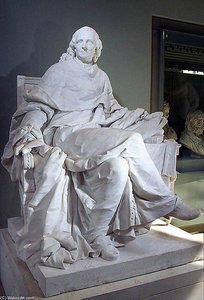
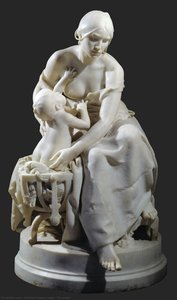
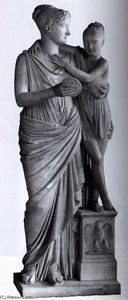
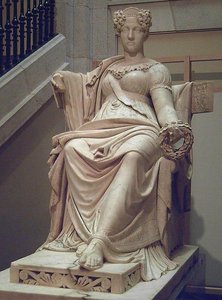
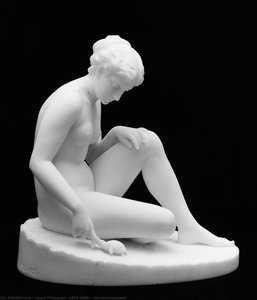
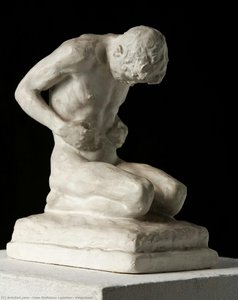
Биография художника
The Architect of Form: The Life and Legacy of Adolf von Hildebrand
In the grand tapestry of nineteenth-century European art, few figures loom as intellectually imposing or aesthetically refined as Adolf von Hildebrand. Born in 1847 in the scholarly atmosphere of Marburg, Germany, Hildebrand was destined for a life where rigorous thought and visual beauty would intertwine. The son of the esteemed economist Bruno Hildebrand, his upbringing was steeped in an environment that valued precision, logic, and the pursuit of fundamental truths. This intellectual foundation would later manifest not in economic treatises, but in a revolutionary approach to sculpture that sought to define the very essence of three-dimensional form.
Hildebrand’s artistic journey began with formal training at the Academy of Fine Arts in Nuremberg and continued under the guidance of Rudolf Siemering in Munich. Yet, it was his profound connection to Italy that would ultimately forge his creative identity. Moving to Florence in 1872, he found himself immersed in the cradle of the Renaissance. Living within the quietude of the St Francesco Monastery, Hildebrand did not merely observe the works of antiquity; he entered into a deep, philosophical dialogue with them. The elegance of Florentine sculpture and the balanced proportions of Greek and Roman masters became his primary teachers, instigating a lifelong devotion to the principles of classical grace.
The Philosophy of Form and Artistic Vision
What truly distinguished Hildebrand from his contemporaries was his refusal to view sculpture as mere ornamentation. He approached the medium with the mind of a theorist, a conviction most famously articulated in his seminal 1893 treatise, Das Problem der Form in der bildenden Kunst (The Problem of Form in Painting and Sculpture). In this work, he argued that the true power of art lies in its ability to transcend surface decoration through the mastery of form. For Hildebrand, form was a vehicle for profound emotion and intellectual clarity, a structural language that could communicate universal truths without the need for excessive realism or dramatic artifice.
This theoretical rigor informed every chisel stroke. He championed a style that emphasized the "plastic" quality of sculpture—the way light interacts with volume and how a shape maintains its integrity from every conceivable angle. His work avoided the fleeting, hyper-realistic details of much nineteenth-century realism, opting instead for a distilled, monumental permanence. By focusing on the essential relationships between mass and space, he bridged the gap between the classical traditions of the past and the burgeoning modernism of his era.
Monumental Achievements and Lasting Significance
The physical manifestations of Hildebrand’s genius are scattered across the European landscape, serving as enduring landmarks of civic pride and artistic excellence. His ability to command large-scale public spaces is evident in his monumental fountains and the imposing Bismarck Monument in Bremen, works that possess a rhythmic strength and a sense of timelessness. These structures do not merely occupy space; they define it, bringing the sophisticated aesthetic of the studio into the heart of the urban environment.
Hildebrand’s influence extended far beyond his own hands. As a theorist, he provided a much-needed intellectual framework for sculptors navigating the transition into the twentieth century. His legacy is characterized by several key contributions:
- The Elevation of Sculpture as Thought: He transformed the perception of the sculptor from a craftsman to an intellectual artist capable of profound philosophical expression.
- Classical Reinterpretation: He successfully revitalized neoclassical principles, stripping them of academic stiffness and infusing them with a modern sense of structural clarity.
- The Mastery of Surface and Light: His technical focus on how form captures light revolutionized the way artists approached the tactile qualities of marble and bronze.
When Adolf von Hildebrand passed away in 1921, he left behind more than just a collection of breathtaking monuments; he left a redefined vocabulary for the sculptural arts. Through his unwavering commitment to the integrity of form, he ensured that the dialogue between antiquity and modernity would continue to resonate through the ages.
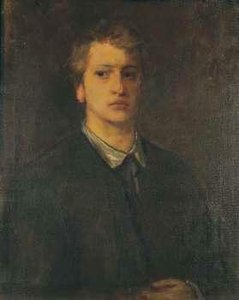
adolf von hildebrand
1847 - 1921 , Germany
Основные сведения
- Artistic Movement Or Style: Neoclassical
- Date Of Birth: Marburg, Germany (1847)
- Date Of Death: 1921
- Full Name: Adolf von Hildebrand
- Nationality: German
- Notable Artworks:
- Lyra Playing Girl
- Resting Shepherd Boy
- Lute Playing Girl
- Place Of Birth: Marburg