

 Предпросмотр
 Поделиться
 Поделиться
 Детали произведения

 Скачать
 Похожие работы
 Рентгенография
 Слайд-шоу
 Статистика
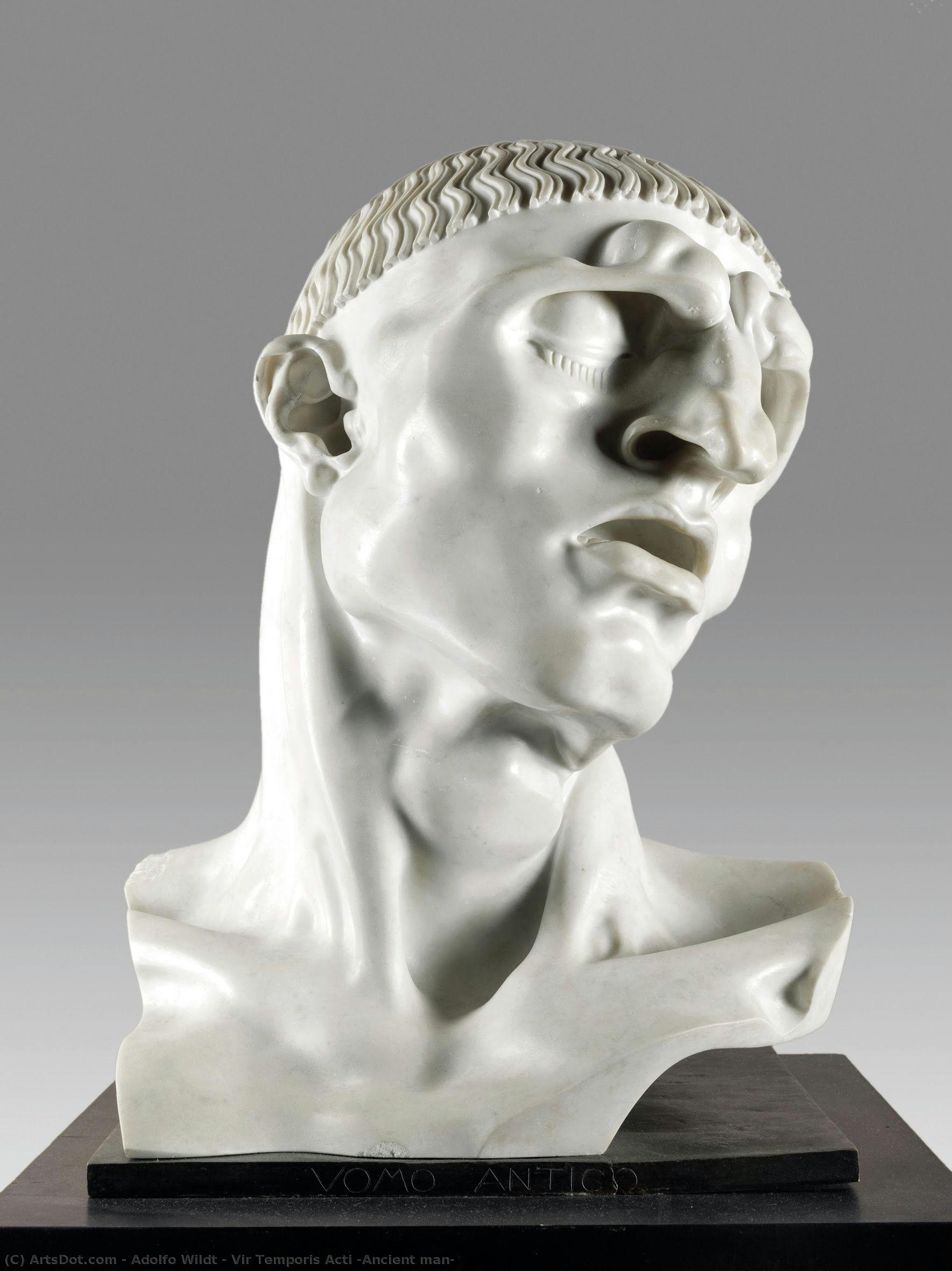
Vir Temporis Acti (Ancient man)
 Acrylic On Canvas
- WallArt
- Classical Realism
 40.0 x 56.0 cm
 Galleria d'Arte Moderna
 Читать далее
Жикле / Арт-принт
Печать (жикле) или холст музейного качества с быстрыми сроками изготовления и широким выбором вариантов отделки. ( Купить картину ручной работы Перейти к цифровым изображениям)




P118B $10

P118H $10

P118W $10

P438Z $10

P508JH $12

P508YH $12

P805H $10

P805Z $10

P919BZ $10

P919G $10

P919XJ $10

P959ZH $10

P968JZ $12

W106C $8

W218G $10

W218JH $8

W218Y $10

W307PJ $10

W316G $10

W316PJ $8

W316Y $10

W398PJ $8

W4111J $10

W500HY $15

W500JH $15

W692G $12

W849H $8

W940BG $15

W953PJ $8




Выберите один из наших стандартных размеров, соответствующих оригинальным пропорциям произведения искусства.

Вы можете указать свои собственные размеры, чтобы репродукция идеально подошла под конкретную раму или пространство. Если выбранный вами размер не будет соответствовать пропорциям оригинала, мы либо обрежем произведение, либо дополним изображение зеркальным отражением краев или однотонной заливкой. Перед началом производства вам будет отправлен цифровой макет для утверждения.
Пожалуйста, обратите внимание, что предварительный просмотр на экране не отображает фактическую обрезку или расширение изображения. Только макет точно покажет финальную композицию.
Несмотря на возможность заказа индивидуальных размеров, мы рекомендуем выбирать размер из предопределенного списка, чтобы сохранить оригинальные пропорции.
Доставка по всему миру () за 2 недели вместо стандартных 4/5 недель. (11 Сентябрь)

Бесплатная экспресс-доставка по всему миру

Высококачественный льняной холст

Полное страхование доставки

Гарантия возмещения таможенных пошлин

Гарантия точного соответствия цветов

100-дневная политика возврата (только при обнаружении дефектов)

Гарантия возврата 100% средств

Предложение оптовых скидок
 Вариант со стеклом доступен только для размеров менее 110 см

Vir Temporis Acti (Ancient man)
Жикле / Арт-принт
Размер репродукции
-


Итоговая стоимость
$ 62
Vir Temporis Acti (Ancient Man): A Symphony of Sorrow and Resilience
The sculpture "Vir Temporis Acti," or “Ancient Man,” created by Adolfo Wildt in 1914, stands as a poignant testament to the artist’s fascination with classical ideals intertwined with the expressive fervor of the Secessionist movement. Commissioned for Franz Rose, a wealthy German patron who championed avant-garde art, this marble bust transcends mere representation; it embodies a profound meditation on mortality and the enduring spirit of human suffering—themes central to Wildt's artistic vision throughout his career. Lost during World War II, its current whereabouts remain elusive, yet reproductions continue to captivate audiences worldwide, offering a glimpse into Wildt’s masterful technique and intellectual depth.A Reverie of Michelangelo and Antiquity
Wildt’s inspiration stemmed from an unwavering admiration for Michelangelo's sculptures—particularly “David”—and the idealized nude figures prevalent in Roman art. He sought to recapture this monumental grandeur while simultaneously injecting it with a distinctly modern sensibility. The sculpture’s deliberate positioning, mirroring Michelangelo’s approach, reflects Wildt’s desire to honor artistic heritage while forging new paths of expression. This duality is palpable in every detail—from the meticulous modeling of musculature to the subtle drapery folds that convey movement and dynamism.Technique and Material: Subtracting Beauty from Marble
Wildt employed a subtractive sculpting method, painstakingly removing material from a larger block of Carrara marble to reveal the form beneath. This technique demanded immense patience and precision—a characteristic evident in the sculpture’s astonishing realism. The artist meticulously studied anatomical structures, dissecting cadavers to gain an unparalleled understanding of human musculature. He achieved this level of detail through painstaking observation and relentless experimentation, resulting in a surface texture that captures the subtle nuances of skin wrinkles and folds with breathtaking accuracy. The cool luminescence of white marble serves as both a visual anchor and symbolic representation of purity and contemplation—a deliberate choice reflecting Wildt’s artistic ethos.Symbolism: Sacrifice and Eternal Remembrance
The sculpture depicts a soldier, frozen in an agonizing posture—he strikes himself with a staff, symbolizing self-inflicted pain and the acceptance of inevitable defeat. However, this depiction is not merely bleak; it carries a powerful message of resilience and nobility. The staff represents the burden of responsibility and the courage to confront suffering head-on—a motif echoing throughout Western art history as an emblem of fortitude and spiritual transcendence. Wildt’s intention was to evoke contemplation on the human condition—to remind viewers that even in moments of despair, beauty and dignity can endure.Emotional Resonance: A Portrait of Timeless Sorrow
“Vir Temporis Acti” possesses a palpable emotional resonance—a profound sense of sorrow conveyed through the subject's furrowed brow, downturned mouth, and partially closed eyes. The sculpture’s gaze is fixed downward, suggesting introspection and acceptance of fate. Wildt skillfully captures this psychological depth, transforming marble into an instrument of expressive pathos. It stands as a timeless reminder of humanity’s vulnerability and its capacity for profound emotion—a testament to Wildt's enduring legacy as one of Italy’s foremost sculptors of the early 20th century.Похожие произведения


Биография художника
Adolfo Wildt (1868–1931): Bridging Romanticism & Modernism
Adolfo Wildt, born in Milan on March 1st, 1868, to a Swiss family who had embraced Lombardy as their new home, stands as an extraordinary figure in Italian sculpture—a sculptor who deftly navigated the turbulent currents of artistic transition between Romanticism and Modernism. His life’s journey was characterized by initial hardship tempered by unwavering dedication; he entered the world not within the gilded halls of academia but amidst the demanding realities of labor. Leaving school at the tender age of nine, Wildt’s formative years saw him apprenticed first as a hairdresser, then as a goldsmith—experiences that instilled in him an unparalleled attention to detail and a nascent understanding of form – qualities that would permeate his entire artistic career.Early Life & Apprenticeships: From Hairdressing to Marble
Leaving formal schooling early, Wildt’s initial professional pursuits were practical yet formative. His apprenticeship as a hairdresser honed his dexterity and precision, while his subsequent role as a goldsmith cultivated an appreciation for craftsmanship and textural nuance. However, it was his encounter with Giuseppe Grandi—a sculptor deeply rooted in the Scapigliatura movement—that irrevocably altered the trajectory of his artistic development. Under Grandi’s tutelage, Wildt mastered the formidable art of sculpting marble, establishing a bedrock of technical skill that would underpin his subsequent achievements. This early exposure to sculptural technique proved pivotal, shaping his aesthetic sensibilities and preparing him for the challenges ahead.The Influence of Giuseppe Grandi & The Scapigliatura Movement
Giuseppe Grandi’s mentorship wasn't merely about imparting skills; it instilled in Wildt a profound appreciation for expressive sculpture—a style that prioritized emotional depth alongside meticulous execution. Grandi, a champion of the Scapigliatura movement, encouraged experimentation and challenged conventional artistic norms, fostering an environment where Wildt could cultivate his own distinctive vision. The Scapigliatura’s rejection of academic formalism resonated deeply with Wildt's sensibilities, propelling him toward a style characterized by dynamism and psychological complexity.Patronage & Recognition: Franz Rose & Artistic Breakthrough
A transformative agreement arrived in 1894 when Wildt secured the unwavering support of Franz Rose—a Prussian collector whose discerning taste and considerable financial resources provided invaluable backing for his artistic endeavors. For eighteen years, Rose championed Wildt’s work, granting him freedom from commercial pressures and allowing him to immerse himself entirely in his creative pursuits. This patronage enabled Wildt to participate regularly in exhibitions across Europe – Milan, Munich, Zurich, Berlin, and Dresden – introducing his groundbreaking sculptures to a global audience and securing critical acclaim. Notably, Adolf von Hildebrand and Auguste Rodin recognized Wildt’s innovative approach to marble, praising his ability to achieve an almost ethereal transparency within the stone—a feat that distinguished him from many of his contemporaries.Sculptural Style & Themes: Gothic Forms & Emotional Intensity
Wildt's sculptural style is instantly recognizable for its fusion of Romanticism and Modernist sensibilities. He favored gothic forms imbued with dramatic lighting, reflecting a preoccupation with psychological depth and conveying profound emotional intensity. His sculptures explore themes of faith, sorrow, and the human condition—subjects that grapple with existential questions and evoke contemplation on mortality. The recurring motif of veiled faces or obscured features in his work adds another layer of mystery and invites viewers to project their own emotions onto the sculpted forms – a technique that underscores Wildt’s commitment to conveying complex psychological states. His most celebrated pieces, such as *Fulcieri Paulucci de’ Calboli*, *Saint Lucia*, *St. Francis of Assisi*, and *Mask of Sorrow*, exemplify this expressive style and solidify his legacy as one of the foremost sculptors of his time.Legacy & Influence: A Teacher & The Brera Academy
Wildt's contribution extended beyond individual masterpieces; he established his own Marble School in Milan in 1921, prioritizing traditional techniques honed over years of experience—a testament to his belief in preserving artistic heritage. Recognizing the importance of passing on knowledge and fostering talent, Wildt ensured that his influence would endure through generations of aspiring sculptors by integrating his school into the Brera Academy as a three-year course. Among his most notable pupils were Lucio Fontana, Fausto Melotti, and Luigi Broggini—artists who would themselves become leading figures in Italian Modernism – demonstrating Wildt’s enduring impact on the artistic landscape of the 20th century. Adolfo Wildt passed away peacefully in Milan on March 12th, 1931, leaving behind a body of work that continues to inspire and provoke reflection today—a sculptor who bridged eras and cemented his place as an icon of Italian art history.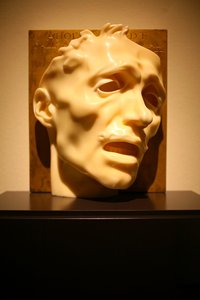
Адolfo Wildт
1868 - 1931 , Италия
Основные сведения
- Artistic Movement Or Style: Романтизм и Модернизм
- Artists Or Movements Influenced By This Artist: ['Луиджи Броггини']
- Artists Who Influenced This Artist:
- Джузеппе Гранди
- Федерико Вилла
- Date Of Birth: 1 марта 1868 г.
- Date Of Death: 12 марта 1931 г.
- Full Name: Adolfo Wildt
- Nationality: Итальянский
- Notable Artworks:
- Фулчери Паулуччи де’ Кальболи
- Святая Люция
- Святой Франциск Ассизский
- Place Of Birth: Милан, Италия
Похожие статьи

The Enduring Form: Sculpture Across History, Technique & Emotional Resonance
Explore the rich history of sculpture with ArtsDot. Discover key techniques, influential artists & investment potential for discerning collectors. Expert insights into valuing and collecting timeless masterpieces.
The Enduring Allure of Marble in Art History: From Classical Sculpture to Modern Abstraction
Explore the captivating history of marble sculpture from ancient Greece to modern art. Discover renowned artists like Canova & Michelangelo, carving techniques, and investment insights at ArtsDot.

10 легендарных бронзовых скульптур, изменивших искусство навсегда | ArtsDot
Погрузитесь в мир великих бронзовых скульптур! От Давида Микеланджело до работ Родена – история искусства, техники и вдохновения. Купите репродукции шедевров для вашего интерьера на ArtsDot.com

The Enduring Form: Exploring Themes & Techniques in Sculpture Across Historical Periods
Explore the rich history of sculpture from ancient masterpieces to contemporary innovations. Discover key techniques, influential artists & investment potential for discerning art collectors.
The Enduring Legacy of Marble: A Comprehensive Exploration of Technique, Symbolism & Artistic Expression
Explore the rich history of marble sculpture from antiquity to the Renaissance! Discover key techniques, influential artists & enduring themes in classical art. Expert insights for collectors and enthusiasts at ArtsDot.