

 Предпросмотр
 Поделиться
 Поделиться
 Детали произведения

 Скачать
 Похожие работы
 Рентгенография
 Слайд-шоу
 Статистика
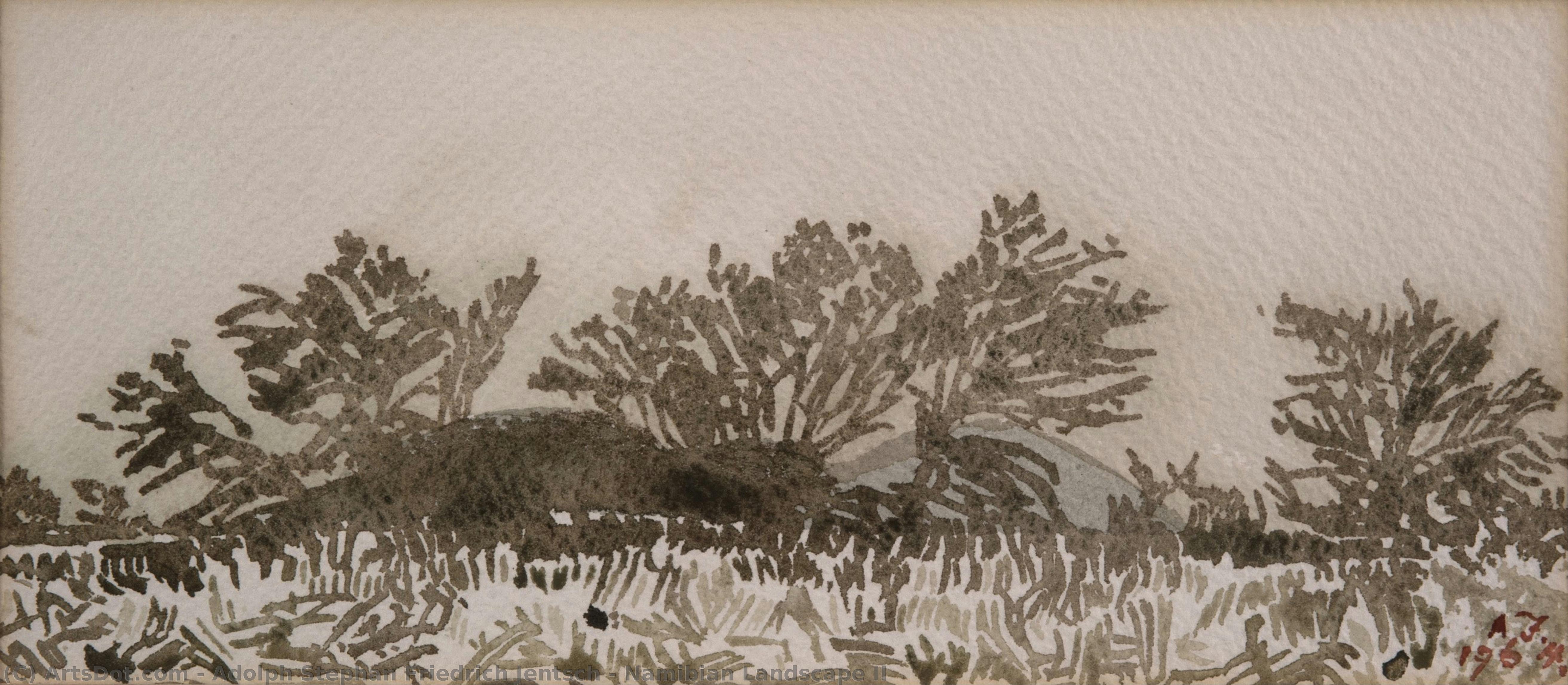
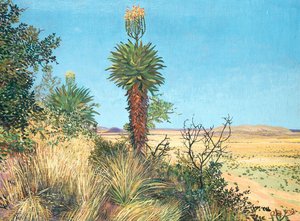
Namibian Landscape II
 1964
1964 13.0 x 32.0 cm
 University of Pretoria Museums
 Читать далее
Приобретите цифровое изображение высокого разрешения в улучшенном качестве, которое значительно превосходит онлайн-превью.
Каждый файл тщательно подготавливается нашими специалистами с использованием передовых инструментов и экспертной ручной ретуши. Мы гарантируем исключительную четкость, точную цветопередачу и детальную проработку каждого изображения.
Финальный файл доставляется по электронной почте в течение 72 часов и оптимизирован для немедленного использования в профессиональной среде, при верстке и печати. Это тот же уровень качества, которому доверяют ведущие дизайнерские студии, издательства и галереи.
Цифровое изображение
Скачайте файл высокого разрешения для личного использования, печати и творческих проектов. ( Перейти к печати Купить картину ручной работы)
Включено в каждый заказ цифровых изображений
Гарантия экспертной цифровой доставки
Выбирая ArtsDot.com, вы получаете не просто изображение — вы приобретаете профессионально обработанное цифровое произведение искусства, созданное с безупречной точностью и под защитой гарантии качества. Вот всё, что автоматически входит в ваш заказ:

Мгновенная доставка по e-mail
Ваш цифровой файл в высоком разрешении будет отправлен вам по электронной почте в течение 72 часов после оформления заказа — и сразу станет доступен для использования.

Цифровой файл с ИИ-улучшением
Ваше произведение искусства проходит профессиональную оптимизацию с использованием передовых инструментов ИИ и ручной обработки, что гарантирует максимальную детализацию, четкость и точность цветопередачи.

Бессрочная бесплатная повторная доставка
Случайно удалили или потеряли файл? Не беспокойтесь — мы отправим его вам повторно в любое время и совершенно бесплатно.

Без импортных пошлин — навсегда
Наслаждайтесь вашим произведением искусства мгновенно без таможенных пошлин, сборов или затрат на доставку — цифровые загрузки всегда не облагаются налогом.

Гарантия точности цветопередачи
Мы гарантируем, что ваше цифровое изображение максимально точно передает оригинальные цвета благодаря использованию профессиональных инструментов и систем управления цветом.

Гарантия удовлетворенности 100 дней
Если вы не будете удовлетворены своим цифровым изображением, мы внесем правки или вернем 100% стоимости в течение 100 дней — без лишних вопросов.

100% Гарантия возврата средств
Не удовлетворены покупкой? Получите полный возврат средств в течение 100 дней после получения цифрового файла — без лишних вопросов.

Скидки на оптовые заказы
Купите 3 изображения, сэкономьте 10% — Купите 5, сэкономьте 15% — Купите 10+, сэкономьте 20%. Отличное решение для творческих проектов, галерей и агентств.
Похожие произведения





Биография художника
Vincent van Gogh: A Life Painted in Light and Shadow
Vincent van Gogh, a name synonymous with passionate intensity and groundbreaking artistic vision, remains one of the most recognizable figures in art history. Born in 1853 in Groot-Zundert, Netherlands, his life was tragically short – just thirty-seven years – yet within that brief span, he produced over two thousand works: paintings, drawings, and prints that continue to captivate audiences with their raw emotion, vibrant colors, and innovative techniques. More than simply a painter, Van Gogh was a revolutionary who fundamentally altered the course of Western art, paving the way for Expressionism and profoundly influencing generations of artists to come.
Van Gogh’s early life offered little indication of the turbulent artistic journey that lay ahead. He initially pursued studies in theology at the Protestant Theological Seminary in Amsterdam, but quickly found himself disillusioned with the rigid structure and lack of connection to the world outside. Following a brief stint as an art dealer in The Hague, he attempted to sell religious images in Paris, a period marked by financial instability and personal struggles. It was during this time that he began to seriously dedicate himself to painting, initially producing dark, somber works reflecting his own feelings of isolation and despair. These early pieces, characterized by muted tones and a sense of melancholy, foreshadowed the emotional depth that would become a hallmark of his later work.
A pivotal moment in Van Gogh’s artistic development occurred in 1886 when he moved to Paris and encountered the vibrant Impressionist and Post-Impressionist circles. He befriended artists like Henri de Toulouse-Lautrec, Émile Bernard, and Paul Gauguin, absorbing their techniques and experimenting with brighter colors and looser brushstrokes. Gauguin’s influence was particularly significant; Van Gogh adopted Gauguin's emphasis on capturing the essence of a subject rather than meticulously rendering every detail. This shift is vividly illustrated in his series of *Sunflowers*, painted during this period – bold, luminous depictions of simple flowers that radiate with an almost palpable energy.
In 1888, seeking a more tranquil environment and hoping to establish an artist’s colony, Van Gogh moved to Arles in the south of France. This period proved to be both incredibly productive and profoundly challenging for him. He painted some of his most iconic works during this time, including *The Yellow House*, *Bedroom in Arles*, and numerous landscapes bathed in the golden light of Provence. However, he also struggled with mental illness, culminating in a severe psychotic episode that resulted in the infamous mutilation of his ear. Despite these personal struggles, Van Gogh continued to paint relentlessly, driven by an almost obsessive need to capture the beauty and intensity of the world around him.
The Language of Color and Brushstroke
Van Gogh’s artistic style is instantly recognizable for its distinctive use of color and brushwork. He employed a vibrant palette – intense yellows, blues, greens, and reds – often applying paint in thick, swirling strokes that created a sense of movement and texture. This technique, known as impasto, not only added visual interest but also conveyed the artist’s emotional state, imbuing his paintings with an almost palpable energy. Unlike the smooth surfaces favored by many of his contemporaries, Van Gogh deliberately left visible brushstrokes, allowing them to contribute to the overall composition and express his subjective experience.
He was fascinated by color theory, studying the works of Eugène Delacroix and exploring how colors interact with each other. He believed that color could evoke powerful emotions and used it to create a sense of atmosphere and mood in his paintings. His use of complementary colors – such as blue and orange or red and green – created dynamic contrasts and heightened visual impact. Furthermore, Van Gogh’s approach to depicting light was revolutionary. Rather than simply reflecting the natural light, he sought to capture its essence, transforming ordinary scenes into luminous expressions of emotion.
Key Works and Influences
Among Van Gogh's most celebrated works are *The Starry Night* (1889), a swirling depiction of the night sky above Saint-Rémy; *Wheatfield with Crows* (1890), a brooding landscape filled with ominous shadows; and *Self-Portrait with Bandaged Ear* (1889), a poignant reflection on his own suffering. His series of portraits, including those of *The Postman Joseph Roulin*, capture the dignity and humanity of ordinary people. His landscapes, particularly those painted in Arles and Saint-Rémy, are characterized by their vibrant colors, dynamic brushwork, and emotional intensity.
Beyond Impressionism and Post-Impressionism, Van Gogh was influenced by Japanese prints, which he collected avidly and studied with great interest. The flattened perspective, bold outlines, and simplified forms of these prints profoundly impacted his own artistic style. He also drew inspiration from the works of religious painters like Hieronymus Bosch and Rembrandt, incorporating elements of symbolism and emotional intensity into his paintings.
A Legacy of Passion and Innovation
Despite dying in relative obscurity at the age of 37, Vincent van Gogh’s legacy has grown exponentially over time. His work was largely ignored during his lifetime but gained recognition posthumously, becoming one of the most beloved and influential in art history. His paintings are now housed in major museums around the world, attracting millions of visitors each year. Van Gogh's innovative use of color, brushwork, and emotional expression paved the way for Expressionism and profoundly influenced countless artists who followed.
More than just a painter, Van Gogh was a visionary whose life and work embody themes of passion, struggle, and the relentless pursuit of beauty. His story continues to resonate with audiences today, reminding us of the power of art to express the deepest emotions and transform our understanding of the world around us.
adolph stephan friedrich jentsch
1888 - 1977 , Germany
Основные сведения
- Artistic Movement Or Style: Post-Impressionism
- Artists Or Movements Influenced By This Artist:
- Expressionism
- Post-Impressionism
- Artists Who Influenced This Artist:
- Eugène Delacroix
- Edgar Degas
- Paul Gauguin
- Date Of Birth: March 30, 1853
- Date Of Death: July 29, 1890
- Full Name: Vincent Willem van Gogh
- Nationality: Dutch
- Notable Artworks:
- Sunflowers
- Bedroom in Arles
- Starry Night
- Wheatfield with Crows
- Place Of Birth: Ghent, Belgium