

 Предпросмотр
 Поделиться
 Поделиться
 Детали произведения

 Скачать
 Похожие работы
 Рентгенография
 Слайд-шоу
 Статистика
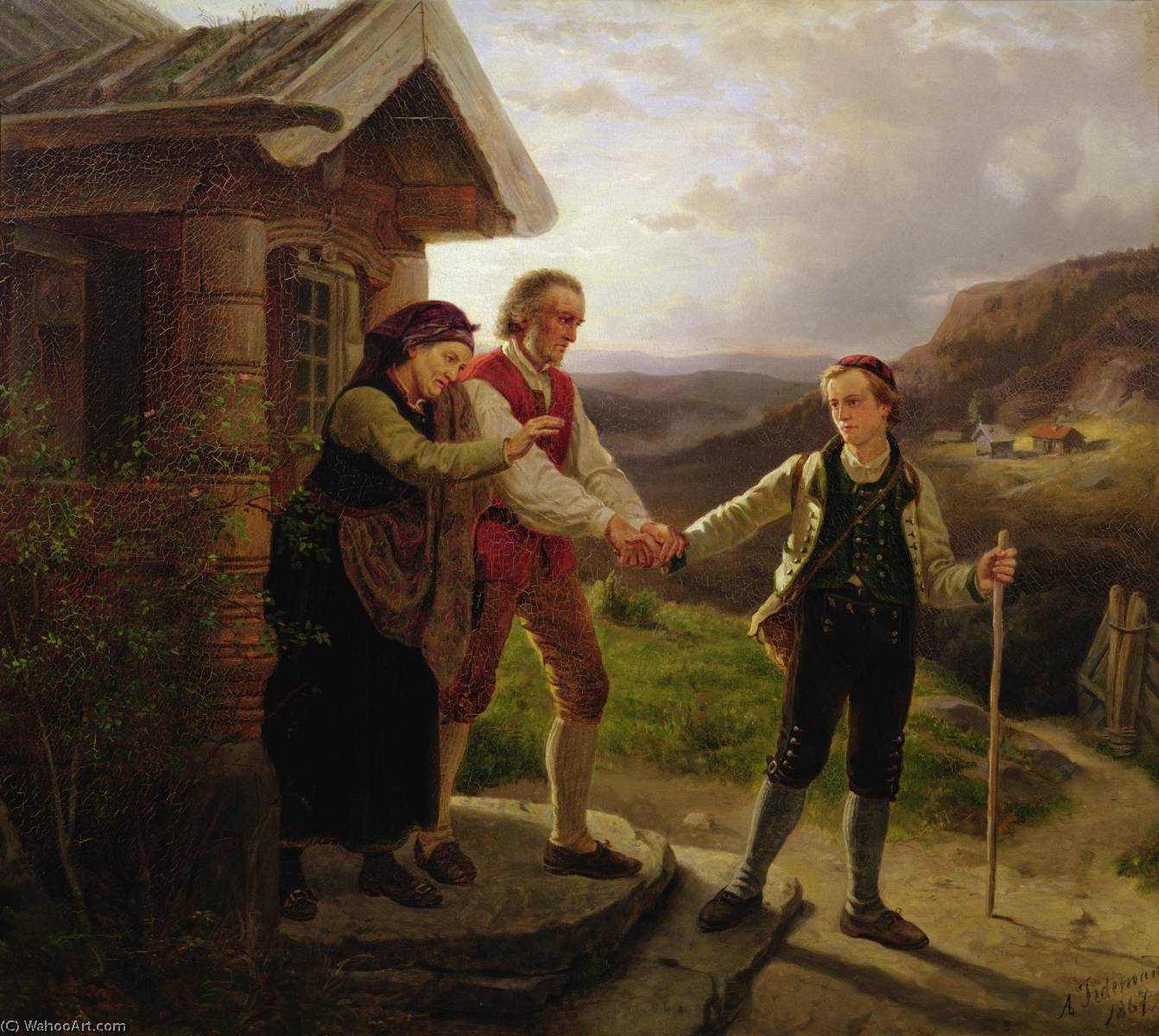
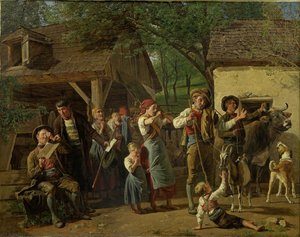
The youngest son's farewell
 Oil
Oil- WallArt
- Romanticism
 1867
1867- 19th Century
 82.0 x 71.0 cm
 Bergen Kunstmuseum
 Читать далее
Жикле / Арт-принт
Печать (жикле) или холст музейного качества с быстрыми сроками изготовления и широким выбором вариантов отделки. ( Купить картину ручной работы Перейти к цифровым изображениям)




































Выберите один из наших стандартных размеров, соответствующих оригинальным пропорциям произведения искусства.

Вы можете указать свои собственные размеры, чтобы репродукция идеально подошла под конкретную раму или пространство. Если выбранный вами размер не будет соответствовать пропорциям оригинала, мы либо обрежем произведение, либо дополним изображение зеркальным отражением краев или однотонной заливкой. Перед началом производства вам будет отправлен цифровой макет для утверждения.
Пожалуйста, обратите внимание, что предварительный просмотр на экране не отображает фактическую обрезку или расширение изображения. Только макет точно покажет финальную композицию.
Несмотря на возможность заказа индивидуальных размеров, мы рекомендуем выбирать размер из предопределенного списка, чтобы сохранить оригинальные пропорции.
Доставка по всему миру () за 2 недели вместо стандартных 4/5 недель. (11 Сентябрь)

Бесплатная экспресс-доставка по всему миру

Высококачественный льняной холст

Полное страхование доставки

Гарантия возмещения таможенных пошлин

Гарантия точного соответствия цветов

100-дневная политика возврата (только при обнаружении дефектов)

Гарантия возврата 100% средств

Предложение оптовых скидок
 Вариант со стеклом доступен только для размеров менее 110 см

The youngest son's farewell
Жикле / Арт-принт
Размер репродукции
-


Итоговая стоимость
$ 62
A Poignant Moment Frozen in Time
In the tender, sweeping strokes of Adolph Tidemand’s 1867 masterpiece, The Youngest Son's Farewell, we are invited into a private, heart-wrenching moment of transition. The painting captures a family poised on the threshold of change, standing upon the steps of their home as they prepare for a departure that promises both adventure and heartache. Two men and a woman stand closely entwined, their hands joined in a silent pact of love and solidarity. This physical connection serves as the emotional anchor of the composition, grounding the viewer in the profound intimacy of the familial bond. Nearby, a solitary observer watches from the periphery, perhaps a neighbor or a witness to the unfolding drama, while a faithful dog rests on the right, adding a touch of domestic tranquility to an otherwise heavy scene. The setting—a picturesque home framed by the majestic, distant silhouettes of mountains—suggests a world that is both beautiful and indifferent to the human struggles occurring in its foreground.
Tidemand, a master of Norwegian Romanticism, utilizes this scene to explore the tension between the safety of the hearth and the call of the unknown. The composition is masterfully balanced, using the architectural lines of the house and the natural grandeur of the landscape to create a sense of permanence that contrasts sharply with the fleeting nature of the farewell itself. Through his expert use of light and shadow, Tidemand imbues the skin tones and fabrics of the travelers with a lifelike warmth, making their presence feel immediate and palpable. For the collector or interior designer, this piece offers more than just visual beauty; it provides a window into the mid-19th-century soul, where every departure was a monumental event in the tapestry of rural life.
The Artistry of Norwegian Romanticism
Technically, The Youngest Son's Farewell is a testament to Tidemand’s ability to blend academic precision with emotional depth. His brushwork, while controlled and detailed enough to render the textures of clothing and the ruggedness of the mountain backdrop, possesses a fluid grace that prevents the scene from feeling static. The color palette is deeply evocative, employing earthy tones that reflect the Norwegian landscape, punctuated by the subtle highlights that draw the eye toward the central figures' joined hands. This focus on texture—the weight of a traveling cloak, the weathered stone of the steps, the soft fur of the dog—creates a sensory experience that transcends the two-dimensional surface.
Beyond its aesthetic merits, the painting serves as a historical chronicle of Norwegian identity. During this era, Tidemand was instrumental in elevating the depiction of folk life to a level of high art, moving away from rigid academicism toward a more narrative and culturally resonant style. The symbolism within the work is subtle yet profound; the mountains represent the enduring, unyielding nature of the homeland, while the act of leaving represents the inevitable progression of time and the dispersal of families. For those looking to adorn a space with a high-quality reproduction, this artwork brings an atmosphere of sophisticated nostalgia and quiet strength, making it an ideal centerpiece for a room designed for reflection and conversation.
Похожие произведения


Биография художника
Adolph Tidemand: A Romantic Vision of Norway
Adolph Tidemand (14 August 1814 – 8 August 1876) stands as a pivotal figure in Norwegian art, largely recognized for his evocative depictions of rural life, historical scenes, and the rich tapestry of Norwegian culture during the mid-19th century. More than simply a painter, Tidemand was a chronicler of his nation’s identity, capturing both its beauty and its enduring traditions with a keen eye and a deeply romantic sensibility. His work reflects a significant shift in artistic focus – moving away from purely academic styles towards a more emotionally resonant and historically informed approach to landscape and portraiture. Born in Mandal, a coastal town in southern Norway, Tidemand’s early life was steeped in the maritime culture of his region, an influence that would profoundly shape his artistic vision.Early Life and Artistic Training
Tidemand's upbringing within a prominent family – his father was a customs inspector and Storting representative – provided him with both privilege and exposure to intellectual circles. Despite the absence of formal art schools in Norway at the time, he received private instruction from local artists, quickly demonstrating a remarkable talent. Recognizing this potential, he embarked on a journey to Copenhagen in 1832, enrolling in the Royal Danish Academy of Fine Arts. However, his ambition and artistic sensibilities proved too unconventional for the academy’s rigid standards; he was ultimately rejected. Undeterred, Tidemand continued his studies at a private art school in Copenhagen, honing his skills before venturing further afield. A pivotal moment in his artistic development occurred when he moved to Düsseldorf, Germany, in 1837. This city, renowned for its thriving art scene and the influence of the Düsseldorf School of Painting – characterized by its emphasis on realism, dramatic lighting, and historical subjects – proved to be an ideal environment for Tidemand’s growth. He studied under Theodor Hildebrandt, a master painter known for his landscapes and portraits, absorbing the techniques and philosophies that would define his own style. It was in Düsseldorf that he began to develop his signature approach: a blend of Romanticism with a meticulous attention to detail and a deep understanding of Norwegian history and folklore.Collaborations and Key Works
Tidemand’s artistic career is particularly notable for his collaborative projects, most notably his partnership with Hans Gude. Their collaboration on paintings like “The Haugeans” (1852) – a dramatic depiction of a religious gathering – and numerous landscape scenes in Hardanger showcased Tidemand's ability to capture the essence of Norwegian life through the interplay of figures and setting. These works are not merely scenic representations; they are imbued with a sense of social commentary, reflecting the values and beliefs of the rural communities he depicted. Among his most celebrated paintings is “The Bridal Procession in Hardanger” (1848), a masterpiece that exemplifies Tidemand’s artistic prowess. The painting captures a traditional wedding procession amidst the stunning landscapes of Hardanger, Norway, with remarkable detail and emotional depth. It's a testament to his ability to blend historical accuracy with Romantic idealism, creating an image that is both visually arresting and deeply evocative. Other significant works include “Hjemvendte fiskere ved den sjællandske kyst” (1838), depicting returning fishermen, and "Gustav Vasa taler til dalkarlene i Mora kirke" (1841), a historical scene illustrating a pivotal moment in Swedish history.Style and Influences
Tidemand’s artistic style is characterized by its Romanticism, realism, and meticulous attention to detail. He was deeply influenced by the Düsseldorf School of Painting, particularly its emphasis on dramatic lighting, atmospheric perspective, and the portrayal of historical events. However, he infused these influences with his own unique vision, creating a distinctly Norwegian aesthetic that celebrated the beauty of his homeland and the dignity of its people. His use of color is often rich and vibrant, capturing the nuances of light and shadow in the landscapes he depicted. He was also fascinated by folk culture and traditions, incorporating elements of Norwegian costume, architecture, and folklore into his paintings.Legacy and Historical Significance
Adolph Tidemand’s work holds a significant place in the history of Norwegian art. He played a crucial role in establishing a distinctly Norwegian artistic identity, moving beyond purely academic styles to embrace a more emotionally resonant and historically informed approach. His depictions of rural life, historical scenes, and folk culture provided valuable insights into the traditions and values of Norway during a period of rapid social and political change. Today, his paintings are exhibited at the National Museum of Art, Architecture and Design in Oslo, ensuring that his artistic legacy continues to inspire and captivate audiences. He is remembered as a key figure in bridging the gap between Romanticism and realism, shaping the course of Norwegian art for generations to come.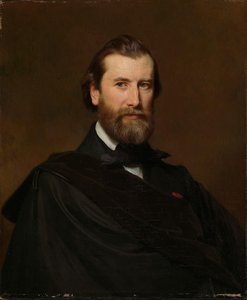
Adolph Tidemand
1814 - 1876 , Norway
Основные сведения
- Artistic Movement Or Style: Romantic Nationalism
- Artists Or Movements Influenced By This Artist: ['Düsseldorf School of Painting']
- Artists Who Influenced This Artist: ['Theodor Hildebrandt']
- Date Of Birth: 1814-08-14
- Date Of Death: 1876-08-08
- Full Name: Adolph Tidemand
- Nationality: Norwegian
- Notable Artworks:
- Haugianerne
- Brudeferd i Hardanger
- Hjemvendte fiskere
- Place Of Birth: Mandal, Norway
Похожие статьи

Романтический пейзаж: 10 шедевров, изменивших искусство | ArtsDot.com
Погрузитесь в мир романтического пейзажа! 10 шедевров Фридриха, Тёрнера и других гениев. Узнайте историю создания культовых картин и вдохновитесь для декора интерьера. Репродукции высокого качества на ArtsDot.com.
Evoking Arcadia: A Historical & Aesthetic Exploration of Rural Landscape Art
Explore the rich history of pastoral landscape art, from classical Arcadia to Impressionism & beyond. Discover key artists, movements, and how to collect serene rural scenes for your home. Expert insights at ArtsDot.

Cultivating Visions: A Historical Journey Through Rural Landscapes in Art
Explore the rich history of rural landscape painting with ArtsDot. Discover Impressionist masterpieces, key artists & movements. Find your perfect serene artwork and bring nature's beauty home.

Джон Констебль: 25 шедевров английского пейзажа для вашего интерьера
Погрузитесь в мир английского пейзажа с Джоном Констеблом! 25 шедевров романтизма, история создания картин и вдохновение для вашего интерьера. Репродукции высокого качества на ArtsDot.com – искусство для ценителей.

Evocations of Place: A Historical Journey Through Landscape Art
Explore the rich history of landscape art with ArtsDot. Discover renowned artists, movements like Impressionism & Romanticism, and expert guidance for collecting timeless pieces. Find your perfect serene escape today!