

 Предпросмотр
 Поделиться
 Поделиться
 Детали произведения

 Скачать
 Похожие работы
 Рентгенография
 Слайд-шоу
 Статистика
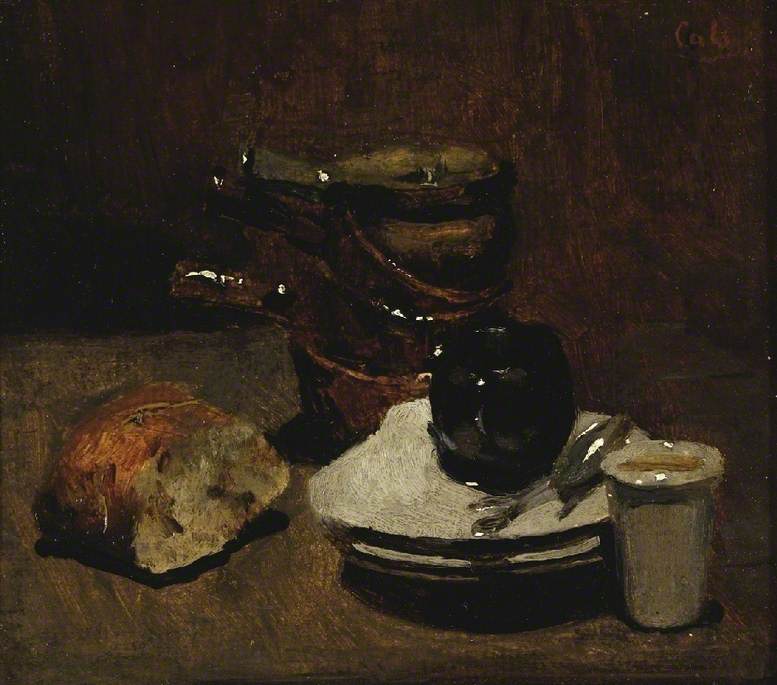
Still Life
 1860
1860 13.0 x 15.0 cm
 Фитцвильямский колледж
 Читать далее
Приобретите цифровое изображение высокого разрешения в улучшенном качестве, которое значительно превосходит онлайн-превью.
Каждый файл тщательно подготавливается нашими специалистами с использованием передовых инструментов и экспертной ручной ретуши. Мы гарантируем исключительную четкость, точную цветопередачу и детальную проработку каждого изображения.
Финальный файл доставляется по электронной почте в течение 72 часов и оптимизирован для немедленного использования в профессиональной среде, при верстке и печати. Это тот же уровень качества, которому доверяют ведущие дизайнерские студии, издательства и галереи.
Цифровое изображение
Скачайте файл высокого разрешения для личного использования, печати и творческих проектов. ( Перейти к печати Купить картину ручной работы)
Включено в каждый заказ цифровых изображений
Гарантия экспертной цифровой доставки
Выбирая ArtsDot.com, вы получаете не просто изображение — вы приобретаете профессионально обработанное цифровое произведение искусства, созданное с безупречной точностью и под защитой гарантии качества. Вот всё, что автоматически входит в ваш заказ:

Мгновенная доставка по e-mail
Ваш цифровой файл в высоком разрешении будет отправлен вам по электронной почте в течение 72 часов после оформления заказа — и сразу станет доступен для использования.

Цифровой файл с ИИ-улучшением
Ваше произведение искусства проходит профессиональную оптимизацию с использованием передовых инструментов ИИ и ручной обработки, что гарантирует максимальную детализацию, четкость и точность цветопередачи.

Бессрочная бесплатная повторная доставка
Случайно удалили или потеряли файл? Не беспокойтесь — мы отправим его вам повторно в любое время и совершенно бесплатно.

Без импортных пошлин — навсегда
Наслаждайтесь вашим произведением искусства мгновенно без таможенных пошлин, сборов или затрат на доставку — цифровые загрузки всегда не облагаются налогом.

Гарантия точности цветопередачи
Мы гарантируем, что ваше цифровое изображение максимально точно передает оригинальные цвета благодаря использованию профессиональных инструментов и систем управления цветом.

Гарантия удовлетворенности 100 дней
Если вы не будете удовлетворены своим цифровым изображением, мы внесем правки или вернем 100% стоимости в течение 100 дней — без лишних вопросов.

100% Гарантия возврата средств
Не удовлетворены покупкой? Получите полный возврат средств в течение 100 дней после получения цифрового файла — без лишних вопросов.

Скидки на оптовые заказы
Купите 3 изображения, сэкономьте 10% — Купите 5, сэкономьте 15% — Купите 10+, сэкономьте 20%. Отличное решение для творческих проектов, галерей и агентств.
Похожие произведения








Биография художника
Constant Troyon: Bridging Porcelain and Pastoral
August 28, 1810, in Sèvres, France, marked the birth of Constant Troyon – a painter whose journey began far from the grand salons of Paris, amidst the meticulous world of porcelain decoration. His early life was steeped in the traditions of his father’s workshop, a seemingly restrictive environment that nonetheless honed his eye for detail and precision. Yet, beneath this veneer of craftsmanship lay a restless spirit, a yearning to capture the fleeting beauty of the natural world. It wasn't until he reached twenty-one that Troyon truly embraced his artistic destiny, embarking on a nomadic existence as a landscape painter, fueled by wanderlust and the necessity of earning a living. This early period, characterized by sketches and watercolors, laid the groundwork for his later mastery – a synthesis of technical skill with an increasingly profound understanding of light, color, and atmosphere. His initial travels exposed him to diverse artistic influences, but it was the Barbizon school, centered around Paris, that would fundamentally shape his approach to painting.The Barbizon Influence and Early Landscapes
The Barbizon school represented a deliberate rejection of the academic traditions dominating the Parisian art world. Artists like Rousseau, Dupré, and Troyon sought inspiration directly from nature, eschewing studio work in favor of *en plein air* painting – working outdoors to capture the immediacy of the landscape. Troyon’s early landscapes, produced between 1840 and 1847, reflect this influence, displaying a sincerity and freshness that resonated with contemporary audiences. While technically proficient, these works often lacked the distinctive character that would later define his oeuvre. However, a pivotal encounter in 1846 – a visit to the Hague and a profound study of Paulus Potter’s “Young Bull” – proved transformative. Potter's masterful depiction of animal anatomy and behavior ignited within Troyon a new passion: painting animals with an unprecedented level of realism and emotional depth. This experience, coupled with his admiration for the works of Cuyp and Rembrandt, spurred him to develop a unique style characterized by dramatic lighting, rich textures, and a palpable sense of movement.Mastering Animal Painting and International Recognition
Following Potter’s influence, Troyon rapidly evolved as an animal painter, achieving remarkable success in both Britain and America. His paintings weren't merely representations of animals; they conveyed their personalities, instincts, and the subtle nuances of their interactions with the environment. He meticulously observed his subjects – cattle, horses, sheep – capturing not just their physical appearance but also their moods and behaviors. This dedication to realism was further enhanced by his ability to render textures with astonishing accuracy, from the rough hide of a bull to the soft wool of a lamb. His work gained international acclaim, finding favor in prestigious collections across Europe and the United States. Critics lauded his technical skill, emotional sensitivity, and his ability to evoke a sense of connection between the viewer and the animal subjects. The art critic Albert Wolff famously described Troyon’s later works as “masterpieces,” recognizing their profound artistic merit and enduring appeal.A Shift Towards Pastoral Scenes and Later Works
As Troyon matured, his subject matter broadened beyond purely animalistic scenes. He increasingly explored pastoral landscapes – depictions of rural life, featuring shepherds, farm animals, and the serene beauty of the countryside. These later works demonstrate a shift in focus from the dynamic energy of animal painting to a more contemplative and evocative approach to landscape. While some critics initially dismissed these paintings as less ambitious than his earlier work, they reveal a deepening of Troyon’s artistic vision – a subtle understanding of light, color, and composition that elevates them to a level of quiet beauty. His final works, produced in the years leading up to his death in 1865, are characterized by a remarkable serenity and a profound appreciation for the simple pleasures of rural life. They represent a culmination of his artistic journey – a testament to a lifetime dedicated to capturing the essence of nature on canvas.Legacy and Historical Significance
Constant Troyon’s legacy extends beyond his individual paintings. He played a crucial role in the development of the Barbizon school, demonstrating the value of *en plein air* painting and inspiring subsequent generations of artists. His meticulous observation of nature, combined with his technical skill and emotional sensitivity, established him as one of the most important animal painters of his era. Troyon’s work continues to be admired for its realism, beauty, and profound connection to the natural world. He stands as a bridge between the rigid traditions of academic art and the more expressive approach of the Barbizon school, embodying a spirit of artistic exploration and a deep appreciation for the enduring power of nature. His paintings offer a valuable glimpse into 19th-century rural life and provide a lasting testament to the artist’s remarkable talent and dedication.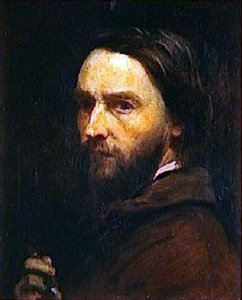
adolphe félix cals
1810 - 1880
Основные сведения
- Artistic Movement Or Style: Barbizon School
- Artists Or Movements Influenced By This Artist:
- Camille Roqueplan
- Jules Dupré
- Artists Who Influenced This Artist:
- Paulus Potter
- Aelbert Cuyp
- Rembrandt
- Date Of Birth: August 28, 1810
- Date Of Death: February 21, 1865
- Full Name: Constant Troyon
- Nationality: French
- Notable Artworks:
- Young Bull
- The Raft of the Medusa
- Place Of Birth: Sèvres, France