


 Предпросмотр
 Поделиться
 Поделиться
 Детали произведения

 Скачать
 Похожие работы
 Рентгенография
 Слайд-шоу
 Статистика
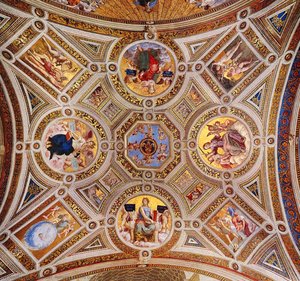
Polish parishes and churches in Chicago. St. Hedwig Church, the vault


 Читать далее
Приобретите цифровое изображение высокого разрешения в улучшенном качестве, которое значительно превосходит онлайн-превью.
Каждый файл тщательно подготавливается нашими специалистами с использованием передовых инструментов и экспертной ручной ретуши. Мы гарантируем исключительную четкость, точную цветопередачу и детальную проработку каждого изображения.
Финальный файл доставляется по электронной почте в течение 72 часов и оптимизирован для немедленного использования в профессиональной среде, при верстке и печати. Это тот же уровень качества, которому доверяют ведущие дизайнерские студии, издательства и галереи.
Цифровое изображение
Скачайте файл высокого разрешения для личного использования, печати и творческих проектов. ( Перейти к печати Купить картину ручной работы)
Включено в каждый заказ цифровых изображений
Гарантия экспертной цифровой доставки
Выбирая ArtsDot.com, вы получаете не просто изображение — вы приобретаете профессионально обработанное цифровое произведение искусства, созданное с безупречной точностью и под защитой гарантии качества. Вот всё, что автоматически входит в ваш заказ:

Мгновенная доставка по e-mail
Ваш цифровой файл в высоком разрешении будет отправлен вам по электронной почте в течение 72 часов после оформления заказа — и сразу станет доступен для использования.

Цифровой файл с ИИ-улучшением
Ваше произведение искусства проходит профессиональную оптимизацию с использованием передовых инструментов ИИ и ручной обработки, что гарантирует максимальную детализацию, четкость и точность цветопередачи.

Бессрочная бесплатная повторная доставка
Случайно удалили или потеряли файл? Не беспокойтесь — мы отправим его вам повторно в любое время и совершенно бесплатно.

Без импортных пошлин — навсегда
Наслаждайтесь вашим произведением искусства мгновенно без таможенных пошлин, сборов или затрат на доставку — цифровые загрузки всегда не облагаются налогом.

Гарантия точности цветопередачи
Мы гарантируем, что ваше цифровое изображение максимально точно передает оригинальные цвета благодаря использованию профессиональных инструментов и систем управления цветом.

Гарантия удовлетворенности 100 дней
Если вы не будете удовлетворены своим цифровым изображением, мы внесем правки или вернем 100% стоимости в течение 100 дней — без лишних вопросов.

100% Гарантия возврата средств
Не удовлетворены покупкой? Получите полный возврат средств в течение 100 дней после получения цифрового файла — без лишних вопросов.

Скидки на оптовые заказы
Купите 3 изображения, сэкономьте 10% — Купите 5, сэкономьте 15% — Купите 10+, сэкономьте 20%. Отличное решение для творческих проектов, галерей и агентств.
Похожие произведения









Биография художника
Paul Cézanne: The Architect of Modern Vision
Paul Cézanne, a name synonymous with the transition from Impressionism to modern art, remains one of the most profoundly influential figures in the history of painting. Born in Aix-en-Provence in 1839, his life was marked by a quiet dedication to observation and a relentless pursuit of capturing the essence of form and space. He wasn’t a flamboyant revolutionary like some of his contemporaries; rather, Cézanne meticulously dismantled and rebuilt artistic conventions, laying the groundwork for Cubism, Fauvism, and countless subsequent movements. His legacy isn't found in dramatic gestures or bold pronouncements, but in the subtle yet seismic shifts he enacted within the very fabric of painting itself.Early Influences and Artistic Beginnings
Cézanne’s early artistic education was a blend of traditional instruction and independent exploration. He initially studied at the École des Beaux-Arts in Paris, where he received training in academic techniques – drawing, sculpture, and history painting. However, he quickly grew disillusioned with the rigid rules and idealized subjects demanded by the academy. His early works, particularly portraits of his uncle Dominique Aubert, reveal a fascination with costume and theatricality, echoing the influence of Édouard Manet’s Spanish scenes. These pieces demonstrate a darker palette and expressive brushwork, reminiscent of Eugène Delacroix – a key figure in Cézanne's formative years. Crucially, these early studies weren’t simply imitations; they were experiments, testing the boundaries of representation and hinting at the radical changes to come. He was searching for a way to depict reality that went beyond mere visual perception.The Pursuit of Structure: A New Approach to Painting
Cézanne's artistic journey took a decisive turn in the mid-1870s, driven by a desire to understand and represent the underlying structure of objects and landscapes. He began to systematically analyze nature – breaking down forms into their fundamental geometric components: cylinders, spheres, and cones. This analytical approach wasn’t about creating mechanical copies; it was about distilling the essence of an object, its three-dimensional form, and translating that understanding onto a two-dimensional surface. He famously stated, “I would like to make painting art for arts' sake.” He moved away from the fleeting effects of light and color favored by Impressionism, focusing instead on creating paintings that possessed a sense of solidity and permanence. His brushstrokes became deliberate and controlled, building up layers of paint to suggest volume and depth. The *Bathers* series (1874-75) exemplifies this shift – figures emerge from a landscape rendered with an almost architectural precision, suggesting the underlying structure beneath the surface.Key Works and Artistic Developments
Cézanne’s oeuvre is remarkably consistent in its exploration of these principles. His still lifes, particularly those featuring fruit and vases (e.g., *Still Life with Apples and a Pot of Primroses*, circa 1890), are masterpieces of constructive painting. He abandoned traditional chiaroscuro – the dramatic contrasts of light and shadow – in favor of subtle gradations of color, creating an illusion of volume through carefully modulated tones. His landscapes, such as *Mont Sainte-Victoire* (painted repeatedly over several decades), demonstrate his ability to capture not just a visual likeness but also the feeling of place—the solidity of rock, the warmth of sunlight, and the sense of distance. The influence of Japanese prints is evident in his cropped compositions and flattened perspectives, further contributing to his innovative approach. He continued to experiment with perspective, often distorting it to create a more dynamic and engaging composition.Legacy and Historical Significance
Paul Cézanne’s impact on the course of art history is immeasurable. He didn't invent abstraction; rather, he provided a crucial bridge between Impressionism and the radical innovations of the early 20th century. His emphasis on form, structure, and the materiality of paint directly inspired Cubists like Pablo Picasso and Georges Braque, who sought to break down objects into their geometric components – mirroring Cézanne’s own analytical approach. His work also paved the way for Fauves, known for their bold use of color, and influenced countless artists who followed. Cézanne's quiet dedication to his craft, coupled with his profound understanding of visual perception, cemented his place as a pivotal figure in the evolution of modern art—a true architect of our visual world. He demonstrated that painting could be both descriptive and conceptual, offering a new way of seeing and representing reality.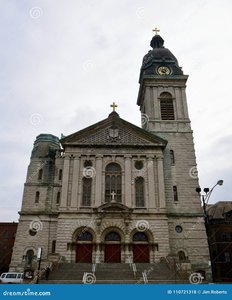
adolphus druiding
1839 - 1900 , Germany
Основные сведения
- Artistic Movement Or Style: Post-Impressionism
- Artists Or Movements Influenced By This Artist:
- Cubism
- Fauvism
- Artists Who Influenced This Artist:
- Eugène Delacroix
- Édouard Manet
- Date Of Birth: 19 January 1839
- Date Of Death: 22 October 1906
- Full Name: Paul Cézanne
- Nationality: French
- Notable Artworks:
- Bathers at Asnières
- The Basket of Apples
- Mont Sainte-Victoire
- Still Life with Apples and a Pot of Primroses
- Place Of Birth: Aix-en-Provence, France