


 Предпросмотр
 Поделиться
 Поделиться
 Детали произведения

 Скачать
 Похожие работы
 Рентгенография
 Слайд-шоу
 Статистика
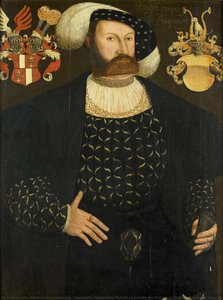
Presumably Posthumous Portrait of Rudolph van Buynou (d 1542), High Bailiff of Stavoren and "Grietman"of Gaasterland, Adriaen van Cronenburg (attributed to), 1553
 Northern Renaissance
 1553
1553 90.0 x 69.0 cm
 Читать далее
Приобретите цифровое изображение высокого разрешения в улучшенном качестве, которое значительно превосходит онлайн-превью.
Каждый файл тщательно подготавливается нашими специалистами с использованием передовых инструментов и экспертной ручной ретуши. Мы гарантируем исключительную четкость, точную цветопередачу и детальную проработку каждого изображения.
Финальный файл доставляется по электронной почте в течение 72 часов и оптимизирован для немедленного использования в профессиональной среде, при верстке и печати. Это тот же уровень качества, которому доверяют ведущие дизайнерские студии, издательства и галереи.
Цифровое изображение
Скачайте файл высокого разрешения для личного использования, печати и творческих проектов. ( Перейти к печати Купить картину ручной работы)
Включено в каждый заказ цифровых изображений
Гарантия экспертной цифровой доставки
Выбирая ArtsDot.com, вы получаете не просто изображение — вы приобретаете профессионально обработанное цифровое произведение искусства, созданное с безупречной точностью и под защитой гарантии качества. Вот всё, что автоматически входит в ваш заказ:

Мгновенная доставка по e-mail
Ваш цифровой файл в высоком разрешении будет отправлен вам по электронной почте в течение 72 часов после оформления заказа — и сразу станет доступен для использования.

Цифровой файл с ИИ-улучшением
Ваше произведение искусства проходит профессиональную оптимизацию с использованием передовых инструментов ИИ и ручной обработки, что гарантирует максимальную детализацию, четкость и точность цветопередачи.

Бессрочная бесплатная повторная доставка
Случайно удалили или потеряли файл? Не беспокойтесь — мы отправим его вам повторно в любое время и совершенно бесплатно.

Без импортных пошлин — навсегда
Наслаждайтесь вашим произведением искусства мгновенно без таможенных пошлин, сборов или затрат на доставку — цифровые загрузки всегда не облагаются налогом.

Гарантия точности цветопередачи
Мы гарантируем, что ваше цифровое изображение максимально точно передает оригинальные цвета благодаря использованию профессиональных инструментов и систем управления цветом.

Гарантия удовлетворенности 100 дней
Если вы не будете удовлетворены своим цифровым изображением, мы внесем правки или вернем 100% стоимости в течение 100 дней — без лишних вопросов.

100% Гарантия возврата средств
Не удовлетворены покупкой? Получите полный возврат средств в течение 100 дней после получения цифрового файла — без лишних вопросов.

Скидки на оптовые заказы
Купите 3 изображения, сэкономьте 10% — Купите 5, сэкономьте 15% — Купите 10+, сэкономьте 20%. Отличное решение для творческих проектов, галерей и агентств.
Похожие произведения



Биография художника
Early Life and Artistic Beginnings
Adriaen van Cronenburg, born around 1525 in the modest town of Schagen in North Holland, emerged from a Northern Netherlandish artistic landscape steeped in tradition yet poised for innovation. While details surrounding his formative years remain somewhat elusive, it is understood that he embarked on his painting journey during a period of significant societal and religious upheaval. The Dutch Revolt was brewing, and the art world was beginning to reflect a shift away from purely devotional themes towards more secular subjects—a trend van Cronenburg would embrace with notable skill.
His early training likely occurred within a local workshop, absorbing the techniques and stylistic conventions prevalent in the region. This foundation proved crucial as he established himself primarily as a portraitist, catering to the burgeoning merchant class and nobility of Friesland and Groningen. Unlike many artists who gravitated towards bustling urban centers like Amsterdam or Antwerp, van Cronenburg chose to work within these provinces, becoming an integral part of their local artistic communities.
A Master of Portraiture in Friesland and Beyond
Van Cronenburg’s career flourished between approximately 1547 and 1590. He wasn't a painter who sought grand commissions from royalty or the Church; instead, his focus lay on capturing the likenesses—and often, the status—of those around him. His portraits are characterized by a remarkable realism, an acute attention to detail in rendering fabrics, jewelry, and facial features. This meticulous approach speaks to both his technical prowess and a desire to present his sitters with dignity and accuracy.
He moved between Friesland, Groningen, and periods spent in Amsterdam, adapting his style to the preferences of each locale. While rooted in Northern Netherlandish traditions, van Cronenburg’s work reveals subtle influences from Flemish masters like Jan van Eyck and Rogier van der Weyden—artists renowned for their oil painting techniques and psychological depth. Hints of Italian Renaissance aesthetics, particularly those associated with Leonardo da Vinci and Michelangelo, also appear in his compositions, suggesting a broader awareness of artistic developments across Europe.
Style and Technique: Realism and Psychological Insight
The hallmark of van Cronenburg’s style is undoubtedly its realism. He possessed an exceptional ability to convey texture and form through the skillful manipulation of oil paint. His portraits aren't merely representations of physical appearance; they offer glimpses into the personalities of his sitters. The careful rendering of clothing, often richly adorned, served not only as a display of wealth but also as a means of communicating social standing.
His technique involved building up layers of paint to create depth and luminosity. He paid particular attention to the play of light and shadow, enhancing the three-dimensionality of his figures. Beyond technical skill, van Cronenburg demonstrated an understanding of human psychology, capturing subtle expressions and nuances that bring his subjects to life. This ability to imbue his portraits with a sense of individuality sets him apart from many of his contemporaries.
Legacy and Historical Significance
Adriaen van Cronenburg continued painting after 1604, though the details of his later life remain scarce. His significance lies not in revolutionary stylistic departures but rather in his consistent production of high-quality portraits that reflect the social and cultural values of the Dutch Golden Age. He documented a specific segment of society—the rising merchant class and regional nobility—providing valuable insights into their lives, tastes, and aspirations.
His works, now found in prominent museum collections such as the Rijksmuseum in Amsterdam and the Louvre in Paris, serve as enduring testaments to his skill and artistry. While perhaps not a household name like Rembrandt or Vermeer, van Cronenburg occupies an important place in the history of Northern Netherlandish painting—a master portraitist who captured the spirit of his time with remarkable realism and psychological insight.
Selected Works
- Presumably Posthumous Portrait of Rudolph van Buynou (1553)
Основные сведения
- Artistic Movement Or Style: Portraiture
- Artists Who Influenced This Artist:
- Jan van Eyck
- Rogier van der Weyden
- Leonardo da Vinci
- Michelangelo
- Date Of Birth: c. 1525
- Date Of Death: after 1604
- Full Name: Adriaen van Cronenburg
- Nationality: Northern Netherlandish
- Notable Artworks:
- Presumably Posthumous Portrait...
- Portraits of nobility/bourgeoisie
- Place Of Birth: Schagen, Netherlands