

 Предпросмотр
 Поделиться
 Поделиться
 Детали произведения

 Скачать
 Похожие работы
 Рентгенография
 Слайд-шоу
 Статистика
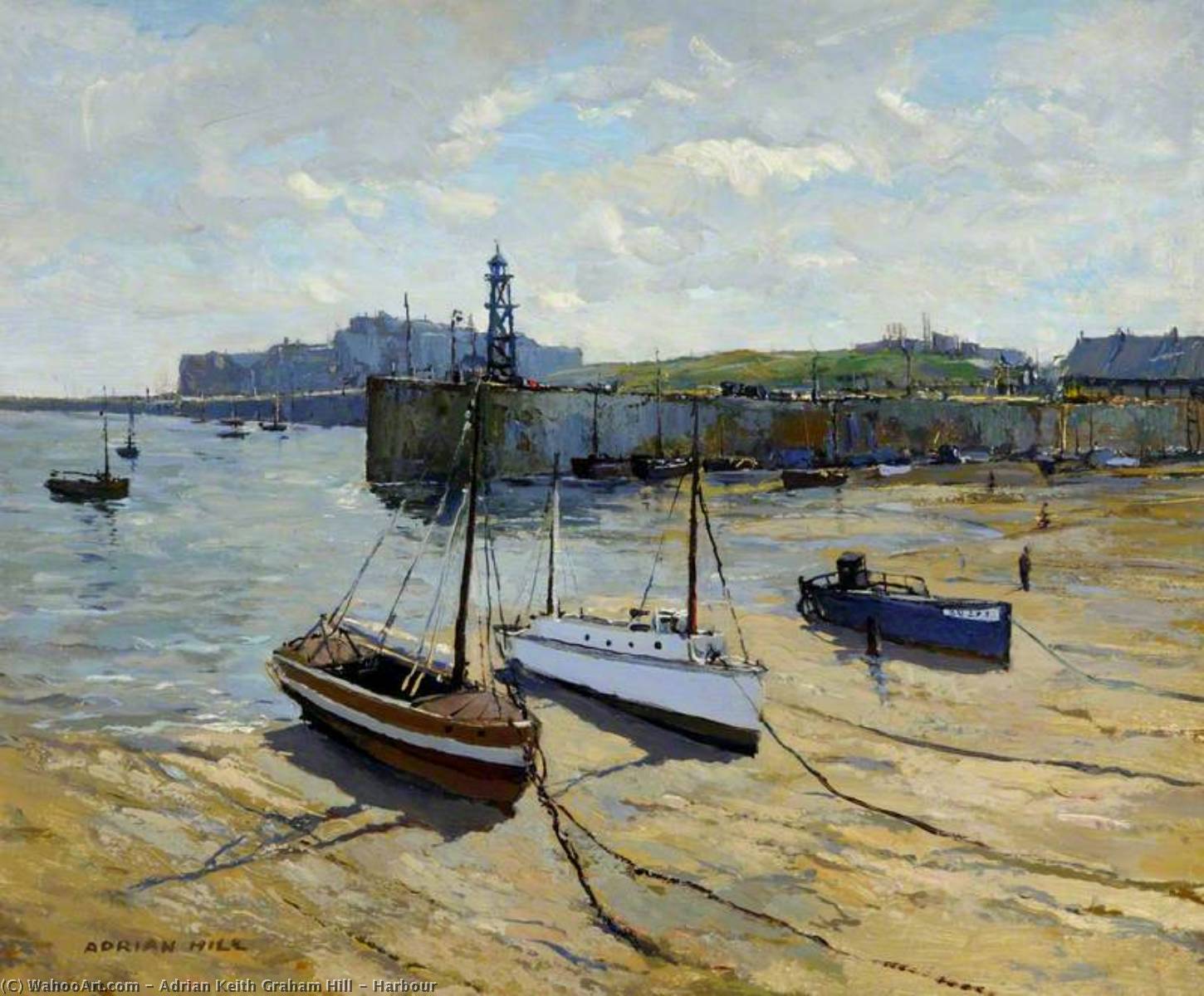
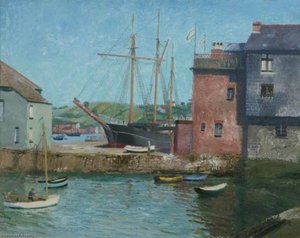
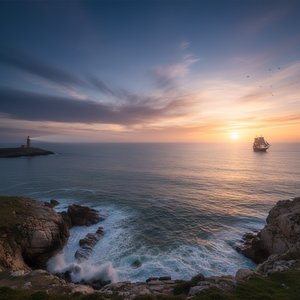
Harbour
 Contemporary Realism
 61.0 x 73.0 cm
 Читать далее
Масляная репродукция ручной работы
Картина маслом на холсте в выбранном вами размере и раме, написанная на заказ нашими художниками. ( Перейти к печати Перейти к цифровым изображениям)




































Выберите один из наших стандартных размеров, соответствующих оригинальным пропорциям произведения искусства.

Вы можете указать собственные размеры, чтобы картина идеально вписалась в выбранную раму или пространство. Если выбранный вами размер не соответствует пропорциям оригинала, мы либо обрежем полотно, либо расширим его за счет дополнительных элементов, написанных вручную. Цифровой макет будет отправлен вам на утверждение перед началом производства.
Обратите внимание, что предварительный просмотр на экране не отражает фактическую обрезку или расширение. Только макет точно покажет окончательную композицию.
Хотя доступны индивидуальные размеры, мы рекомендуем выбирать вариант из предопределенного списка, чтобы сохранить исходные пропорции.
После оформления заказа команда ArtsDot.com свяжется с клиентом по электронной почте для уточнения деталей и предоставит предварительный макет
Доставка по всему миру () за 3–4 недели вместо стандартных 5 недель. (13 Сентябрь). Без компромиссов в качестве.

Бесплатная экспресс-доставка по всему миру

Высококачественный льняной холст

Полное страхование доставки

Гарантия возмещения таможенных пошлин

Гарантия точного соответствия цветов

100-дневная политика возврата (только при обнаружении дефектов)

Гарантия возврата 100% средств

Предложение оптовых скидок
 Вариант со стеклом доступен только для размеров менее 110 см

Harbour
Техника репродукции
Размер репродукции
-


Итоговая стоимость
$ 263
Похожие произведения
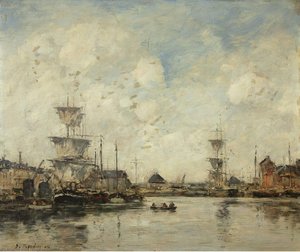
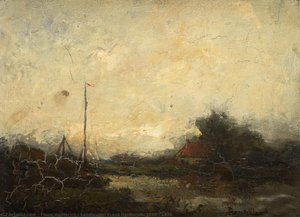
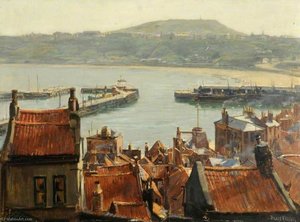
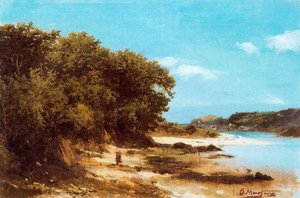
Биография художника
Adrian Keith Graham Hill: Bridging War and Wellbeing Through Art
Adrian Keith Graham Hill (1895-1977) wasn’t merely a painter; he was a pivotal figure in the nascent field of art therapy, a pioneer who intuitively understood the profound connection between creative expression and psychological healing. His life story is one interwoven with the tumultuous backdrop of World War I, the quiet dedication to artistic education, and a lifelong commitment to unlocking the therapeutic potential within every individual through the act of making art. Born in Charlton, London, into a family with a history of artistic involvement, Hill’s early exposure fostered a deep appreciation for visual representation that would ultimately shape his career and philosophy.
Hill's journey began during the First World War, an experience that irrevocably altered his perspective. Initially serving with the Honourable Artillery Company, he quickly transitioned to documenting the horrors of trench warfare as the Imperial War Museum’s first commissioned artist. These stark pen-and-ink drawings – a series now recognized for their unflinching realism and emotional depth – weren't simply battlefield sketches; they were visceral accounts of suffering, resilience, and the psychological toll exacted by conflict. He described his work during this period as “a duty to record what I saw,” but it’s clear that he carried within him a deep empathy for those enduring unimaginable hardship. The experience instilled in him a profound awareness of human vulnerability and a nascent understanding of how art could offer solace, even amidst devastation.
Following the war, Hill pursued formal artistic training at the Royal College of Art, honing his skills and experimenting with various styles. However, it was his work with patients recovering from illness and injury that truly defined his legacy. Inspired by the therapeutic practices emerging in psychiatric hospitals during the 1940s, he championed the idea that art could be a powerful tool for self-expression and emotional release. He coined the term “art therapy” itself, recognizing its potential to address both physical and psychological needs. His approach was remarkably holistic, believing that engaging with creative processes – whether painting, drawing, or sculpting – could stimulate cognitive function, reduce anxiety, and foster a sense of agency in individuals struggling with mental health challenges.
Hill’s influence extended far beyond his direct practice. He played a crucial role in establishing the British Association of Art Therapists in 1964, advocating for professional standards and promoting the integration of art therapy into mainstream healthcare. His work at institutions like Netherne Hospital, where he facilitated art-making sessions for patients with severe mental illness, demonstrated his unwavering belief in the transformative power of creativity. He wasn’t simply providing a distraction; he was facilitating genuine emotional exploration and self-discovery. His legacy is reflected in the Adamson Collection, a remarkable archive of artwork created by patients under his guidance – a testament to their inner lives and the profound impact of artistic expression.
A Palette of Influences: Impressionism, Surrealism, and Beyond
Hill’s artistic style evolved considerably throughout his career, reflecting both his formal training and his personal experiences. Initially influenced by the tenets of Impressionism – characterized by its emphasis on capturing fleeting moments of light and color – he developed a distinctive approach that blended realism with subjective interpretation. His landscapes, particularly those depicting scenes from the English countryside, are imbued with a sense of atmosphere and emotional resonance. However, as he matured as an artist, Hill began to incorporate elements of Surrealism into his work, exploring dreamlike imagery and subconscious symbolism.
The war years undoubtedly shaped his artistic sensibilities, leading him to embrace darker tones and more expressive brushstrokes in his depictions of conflict. Yet, even amidst the grim realities of trench warfare, there’s a remarkable sense of humanity in his drawings – a testament to his empathy and his ability to capture the dignity of those enduring unimaginable suffering. He wasn't afraid to confront difficult subjects, using art as a means of bearing witness and offering solace to both himself and others.
Beyond these specific movements, Hill’s work was also informed by his engagement with various artistic traditions. He studied the works of masters such as Turner and Constable, absorbing their techniques for capturing light and atmosphere. Furthermore, he drew inspiration from folk art and primitive cultures, incorporating elements of simplicity and directness into his compositions.
The War Artist and Beyond: Documenting a Generation
Hill’s wartime commissions represent a significant contribution to the historical record. His drawings offer an invaluable insight into the realities of trench warfare – a perspective often obscured by official narratives. Unlike many of his contemporaries, who focused solely on heroic depictions of battle, Hill sought to capture the everyday experiences of soldiers, highlighting their anxieties, fears, and moments of quiet reflection.
His work with the Imperial War Museum was groundbreaking at the time, establishing a precedent for artists to document conflict in a nuanced and empathetic manner. These drawings weren’t simply illustrations; they were powerful statements about the human cost of war – a reminder that behind every casualty lay a life filled with hopes, dreams, and personal tragedies.
Following the war, Hill continued to produce artwork, exploring themes of nature, portraiture, and social commentary. He remained committed to his belief in the therapeutic potential of art, establishing art therapy programs at various hospitals and institutions throughout Britain. His dedication to this field cemented his place as a pioneer – a visionary who recognized the profound connection between creativity and well-being.
A Lasting Legacy: Art Therapy's Foundation
Adrian Keith Graham Hill’s legacy extends far beyond his individual artwork. He fundamentally shifted the perception of art, transforming it from a purely aesthetic pursuit into a powerful tool for psychological healing. His pioneering work in art therapy laid the foundation for a thriving profession that now plays a vital role in mental healthcare settings worldwide.
His emphasis on process over product – encouraging individuals to engage with creative activities without concern for achieving a specific outcome – remains a cornerstone of contemporary art therapy practice. Hill’s belief that everyone possesses an innate capacity for creativity and that this capacity can be harnessed to promote emotional well-being continues to inspire therapists and educators today.
Furthermore, the Adamson Collection serves as a poignant reminder of the transformative power of art – a testament to the resilience of the human spirit and the enduring ability of creative expression to heal and restore. Adrian Keith Graham Hill’s life's work stands as an enduring tribute to his vision and his unwavering commitment to unlocking the therapeutic potential within us all.
adrian keith graham hill
1895 - 1977
Основные сведения
- Artistic Movement Or Style: Impressionism/Surrealism
- Artists Or Movements Influenced By This Artist: ['Adamson Collection']
- Artists Who Influenced This Artist: ['']
- Date Of Birth: March 24, 1895
- Date Of Death: 1977
- Full Name: Adrian Keith Graham Hill
- Nationality: British
- Notable Artworks:
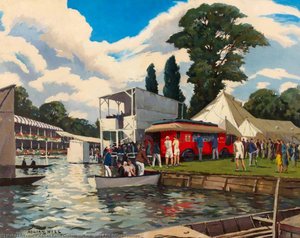
- Mobile Post Office, Henley
- Harbour
- Blackheath, London
- Place Of Birth: Charlton, London
Похожие статьи
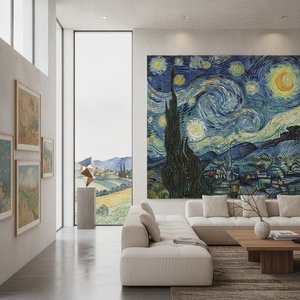
Beyond the Horizon: A Curated Guide to Integrating Post-Impressionist Landscapes into Modern Interiors
Transform your home with the emotive power of Post-Impressionist landscapes. Discover expert tips on selecting hand-painted oil reproductions to create a soulful, vibrant interior that reflects your unique style and connection to nature.
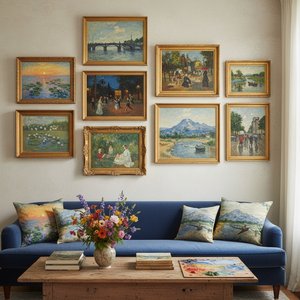
Топ-10 шедевров импрессионизма: пейзажи, изменившие искусство | ArtsDot
Погрузитесь в мир импрессионизма! Откройте топ-10 шедевров Моне, Ренуара и других великих художников. Узнайте историю создания культовых пейзажей и вдохновитесь для декора интерьера. Репродукции картин высокого качества на ArtsDot.com
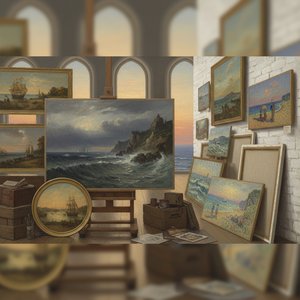
Evoking the Horizon: A Historical & Artistic Exploration of Coastal Scenes in Painting
Explore the rich history of coastal scenes in painting! Discover Impressionist masterpieces, American realism & contemporary visions. Learn about renowned artists and find your perfect seascape at ArtsDot.
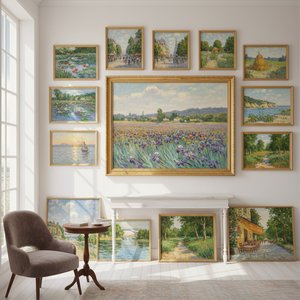
Топ-10 шедевров импрессионизма: пейзажи, изменившие искусство | ArtsDot
Погрузитесь в мир импрессионизма! Откройте 10 шедевров Моне, Ренуара и других великих художников. Узнайте историю создания культовых пейзажей и вдохновитесь для декора вашего дома. Репродукции картин высокого качества на ArtsDot.com.
The Allure of the Horizon: A Comprehensive Exploration of Seascape Art Through History & Emotion
Explore the captivating world of seascape art! Discover its history, key artists & movements – from Dutch Masters to Impressionism. Expert insights for collectors and enthusiasts at ArtsDot.