

 Предпросмотр
 Поделиться
 Поделиться
 Детали произведения

 Скачать
 Похожие работы
 Рентгенография
 Слайд-шоу
 Статистика
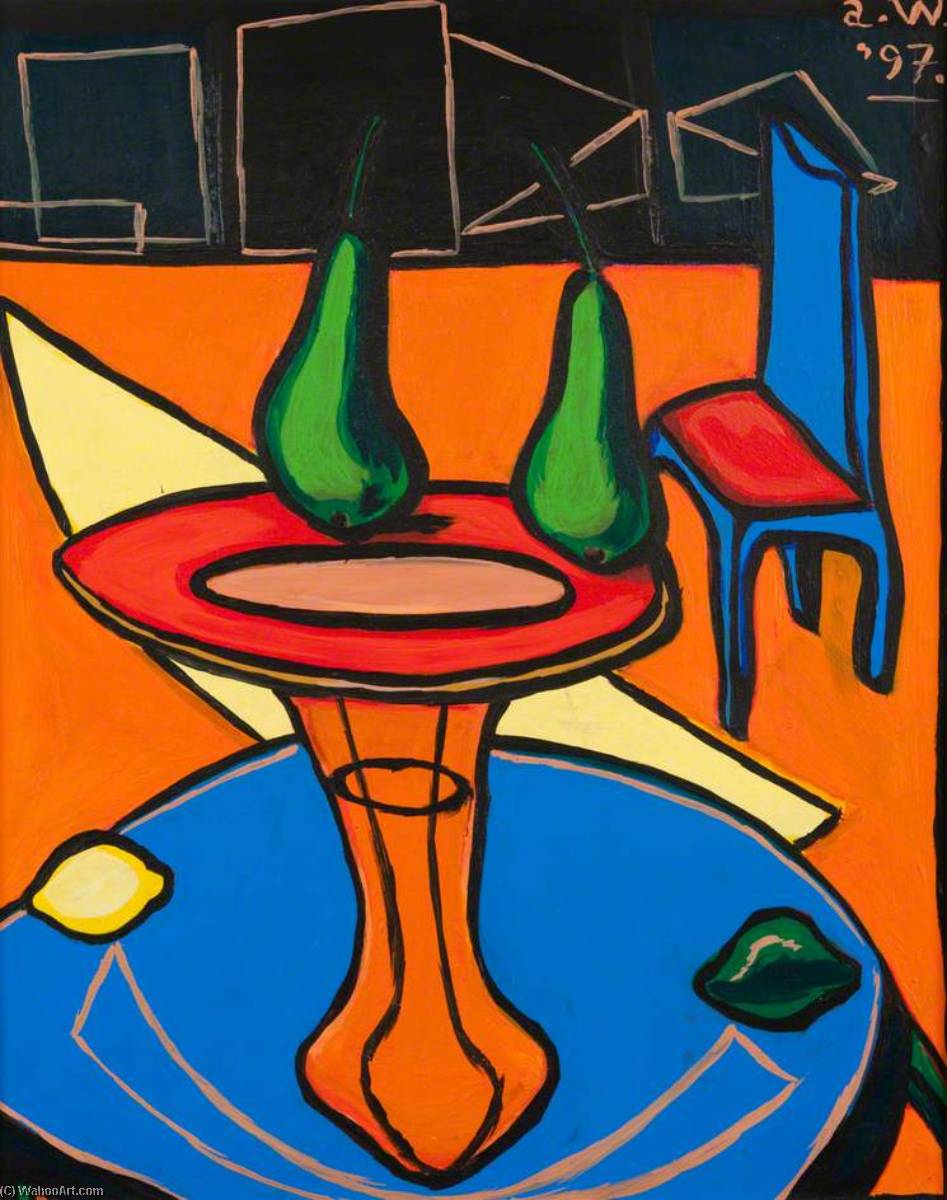
Fruit on a Slice of Lemon
 1997
1997 75.0 x 60.0 cm
 Национальная галерея современного искусства Эдинбурга
 Читать далее
Масляная репродукция ручной работы
Картина маслом на холсте в выбранном вами размере и раме, написанная на заказ нашими художниками. ( Перейти к печати Перейти к цифровым изображениям)




































Выберите один из наших стандартных размеров, соответствующих оригинальным пропорциям произведения искусства.

Вы можете указать собственные размеры, чтобы картина идеально вписалась в выбранную раму или пространство. Если выбранный вами размер не соответствует пропорциям оригинала, мы либо обрежем полотно, либо расширим его за счет дополнительных элементов, написанных вручную. Цифровой макет будет отправлен вам на утверждение перед началом производства.
Обратите внимание, что предварительный просмотр на экране не отражает фактическую обрезку или расширение. Только макет точно покажет окончательную композицию.
Хотя доступны индивидуальные размеры, мы рекомендуем выбирать вариант из предопределенного списка, чтобы сохранить исходные пропорции.
После оформления заказа команда ArtsDot.com свяжется с клиентом по электронной почте для уточнения деталей и предоставит предварительный макет
Доставка по всему миру () за 3–4 недели вместо стандартных 5 недель. (11 Сентябрь). Без компромиссов в качестве.

Бесплатная экспресс-доставка по всему миру

Высококачественный льняной холст

Полное страхование доставки

Гарантия возмещения таможенных пошлин

Гарантия точного соответствия цветов

100-дневная политика возврата (только при обнаружении дефектов)

Гарантия возврата 100% средств

Предложение оптовых скидок
 Вариант со стеклом доступен только для размеров менее 110 см

Fruit on a Slice of Lemon
Техника репродукции
Размер репродукции
-


Итоговая стоимость
$ 263
Похожие произведения






Биография художника
The Architect of Dreams: The Artistic Journey of Adrian Wiszniewski
In the vibrant, often turbulent landscape of late 20th-century British art, few voices emerged with as much imaginative potency as Adrian Wiszniewski. Born in Glasgow in 1958, Wiszniewski’s early path was shaped by a unique intersection of disciplines; before becoming a titan of the canvas, he underwent formal training at the Mackintosh School of Architecture. This foundational understanding of structure and space would later serve as the invisible scaffolding for his more ethereal explorations, allowing him to build worlds that felt both architecturally grounded and profoundly surreal.
His true metamorphosis occurred within the hallowed halls of the Glasgow School of Art, where he studied from 1979 to 1983. It was during this formative period that Wiszniewski found his tribe. Alongside contemporaries such as Steven Campbell, Peter Howson, and Ken Currie, he became a central figure in the movement known as the New Glasgow Boys. This group did not merely paint; they staged a rebellion against the prevailing trends of abstraction, instead championing a revival of figurative painting that was as much about psychological depth as it was about visual prowess.
A Tapestry of Myth and Modernity
Wiszniewski’s work is celebrated for its ability to bridge the gap between the tangible reality of contemporary life and the boundless realms of myth. Influenced heavily by New Image Painting, his compositions often function as dreamlike narratives, where the human figure serves as a vessel for complex emotional truths. His paintings are rarely mere depictions; they are carefully constructed allegories that grapple with identity, social justice, and the collective anxieties of the modern era.
The magic of his technique lies in the seamless blending of disparate elements:
- Fantastical Imagery: The use of mythic archetypes to elevate everyday scenes into something timeless.
- Social Observation: An astute eye for the nuances of human interaction and the political zeitgeist.
- Visual Storytelling: A mastery of composition that guides the viewer through a psychological landscape.
Through his brush, the boundaries between the seen and the unseen dissolve. One might encounter a figure caught in a moment of profound introspection, surrounded by symbols that evoke ancient legends yet feel startlingly relevant to the struggles of the present day.
Legacy and International Recognition
The ascent of Wiszniewski was swift and marked by significant institutional validation. His debut solo exhibition in 1984, held in both London and Glasgow, acted as a clarion call to the art world. The prestige of his early career was cemented when the Tate acquired several of his paintings, an honor that signaled his arrival as a major force in international contemporary art. His subsequent association with the Walker Gallery in Liverpool further solidified his reputation, providing a platform for his evolving explorations.
As his career progressed, Wiszniewski refused to be confined by the label of a purely figurative painter. He demonstrated a restless, multidisciplinary spirit, venturing into printmaking, sculpture, installation, and even furniture design. This refusal to stagnate allowed him to explore "new media" as a vital tool for communicating fresh ideas, ensuring that his artistic language remained as dynamic as the myths he sought to portray. Today, his legacy remains etched in the history of Scottish art—a testament to a visionary who dared to find the extraordinary within the ordinary.
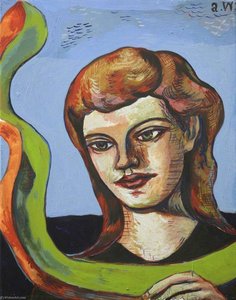
Основные сведения
- Artistic Movement Or Style: New Image Painting
- Artists Or Movements Influenced By This Artist: Fantasy art
- Artists Who Influenced This Artist: Alexander Moffat
- Full Name: Adrian Wiszniewski
- Nationality: Scottish
- Notable Artworks: ['The Girl, The Boy and The Hag']
- Place Of Birth: Glasgow