

 Поделиться
 Поделиться
 Детали произведения

 Скачать
 Похожие работы
 Слайд-шоу
 Статистика
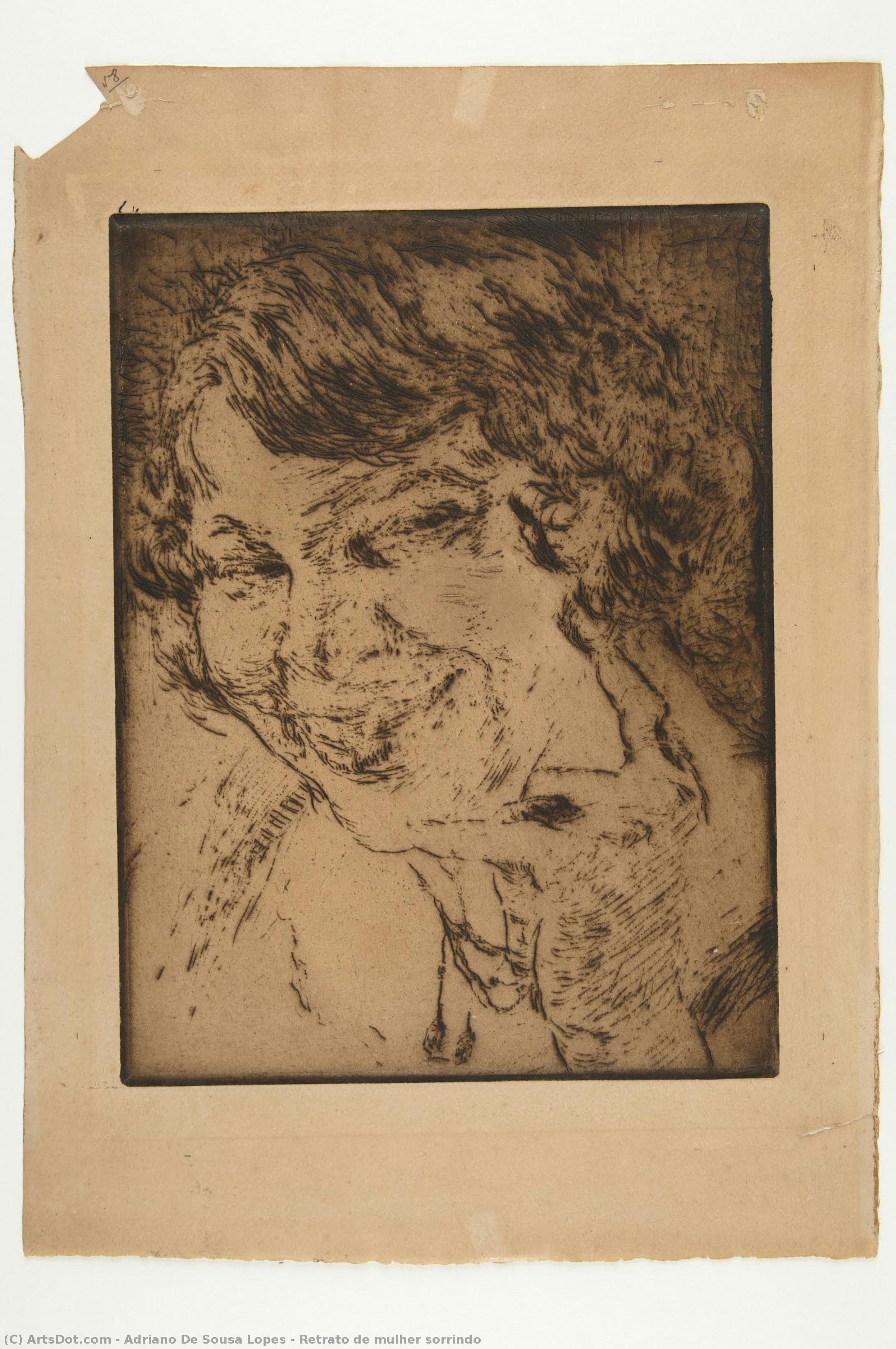
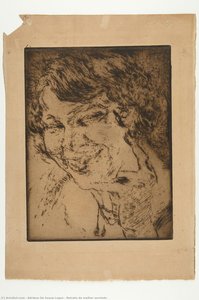
Retrato de mulher sorrindo


 Читать далее
Жикле / Арт-принт
Печать (жикле) или холст музейного качества с быстрыми сроками изготовления и широким выбором вариантов отделки. ( Купить картину ручной работы Перейти к цифровым изображениям)




































Выберите один из наших стандартных размеров, соответствующих оригинальным пропорциям произведения искусства.

Вы можете указать свои собственные размеры, чтобы репродукция идеально подошла под конкретную раму или пространство. Если выбранный вами размер не будет соответствовать пропорциям оригинала, мы либо обрежем произведение, либо дополним изображение зеркальным отражением краев или однотонной заливкой. Перед началом производства вам будет отправлен цифровой макет для утверждения.
Пожалуйста, обратите внимание, что предварительный просмотр на экране не отображает фактическую обрезку или расширение изображения. Только макет точно покажет финальную композицию.
Несмотря на возможность заказа индивидуальных размеров, мы рекомендуем выбирать размер из предопределенного списка, чтобы сохранить оригинальные пропорции.
Доставка по всему миру () за 2 недели вместо стандартных 4/5 недель. (13 Сентябрь)

Бесплатная экспресс-доставка по всему миру

Высококачественный льняной холст

Полное страхование доставки

Гарантия возмещения таможенных пошлин

Гарантия точного соответствия цветов

100-дневная политика возврата (только при обнаружении дефектов)

Гарантия возврата 100% средств

Предложение оптовых скидок
 Вариант со стеклом доступен только для размеров менее 110 см

Retrato de mulher sorrindo
Жикле / Арт-принт
Размер репродукции
-


Итоговая стоимость
$ 62
A Moment Frozen in Time: The Radiance of a Smile
In the quiet intimacy of Retrato de mulher sorrindo, we are invited into a private, unscripted moment that transcends the boundaries of time. This evocative work captures more than just a likeness; it captures an ephemeral burst of joy. The subject, a woman caught in a spontaneous expression of laughter or perhaps a playful grimace, dominates the frame with an infectious energy. Her open mouth and bright eyes create a sense of immediate presence, as if she has just been interrupted mid-laugh by the artist’s gaze. The composition focuses entirely on her visage, stripping away the distractions of setting or adornment to leave us with nothing but the raw, human essence of emotion.
The aesthetic of the piece carries a profound sense of nostalgia, rendered in a monochromatic palette that lends it an antique, timeless quality. The play of light and shadow across her features provides a sculptural depth, highlighting the contours of her face and the texture of her expression. This use of light does not merely illuminate; it sculpts the emotion, turning a simple photographic or painterly study into a dramatic exploration of light and dark. For the discerning collector, this work offers a window into a bygone era, where the simplicity of a single expression could convey the complexity of the human spirit.
The Legacy of Modernist Spirit
To understand the soul of this portrait, one must look toward the hands of its creator, Adriano Sousa Lopes. As a pioneer of Portuguese Modernism, Lopes was a master at navigating the delicate balance between academic precision and the burgeoning experimentalism of the early 20th century. Having refined his technique in the prestigious halls of the Academia Real de Belas Artes in Lisbon and later absorbing the avant-garde currents of Paris, Lopes possessed a unique ability to infuse traditional portraiture with a modern, psychological depth. In this work, we see that influence manifest through a focus on the internal state of the subject rather than mere external decoration.
The historical context of the early 1900s—a period defined by the transition from the Belle Époque to a more fragmented, modern world—is felt in the very texture of the piece. There is an intentionality in how the artist captures the "unposed" nature of the subject, a hallmark of a movement seeking truth over artifice. For interior designers and lovers of fine art, this piece serves as a sophisticated focal point. Its monochromatic elegance allows it to integrate seamlessly into diverse decor styles, from the classicism of a traditional study to the minimalist chic of a contemporary gallery-style living space.
An Invitation to Emotional Connection
Beyond its technical merits and historical significance, Retrato de mulher sorrindo possesses an undeniable emotional magnetism. It is a piece that breathes life into a room, offering a sense of warmth and vitality that few portraits can achieve. The laughter captured within the frame acts as a silent melody, breaking the stillness of a space with its joyful resonance. It serves as a poignant reminder of the beauty found in fleeting moments—the small, unrecorded instances of happiness that define our lives.
Owning a high-quality reproduction of this masterpiece is an opportunity to curate an environment of reflection and delight. Whether placed in a private collection or used to anchor a grand architectural design, the portrait invites viewers to pause, to smile, and to reconnect with the fundamental joy of being alive. It is not merely an object of decoration, but a profound piece of storytelling that continues to resonate long after the first glance.
Похожие произведения

Биография художника
A Pioneer of Portuguese Modernism
Adriano Sousa Lopes (1879 – 1944) stands as a pivotal figure in the trajectory of Portuguese art, embodying the spirit of modernist experimentation while simultaneously grounding his artistic vision within the traditions of his homeland. Born in Portugal during a period marked by significant social and cultural transformations—the burgeoning Belle Époque and the dawn of the 20th century—Lopes’s artistic journey unfolded against a backdrop of intellectual ferment and artistic innovation, shaping him into one of the most influential painters of his era.
His formative years were spent studying at the Academia Real de Belas Artes in Lisbon, where he honed his skills under Veloso Salgado and Luciano Freire, absorbing the stylistic precepts of Academic painting alongside explorations of design principles. This initial grounding proved invaluable as he embarked on a transformative voyage to Paris in 1903, fueled by a stipend from the Legado do Visconde de Valmor—a charitable endowment dedicated to nurturing artistic talent and fostering cultural enrichment. Within the vibrant Parisian art scene, Lopes immersed himself in the tutelage of Pierre Bonnard and Édouard Vuillard at École des Beaux-Arts and Académie Julian, encountering luminaries like Fernand Cormon who profoundly impacted his aesthetic sensibilities.
The Parisian Influence and Impressionist Light
Lopes's Parisian engagement was not merely academic; it was deeply experiential. He actively participated in the Salon d’Automne from 1904 to 1912, documenting the dynamism of urban life and engaging with fellow artists grappling with new artistic paradigms. His work during this period often reflected a fascination with light and atmosphere, drawing clear inspiration from the Impressionist masters. One of his most evocative works, The Moulin Rouge (nighttime), serves as a testament to this era; painted in Paris, it captures the nocturnal essence of the city through a skillful use of color and structure that reveals a profound influence from Claude Monet.
Through his explorations, Lopes mastered the ability to blur outlines and manipulate media screens between the viewer and the subject, creating a sense of movement and sensation. This period also saw him expanding his horizons beyond France; a brief excursion into Italy in 1907 exposed him to Italian Impressionism, fostering a comparative understanding of stylistic approaches that would later enrich his unique visual language.
Mastery of Line and the Power of Engraving
While his paintings captured the ephemeral beauty of light, Lopes also demonstrated a remarkable command over the more structured and somber medium of engraving. As a skilled engraver, he possessed the ability to convey intense emotion and historical weight through black and white compositions. His etchings often delved into more poignant, even haunting, subject matter, ranging from portraits of his mentors to scenes of profound human struggle.
His graphic works are characterized by their ability to capture tension and atmosphere:
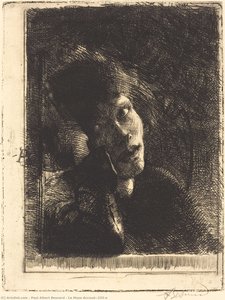
- Retrato do pintor Cormon: A striking etching that captures the stern, commanding gaze of a bearded man, showcasing his ability to render character through line.
- Soldiers leaning over the parapet: A tense composition where soldiers peer over a fortification against a distant ocean, offering a haunting glimpse into the gravity of conflict.
- Uma sepultura portuguesa na terra de ninguém: A poignant scene featuring figures in a desolate landscape, utilizing the starkness of etching to evoke a sense of historical loss and solitude.
Legacy and Historical Significance
The legacy of Adriano Sousa Lopes is one of bridge-building between the old world and the new. He successfully navigated the transition from the rigid structures of Academicism to the fluid, emotive possibilities of Modernism. By integrating the lessons learned in the studios of Paris with the cultural identity of Portugal, he helped define a new era for his nation's art. His work remains a vital record of the early 20th century, capturing everything from the bohemian energy of Parisian nightlife to the somber reflections on war and mortality, ensuring his place as a cornerstone of European art history.
adriano de sousa lopes
1879 - 1944
Основные сведения
- Artistic Movement Or Style: Modernist Art
- Artists Or Movements Influenced By This Artist: ['Impressionism']
- Artists Who Influenced This Artist:
- Veloso Salgado
- Luciano Freire
- Pierre Bonnard
- Édouard Vuillard
- Fernand Cormon
- Date Of Birth: 1879
- Date Of Death: 1944
- Full Name: Adriano Sousa Lopes
- Nationality: Portuguese
- Notable Artworks:
- The Moulin Rouge (nighttime)
- The blue blouse
- Very Light
- Place Of Birth: Portugal
Похожие статьи

Monochrome Visions: Exploring the Aesthetic & Historical Significance of Black & White Photography
Explore the rich history & artistic power of black and white photography. From early techniques to iconic masters like Ansel Adams, discover why monochrome continues to captivate art lovers today. Expert insights for collectors.

Белые шедевры: 10 знаменитых картин, покоривших мир (репродукции, декор)
Откройте для себя 10 знаменитых картин, где белый цвет – главный герой! Моне, Дега и другие мастера. История искусства, техники живописи и вдохновение для вашего интерьера. Репродукции высокого качества на ArtsDot.com

Топ-10 знаменитых картин в черных тонах: шедевры искусства для вашего интерьера
Погрузитесь в мир темных шедевров! Топ-10 знаменитых картин в черных тонах от Гойи, Рембрандта и Мунка. История искусства, техники живописи и вдохновение для вашего интерьера. Купите репродукции высокого качества на ArtsDot.com
Топ-10 шедевров искусства, пробуждающих глубокие чувства радости | ArtsDot
Погрузитесь в мир искусства, пробуждающего радость! Откройте топ-10 шедевров Ван Гога, Моне и других великих художников. Узнайте истории создания картин импрессионизма и постимпрессионизма, вдохновитесь яркими цветами и позитивной энергией. Репродукции музейного качества на ArtsDot.com.

Chromatic Absence: Exploring the Aesthetic Power of Black & White Art
Explore the captivating world of monochrome art! Discover its rich history, influential artists like Malevich & Klein, and profound emotional impact. Expert insights for collectors & design enthusiasts.