

 Предпросмотр
 Поделиться
 Поделиться
 Детали произведения

 Скачать
 Похожие работы
 Рентгенография
 Слайд-шоу
 Статистика
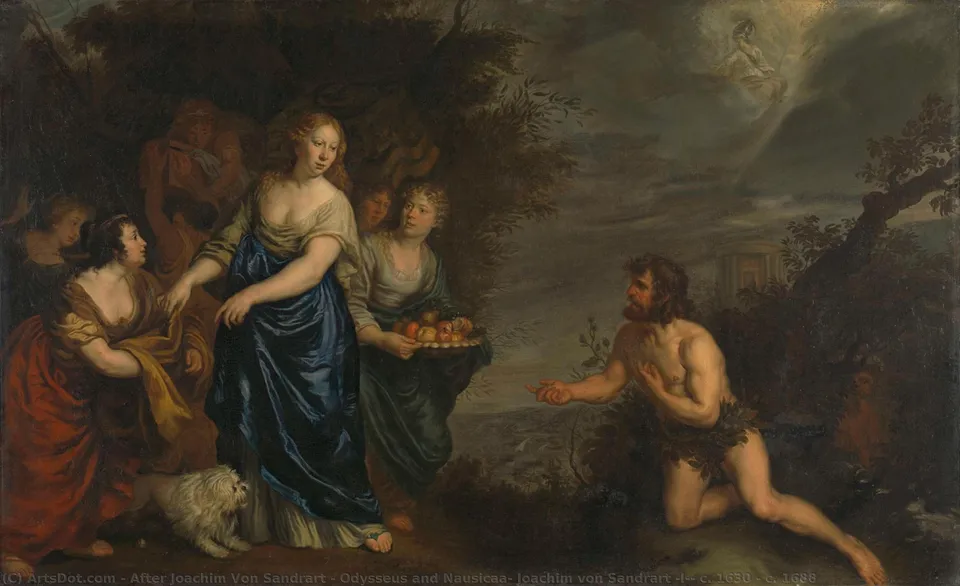
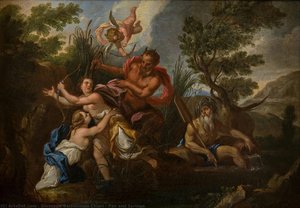
Odysseus and Nausicaa, Joachim von Sandrart (I), c. 1630 - c. 1688
 1688
1688 104.0 x 169.0 cm
 Читать далее
Приобретите цифровое изображение высокого разрешения в улучшенном качестве, которое значительно превосходит онлайн-превью.
Каждый файл тщательно подготавливается нашими специалистами с использованием передовых инструментов и экспертной ручной ретуши. Мы гарантируем исключительную четкость, точную цветопередачу и детальную проработку каждого изображения.
Финальный файл доставляется по электронной почте в течение 72 часов и оптимизирован для немедленного использования в профессиональной среде, при верстке и печати. Это тот же уровень качества, которому доверяют ведущие дизайнерские студии, издательства и галереи.
Цифровое изображение
Скачайте файл высокого разрешения для личного использования, печати и творческих проектов. ( Перейти к печати Купить картину ручной работы)
Включено в каждый заказ цифровых изображений
Гарантия экспертной цифровой доставки
Выбирая ArtsDot.com, вы получаете не просто изображение — вы приобретаете профессионально обработанное цифровое произведение искусства, созданное с безупречной точностью и под защитой гарантии качества. Вот всё, что автоматически входит в ваш заказ:

Мгновенная доставка по e-mail
Ваш цифровой файл в высоком разрешении будет отправлен вам по электронной почте в течение 72 часов после оформления заказа — и сразу станет доступен для использования.

Цифровой файл с ИИ-улучшением
Ваше произведение искусства проходит профессиональную оптимизацию с использованием передовых инструментов ИИ и ручной обработки, что гарантирует максимальную детализацию, четкость и точность цветопередачи.

Бессрочная бесплатная повторная доставка
Случайно удалили или потеряли файл? Не беспокойтесь — мы отправим его вам повторно в любое время и совершенно бесплатно.

Без импортных пошлин — навсегда
Наслаждайтесь вашим произведением искусства мгновенно без таможенных пошлин, сборов или затрат на доставку — цифровые загрузки всегда не облагаются налогом.

Гарантия точности цветопередачи
Мы гарантируем, что ваше цифровое изображение максимально точно передает оригинальные цвета благодаря использованию профессиональных инструментов и систем управления цветом.

Гарантия удовлетворенности 100 дней
Если вы не будете удовлетворены своим цифровым изображением, мы внесем правки или вернем 100% стоимости в течение 100 дней — без лишних вопросов.

100% Гарантия возврата средств
Не удовлетворены покупкой? Получите полный возврат средств в течение 100 дней после получения цифрового файла — без лишних вопросов.

Скидки на оптовые заказы
Купите 3 изображения, сэкономьте 10% — Купите 5, сэкономьте 15% — Купите 10+, сэкономьте 20%. Отличное решение для творческих проектов, галерей и агентств.
Похожие произведения






Биография художника
The Wanderlust of a Baroque Polymath
The life of Joachim von Sandrart was defined by an insatiable curiosity and a restless spirit that mirrored the expansive, transformative energy of the Baroque era. Born in Frankfurt am Main in 1606, Sandrart’s early years were marked by a profound thirst for knowledge that transcended the boundaries of his upbringing. While his family roots traced back to Mons and Bergen, it was his personal journey—a literal and metaphorical pilgrimage through the heart of Europe—that would shape him into one of the most significant figures of the seventeenth century. Driven by an adolescent passion for the intricacies of engraving, he famously walked from Frankfurt to Prague to study under the master Aegidius Sadeler. This early determination set the stage for a life spent traversing the great artistic hubs of Europe, from the bustling streets of Amsterdam to the sun-drenched landscapes of Italy.
His development as an artist was a tapestry woven from the influences of the greatest masters of his age. After honing his skills in Prague, Sandrart moved to Utrecht in 1625, where he entered the studio of Gerrit van Honthorst. It was through this prestigious mentorship that Sandrart’s world expanded even further; he found himself in the presence of none other than Peter Paul Rubens during the master's visit to Honthorst in 1627. This encounter, occurring while Rubens was recruiting talent for his monumental Marie de' Medici cycle, likely left an indelible mark on Sandrart’s understanding of scale, drama, and the grand narrative style of the Flemish Baroque. His subsequent travels took him to London, where he worked alongside Honthorst, meticulously copying Holbein portraits for the Earl of Arundel—a task that deepened his technical precision and fueled his burgeoning interest in the lives and legacies of the artists he encountered.
A Journey Through the Italian Renaissance and Beyond
The true metamorphosis of Sandrart’s intellect occurred during his grand tour of Italy, a period of profound discovery that would provide the raw material for his greatest literary achievement. Setting sail from London to Venice in 1627, he entered a vibrant community of expatriate artists, finding kinship with figures such as Jan Lis and Nicolao Renier. His travels were not merely academic but deeply experiential; he moved through Bologna, meeting his cousin Michael Le Blond, and ventured into the heart of Florence and Rome. In the shadow of the masters, Sandrart absorbed the classical ideals and the dramatic chiaroscuro that defined the Italian tradition. His explorations even led him to Naples, where he captured studies of Mount Vesuvius, imbuing his work with a sense of the sublime and the elemental power of nature.
As an artist, Sandrart gained renown primarily as a portrait painter, a genre that allowed him to capture the psychological depth and social prestige of his subjects. His ability to render the textures of fabric, the warmth of skin, and the character of the sitter reflected the sophisticated techniques he had gathered from the Dutch and Italian schools. However, his legacy is not confined solely to the canvas. He possessed a rare ability to look backward through history even as he lived through a period of rapid artistic evolution.
The Architect of Art History
While his paintings remain significant, Sandrart’s most enduring contribution to the world of art is his monumental work as an art historian. His magnum opus, Teutsche Academie, published between 1675 and 1680, stands as a cornerstone of European art historiography. In this ambitious collection of biographies, Sandrart meticulously documented the lives and contributions of Dutch and German artists, providing a vital record of the Golden Age. This work was more than a mere directory; it was an attempt to codify the artistic identity of Northern Europe, elevating the status of local masters to the level of the great Italian legends.
The historical significance of Sandrart cannot be overstated. He acted as a bridge between the era of the great masters like Rubens and the subsequent generations of scholars and painters. Through his writings, he preserved the oral traditions, studio practices, and personal anecdotes that might otherwise have been lost to time. His life remains a testament to the interconnectedness of the Baroque world—a period where an artist could be a student in Prague, a collaborator in London, a traveler in Naples, and ultimately, the definitive voice of his nation's artistic heritage.
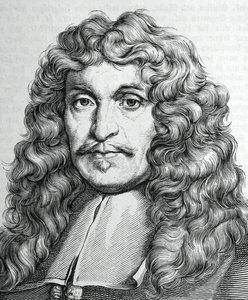
after joachim von sandrart
1606 - 1688
Основные сведения
- Artistic Movement Or Style: Baroque
- Artists Who Influenced This Artist:
- Aegidius Sadeler
- Gerrit van Honthorst
- Peter Paul Rubens
- Date Of Birth: 1606
- Date Of Death: 1688
- Full Name: Joachim von Sandrart
- Nationality: German
- Place Of Birth: Frankfurt am Main, Germany