 Предпросмотр
 Поделиться
 Поделиться
 Детали произведения

 Скачать
 Похожие работы
 Рентгенография
 Слайд-шоу
 Статистика
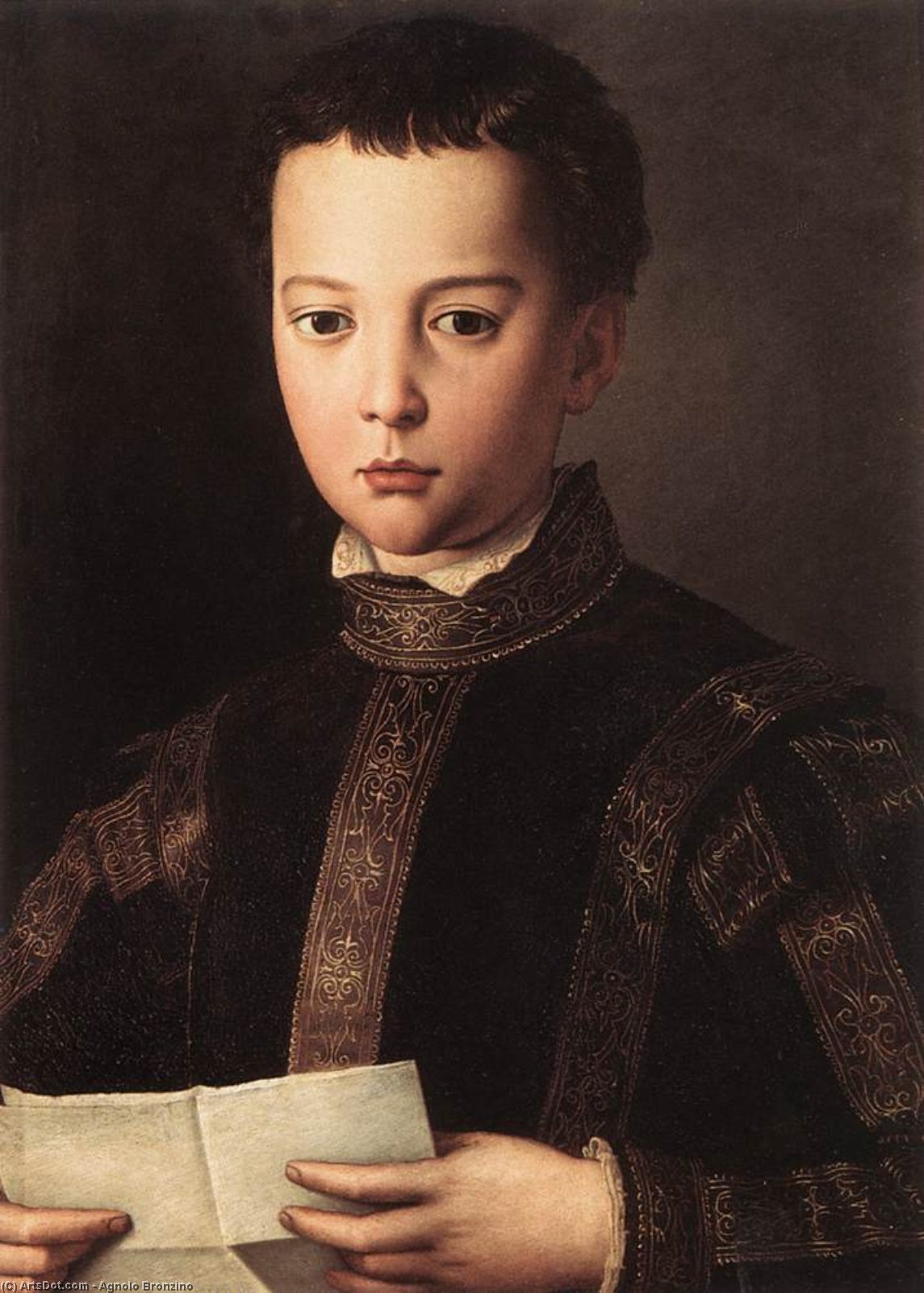
Portrait of Francesco de Medici
 Oil On Canvas
- WallArt
- Mannerist Portraiture
 1551
1551- Renaissance
 58.0 x 41.0 cm
 Галерея Уффици
 Читать далее
Жикле / Арт-принт
Печать (жикле) или холст музейного качества с быстрыми сроками изготовления и широким выбором вариантов отделки. ( Купить картину ручной работы Перейти к цифровым изображениям)




P118B $10

P118H $10

P118W $10

P438Z $10

P508JH $12

P508YH $12

P805H $10

P805Z $10

P919BZ $10

P919G $10

P919XJ $10

P959ZH $10

P968JZ $12

W106C $8

W218G $10

W218JH $8

W218Y $10

W307PJ $10

W316G $10

W316PJ $8

W316Y $10

W398PJ $8

W4111J $10

W500HY $15

W500JH $15

W692G $12

W849H $8

W940BG $15

W953PJ $8




Выберите один из наших стандартных размеров, соответствующих оригинальным пропорциям произведения искусства.

Вы можете указать свои собственные размеры, чтобы репродукция идеально подошла под конкретную раму или пространство. Если выбранный вами размер не будет соответствовать пропорциям оригинала, мы либо обрежем произведение, либо дополним изображение зеркальным отражением краев или однотонной заливкой. Перед началом производства вам будет отправлен цифровой макет для утверждения.
Пожалуйста, обратите внимание, что предварительный просмотр на экране не отображает фактическую обрезку или расширение изображения. Только макет точно покажет финальную композицию.
Несмотря на возможность заказа индивидуальных размеров, мы рекомендуем выбирать размер из предопределенного списка, чтобы сохранить оригинальные пропорции.
Доставка по всему миру () за 2 недели вместо стандартных 4/5 недель. (13 Сентябрь)

Бесплатная экспресс-доставка по всему миру

Высококачественный льняной холст

Полное страхование доставки

Гарантия возмещения таможенных пошлин

Гарантия точного соответствия цветов

100-дневная политика возврата (только при обнаружении дефектов)

Гарантия возврата 100% средств

Предложение оптовых скидок
 Вариант со стеклом доступен только для размеров менее 110 см

Portrait of Francesco de Medici
Жикле / Арт-принт
Размер репродукции
-


Итоговая стоимость
$ 62
A Glimpse into Florentine Grandeur: Agnolo Bronzino’s Portrait of Francesco de Medici
Agnolo Bronzino's "Portrait of Francesco de Medici," painted in 1551, is more than a simple likeness; it’s a meticulously crafted window into the heart of Renaissance Florence and the burgeoning power of the Medici dynasty. Housed within the Galleria degli Uffizi, this tempera on canvas work offers a rare glimpse into the world of a young prince, capturing not just his physical appearance but also an aura of poised authority and contemplative grace. Bronzino, a master of Mannerism, deliberately eschewed the exuberant emotionality favored by his contemporaries like Pontormo, instead presenting a carefully controlled elegance that became his signature style.
The Man in the Portrait: Francesco de Medici
The subject himself, Francesco I de’ Medici, was a pivotal figure in Florentine history. Born in 1541, he inherited the Grand Duchy at just ten years old, inheriting a legacy of political acumen and artistic patronage. The portrait itself depicts him as a boy of approximately that age, suggesting a deliberate intention to portray him not merely as a ruler but also as a young man on the cusp of adulthood – a symbol of continuity and future prosperity for Florence. He is dressed in the rich fabrics and elaborate details characteristic of Florentine nobility, reflecting his status and the wealth of his family. The letter he holds, a subtle detail often overlooked, hints at intellectual pursuits and perhaps even diplomatic correspondence, adding layers to the portrait’s narrative.
Bronzino's Mannerist Technique: Precision and Restraint
Bronzino’s mastery lies in his meticulous technique. The painting is executed with a remarkable degree of precision – note the flawlessly rendered fabrics, the delicate modeling of the face, and the subtle gradations of light and shadow. This isn't the loose, expressive brushwork of earlier Renaissance masters; instead, Bronzino employed a highly polished, almost photographic realism, achieved through layering thin glazes of tempera paint. This technique, combined with his use of cool colors – predominantly blues, grays, and whites – creates an atmosphere of stillness and formality, characteristic of Mannerism. The figures appear slightly elongated and idealized, reflecting the stylistic preferences of the period.
Symbolic Layers: A Study in Status and Control
Beyond its technical brilliance, the portrait is rich with symbolic meaning. The youthful appearance of Francesco speaks to the continuity of the Medici line, while his posture – upright and composed – conveys a sense of authority and control. The letter he holds could represent his role as a diplomat or scholar, reinforcing his image as a multifaceted leader. Bronzino’s deliberate use of artificial light, casting shadows that subtly define the form, further enhances this impression of carefully constructed presence. The background is deliberately devoid of detail, drawing all attention to the subject and emphasizing his importance.
A Legacy of Elegance: Reproductions for Today
ArtsDot offers exquisite hand-painted reproductions of Bronzino’s “Portrait of Francesco de Medici,” capturing the artist's meticulous detail and evocative atmosphere. Whether you are a discerning collector, an interior designer seeking to infuse your space with Renaissance elegance, or simply an admirer of this iconic work, our reproductions provide a faithful representation of this masterpiece. Each reproduction is created using traditional techniques and archival-quality materials, ensuring that it will endure for generations to come. Explore the collection today and bring a touch of Florentine grandeur into your home.
Похожие произведения
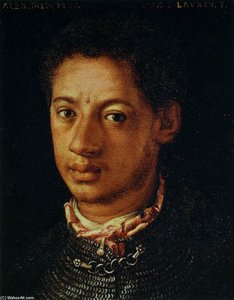
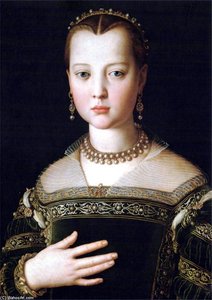
Биография художника
Agnolo Bronzino: Florentine Master of Reserved Elegance
Agnolo di Cosimo, known to history as Bronzino, emerged from the vibrant artistic landscape of Renaissance Florence in 1503, a period already brimming with genius. Born the son of a butcher, his path diverged sharply from familial trade, guided instead by an innate talent that would see him become one of the most sought-after portraitists of his era and a defining figure of Mannerism. His early training began with Raffaellino del Garbo, but it was under the tutelage of Jacopo da Pontormo that Bronzino’s artistic sensibilities truly took shape. While absorbing Pontormo's innovative style—characterized by expressive emotion and dynamic movement—he ultimately forged his own distinct voice—one characterized by a cool composure and refined detail markedly different from his teacher’s often emotionally charged works. This early period was also influenced by studies with Andrea del Sarto, exposing him to the legacies of Michelangelo and Leonardo da Vinci, foundational influences that would subtly permeate his mature style. The young Bronzino quickly demonstrated an aptitude for capturing not just physical likeness but a certain psychological depth, even in his earliest commissions.Early Influences and Artistic Formation
Bronzino’s formative years were marked by exposure to the artistic currents of Florence under Pontormo's guidance. Pontormo’s distinctive style—marked by elongated figures, swirling draperies, and an unsettling blend of realism and abstraction—challenged conventional notions of beauty and representation. Bronzino absorbed these lessons diligently, adapting Pontormo’s expressive techniques to his own artistic vision. Simultaneously, he studied the monumental sculptures of Michelangelo and Leonardo da Vinci, absorbing their mastery of anatomy and perspective. These influences instilled in him a profound appreciation for technical precision and intellectual rigor—qualities that would become hallmarks of his oeuvre. His early portraits showcased an uncanny ability to convey inner states through subtle gestures and facial expressions, demonstrating a sensitivity to psychological nuance rarely found among artists of his time.Ascension at the Medici Court: Patronage and Artistic Output
Bronzino’s career ascended dramatically with the patronage of Cosimo I de’ Medici, Duke of Tuscany. Recognizing Bronzino's exceptional talent, Cosimo appointed him as the official court painter—a position he held until his death in 1572—solidifying his status as one of Florence’s most celebrated artists. This relationship fostered a prolific artistic output, encompassing monumental frescoes for churches and palaces, elaborate decorative schemes, and countless portraits of the Medici family and their associates. Cosimo's wedding to Eleonora di Toledo served as an impetus for Bronzino’s creative endeavors—resulting in opulent decorations that proclaimed Florentine grandeur and dynastic ambition. The Duke commissioned a series of paintings depicting biblical narratives and mythological allegories—demonstrating Bronzino’s versatility as a storyteller and his command of visual symbolism.The Mannerist Style: Cool Composure and Refined Detail
Bronzino's artistic style is quintessentially Mannerist—a movement that flourished in Italy during the mid-16th century as a reaction against the High Renaissance's emphasis on naturalism and harmonious balance. He embraced elongated forms, stylized poses, and an often cool, detached emotionality. His figures are rarely caught in moments of spontaneous action; instead, they appear carefully posed, almost sculptural in their stillness. This stylistic preference—characterized by deliberate restraint and meticulous attention to detail—contrasted sharply with the expressive dynamism of artists like Pontormo and Raphael. Bronzino’s palette favored muted tones—particularly cool blues and greens—creating an atmosphere of serenity and elegance. He meticulously rendered textures—from velvet drapery to polished marble—enhancing the illusion of realism while simultaneously elevating it beyond mere imitation. His technique involved layering thin glazes over a preparatory underpainting, achieving remarkable luminosity and depth.Legacy and Influence: Shaping Florentine Art History
Bronzino’s influence extended far beyond his own lifetime, shaping the visual language of aristocratic portraiture throughout Europe for decades to come. He established himself as Florence's foremost artist—a master of Mannerist refinement whose portraits continue to captivate viewers centuries later. His meticulous attention to detail and stylistic control became models for subsequent generations of painters—inspiring them to pursue similar standards of excellence. Bronzino’s legacy resides not only in his impressive artistic output but also in his role as a champion of intellectual rigor and stylistic innovation—a figure who helped redefine the boundaries of artistic expression during a pivotal moment in European art history. His enduring fame testifies to the power of visual artistry to convey profound psychological insight and aesthetic beauty.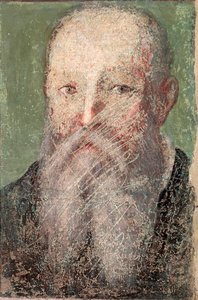
Агноло Бронзино
1503 - 1572 , Италия
Основные сведения
- Artistic Movement Or Style: Маньеризм
- Artists Who Influenced This Artist:
- Якопо да Понтормо
- Микеланджело
- Леонардо да Винчи
- Date Of Birth: 17 ноября 1503 г.
- Date Of Death: 23 ноября 1572 г.
- Full Name: Agnolo di Cosimo
- Nationality: Итальянский
- Notable Artworks:
- Венера и Купидон и Время
- Портреты Козимо I де' Медичи и Элеоноры Толедо
- Place Of Birth: Флоренция, Италия
Похожие статьи
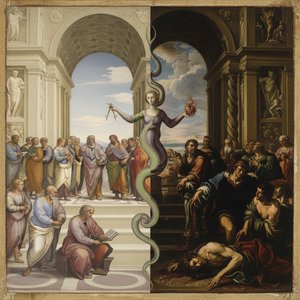
Mannerism: Bridging Renaissance Harmony & Baroque Drama – A Study of Style & Affectation
Explore the fascinating world of Mannerism! Discover its key characteristics, pioneering artists like Pontormo & Bronzino, and its pivotal role in bridging Renaissance harmony to Baroque drama. A comprehensive guide for art enthusiasts.
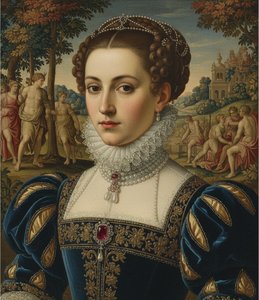
Agnolo Bronzino: Mastering Courtly Portraiture & the Enigmatic Gaze of Renaissance Florence
Explore the captivating world of Agnolo Bronzino, Renaissance master portraitist. Discover his elegant style, symbolic depth & lasting influence on art history. Expert insights for collectors.
25 Шедевров Уффици: Путешествие в Сердце Ренессанса | ArtsDot
Погрузитесь в мир Ренессанса с 25 шедеврами галереи Уффици! От Боттичелли до Леонардо да Винчи – истории, техники и вдохновение для вашего интерьера. Купите репродукции картин высочайшего качества на ArtsDot.com.
The Enduring Legacy of Family Portraiture: A Historical & Artistic Exploration
Explore the rich history of family portraiture with ArtsDot. Discover artistic styles, symbolism & collecting insights. Commission a custom oil painting or appraise your existing artwork today!
Эволюция семейных портретов: персонализированное искусство как летопись жизни поколений
Узнайте историю семейных портретов и откройте для себя искусство сохранения памяти поколений. Закажите уникальный портрет маслом у профессиональных художников! Персонализация, высокое качество, экспертные консультации.