 Предпросмотр
 Поделиться
 Поделиться
 Детали произведения

 Скачать
 Похожие работы
 Рентгенография
 Слайд-шоу
 Статистика
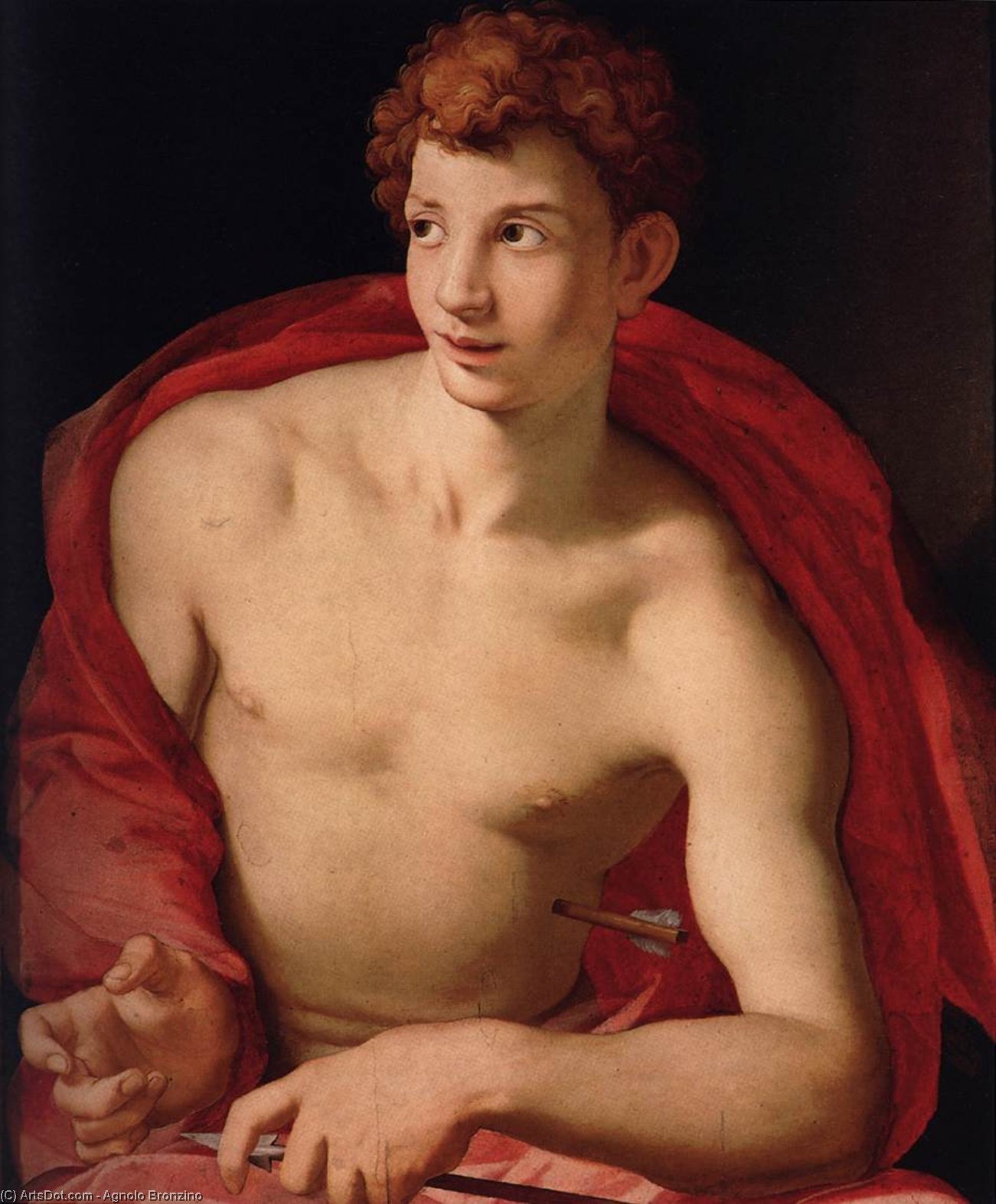
St Sebastian
 Acrylic On Canvas
- WallArt
- Mannerist Painting
 1525
1525 87.0 x 77.0 cm
 Музей Тиссен-Борнмизеса
 Читать далее
Масляная репродукция ручной работы
Картина маслом на холсте в выбранном вами размере и раме, написанная на заказ нашими художниками. ( Перейти к печати Перейти к цифровым изображениям)




P118B $10

P118H $10

P118W $10

P438Z $10

P508JH $12

P508YH $12

P805H $10

P805Z $10

P919BZ $10

P919G $10

P919XJ $10

P959ZH $10

P968JZ $12

W106C $8

W218G $10

W218JH $8

W218Y $10

W307PJ $10

W316G $10

W316PJ $8

W316Y $10

W398PJ $8

W4111J $10

W500HY $15

W500JH $15

W692G $12

W849H $8

W940BG $15

W953PJ $8




Выберите один из наших стандартных размеров, соответствующих оригинальным пропорциям произведения искусства.

Вы можете указать собственные размеры, чтобы картина идеально вписалась в выбранную раму или пространство. Если выбранный вами размер не соответствует пропорциям оригинала, мы либо обрежем полотно, либо расширим его за счет дополнительных элементов, написанных вручную. Цифровой макет будет отправлен вам на утверждение перед началом производства.
Обратите внимание, что предварительный просмотр на экране не отражает фактическую обрезку или расширение. Только макет точно покажет окончательную композицию.
Хотя доступны индивидуальные размеры, мы рекомендуем выбирать вариант из предопределенного списка, чтобы сохранить исходные пропорции.
После оформления заказа команда ArtsDot.com свяжется с клиентом по электронной почте для уточнения деталей и предоставит предварительный макет
Доставка по всему миру () за 3–4 недели вместо стандартных 5 недель. (10 Сентябрь). Без компромиссов в качестве.

Бесплатная экспресс-доставка по всему миру

Высококачественный льняной холст

Полное страхование доставки

Гарантия возмещения таможенных пошлин

Гарантия точного соответствия цветов

100-дневная политика возврата (только при обнаружении дефектов)

Гарантия возврата 100% средств

Предложение оптовых скидок
 Вариант со стеклом доступен только для размеров менее 110 см

St Sebastian
Техника репродукции
Размер репродукции
-


Итоговая стоимость
$ 263
Agnolo Bronzino’s St. Sebastian: A Study in Reserved Elegance
The painting of St. Sebastian, attributed to Agnolo Bronzino around 1525-28, is not a dramatic depiction of martyrdom but rather a masterful study in controlled emotion and refined beauty—a hallmark of the Florentine Mannerist style. Far removed from the turbulent expressions often associated with scenes of suffering, this particular St. Sebastian embodies an almost unsettling composure, inviting contemplation on the nature of faith, sacrifice, and the very essence of Renaissance portraiture. The work resides within the esteemed collection of the Museo Thyssen-Bornemisza in Madrid, a testament to its enduring artistic merit.
Bronzino’s approach diverges significantly from the emotionally charged realism prevalent in earlier Italian painting. He eschews the dramatic gestures and heightened colors characteristic of the High Renaissance, instead favoring a cool palette dominated by muted blues, browns, and ochres. The figure is rendered with an almost sculptural precision—the smooth, polished surfaces of his skin, the carefully draped fabric, all contribute to a sense of idealized perfection. The composition itself is remarkably restrained; the subject occupies a relatively small portion of the canvas, framed by dark, undefined backgrounds that heighten the sense of isolation and vulnerability. This deliberate sparseness forces the viewer’s attention directly onto the figure, amplifying its impact.
Technical Mastery and Mannerist Influence
Examining the painting's technique reveals Bronzino’s meticulous attention to detail and his deep understanding of oil paint. He employs a layering method known as *sfumato*, subtly blurring edges and creating an atmospheric haze that softens the forms and contributes to the overall sense of serenity. The rendering of light is particularly noteworthy—it appears diffused and almost ethereal, casting subtle shadows across the figure’s body and emphasizing its contours. This technique, combined with Bronzino's mastery of *disegno* (drawing), ensured a remarkable level of anatomical accuracy and compositional balance.
Bronzino’s work is profoundly influenced by Pontormo, his former teacher, yet he transcends mere imitation. While sharing Pontormo’s penchant for elongated figures and complex compositions, Bronzino tempers the emotional intensity with an almost detached elegance. The influence of Andrea del Sarto, a master of realism, can also be detected in the painting's careful attention to detail and its subtle use of color. The overall effect is a synthesis of these diverse influences—a uniquely refined style that would become synonymous with the Florentine Mannerist movement.
Symbolism and Context
The subject matter itself, St. Sebastian, a Roman soldier martyred for his Christian faith, carries significant symbolic weight. Traditionally depicted as being shot with arrows, the painting subtly avoids overt displays of violence. Instead, it focuses on the figure’s internal state—his quiet acceptance of fate and his unwavering devotion to God. The arrow wounds are present but understated, serving primarily as a reminder of his sacrifice rather than a source of dramatic pathos.
Painted during the height of Cosimo I de' Medici’s reign in Florence, this portrait reflects the powerful patronage system that fueled artistic innovation during the Renaissance. Bronzino was commissioned to create numerous portraits for the Medici court, and this painting exemplifies his ability to capture the essence of his subjects—their status, their power, and their inner lives—with remarkable skill and sophistication. The work’s placement within a series of courtly portraits underscores its function as both a personal tribute to Cosimo I and a demonstration of Bronzino's artistic prowess.
A Legacy of Reserved Beauty
St. Sebastian by Agnolo Bronzino stands as a compelling example of the Florentine Mannerist style—a period characterized by elegance, refinement, and an emphasis on formal beauty. It is not a painting that shouts for attention; rather, it invites quiet contemplation and rewards careful observation. The figure’s serene expression, combined with Bronzino's masterful technique, creates an image of enduring power and grace—a testament to the artist’s exceptional talent and his profound understanding of human psychology.
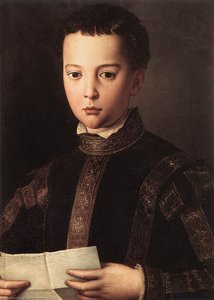
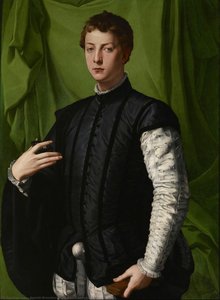
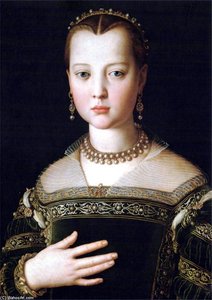
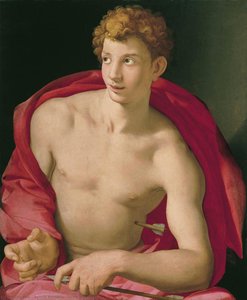
Похожие произведения

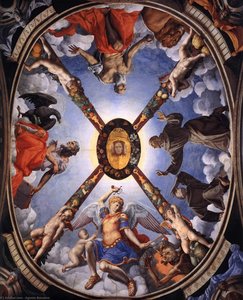
Биография художника
Agnolo Bronzino: Florentine Master of Reserved Elegance
Agnolo di Cosimo, known to history as Bronzino, emerged from the vibrant artistic landscape of Renaissance Florence in 1503, a period already brimming with genius. Born the son of a butcher, his path diverged sharply from familial trade, guided instead by an innate talent that would see him become one of the most sought-after portraitists of his era and a defining figure of Mannerism. His early training began with Raffaellino del Garbo, but it was under the tutelage of Jacopo da Pontormo that Bronzino’s artistic sensibilities truly took shape. While absorbing Pontormo's innovative style—characterized by expressive emotion and dynamic movement—he ultimately forged his own distinct voice—one characterized by a cool composure and refined detail markedly different from his teacher’s often emotionally charged works. This early period was also influenced by studies with Andrea del Sarto, exposing him to the legacies of Michelangelo and Leonardo da Vinci, foundational influences that would subtly permeate his mature style. The young Bronzino quickly demonstrated an aptitude for capturing not just physical likeness but a certain psychological depth, even in his earliest commissions.Early Influences and Artistic Formation
Bronzino’s formative years were marked by exposure to the artistic currents of Florence under Pontormo's guidance. Pontormo’s distinctive style—marked by elongated figures, swirling draperies, and an unsettling blend of realism and abstraction—challenged conventional notions of beauty and representation. Bronzino absorbed these lessons diligently, adapting Pontormo’s expressive techniques to his own artistic vision. Simultaneously, he studied the monumental sculptures of Michelangelo and Leonardo da Vinci, absorbing their mastery of anatomy and perspective. These influences instilled in him a profound appreciation for technical precision and intellectual rigor—qualities that would become hallmarks of his oeuvre. His early portraits showcased an uncanny ability to convey inner states through subtle gestures and facial expressions, demonstrating a sensitivity to psychological nuance rarely found among artists of his time.Ascension at the Medici Court: Patronage and Artistic Output
Bronzino’s career ascended dramatically with the patronage of Cosimo I de’ Medici, Duke of Tuscany. Recognizing Bronzino's exceptional talent, Cosimo appointed him as the official court painter—a position he held until his death in 1572—solidifying his status as one of Florence’s most celebrated artists. This relationship fostered a prolific artistic output, encompassing monumental frescoes for churches and palaces, elaborate decorative schemes, and countless portraits of the Medici family and their associates. Cosimo's wedding to Eleonora di Toledo served as an impetus for Bronzino’s creative endeavors—resulting in opulent decorations that proclaimed Florentine grandeur and dynastic ambition. The Duke commissioned a series of paintings depicting biblical narratives and mythological allegories—demonstrating Bronzino’s versatility as a storyteller and his command of visual symbolism.The Mannerist Style: Cool Composure and Refined Detail
Bronzino's artistic style is quintessentially Mannerist—a movement that flourished in Italy during the mid-16th century as a reaction against the High Renaissance's emphasis on naturalism and harmonious balance. He embraced elongated forms, stylized poses, and an often cool, detached emotionality. His figures are rarely caught in moments of spontaneous action; instead, they appear carefully posed, almost sculptural in their stillness. This stylistic preference—characterized by deliberate restraint and meticulous attention to detail—contrasted sharply with the expressive dynamism of artists like Pontormo and Raphael. Bronzino’s palette favored muted tones—particularly cool blues and greens—creating an atmosphere of serenity and elegance. He meticulously rendered textures—from velvet drapery to polished marble—enhancing the illusion of realism while simultaneously elevating it beyond mere imitation. His technique involved layering thin glazes over a preparatory underpainting, achieving remarkable luminosity and depth.Legacy and Influence: Shaping Florentine Art History
Bronzino’s influence extended far beyond his own lifetime, shaping the visual language of aristocratic portraiture throughout Europe for decades to come. He established himself as Florence's foremost artist—a master of Mannerist refinement whose portraits continue to captivate viewers centuries later. His meticulous attention to detail and stylistic control became models for subsequent generations of painters—inspiring them to pursue similar standards of excellence. Bronzino’s legacy resides not only in his impressive artistic output but also in his role as a champion of intellectual rigor and stylistic innovation—a figure who helped redefine the boundaries of artistic expression during a pivotal moment in European art history. His enduring fame testifies to the power of visual artistry to convey profound psychological insight and aesthetic beauty.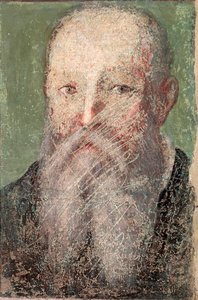
Агноло Бронзино
1503 - 1572 , Италия
Основные сведения
- Artistic Movement Or Style: Маньеризм
- Artists Who Influenced This Artist:
- Якопо да Понтормо
- Микеланджело
- Леонардо да Винчи
- Date Of Birth: 17 ноября 1503 г.
- Date Of Death: 23 ноября 1572 г.
- Full Name: Agnolo di Cosimo
- Nationality: Итальянский
- Notable Artworks:
- Венера и Купидон и Время
- Портреты Козимо I де' Медичи и Элеоноры Толедо
- Place Of Birth: Флоренция, Италия
Похожие статьи

The Enduring Power of Painting: A Historical & Contemporary Exploration of Form and Emotion
Explore the rich history & enduring techniques of oil painting with ArtsDot. Discover masterpieces, learn about art collecting, and find authentic handmade reproductions crafted by skilled artists.
Mannerism: Bridging Renaissance Harmony & Baroque Drama – A Study of Style & Affectation
Explore the fascinating world of Mannerism! Discover its key characteristics, pioneering artists like Pontormo & Bronzino, and its pivotal role in bridging Renaissance harmony to Baroque drama. A comprehensive guide for art enthusiasts.

The Enduring Legacy of Oil on Canvas: Technique, History & Aesthetic Impact
Explore the rich history & techniques of oil painting – from Renaissance masters to Impressionism. Discover pigments, layering methods, and why this timeless medium endures. Expert insights for artists & art enthusiasts.

Oil on Canvas: A Historical & Technical Exploration of a Timeless Artistic Medium
Explore the rich history & enduring techniques of oil painting on canvas. Discover the science behind its longevity, conservation practices, and contemporary relevance. Expert insights for art enthusiasts.
Agnolo Bronzino: Mastering Courtly Portraiture & the Enigmatic Gaze of Renaissance Florence
Explore the captivating world of Agnolo Bronzino, Renaissance master portraitist. Discover his elegant style, symbolic depth & lasting influence on art history. Expert insights for collectors.