


 Предпросмотр
 Поделиться
 Поделиться
 Детали произведения

 Скачать
 Похожие работы
 Рентгенография
 Слайд-шоу
 Статистика
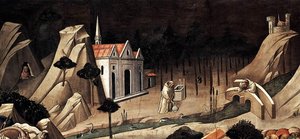
The Triumph of the Cross (detail)


 Читать далее
Приобретите цифровое изображение высокого разрешения в улучшенном качестве, которое значительно превосходит онлайн-превью.
Каждый файл тщательно подготавливается нашими специалистами с использованием передовых инструментов и экспертной ручной ретуши. Мы гарантируем исключительную четкость, точную цветопередачу и детальную проработку каждого изображения.
Финальный файл доставляется по электронной почте в течение 72 часов и оптимизирован для немедленного использования в профессиональной среде, при верстке и печати. Это тот же уровень качества, которому доверяют ведущие дизайнерские студии, издательства и галереи.
Цифровое изображение
Скачайте файл высокого разрешения для личного использования, печати и творческих проектов. ( Перейти к печати Купить картину ручной работы)
Включено в каждый заказ цифровых изображений
Гарантия экспертной цифровой доставки
Выбирая ArtsDot.com, вы получаете не просто изображение — вы приобретаете профессионально обработанное цифровое произведение искусства, созданное с безупречной точностью и под защитой гарантии качества. Вот всё, что автоматически входит в ваш заказ:

Мгновенная доставка по e-mail
Ваш цифровой файл в высоком разрешении будет отправлен вам по электронной почте в течение 72 часов после оформления заказа — и сразу станет доступен для использования.

Цифровой файл с ИИ-улучшением
Ваше произведение искусства проходит профессиональную оптимизацию с использованием передовых инструментов ИИ и ручной обработки, что гарантирует максимальную детализацию, четкость и точность цветопередачи.

Бессрочная бесплатная повторная доставка
Случайно удалили или потеряли файл? Не беспокойтесь — мы отправим его вам повторно в любое время и совершенно бесплатно.

Без импортных пошлин — навсегда
Наслаждайтесь вашим произведением искусства мгновенно без таможенных пошлин, сборов или затрат на доставку — цифровые загрузки всегда не облагаются налогом.

Гарантия точности цветопередачи
Мы гарантируем, что ваше цифровое изображение максимально точно передает оригинальные цвета благодаря использованию профессиональных инструментов и систем управления цветом.

Гарантия удовлетворенности 100 дней
Если вы не будете удовлетворены своим цифровым изображением, мы внесем правки или вернем 100% стоимости в течение 100 дней — без лишних вопросов.

100% Гарантия возврата средств
Не удовлетворены покупкой? Получите полный возврат средств в течение 100 дней после получения цифрового файла — без лишних вопросов.

Скидки на оптовые заказы
Купите 3 изображения, сэкономьте 10% — Купите 5, сэкономьте 15% — Купите 10+, сэкономьте 20%. Отличное решение для творческих проектов, галерей и агентств.
A Glimpse into Florentine Faith: Agnolo Gaddi’s Triumph of the Cross
The fresco known as “The Triumph of the Cross,” painted by Agnolo Gaddi around 1380 in the Basilica of Santa Croce in Florence, isn't merely a depiction of a pivotal biblical event; it’s a vibrant window into the artistic and spiritual landscape of early Renaissance Italy. Commissioned for the chapel of San Leonardo, this monumental work embodies the burgeoning humanist spirit while retaining the deeply rooted Gothic traditions that shaped Florentine art during its formative years. Gaddi, as the last major follower of Giotto's style, masterfully bridged the gap between the late medieval and the nascent Renaissance, imbuing his fresco with a sense of dynamic movement and profound emotional resonance.
The scene unfolds with an arresting energy – not a static representation of suffering, but a palpable drama centered around the central cross. The composition is meticulously structured, drawing the viewer’s eye along a carefully orchestrated diagonal from the lower left corner, where figures gather in solemn contemplation, towards the apex of the cross itself. This deliberate arrangement creates a powerful sense of depth and directs our gaze to the heart of the narrative: the moment of Christ's sacrifice. Gaddi’s mastery lies not just in his technical skill but also in his ability to convey the weight of this event through gesture, expression, and the interplay of light and shadow.
A Symphony of Color and Technique
Gaddi’s technique is a fascinating blend of Giotto's naturalism and the emerging innovations of the Renaissance. He employs a vibrant palette – rich reds, deep blues, and earthy greens – to depict the figures and architectural elements with remarkable realism. Notice particularly the subtle gradations of color in the drapery, which create a sense of volume and texture that brings the clothing to life. The fresco’s application is characterized by a delicate layering of pigments, achieved through meticulous glazing techniques—a hallmark of Gaddi's style. This layering allows light to penetrate deeply into the paint surface, producing an astonishing luminosity that seems to emanate from within the figures themselves.
The artist skillfully utilizes *sfumato*, a technique borrowed from Leonardo da Vinci, to soften outlines and create atmospheric effects. This is most evident in the background architecture, where the buildings recede into the distance with a hazy quality, contributing to the fresco’s overall sense of depth and perspective. The use of *chiaroscuro* – the dramatic contrast between light and dark – further enhances the emotional impact of the scene, highlighting key figures and emphasizing the solemnity of the event.
Symbolism and Spiritual Depth
Beyond its technical brilliance, “The Triumph of the Cross” is laden with symbolic meaning. The presence of numerous figures—including saints, angels, and ordinary people—represents the universality of Christ’s sacrifice and its relevance to all humanity. The inclusion of specific details, such as the depiction of Saint Bernard preaching and Saint Catherine of Alexandria offering prayers, underscores the importance of faith and devotion within the Florentine community. The central cross itself is not simply a symbol of death but also of resurrection—a potent reminder of hope and redemption.
The figures are arranged in a carefully choreographed manner, each contributing to the overall narrative. Note how the gestures of the figures – hands raised in prayer, faces filled with sorrow or awe – convey a range of emotions that resonate deeply with the viewer. The artist’s ability to capture these subtle nuances of expression is a testament to his profound understanding of human psychology and his deep-seated faith.
A Legacy of Florentine Art
“The Triumph of the Cross” stands as a pivotal work in the transition from Gothic to Renaissance art. While firmly rooted in the traditions of Giotto, Gaddi’s fresco demonstrates a willingness to experiment with new techniques and approaches— foreshadowing the innovations that would characterize the High Renaissance. It is a testament to the artistic vitality of Florence during this period and a powerful reminder of the enduring power of faith and symbolism. Reproductions of this magnificent fresco offer a captivating glimpse into the heart of Florentine culture and the profound spiritual beliefs that shaped its artistic legacy.
Похожие произведения

Биография художника
Agnolo Gaddi: Florentine Painter and the Last Echoes of Giotto
Agnolo Gaddi (c. 1350 – October 10, 1396) stands as a singular figure in the artistic panorama of Florence during the mid-XIV century—a descendant of Giotto di Bondone whose legacy transcended mere imitation, subtly reshaping the stylistic currents that would propel Florentine art toward the dawn of the Renaissance. He wasn’t merely perpetuating a tradition; he was skillfully navigating its transition, bridging the gap between Gothic grandeur and nascent humanist ideals. While often portrayed as “the last great Florentine painter descended from Giotto,” this categorization overlooks the profound complexity of his artistic journey—a journey marked by innovation tempered with respect for established conventions.A Familial Lineage Rooted in Innovation
Agnolo’s artistic lineage began with Taddeo Gaddi (1300 – 1366), himself a devoted pupil and protégé of Giotto di Bondone—the revolutionary artist who irrevocably altered the course of Western painting by introducing naturalism, emotional depth, and narrative clarity into Florentine art. This familial connection immediately positioned Agnolo within the epicenter of artistic ferment that Florence had become during Giotto’s lifetime—a city pulsating with intellectual curiosity and burgeoning economic prosperity. Taddeo's influence is palpable in Agnolo’s early works, particularly evident in his frescoes for San Jacopo tra i Fossi, where he skillfully employed dramatic lighting and expressive figures to convey the solemn grandeur of biblical narratives. This stylistic inheritance wasn’t simply a matter of copying Giotto’s techniques; it was about absorbing his spirit—a spirit that championed human emotion and sought to depict the divine within the earthly realm.The Gothic Legacy: Ornamentation, Light, and Emotional Resonance
Agnolo Gaddi's artistic style bears unmistakable traces of Gothic aesthetics—a fascination for ornate decoration, luminous illumination, and profound emotional resonance. Like Giotto before him, he embraced a visual language characterized by rich textural surfaces, intricate drapery folds, and carefully calibrated color palettes. However, Agnolo distinguished himself from his teacher through a subtle refinement of these elements—a move toward elegance and sophistication that reflected the evolving tastes of Florentine society. Consider the frescoes adorning Santa Croce—particularly those depicting the Legend of the True Cross. The monumental figures are imbued with palpable emotion, conveying both sorrow and awe—qualities that resonate deeply within the viewer’s experience. This expressive impulse is further amplified by Gaddi's masterful manipulation of light—creating dramatic chiaroscuro effects that heighten the visual impact of his compositions.Santa Croce: A Masterpiece of Narrative Painting
Among Agnolo Gaddi’s most celebrated achievements resides the monumental cycle of frescoes commissioned for Santa Croce—Florence’s cathedral dedicated to Saint Benedict—a project that cemented his reputation as one of Florence's foremost artists. These eight panels recount the biblical narrative of the True Cross, commencing with Michael the Archangel delivering a branch from the Tree of Knowledge to Seth—a scene rendered with breathtaking precision and imbued with palpable spiritual fervor. The frescoes exemplify Gaddi’s ability to synthesize Gothic grandeur with humanist sensibilities—capturing both the solemn majesty of religious iconography and the expressive dynamism characteristic of Early Renaissance art. Notably, Agnolo Gaddi included a portrait of himself within one of these panels—a testament to his confidence in his own artistic prowess and a poignant reminder of the artist's role as participant in the unfolding drama of Florentine culture.Beyond Santa Croce: Patronage, Technique, and Artistic Influence
Agnolo Gaddi’s artistic career extended beyond the cathedral walls—receiving commissions from wealthy patrons throughout Florence and Venice alike. His versatility as an artist is underscored by his involvement in diverse mediums—including tempera panels, mosaics, and sculptural medallions—demonstrating a mastery of technique that rivaled the greatest masters of his time. Furthermore, Gaddi exerted considerable influence on subsequent generations of Florentine painters—particularly Cennino Cennini, whose *Il Libro dell’Arte* acknowledges Gaddi as a pivotal figure in shaping artistic sensibilities. Cennini's treatise championed realism and meticulous observation—values that mirrored Gaddi’s own approach to painting—establishing him as a cornerstone of Italian art history. Agnolo Gaddi’s legacy endures not merely as an exemplar of Gothic style but as a conduit between tradition and innovation—a testament to the enduring power of artistic vision and craftsmanship.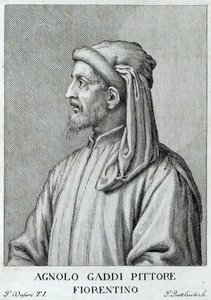
Агноло Гадди
1350 - 1396 , Италия
Основные сведения
- Artistic Movement Or Style: Gothic, Early Renaissance
- Artists Who Influenced This Artist:
- Taddeo Gaddi
- Giotto
- Date Of Birth: Florence, Italy (1350)
- Date Of Death: October 10, 1396
- Full Name: Agnolo Gaddi
- Nationality: Italian
- Notable Artworks:
- The Last Supper
- Crucifixion
- Discovery of True Cross
- Place Of Birth: Florence