

 Предпросмотр
 Поделиться
 Поделиться
 Детали произведения

 Скачать
 Похожие работы
 Рентгенография
 Слайд-шоу
 Статистика
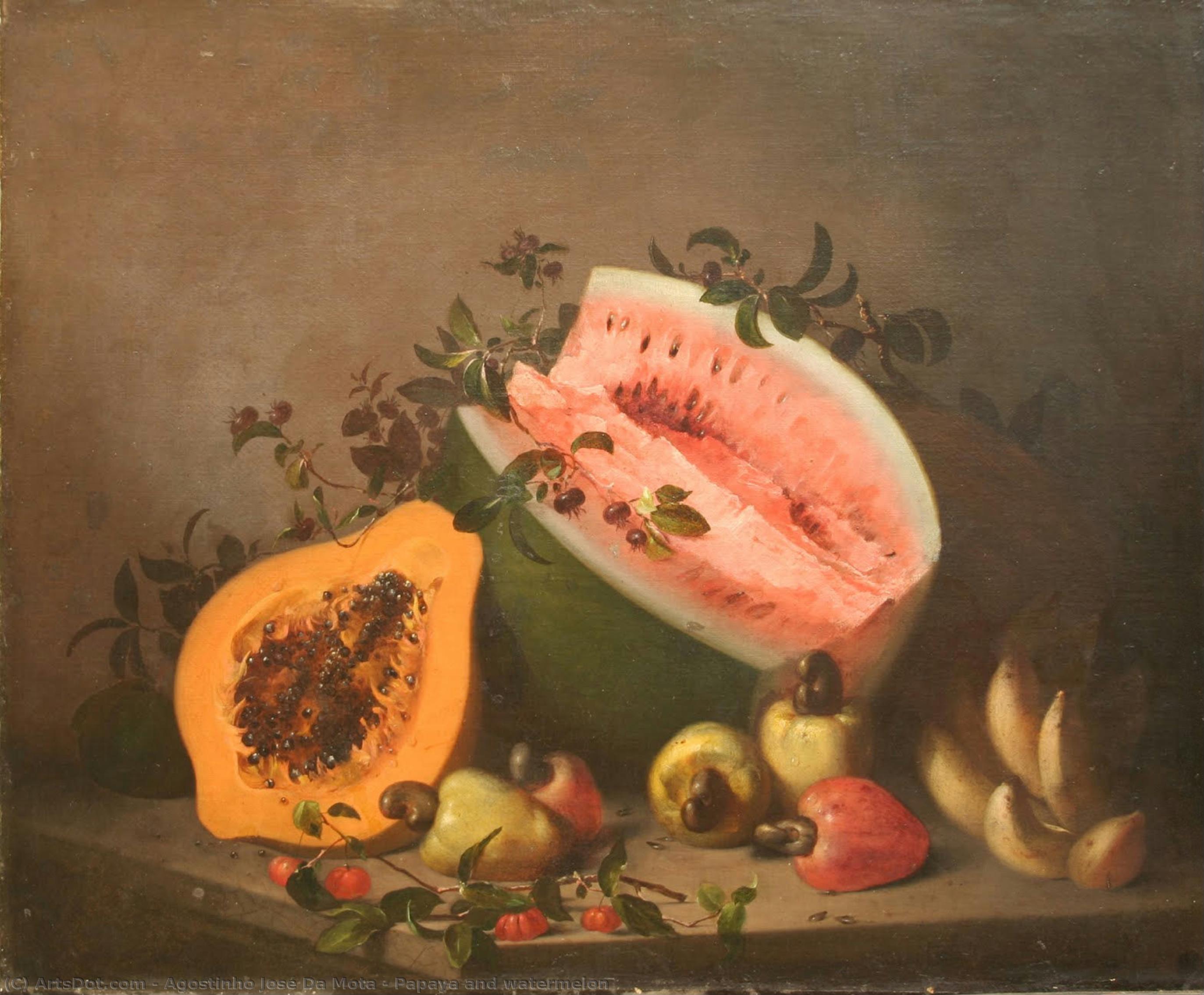
Papaya and watermelon

 Читать далее
Жикле / Арт-принт
Печать (жикле) или холст музейного качества с быстрыми сроками изготовления и широким выбором вариантов отделки. ( Купить картину ручной работы Перейти к цифровым изображениям)




































Выберите один из наших стандартных размеров, соответствующих оригинальным пропорциям произведения искусства.

Вы можете указать свои собственные размеры, чтобы репродукция идеально подошла под конкретную раму или пространство. Если выбранный вами размер не будет соответствовать пропорциям оригинала, мы либо обрежем произведение, либо дополним изображение зеркальным отражением краев или однотонной заливкой. Перед началом производства вам будет отправлен цифровой макет для утверждения.
Пожалуйста, обратите внимание, что предварительный просмотр на экране не отображает фактическую обрезку или расширение изображения. Только макет точно покажет финальную композицию.
Несмотря на возможность заказа индивидуальных размеров, мы рекомендуем выбирать размер из предопределенного списка, чтобы сохранить оригинальные пропорции.
Доставка по всему миру () за 2 недели вместо стандартных 4/5 недель. (12 Сентябрь)

Бесплатная экспресс-доставка по всему миру

Высококачественный льняной холст

Полное страхование доставки

Гарантия возмещения таможенных пошлин

Гарантия точного соответствия цветов

100-дневная политика возврата (только при обнаружении дефектов)

Гарантия возврата 100% средств

Предложение оптовых скидок
 Вариант со стеклом доступен только для размеров менее 110 см

Papaya and watermelon
Жикле / Арт-принт
Размер репродукции
-


Итоговая стоимость
$ 62
Похожие произведения



Биография художника
Agostinho José da Mota: Life and Legacy
Early Life and Education
Agostinho José da Mota, a prominent Brazilian painter and educator, was born on June 18, 1824, in Rio de Janeiro. From an early age, he demonstrated a strong inclination towards art, leading him to enroll at the Imperial Academy of Fine Arts in 1837. His natural talent and dedication quickly became apparent, setting the stage for a distinguished artistic career.
Artistic Development and Influences
Da Mota’s academic training provided him with a solid foundation in traditional techniques. In 1850, he was awarded a prestigious travel prize, enabling him to study in Europe. From 1851 to 1855, he resided in Rome, where he received guidance from the renowned French landscape painter Jean-Achille Benouville. This mentorship profoundly influenced his artistic style, particularly his approach to light, composition, and atmospheric perspective.
Career and Notable Works
Upon returning to Brazil in 1859, Da Mota began teaching at the Imperial Academy of Fine Arts, eventually heading the departments of drawing and landscape painting. He became a highly respected instructor, shaping the next generation of Brazilian artists. His own artistic output spanned various genres, but he is particularly celebrated for his still lifes and landscapes.
- A fábrica do Barão de Capanema (1862): A detailed depiction of an industrial scene, showcasing Da Mota’s skill in rendering complex compositions.
- Flores (c. 1873): Exemplifies his mastery of still life painting, capturing the delicate beauty and vibrant colors of flowers.
- Papaya and watermelon : A beautiful example of his still life work.
- Palácio Imperial de Petrópolis : Showcases his landscape skills.
Achievements and Recognition
Throughout his career, Da Mota received numerous accolades for his artistic contributions. He earned a gold medal at the General Exhibition of Fine Arts in 1852, followed by the Order of the Rose in 1868 and the Order of Christ in 1871. His students included several artists who would later achieve prominence, such as Modesto Brocos, Henrique Bernardelli, Pedro Peres, Firmino Monteiro, and José Maria de Medeiros.
Historical Significance and Legacy
Da Mota is recognized as a pioneer of outdoor painting (plein air) in Brazil, predating Georg Grimm, who often receives credit for this innovation. He embraced the practice of painting directly from nature, capturing the fleeting effects of light and atmosphere. Despite facing financial difficulties later in life – even resorting to painting advertising hoardings to make ends meet – his artistic legacy endures. His work represents a significant chapter in the development of Brazilian Romanticism and continues to inspire artists today.
Later Life and Death
Agostinho José da Mota passed away on August 21, 1878, in Rio de Janeiro. His life story serves as a testament to his dedication to art, even amidst personal challenges. He left behind a rich body of work that continues to be admired for its technical skill, aesthetic beauty, and historical importance.
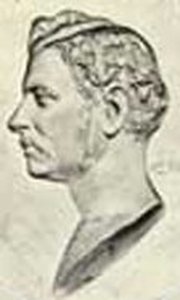
agostinho josé da mota
1824 - 1878 , Brazil
Основные сведения
- Birth Date: 1824-06-18
- Birth Place: Rio de Janeiro, Brazil
- Death Date: 1878
- Influenced:
- Modesto Brocos
- Henrique Bernardelli
- Pedro Peres
- Firmino Monteiro
- José Maria de Medeiros
- Influenced By: Jean-Achille Benouville
- Movement: Brazilian Romanticism
- Name: Agostinho José da Mota
- Nationality: Brazilian
- Notable Works:
- A fábrica do Barão de Capanema
- Flores
- Papaya and watermelon
- Palácio Imperial de Petrópolis