

 Предпросмотр
 Поделиться
 Поделиться
 Детали произведения

 Скачать
 Похожие работы
 Рентгенография
 Слайд-шоу
 Статистика
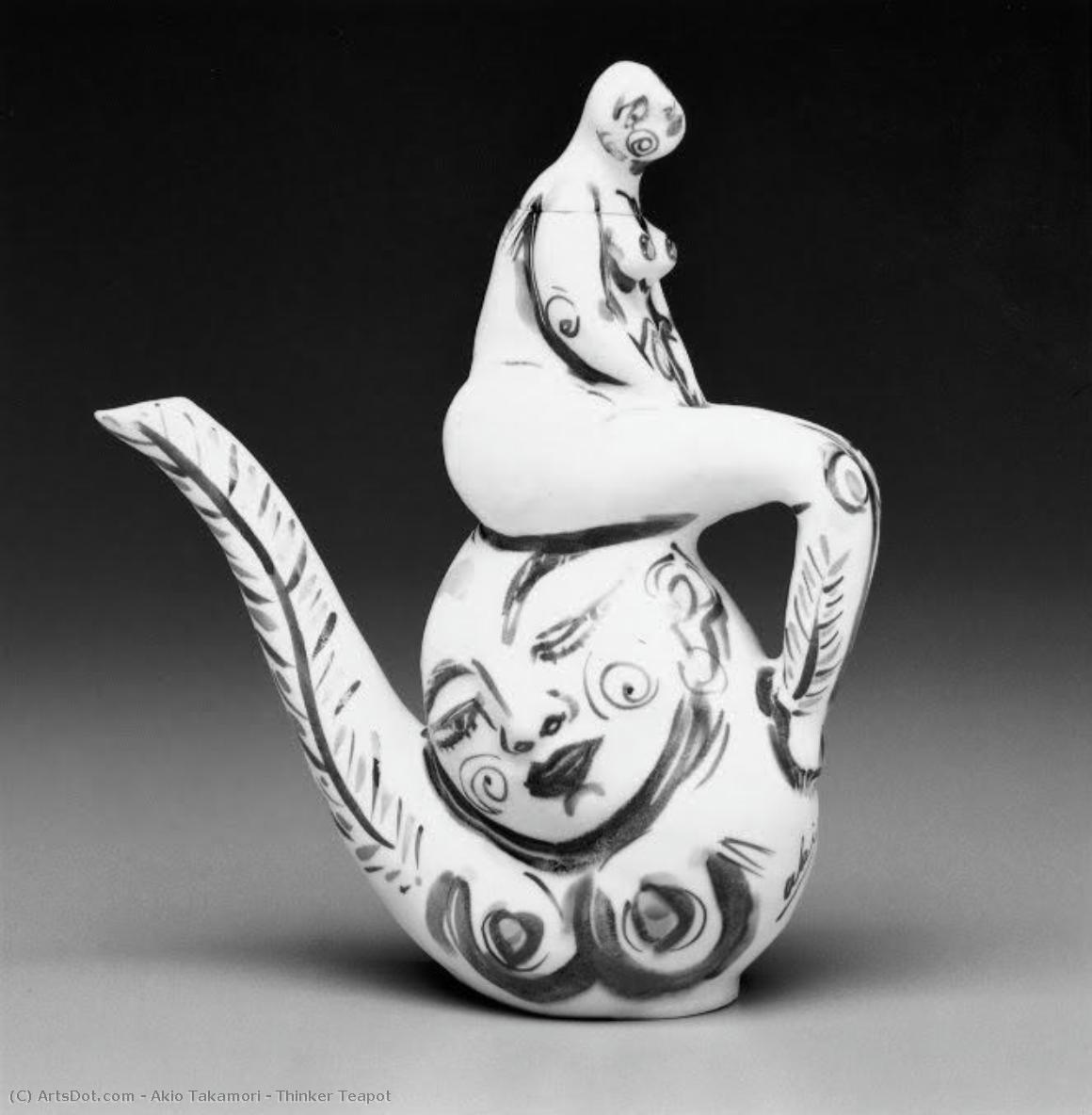
Thinker Teapot

 Читать далее
Приобретите цифровое изображение высокого разрешения в улучшенном качестве, которое значительно превосходит онлайн-превью.
Каждый файл тщательно подготавливается нашими специалистами с использованием передовых инструментов и экспертной ручной ретуши. Мы гарантируем исключительную четкость, точную цветопередачу и детальную проработку каждого изображения.
Финальный файл доставляется по электронной почте в течение 72 часов и оптимизирован для немедленного использования в профессиональной среде, при верстке и печати. Это тот же уровень качества, которому доверяют ведущие дизайнерские студии, издательства и галереи.
Цифровое изображение
Скачайте файл высокого разрешения для личного использования, печати и творческих проектов. ( Перейти к печати Купить картину ручной работы)
Включено в каждый заказ цифровых изображений
Гарантия экспертной цифровой доставки
Выбирая ArtsDot.com, вы получаете не просто изображение — вы приобретаете профессионально обработанное цифровое произведение искусства, созданное с безупречной точностью и под защитой гарантии качества. Вот всё, что автоматически входит в ваш заказ:

Мгновенная доставка по e-mail
Ваш цифровой файл в высоком разрешении будет отправлен вам по электронной почте в течение 72 часов после оформления заказа — и сразу станет доступен для использования.

Цифровой файл с ИИ-улучшением
Ваше произведение искусства проходит профессиональную оптимизацию с использованием передовых инструментов ИИ и ручной обработки, что гарантирует максимальную детализацию, четкость и точность цветопередачи.

Бессрочная бесплатная повторная доставка
Случайно удалили или потеряли файл? Не беспокойтесь — мы отправим его вам повторно в любое время и совершенно бесплатно.

Без импортных пошлин — навсегда
Наслаждайтесь вашим произведением искусства мгновенно без таможенных пошлин, сборов или затрат на доставку — цифровые загрузки всегда не облагаются налогом.

Гарантия точности цветопередачи
Мы гарантируем, что ваше цифровое изображение максимально точно передает оригинальные цвета благодаря использованию профессиональных инструментов и систем управления цветом.

Гарантия удовлетворенности 100 дней
Если вы не будете удовлетворены своим цифровым изображением, мы внесем правки или вернем 100% стоимости в течение 100 дней — без лишних вопросов.

100% Гарантия возврата средств
Не удовлетворены покупкой? Получите полный возврат средств в течение 100 дней после получения цифрового файла — без лишних вопросов.

Скидки на оптовые заказы
Купите 3 изображения, сэкономьте 10% — Купите 5, сэкономьте 15% — Купите 10+, сэкономьте 20%. Отличное решение для творческих проектов, галерей и агентств.
Похожие произведения






Биография художника
The Soul in the Clay: The Life and Legacy of Akio Takamori
To encounter the work of Akio Takamori is to meet a gaze that transcends the boundary between clay and flesh. Born in 1950 in the quiet town of Nobeoka, Miyazaki, Japan, Takamori’s early years were steeped in a rich tapestry of sensory experiences. The son of a dermatologist, his childhood was framed by the clinical precision of his father’s medical practice and the vibrant, often complex reality of a community living near a red-light district. This duality—the anatomical and the human, the sterile and the visceral—would later become a cornerstone of his artistic inquiry. His formative education at Musashino Art University provided him with a rigorous foundation, but it was his journey across the Pacific in 1974 that would truly ignite his creative metamorphosis.
Upon arriving in the United States, Takamori found himself immersed in a new landscape of artistic possibility. Studying at the Kansas City Art Institute under the mentorship of Ken Ferguson, he was encouraged to move beyond the traditional boundaries of functional pottery and embrace the power of the figurative. This pivotal shift led him toward an MFA from Alfred University in 1978, where his technical mastery began to merge with a burgeoning narrative impulse. His work became a bridge between East and West, blending the disciplined aesthetics of Japanese tradition with the expressive, often autobiographical freedom found in American contemporary ceramics.
The Envelope Vessel: A Fusion of Form and Narrative
Takamori’s signature technique, which he famously referred to as the “envelope vessel,” represents a profound departure from conventional ceramic sculpture. Rather than treating the surface as a mere container for glaze, Takamori utilized the clay body as a canvas for intricate, painterly storytelling. He meticulously applied layers of color and texture that seemed to wrap around his forms like skin, creating a sense of vitality and breath. His sculptures—often coil-built and featuring delicate human features—were not static objects but living entities. Through his mastery of glaze, he could evoke the softness of a cheek, the warmth of an infant’s limb, or the weathered wisdom of an elder.
The subjects of his work were deeply rooted in memory and identity. He drew from the faces of villagers, school children, and shopkeepers, often modeling them from personal recollections of his Japanese upbringing. These figures were rarely isolated; instead, they frequently appeared in loose, communal arrangements, suggesting the interconnectedness of human existence. By imbuing ceramic vessels with recognizable human traits, Takamori transformed the medium of pottery into a vessel for profound introspection, inviting viewers to contemplate themes of vulnerability, intimacy, and the shared human condition.
A Legacy of Connection and Cultural Synthesis
Throughout his illustrious career, Takamori’s influence resonated far beyond the walls of his studio. As a professor emeritus at the University of Washington, he shaped generations of ceramic artists, imparting not just technical skill but a philosophy of humanist expression. His work earned him prestigious recognition, including the Virginia A. Groot Foundation Award in 2001, and his pieces found permanent homes in the world's most esteemed institutions, such as:
- The Smithsonian American Art Museum
- The Los Angeles County Museum of Art (LACMA)
- The Victoria and Albert Museum
- The Nelson-Atkins Museum of Art
- The Carnegie Museum of Art
Takamori’s artistic significance lies in his ability to synthesize seemingly disparate influences—the Zen concept of wabi-sabi, the anatomical precision of medical charts, and the bold, anti-authoritarian spirit of contemporary American craft. He navigated the tension between the ephemeral nature of life and the permanence of fired clay with unparalleled grace. Even as he faced his final years, his commitment to exploring the nuances of human interaction remained undiminished. Akio Takamori left behind a body of work that serves as a timeless testament to the beauty found in our shared fragility, ensuring that his sculpted gazes will continue to haunt and inspire the art world for generations to come.
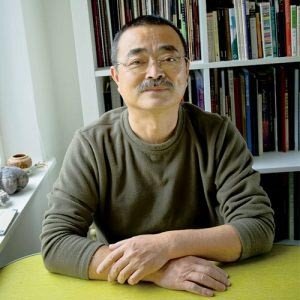
Akio Takamori
1950 - 2017 , Japan
Основные сведения
- Artistic Movement Or Style: Ceramic sculpture
- Date Of Birth: October 11, 1950
- Date Of Death: January 11, 2017
- Full Name: Akio Takamori
- Nationality: Japanese-American
- Notable Artworks:
- Envelope Vessel: Spring
- Thinker Teapot
- Kanzan from
- Place Of Birth: Nobeoka, Japan