

 Предпросмотр
 Поделиться
 Поделиться
 Детали произведения

 Скачать
 Похожие работы
 Рентгенография
 Слайд-шоу
 Статистика
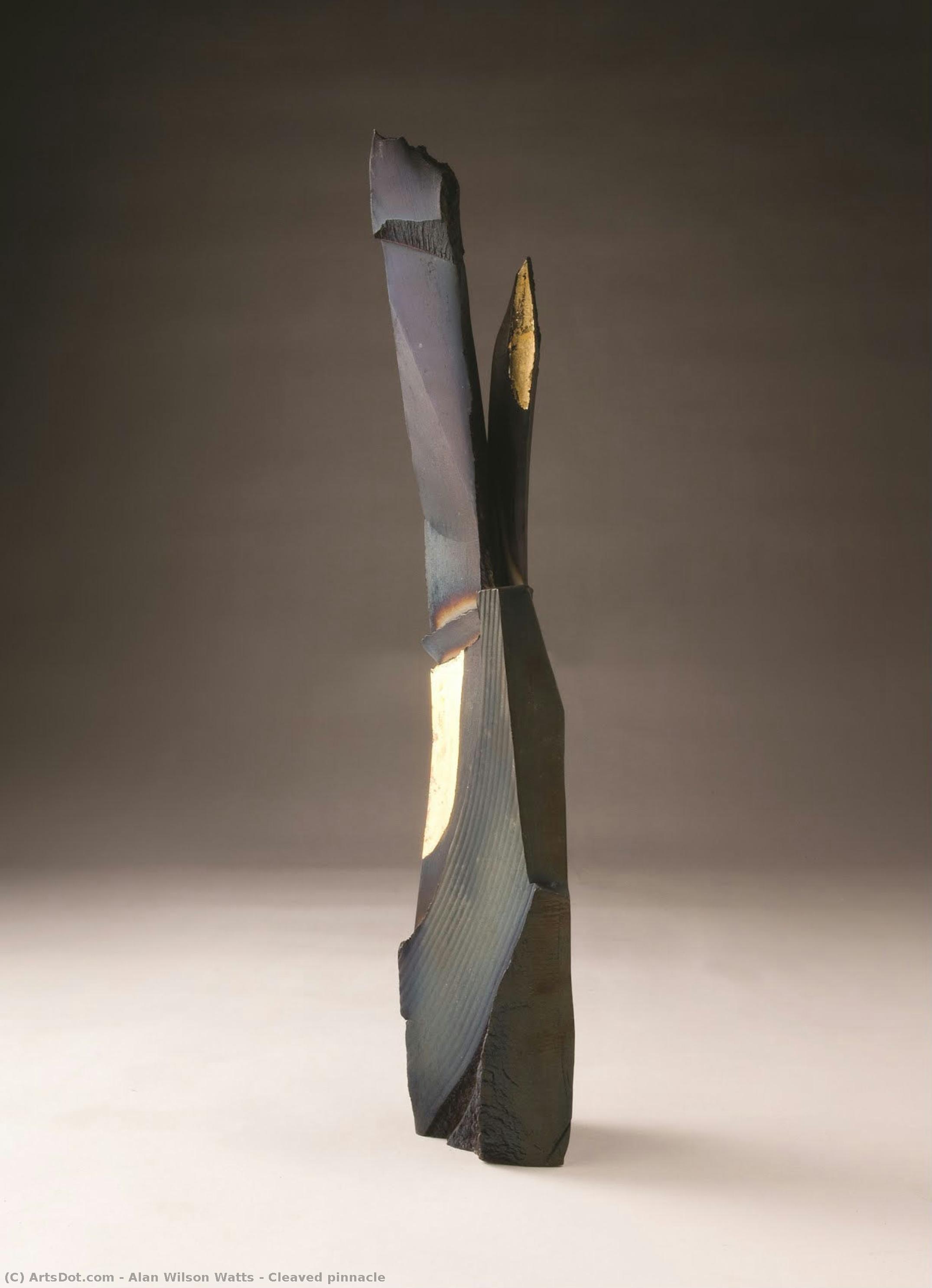
Cleaved pinnacle
 47.0 x 4.0 cm
 Canberra Museum and Gallery
 Читать далее
Масляная репродукция ручной работы
Картина маслом на холсте в выбранном вами размере и раме, написанная на заказ нашими художниками. ( Перейти к печати Перейти к цифровым изображениям)




































Выберите один из наших стандартных размеров, соответствующих оригинальным пропорциям произведения искусства.

Вы можете указать собственные размеры, чтобы картина идеально вписалась в выбранную раму или пространство. Если выбранный вами размер не соответствует пропорциям оригинала, мы либо обрежем полотно, либо расширим его за счет дополнительных элементов, написанных вручную. Цифровой макет будет отправлен вам на утверждение перед началом производства.
Обратите внимание, что предварительный просмотр на экране не отражает фактическую обрезку или расширение. Только макет точно покажет окончательную композицию.
Хотя доступны индивидуальные размеры, мы рекомендуем выбирать вариант из предопределенного списка, чтобы сохранить исходные пропорции.
После оформления заказа команда ArtsDot.com свяжется с клиентом по электронной почте для уточнения деталей и предоставит предварительный макет
Доставка по всему миру () за 3–4 недели вместо стандартных 5 недель. (12 Сентябрь). Без компромиссов в качестве.

Бесплатная экспресс-доставка по всему миру

Высококачественный льняной холст

Полное страхование доставки

Гарантия возмещения таможенных пошлин

Гарантия точного соответствия цветов

100-дневная политика возврата (только при обнаружении дефектов)

Гарантия возврата 100% средств

Предложение оптовых скидок
 Вариант со стеклом доступен только для размеров менее 110 см

Cleaved pinnacle
Техника репродукции
Размер репродукции
-


Итоговая стоимость
$ 263
Похожие произведения








Биография художника
Alan Wilson Watts: Life and Legacy
Alan Wilson Watts (January 6, 1915 – November 16, 1973) was an English writer, speaker, and self-styled 'philosophical entertainer' who brought Eastern philosophy to the West. His work remains profoundly influential today.
Early Life and Influences
Born in Chislehurst, Kent, England, Watts’ early life was marked by a fascination with Eastern thought. He developed an interest in Buddhism while still a schoolboy, joining the Buddhist Lodge. This initial exposure sparked a lifelong exploration of various spiritual traditions.
- He studied at King's College London and later became a novice monk at a Zen Buddhist monastery.
- His early influences included figures like Christmas Humphreys, a prominent British Buddhist scholar.
- Watts’ upbringing was relatively secular, fostering an independent approach to spiritual inquiry.
Career and Writings
Watts moved to the United States in 1938 and continued his studies, eventually earning a master's degree in theology from Seabury-Western Theological Seminary. He became an Episcopal priest but left the ministry after several years to dedicate himself fully to writing and lecturing.
- He began publishing extensively in the 1950s, with The Way of Zen (1957) becoming a breakthrough success.
- Other significant works include Psychotherapy East and West (1961), The New Alchemy (1958), and The Joyous Cosmology (1962).
- Watts explored themes of consciousness, psychedelics, and the nature of reality in his writings.
Philosophical Approach
Watts was not a traditional academic philosopher; he presented complex ideas in an accessible and engaging manner. He emphasized the importance of direct experience and intuition over dogma.
- He skillfully integrated concepts from Buddhism, Taoism, Hinduism, and Western psychology.
- A key tenet of his philosophy was the idea that the self is an illusion – a construct of thought rather than a fixed entity.
- Watts often used metaphors and storytelling to illustrate abstract philosophical principles.
Impact on Counterculture
During the 1960s, Watts became a prominent voice for the burgeoning counterculture movement. His lectures and writings resonated with those seeking alternative ways of life and spiritual understanding.
- He gained a large following through his work at KPFA radio in Berkeley, California.
- Watts’ ideas influenced artists, musicians, and thinkers associated with the Beat Generation and the hippie movement.
- His exploration of psychedelics as tools for expanding consciousness was particularly influential during this period.
Later Life and Legacy
In his later years, Watts continued to write, lecture, and record audio talks. His work experienced a resurgence in popularity after his death, thanks to the widespread availability of his recordings on public radio and, more recently, online platforms like YouTube and Spotify.
- He died in 1973 at his home in Mill Valley, California.
- Watts’ legacy lies in his ability to make complex philosophical ideas accessible to a broad audience.
- His work continues to inspire those seeking deeper understanding of themselves and the world around them.
Major Achievements & Historical Significance
Alan Watts stands as a pivotal figure in bridging Eastern and Western thought. His contribution wasn’t merely translation, but a creative synthesis that resonated with a generation questioning conventional norms.
- Popularized Eastern philosophies for a Western audience
- Influenced the counterculture movement of the 1960s
- Created a vast body of work – books, lectures, and recordings – that continues to be widely studied.
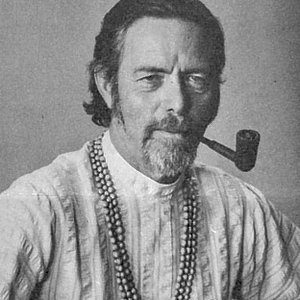
alan wilson watts
1915 - 1973 , United Kingdom
Основные сведения
- Birth Date: January 6, 1915
- Birth Place: County Kent, United Kingdom
- Death Date: November 16, 1973
- Influenced: Beat Generation, Hippie counterculture
- Influenced By: Buddhism, Taoism, Hinduism
- Movement: Eastern Philosophy, Counterculture
- Name: Alan Wilson Watts
- Nationality: English
- Notable Works: The Way of Zen, Psychotherapy East and West, The New Alchemy