 Предпросмотр
 Поделиться
 Поделиться
 Детали произведения

 Скачать
 Похожие работы
 Рентгенография
 Слайд-шоу
 Статистика
ACTEON METAMORPHOSE EN CERF


 Читать далее
Масляная репродукция ручной работы
Картина маслом на холсте в выбранном вами размере и раме, написанная на заказ нашими художниками. ( Перейти к печати Перейти к цифровым изображениям)




P118B $10

P118H $10

P118W $10

P438Z $10

P508JH $12

P508YH $12

P805H $10

P805Z $10

P919BZ $10

P919G $10

P919XJ $10

P959ZH $10

P968JZ $12

W106C $8

W218G $10

W218JH $8

W218Y $10

W307PJ $10

W316G $10

W316PJ $8

W316Y $10

W398PJ $8

W4111J $10

W500HY $15

W500JH $15

W692G $12

W849H $8

W940BG $15

W953PJ $8




Выберите один из наших стандартных размеров, соответствующих оригинальным пропорциям произведения искусства.

Вы можете указать собственные размеры, чтобы картина идеально вписалась в выбранную раму или пространство. Если выбранный вами размер не соответствует пропорциям оригинала, мы либо обрежем полотно, либо расширим его за счет дополнительных элементов, написанных вручную. Цифровой макет будет отправлен вам на утверждение перед началом производства.
Обратите внимание, что предварительный просмотр на экране не отражает фактическую обрезку или расширение. Только макет точно покажет окончательную композицию.
Хотя доступны индивидуальные размеры, мы рекомендуем выбирать вариант из предопределенного списка, чтобы сохранить исходные пропорции.
После оформления заказа команда ArtsDot.com свяжется с клиентом по электронной почте для уточнения деталей и предоставит предварительный макет
Доставка по всему миру () за 3–4 недели вместо стандартных 5 недель. (12 Сентябрь). Без компромиссов в качестве.

Бесплатная экспресс-доставка по всему миру

Высококачественный льняной холст

Полное страхование доставки

Гарантия возмещения таможенных пошлин

Гарантия точного соответствия цветов

100-дневная политика возврата (только при обнаружении дефектов)

Гарантия возврата 100% средств

Предложение оптовых скидок
 Вариант со стеклом доступен только для размеров менее 110 см

ACTEON METAMORPHOSE EN CERF
Техника репродукции
Размер репродукции
-


Итоговая стоимость
$ 438
A Dramatic Transformation: Francesco Albani’s “Actéon Métamorphosé en Cerf”
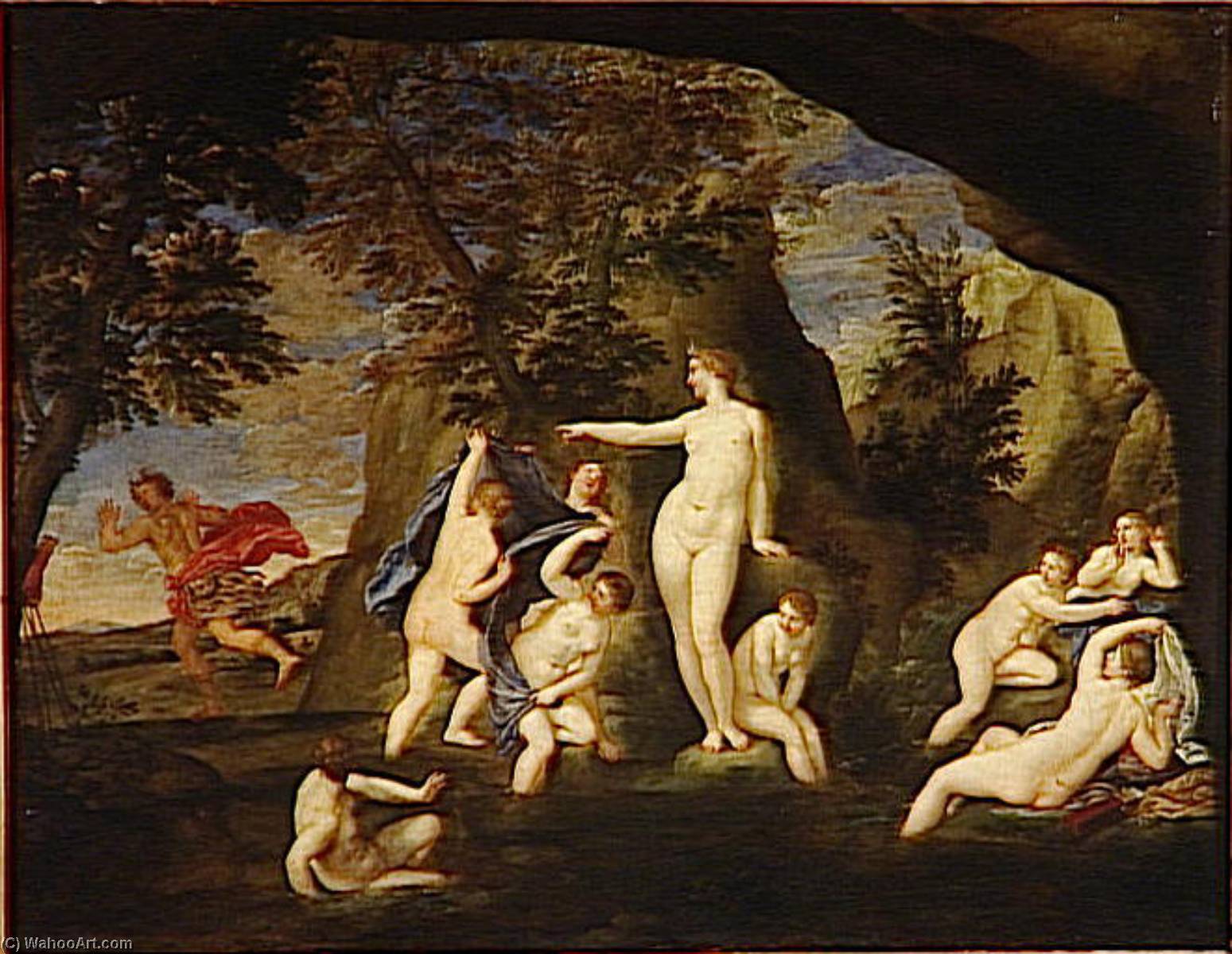
Francesco Albani's "Actéon Métamorphosé en Cerf" (Actaeon Transformed into a Stag), painted around 1640, is more than just a depiction of a classical myth; it’s a potent visual poem exploring themes of divine retribution, the transgression of boundaries, and the poignant beauty of transformation. The painting, now housed within the Louvre's collection in Salle 716, immediately commands attention with its dynamic composition and masterful use of chiaroscuro – the dramatic interplay of light and shadow that defines Baroque artistry. Albani, a key figure in the Bolognese school of painting, expertly blends elements of classical idealism with the heightened emotionalism characteristic of his era, creating an artwork brimming with narrative force and subtle psychological depth.
The scene unfolds within a densely wooded landscape, rendered not as a realistic wilderness but rather as a carefully constructed stage for this pivotal moment. At the heart of the composition stands Actaeon, the hunter who, in a moment of impulsive curiosity, glimpsed Diana (Artemis) bathing in a sacred grove. As punishment for his transgression – a violation of the sacred space and an unwelcome intrusion into the goddess’s privacy – he is transformed into a stag, destined to be hunted and killed by his own hounds. The figures surrounding him—Nymphs, Diana herself radiating authority and sorrow, and the horrified hounds—are arranged with a deliberate asymmetry that mirrors the chaotic nature of the event itself. Albani doesn't shy away from depicting the raw emotion of the moment; Actaeon’s expression is one of bewildered terror, while Diana’s gesture – a pointed finger directed towards the stag – conveys both judgment and a profound sense of loss.
Baroque Drama and Technical Mastery
Albani's technical skill is immediately evident in the painting’s rich textures and vibrant colors. He employs oil paints on canvas with remarkable precision, layering brushstrokes to create a palpable sense of volume and depth. The drapery of the figures flows with an almost liquid quality, while the foliage bursts forth with intricate detail. Crucially, Albani masterfully utilizes *chiaroscuro*, employing strong contrasts between light and shadow to sculpt the forms and heighten the drama. Light dramatically illuminates Actaeon’s transformed body, emphasizing his vulnerability and highlighting the horror of his fate. The darker tones surrounding him create a sense of foreboding and underscore the severity of the punishment.
The painting's composition is further enhanced by Albani’s skillful use of perspective. While not strictly adhering to linear perspective, he creates an illusion of depth through the layering of figures and the strategic placement of elements in the background. The rock formation on the right side acts as a visual anchor, drawing the eye towards Actaeon's plight while simultaneously contributing to the overall sense of drama. Albani’s attention to detail extends beyond mere representation; he imbues the scene with a palpable atmosphere of tension and impending doom.
Symbolism and Mythological Resonance
“Actéon Métamorphosé en Cerf” is deeply rooted in classical mythology, drawing upon a well-established narrative from Ovid’s *Metamorphoses*. The story serves as an allegory for the dangers of unchecked curiosity and the consequences of violating sacred boundaries. Diana represents divine authority and the sanctity of nature, while Actaeon embodies human fallibility and the potential for transgression. The stag itself becomes a potent symbol of transformation – a creature both familiar and alien, representing the irreversible change brought about by divine punishment.
Beyond its mythological framework, the painting resonates with broader themes of loss, regret, and the acceptance of fate. Actaeon’s transformation is not merely a physical one; it represents a profound psychological shift – a descent into animalistic instinct and a permanent separation from his former human existence. The overall mood is melancholic, reflecting the tragic consequences of a single, impulsive act. Albani's ability to convey such complex emotions through a relatively simple narrative underscores the enduring power of classical mythology.
A Timeless Masterpiece for Collectors and Designers
“Actéon Métamorphosé en Cerf” remains a captivating work of art centuries after its creation, offering a glimpse into the artistic sensibilities of the Baroque period. Its dramatic composition, masterful technique, and profound symbolism continue to resonate with viewers today. Reproductions of this iconic painting are highly sought after by collectors and interior designers alike, who appreciate its ability to infuse any space with a sense of grandeur, drama, and timeless beauty. The painting’s rich colors and evocative imagery make it an ideal choice for creating sophisticated and emotionally resonant environments.
Похожие произведения
Биография художника
Франческо Альбани, также известный как Л'Альбане, был выдающимся итальянским художником, родившимся в 1578 году и жившим до своей смерти в 1660 году. Он стал ключевой фигурой в развитии барочной живописи в Италии, особенно в Риме.
Ранние годы и обучение
Франческо Альбани родился в Болонье, Италия, в семье художников. Его отец, Даниэле Альбани, был живописцем, а дядя, Джованни Паоло Каванья, — известным мастером. Раннее обучение Франческо проходило в мастерской Денцио Феррари, где он освоил основы живописи. Позже он переехал в Рим, чтобы учиться под руководством Гуидобальдо Гандольфи.Художественная карьера
Художественная карьера Альбани отмечена его уникальным стилем, который смешивал элементы барокко и классического искусства. Он был известен своими прекрасными и нежными изображениями мифологических и библейских сцен. Одной из его самых знаменитых работ является «Туалет Венеры» — картина, которая демонстрирует его мастерство в передаче красоты человеческой формы. Среди заметных работ Альбани:- «Крещение Христа» — полотно, которое демонстрирует его способность передавать эмоции и драму.
- «Святой Себастьян» — работа, подчеркивающая его виртуозное владение светом и тенью.
- «Дева и Младенец с Иоанном Крестителем» — картина, которая демонстрирует его умение улавливать тонкости человеческого выражения.
Влияние и наследие
Влияние Альбани на развитие барочной живописи в Италии было значительным. Он был одним из первых художников, кто начал активно использовать кьяроскуро — технику, подчеркивающую контраст между светом и тьмой. Его работы также оказали влияние на развитие пейзажной живописи, поскольку он часто включал в свои композиции природные пейзажи. Сегодня картины Альбани можно увидеть в различных музеях, включая Лувр в Париже, где выставлен его «Туалет Венеры». Его работы также представлены на ArtsDot.com, где любители искусства могут узнать больше о его жизни и художественных достижениях.Заключение
Франческо Альбани был талантливым художником, оставившим неизгладимый след в мире искусства. Его уникальный стиль, сочетающий элементы барокко и классического искусства, продолжает вдохновлять художников по сей день. Через его творчество мы можем восхититься красотой и драмой человеческой формы, а также понять важность света и тени в создании ощущения глубины и эмоции. Для получения дополнительной информации о жизни и работах Альбани посетите ArtsDot.com или ознакомьтесь с его биографией на Википедии.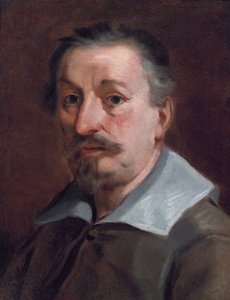
Франческо Альбани (Ль'Альбане)
1578 - 1660 , Италия
Похожие статьи

10 Шедевров Барокко: Искусство, изменившее мир | ArtsDot.com
Погрузитесь в мир барокко! 10 шедевров Караваджо, Рембрандта и других великих художников. Узнайте историю создания культовых картин и найдите идеальную репродукцию для вашего интерьера на ArtsDot.com
Echoes of Olympus: Mythological Narratives in Western Art Through the Ages
Explore the captivating history of mythological narratives in Western art! From ancient Greece to modern masterpieces, discover iconic artworks & symbolism. Expert analysis and high-quality reproductions at ArtsDot.

Барочная драма: Искусство величия в современном интерьере
Погрузитесь в мир роскоши и величия барокко! Узнайте об истории стиля, ключевых элементах интерьера и архитектуре. Вдохновляйтесь с и создайте свой неповторимый дизайн.

The Visceral Stage: Exploring Dramatic Narratives & Emotional Intensity in Baroque Art
Explore the dramatic world of Baroque art! Discover iconic masters like Caravaggio & Rembrandt, their techniques, and the movement's lasting impact. Expert insights for collectors & enthusiasts at ArtsDot.

The Dramatic Flourish: Exploring the Baroque Movement's Enduring Legacy in Art History
Explore the dramatic world of Baroque art! Discover iconic artists like Caravaggio & Rubens, defining techniques, and its lasting impact on art history. Expert insights for collectors & enthusiasts at ArtsDot.