

 Предпросмотр
 Поделиться
 Поделиться
 Детали произведения

 Скачать
 Похожие работы
 Рентгенография
 Слайд-шоу
 Статистика
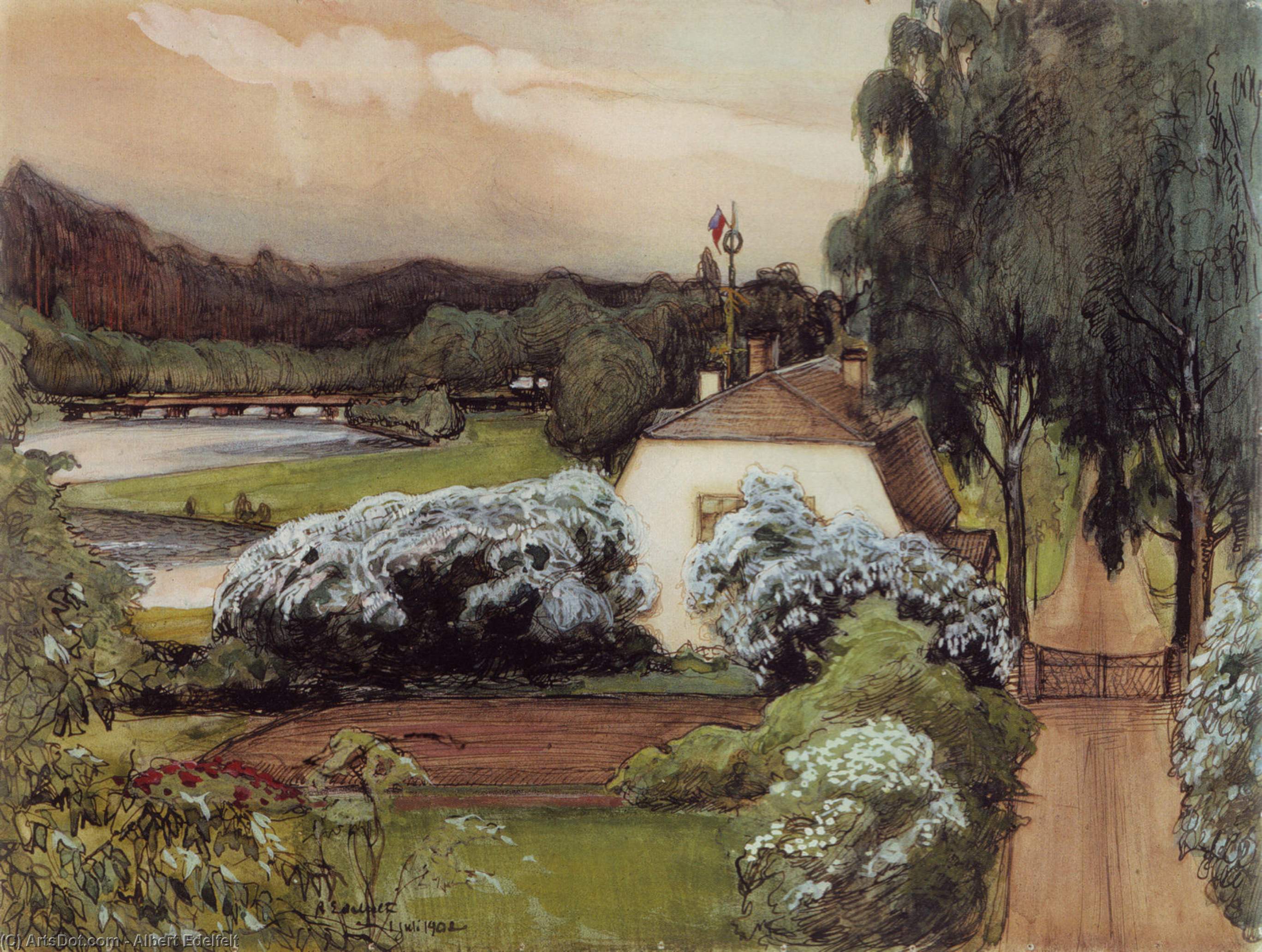
The Foreman's House at Saari Manor (Manor in Häme)

 Читать далее
Приобретите цифровое изображение высокого разрешения в улучшенном качестве, которое значительно превосходит онлайн-превью.
Каждый файл тщательно подготавливается нашими специалистами с использованием передовых инструментов и экспертной ручной ретуши. Мы гарантируем исключительную четкость, точную цветопередачу и детальную проработку каждого изображения.
Финальный файл доставляется по электронной почте в течение 72 часов и оптимизирован для немедленного использования в профессиональной среде, при верстке и печати. Это тот же уровень качества, которому доверяют ведущие дизайнерские студии, издательства и галереи.
Цифровое изображение
Скачайте файл высокого разрешения для личного использования, печати и творческих проектов. ( Перейти к печати Купить картину ручной работы)
Включено в каждый заказ цифровых изображений
Гарантия экспертной цифровой доставки
Выбирая ArtsDot.com, вы получаете не просто изображение — вы приобретаете профессионально обработанное цифровое произведение искусства, созданное с безупречной точностью и под защитой гарантии качества. Вот всё, что автоматически входит в ваш заказ:

Мгновенная доставка по e-mail
Ваш цифровой файл в высоком разрешении будет отправлен вам по электронной почте в течение 72 часов после оформления заказа — и сразу станет доступен для использования.

Цифровой файл с ИИ-улучшением
Ваше произведение искусства проходит профессиональную оптимизацию с использованием передовых инструментов ИИ и ручной обработки, что гарантирует максимальную детализацию, четкость и точность цветопередачи.

Бессрочная бесплатная повторная доставка
Случайно удалили или потеряли файл? Не беспокойтесь — мы отправим его вам повторно в любое время и совершенно бесплатно.

Без импортных пошлин — навсегда
Наслаждайтесь вашим произведением искусства мгновенно без таможенных пошлин, сборов или затрат на доставку — цифровые загрузки всегда не облагаются налогом.

Гарантия точности цветопередачи
Мы гарантируем, что ваше цифровое изображение максимально точно передает оригинальные цвета благодаря использованию профессиональных инструментов и систем управления цветом.

Гарантия удовлетворенности 100 дней
Если вы не будете удовлетворены своим цифровым изображением, мы внесем правки или вернем 100% стоимости в течение 100 дней — без лишних вопросов.

100% Гарантия возврата средств
Не удовлетворены покупкой? Получите полный возврат средств в течение 100 дней после получения цифрового файла — без лишних вопросов.

Скидки на оптовые заказы
Купите 3 изображения, сэкономьте 10% — Купите 5, сэкономьте 15% — Купите 10+, сэкономьте 20%. Отличное решение для творческих проектов, галерей и агентств.
Albert Edelfelt’s “The Foreman’s House at Saari Manor” – A Portrait of Finnish Rural Tranquility
Saari Manor, nestled in Häme Province, Finland, stands as a testament to Victorian grandeur and artistic vision. Albert Edelfelt's captivating depiction of the manor house—specifically its foreman’s residence—captures not merely architectural beauty but also embodies a profound sense of serenity and connection with nature. Painted in 1893, this artwork transcends mere representation; it speaks volumes about Finland’s cultural heritage and Edelfelt’s masterful approach to capturing mood and atmosphere.Style and Technique: Impressionistic Refinement
Edelfelt's style leans heavily into impressionism, albeit tempered with a distinctly academic grounding. Unlike the radical experimentation of Monet or Renoir, Edelfelt prioritizes tonal harmony and meticulous detail—characteristics inherited from Jean-Léon Gérôme’s influence during his Parisian studies. However, he skillfully blends these elements to achieve an ethereal quality, reminiscent of plein air painting while maintaining compositional control. The brushstrokes are visible yet blended seamlessly, creating a textured surface that subtly reflects the dappled sunlight filtering through the surrounding trees. This technique lends itself beautifully to conveying the warmth and vibrancy of the Finnish countryside.Historical Context: Finland’s Belle Époque Embrace
The late 19th century witnessed Finland's burgeoning embrace of Western culture—a period known as the Belle Époque. Edelfelt, like many artists of his time, sought inspiration from both classical ideals and contemporary artistic trends. Saari Manor itself represents a significant architectural achievement, commissioned by Baron Viktor Gabriel Edvard Carl Maximilian von Rosenhane to commemorate his marriage. The manor’s design reflects Victorian sensibilities—a desire for grandeur, symmetry, and ornamentation—yet it is harmoniously integrated with the natural landscape. Edelfelt's painting serves as an emblem of this era’s optimism and fascination with rural life.Symbolism: Domestic Harmony and Pastoral Ideal
Beyond its aesthetic appeal, “The Foreman’s House” carries symbolic weight. The house itself symbolizes domestic stability and familial contentment—values deeply cherished in Finnish culture during the Belle Époque. The surrounding trees and flowers represent fertility, renewal, and the beauty of the natural world—themes prevalent throughout Scandinavian art history. Furthermore, the inclusion of a bench invites contemplation and encourages viewers to immerse themselves in the tranquility of Saari Manor’s gardens. Edelfelt's deliberate choices contribute to an overarching narrative of pastoral harmony – a celebration of simple pleasures and unspoiled landscapes.Emotional Impact: A Balm for the Soul
Ultimately, Edelfelt’s masterpiece evokes a powerful emotional response. The painting radiates warmth and luminosity—drawing the eye inward with its soft hues and subtle tonal variations. It inspires feelings of peace, contentment, and nostalgia – transporting viewers back to a bygone era of elegance and rural charm. “The Foreman’s House at Saari Manor” remains an enduring symbol of Finnish artistic excellence and continues to captivate audiences worldwide with its ability to capture the essence of beauty and tranquility.- Artist: Albert Edelfelt
- Year Painted: 1893
- Medium: Oil on Canvas
- Location: Saari Manor, Häme Province, Finland
Похожие произведения
Биография художника
Early Life and Education
Albert Gustaf Aristides Edelfelt, a luminary of Finnish art history, was born on July 21, 1854, in Porvoo, Finland—a city steeped in Swedish heritage. His parents, Carl Albert Edelfelt, a respected civil servant, and Alexandra Edelfelt (née Brandt), were prominent figures within their community, fostering an environment that nurtured his artistic inclinations from a young age. From the outset, Edelfelt possessed an innate fascination for visual arts, propelling him to pursue formal studies at the Drawing School of the Finnish Art Society in Helsinki as early as 1869. This formative experience laid the groundwork for his future endeavors and cemented his dedication to mastering the craft of painting.Artistic Journey
Edelfelt’s artistic trajectory unfolded across several distinguished institutions, each contributing significantly to his evolving skillset and broadening his artistic horizons. He commenced his studies at Antwerp Academy of Art in Belgium during 1873-74, immersing himself in the traditions of history painting—a genre favored by luminaries like Jean-Léon Gérôme—and honing his technique under masterful guidance. Subsequently, he embarked on a transformative period at École nationale des beaux-arts in Paris (1874-78), where he continued to refine his artistic vision and absorb the influences of Impressionism. Notably, he benefited from the mentorship of Gérôme once more, solidifying his position within the Parisian art scene. A brief excursion to Saint Petersburg in 1881-82 exposed him to the vibrant cultural landscape of Russia, enriching his understanding of diverse artistic styles and perspectives.Rise to Prominence and Notable Works
Edelfelt’s ascent to artistic acclaim arrived with a resounding success at the Paris Universal Exposition of 1889—a pivotal moment that catapulted him into international recognition. His captivating portrait of Louis Pasteur, executed in 1886, garnered considerable praise and secured him the prestigious Legion of Honor—a testament to his exceptional talent and unwavering dedication. Furthermore, Edelfelt’s evocative depiction of “Young Woman in Her Boudoir” captured the delicate beauty and intimacy of feminine life with remarkable precision. Perhaps his most enduring masterpiece is “Under the Birches,” a poignant landscape painting that embodies the spirit of Finnish wilderness—a scene imbued with symbolic resonance and executed with masterful brushstrokes.Legacy and Impact
As one of Finland’s foremost artists of the era, Albert Edelfelt indelibly shaped the course of realist art in his homeland. His influence extended far beyond his own lifetime, inspiring younger generations of Finnish painters—including Akseli Gallen-Kallela and Gunnar Berndtson—who achieved considerable success in Paris under his guidance. Edelfelt’s unwavering commitment to portraying life with honesty and sensitivity established him as a cornerstone of Finnish artistic identity.Museum Collections and Commemoration
Edelfelt's artworks are proudly displayed in esteemed museums across Finland, most notably the Ateneum Museum in Helsinki—where visitors can immerse themselves in the splendor of his oeuvre. To honor his enduring legacy, a commemorative €100 Albert Edelfelt coin was minted in 2004—celebrating the centenary of his birth and reaffirming his place within Finnish cultural heritage.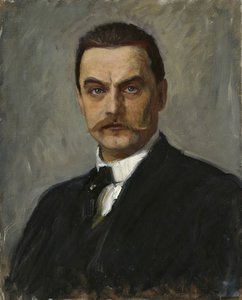
Альберт ЭдELFель
1854 - 1905 , Финляндия
Основные сведения
- Artistic Movement Or Style: Реализм
- Artists Or Movements Influenced By This Artist: ['Аксели Галлен-Каллела']
- Artists Who Influenced This Artist:
- Жан-Леон Жерьом
- Эрик Эдельфельт сын
- Date Of Birth: Июль 21, 1854
- Date Of Death: 1905
- Full Name: Albert Gustaf Aristides Edelfelt
- Nationality: Финский
- Notable Artworks:
- Портрет Луи Пастера
- Молодая женщина в будоире
- Под березами
- Place Of Birth: Порвоо, Финляндия