

 Поделиться
 Поделиться
 Детали произведения

 Скачать
 Похожие работы
 Слайд-шоу
 Статистика
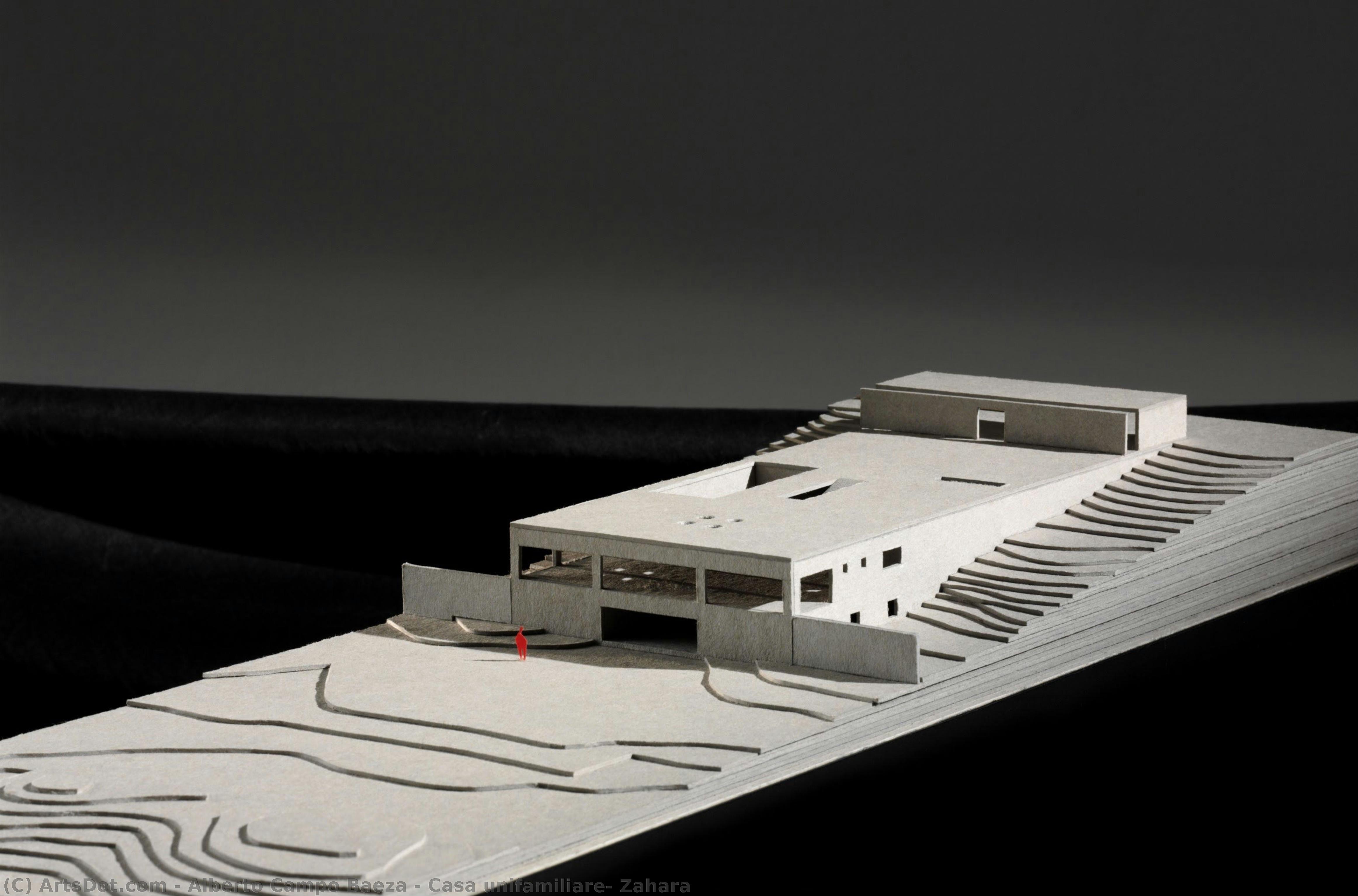
Casa unifamiliare, Zahara


 Читать далее
Масляная репродукция ручной работы
Картина маслом на холсте в выбранном вами размере и раме, написанная на заказ нашими художниками. ( Перейти к печати Перейти к цифровым изображениям)




































Выберите один из наших стандартных размеров, соответствующих оригинальным пропорциям произведения искусства.

Вы можете указать собственные размеры, чтобы картина идеально вписалась в выбранную раму или пространство. Если выбранный вами размер не соответствует пропорциям оригинала, мы либо обрежем полотно, либо расширим его за счет дополнительных элементов, написанных вручную. Цифровой макет будет отправлен вам на утверждение перед началом производства.
Обратите внимание, что предварительный просмотр на экране не отражает фактическую обрезку или расширение. Только макет точно покажет окончательную композицию.
Хотя доступны индивидуальные размеры, мы рекомендуем выбирать вариант из предопределенного списка, чтобы сохранить исходные пропорции.
После оформления заказа команда ArtsDot.com свяжется с клиентом по электронной почте для уточнения деталей и предоставит предварительный макет
Доставка по всему миру () за 3–4 недели вместо стандартных 5 недель. (12 Сентябрь). Без компромиссов в качестве.

Бесплатная экспресс-доставка по всему миру

Высококачественный льняной холст

Полное страхование доставки

Гарантия возмещения таможенных пошлин

Гарантия точного соответствия цветов

100-дневная политика возврата (только при обнаружении дефектов)

Гарантия возврата 100% средств

Предложение оптовых скидок
 Вариант со стеклом доступен только для размеров менее 110 см

Casa unifamiliare, Zahara
Техника репродукции
Размер репродукции
-


Итоговая стоимость
$ 263
The Architecture of Light and Silence
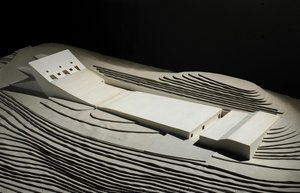
In the quiet coastal reaches of Zahara, Spain, where the Atlantic Ocean meets the rugged edge of the continent, stands a testament to the profound philosophy of Alberto Campo Baeza. Casa unifamiliare, Zahara is not merely a structure of stone and glass; it is a "built idea," a physical manifestation of an architect’s lifelong pursuit to capture the ephemeral essence of time through light. To gaze upon this work is to witness a masterclass in minimalism, where every line serves a purpose and every void holds a meaning. The project emerges from the rocky slope not as an imposition upon nature, and instead acts as a sculptural extension of the landscape itself, embodying the architect's belief that architecture is defined by two fundamental forces: gravity, which constructs our space, and light, which constructs our time.
The composition of this architectural marvel relies on the archetype of the podium, reduced to its most primal and geometric state. A simple parallelepiped, measuring twenty meters in length and twelve meters in width, is carved directly into the earth. This deliberate reduction of form creates a sense of metaphysical stillness. The structure’s design emphasizes a large, elevated platform that serves as a stage for the celestial dance of the sun. As the day progresses, the shifting shadows across the clean, monochromatic surfaces act as a natural sundial, marking the passage of hours with silent precision. For the observer, the experience is one of profound serenity, where the boundary between the man-made and the natural world begins to dissolve into a singular, harmonious vision.
A Symphony of Geometry and Atmosphere
Technically, the brilliance of Campo Baeza’s design lies in its rigorous adherence to geometric purity. The use of sharp angles, flat planes, and receding steps creates a rhythmic depth that draws the eye toward the horizon. In digital renderings and physical models alike, the texture suggests a tactile, almost elemental quality—reminiscent of molded clay or smooth plaster—which grounds the ethereal concept in something tangible and permanent. The color palette remains intentionally neutral, a strategic choice by the architect to ensure that no artificial hue competes with the natural brilliance of the Spanish sun. This restraint allows the play of light and shadow to become the primary decorative element, providing a dynamic visual interest that changes with every passing cloud.
For collectors of fine architectural imagery and interior designers seeking to evoke a sense of modern tranquility, this work offers unparalleled inspiration. It represents more than just a residence; it is an exploration of how space can be sculpted to foster contemplation. The emotional impact of the piece lies in its ability to command attention through silence rather than noise. Bringing a high-quality reproduction of such a masterpiece into a contemporary space introduces an element of metaphysical order, inviting a mood of sophisticated calm and intellectual depth. It is a celebration of the essential, reminding us that true luxury is found in the perfect balance of light, shadow, and the enduring strength of gravity.
Похожие произведения




Биография художника
The Architect of Light: A Journey Through the World of Alberto Campo Baeza
Alberto Campo Baeza, born in Valladolid, Spain, in 1946, stands as a pivotal figure in contemporary Spanish architecture—a master sculptor of space and light. His work isn’t merely about constructing buildings; it's an exploration of essential forms, a distillation of architectural principles to their purest expression. From his early education at the Universidad Politécnica de Madrid, culminating in a PhD in 1982, Campo Baeza embarked on a path that would challenge conventional notions of design and establish him as a leading voice in minimalist architecture. His academic journey wasn’t confined by geographical boundaries; he shared his insights and philosophy through visiting professorships at esteemed institutions worldwide—ETH Zurich, Virginia Tech, Columbia University, Bauhaus University Weimar, IIT Chicago, and Kansas State University—each experience enriching his perspective and solidifying his unique approach.A Philosophy Rooted in Simplicity
At the heart of Campo Baeza’s architectural philosophy lies a deliberate rejection of ornamentation and an unwavering commitment to natural light. He believes that true beauty resides not in lavish embellishments, but in the elegant interplay of form, space, and illumination. This isn't simply an aesthetic preference; it’s a deeply held conviction that stripping away the superfluous allows for a more profound connection between the built environment and the human experience. His designs are often described as austere yet profoundly moving—spaces defined by their clarity, serenity, and timeless quality. He seeks to create buildings that resonate with a sense of quiet dignity, inviting contemplation and fostering a harmonious relationship with their surroundings. This pursuit of essentialism isn’t about deprivation; it's about focusing attention on what truly matters: the fundamental elements that shape our perception of space.Landmark Creations: A Testament to Minimalist Vision
Campo Baeza’s portfolio is a testament to his unwavering dedication to minimalist principles. Early works like the Houses Turégano and de Blas in Madrid demonstrated his commitment to simple forms and the transformative power of natural light, laying the foundation for his future explorations. Subsequent residential projects—Gaspar House, Asencio House, Guerrero House (Cádiz), Rufo House (Toledo), Moliner House (Zaragoza)—each became a unique study in spatial clarity and material honesty, adapted to diverse locations yet unified by a common aesthetic sensibility. His international breakthrough came with the Olnick Spanu House in Garrison, New York, proving the universal applicability of his style. Public projects like Centro BIT (Inca-Mallorca) showcased his ability to integrate minimalism into functional structures, while “Between Cathedrals” (Cádiz) stands as a significant public work that exemplifies his design philosophy on an urban scale. More recently, MA, the Museum of Memory of Andalucía (Granada), demonstrates his architectural vision applied to a culturally important project. Each building is not merely a structure but a carefully orchestrated experience—a dialogue between light, shadow, and form.Influences and Legacy: Shaping Modern Spanish Design
Campo Baeza’s work resonates with the broader movement of minimalism in architecture, aligning him with influential figures like David Chipperfield and John Pawson. However, his approach is distinctly his own—a nuanced interpretation of minimalist principles within the specific context of Spanish architectural traditions. He draws inspiration from a desire to return to fundamental design elements, advocating for buildings that are both functional and aesthetically pleasing through their inherent simplicity. His influence on contemporary architects in Spain is undeniable, inspiring a new generation to embrace clarity, restraint, and the expressive potential of natural light. Beyond his built works, Campo Baeza’s writings, compiled in “La idea Construida,” have become essential reading for aspiring architects, offering valuable insights into his design process and philosophical underpinnings. His numerous awards—including the First Prize for the Spanish Pavilion at the Venice Biennale (2000), the Arnold W. Brunner Memorial Prize of the American Academy of Arts and Letters (2013) and most recently The Daylight Award for Daylight in Architecture (2024)—are a testament to his enduring impact on the field.A Continuing Dialogue with Light and Space
Alberto Campo Baeza remains an active force in architecture, continuing to explore new materials, spatial configurations, and innovative solutions. His work is not static; it’s an ongoing dialogue with light, space, and the human condition—a testament to his belief that architecture has the power to elevate our lives and enrich our understanding of the world around us. He doesn't simply design buildings; he crafts experiences, creating spaces that inspire contemplation, foster connection, and celebrate the beauty of simplicity. His legacy is not just in the structures he’s created but in the enduring principles he champions—principles that will continue to shape the landscape of modern Spanish architecture for generations to come.
Alberto Campo Baeza
1946 - , Spain
Основные сведения
- Artistic Movement Or Style: Minimalism
- Artists Or Movements Influenced By This Artist:
- David Chipperfield
- John Pawson
- Date Of Birth: 1946
- Full Name: Alberto Campo Baeza
- Nationality: Spanish
- Notable Artworks:
- Casa unifamiliare, Zahara
- Houses Turégano & de Blas
- Gaspar House
- MA Museum of Memory
- Centro BIT
- Place Of Birth: Valladolid, Spain
Похожие статьи
Rafael de Penagos: A Study in Spanish Portraiture & Artistic Identity
Explore the life & art of Rafael de Penagos, a leading Spanish Art Deco illustrator. Discover his iconic 'Penagos Woman', commercial work, and lasting legacy. Learn about this pivotal figure in 20th-century Spanish art history.
José Gutiérrez Solana: A Chronicle of Spanish Society Through Expressionist Vision
Explore the captivating world of José Gutiérrez Solana, a pivotal Spanish Expressionist painter. Discover his haunting depictions of early 20th-century Spain, influenced by Goya & El Greco. Learn about his key works and lasting legacy.
The Allure of the Pose: Representations of 'Model' Through Art History
Explore the fascinating history of the 'art model' through centuries of painting! Discover academic techniques, social contexts & the evolving role of models in art. ArtsDot offers custom reproductions and expert consultation.

Минимализм в искусстве: 10 шедевров для элегантного интерьера | ArtsDot
Погрузитесь в мир минимализма! 10 шедевров от Ротко, Кандинского и других гениев. Узнайте историю создания культовых картин и найдите идеальную репродукцию для вашего интерьера на ArtsDot.com.

The Golden Age Reforged: Dramatic Realism & Religious Zeal in Spanish Baroque Art
Explore the dramatic world of Spanish Baroque art! Discover masters like Zurbarán & the powerful influence of religious zeal on painting techniques – a guide for collectors and enthusiasts.