

 Предпросмотр
 Поделиться
 Поделиться
 Детали произведения

 Скачать
 Похожие работы
 Рентгенография
 Слайд-шоу
 Статистика
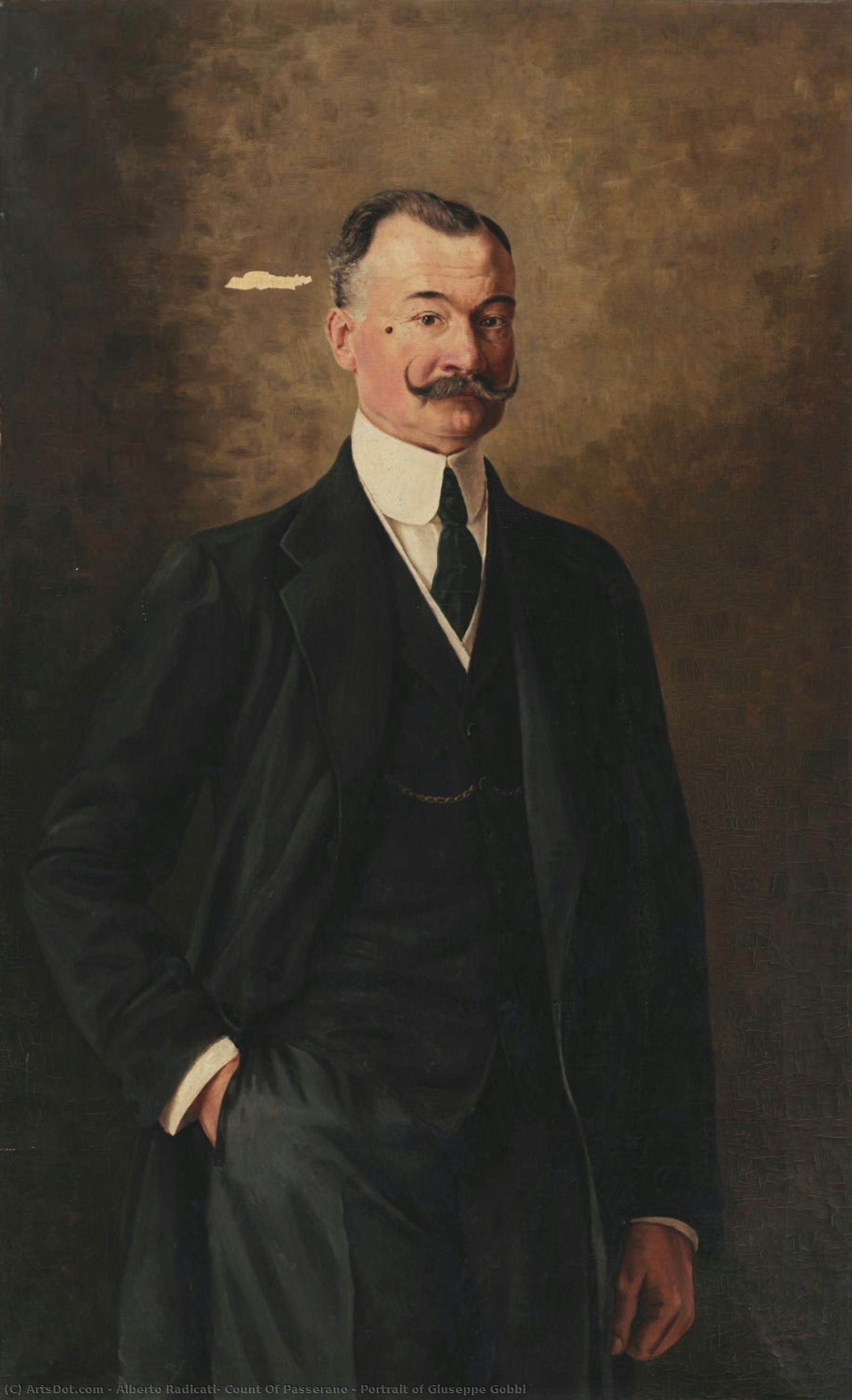
Portrait of Giuseppe Gobbi
 1912
1912 131.0 x 80.0 cm
 Ca’ Granda – Ospedale Maggiore Policlinico
 Читать далее
Приобретите цифровое изображение высокого разрешения в улучшенном качестве, которое значительно превосходит онлайн-превью.
Каждый файл тщательно подготавливается нашими специалистами с использованием передовых инструментов и экспертной ручной ретуши. Мы гарантируем исключительную четкость, точную цветопередачу и детальную проработку каждого изображения.
Финальный файл доставляется по электронной почте в течение 72 часов и оптимизирован для немедленного использования в профессиональной среде, при верстке и печати. Это тот же уровень качества, которому доверяют ведущие дизайнерские студии, издательства и галереи.
Цифровое изображение
Скачайте файл высокого разрешения для личного использования, печати и творческих проектов. ( Перейти к печати Купить картину ручной работы)
Включено в каждый заказ цифровых изображений
Гарантия экспертной цифровой доставки
Выбирая ArtsDot.com, вы получаете не просто изображение — вы приобретаете профессионально обработанное цифровое произведение искусства, созданное с безупречной точностью и под защитой гарантии качества. Вот всё, что автоматически входит в ваш заказ:

Мгновенная доставка по e-mail
Ваш цифровой файл в высоком разрешении будет отправлен вам по электронной почте в течение 72 часов после оформления заказа — и сразу станет доступен для использования.

Цифровой файл с ИИ-улучшением
Ваше произведение искусства проходит профессиональную оптимизацию с использованием передовых инструментов ИИ и ручной обработки, что гарантирует максимальную детализацию, четкость и точность цветопередачи.

Бессрочная бесплатная повторная доставка
Случайно удалили или потеряли файл? Не беспокойтесь — мы отправим его вам повторно в любое время и совершенно бесплатно.

Без импортных пошлин — навсегда
Наслаждайтесь вашим произведением искусства мгновенно без таможенных пошлин, сборов или затрат на доставку — цифровые загрузки всегда не облагаются налогом.

Гарантия точности цветопередачи
Мы гарантируем, что ваше цифровое изображение максимально точно передает оригинальные цвета благодаря использованию профессиональных инструментов и систем управления цветом.

Гарантия удовлетворенности 100 дней
Если вы не будете удовлетворены своим цифровым изображением, мы внесем правки или вернем 100% стоимости в течение 100 дней — без лишних вопросов.

100% Гарантия возврата средств
Не удовлетворены покупкой? Получите полный возврат средств в течение 100 дней после получения цифрового файла — без лишних вопросов.

Скидки на оптовые заказы
Купите 3 изображения, сэкономьте 10% — Купите 5, сэкономьте 15% — Купите 10+, сэкономьте 20%. Отличное решение для творческих проектов, галерей и агентств.
Похожие произведения







Биография художника
Johann Carl Loth: A Venetian Master of Group Portraits
The late 17th and early 18th centuries witnessed a remarkable flourishing of artistic talent in Venice, a city renowned for its patronage, vibrant social life, and unparalleled skill in portraiture. Among the many artists who contributed to this golden age was Johann Carl Loth (c. 1698 – 1698), a German painter who spent most of his prolific career immersed in the Venetian artistic milieu. While often overshadowed by some of his more celebrated contemporaries, Loth’s work offers a fascinating glimpse into the social dynamics and aristocratic circles of the era, particularly through his masterful depictions of group portraits—conversation pieces that captured the essence of convivial gatherings.
Born around 1698 in Munich, Bavaria, Loth's early life remains somewhat shrouded in mystery. He received his initial artistic training under his father, Johann Ulrich Loth, a painter who had already established himself in the region. Following this foundational education, Loth traveled to Venice, a pivotal decision that would profoundly shape his artistic development and ultimately define his legacy. The Venetian style—characterized by its rich color palettes, dramatic lighting, and emphasis on capturing fleeting expressions—proved immensely influential, transforming Loth’s approach to portraiture.
Loth quickly established himself as a sought-after artist within the city's vibrant artistic community. His specialization lay in history paintings, though he is most remembered for his intricate group compositions. These weren't merely static arrangements of figures; rather, they were dynamic scenes brimming with personality and social interaction. Loth possessed an extraordinary ability to convey the atmosphere of a gathering—the laughter, the animated conversation, the subtle gestures that revealed character and relationships. His subjects frequently included members of the nobility, artists, musicians, and intellectuals, offering a window into the cultural life of Venice.
A key element of Loth’s artistic practice was his collaboration with other prominent Venetian painters. He worked alongside figures like Pietro Liberi and Michael Wenzel Halbax, benefiting from their expertise and contributing to the collective dynamism of the city's art scene. His association with the renowned collector and connoisseur, Willem Drost, further solidified his position within the artistic elite. Loth’s work was highly regarded by influential critics such as Horace Walpole, who praised his “coloring and graceful likeness,” suggesting a level of skill that surpassed even some of his more established peers. The artist's dedication to capturing authentic social interactions is evident in works like ‘The Club of Artists,’ a lively depiction of a gathering at the King’s Arms, showcasing Loth’s ability to portray both individual personalities and the collective energy of the group.
Loth’s Techniques and Influences
Loth's artistic style was deeply rooted in the Baroque tradition, yet he skillfully adapted it to the unique demands of Venetian portraiture. He employed a rich, layered technique, utilizing a complex system of glazes and scumbles to achieve luminous colors and subtle tonal variations. His brushwork was often loose and expressive, contributing to the sense of movement and spontaneity within his compositions. He drew inspiration from the works of earlier masters, particularly Rubens and Rembrandt, incorporating their techniques into his own practice.
The influence of Italian art is undeniable in Loth’s work. He embraced the Venetian penchant for dramatic lighting—often employing chiaroscuro to highlight key figures and create a sense of depth and atmosphere. Furthermore, he skillfully rendered fabrics and textures, capturing the luxuriousness of aristocratic attire with remarkable detail. His meticulous attention to costume and setting provided valuable insights into the social customs and material culture of 18th-century Venice.
Notably, Loth’s work demonstrates a keen understanding of composition—a skill honed through years of observation and study. He expertly arranged his figures within the frame, creating visual balance and directing the viewer's eye to the most important elements of the scene. His ability to capture fleeting expressions and subtle gestures was particularly noteworthy, conveying a sense of immediacy and realism that set his work apart from more formal or idealized portraits.
A Legacy in Conversation Pieces
Johann Carl Loth’s contribution to the development of the conversation piece is significant. These intimate group portraits, capturing moments of social interaction, became increasingly popular during the 18th century—reflecting a shift towards greater informality and a desire to represent the complexities of human relationships. Loth's work exemplifies this trend, offering a glimpse into the private lives of Venetian aristocrats and intellectuals.
Despite his considerable talent and influence, Loth’s artistic legacy has often been overlooked. However, his paintings continue to be admired for their technical skill, expressive quality, and insightful portrayal of social life. His work serves as a valuable reminder of the vibrant artistic community that flourished in Venice during the late 17th and early 18th centuries—a period marked by innovation, experimentation, and a profound appreciation for beauty.
Related Works & Historical Context
- Rubens’ *Adoration of the Magi* (1698): Loth purchased this masterpiece from Gijsbert van Ceulen, demonstrating his discerning eye and commitment to acquiring significant works of art.
- Hyacinthe Rigaud’s *Self-Portrait in a Turban* (1704): A contemporary example of the Venetian style that influenced Loth's work.
- 1698 in Art: This year saw several important artistic developments, including Maximilian II Emanuel, Prince-Elector of Bavaria, acquiring Rubens’ *Adoration of the Magi*.
The broader historical context of Loth’s career is crucial to understanding his work. Venice was a cosmopolitan center—a crossroads of cultures and ideas—during the 18th century. The city's wealth and influence attracted artists, merchants, and intellectuals from across Europe. Loth’s artistic practice reflects this dynamic environment, incorporating elements of Italian, German, and Venetian traditions.
Further research into Johann Carl Loth reveals a complex and fascinating artist—a skilled painter, astute observer, and dedicated member of the Venetian art community. His legacy endures through his captivating group portraits—testaments to his artistic talent and his ability to capture the essence of human interaction.
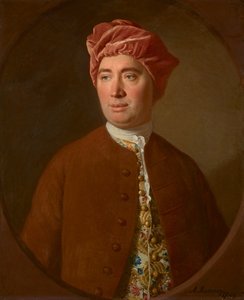
alberto radicati, count of passerano
1698 - 1737 , Italy
Основные сведения
- Artistic Movement Or Style: Baroque
- Artists Or Movements Influenced By This Artist:
- Karel Dujardin
- Karel Marat
- Artists Who Influenced This Artist: ['Johann Ulrich Loth']
- Date Of Birth: August 8, 1632
- Date Of Death: October 6, 1698
- Full Name: Johann Carl Loth
- Nationality: German
- Notable Artworks:
- Adoration of the Magi
- Self-portrait in a turban
- Place Of Birth: Munich, Bavaria