

 Предпросмотр
 Поделиться
 Поделиться
 Детали произведения

 Скачать
 Похожие работы
 Рентгенография
 Слайд-шоу
 Статистика
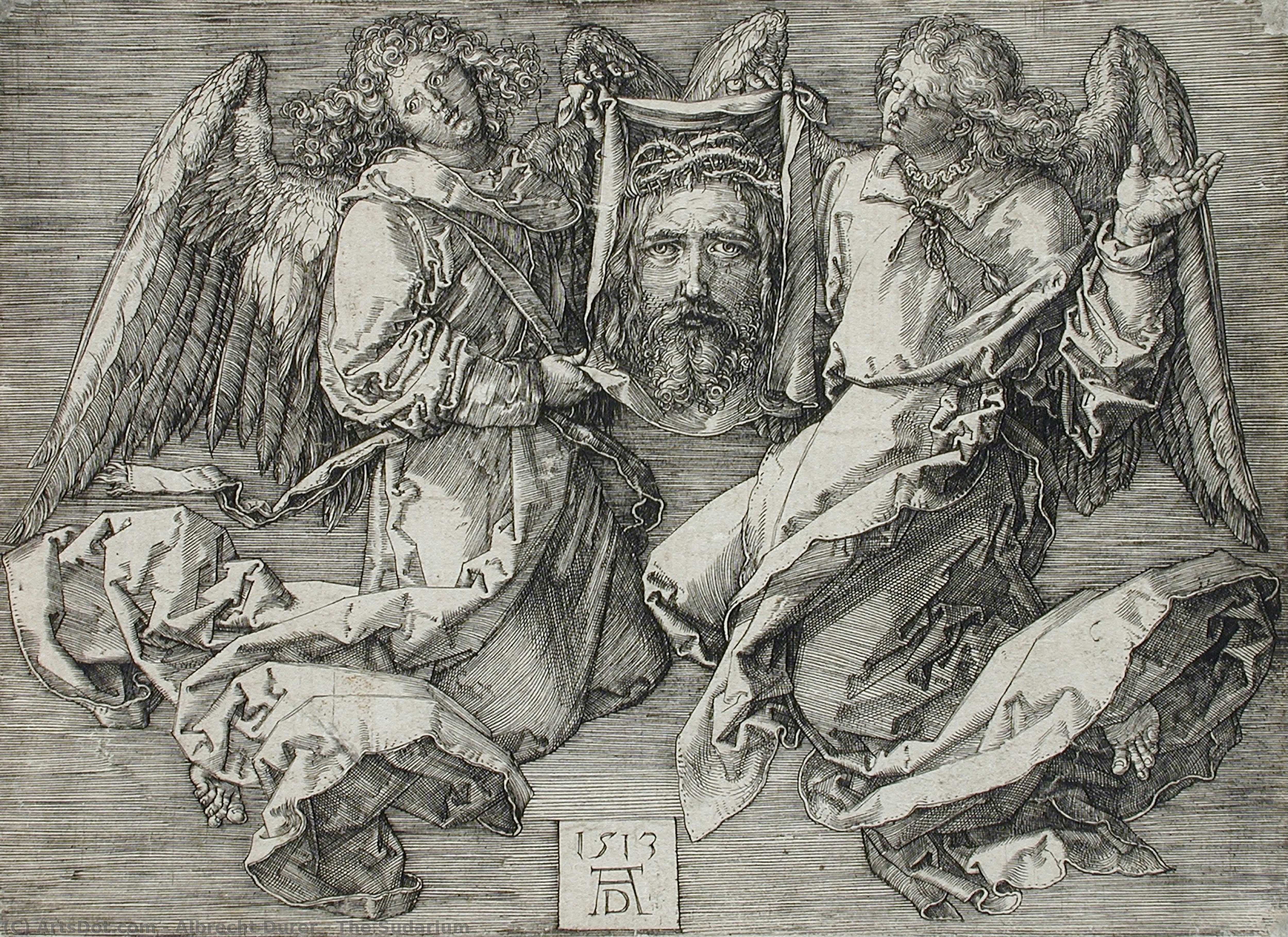
The Sudarium
 Acrylic On Canvas
- WallArt
- Northern Renaissance Engraving
 1513
1513 10.0 x 14.0 cm
 Лос-Анджелесский музей округа Лос-Анджелеса
 Читать далее
Приобретите цифровое изображение высокого разрешения в улучшенном качестве, которое значительно превосходит онлайн-превью.
Каждый файл тщательно подготавливается нашими специалистами с использованием передовых инструментов и экспертной ручной ретуши. Мы гарантируем исключительную четкость, точную цветопередачу и детальную проработку каждого изображения.
Финальный файл доставляется по электронной почте в течение 72 часов и оптимизирован для немедленного использования в профессиональной среде, при верстке и печати. Это тот же уровень качества, которому доверяют ведущие дизайнерские студии, издательства и галереи.
Цифровое изображение
Скачайте файл высокого разрешения для личного использования, печати и творческих проектов. ( Перейти к печати Купить картину ручной работы)
Включено в каждый заказ цифровых изображений
Гарантия экспертной цифровой доставки
Выбирая ArtsDot.com, вы получаете не просто изображение — вы приобретаете профессионально обработанное цифровое произведение искусства, созданное с безупречной точностью и под защитой гарантии качества. Вот всё, что автоматически входит в ваш заказ:

Мгновенная доставка по e-mail
Ваш цифровой файл в высоком разрешении будет отправлен вам по электронной почте в течение 72 часов после оформления заказа — и сразу станет доступен для использования.

Цифровой файл с ИИ-улучшением
Ваше произведение искусства проходит профессиональную оптимизацию с использованием передовых инструментов ИИ и ручной обработки, что гарантирует максимальную детализацию, четкость и точность цветопередачи.

Бессрочная бесплатная повторная доставка
Случайно удалили или потеряли файл? Не беспокойтесь — мы отправим его вам повторно в любое время и совершенно бесплатно.

Без импортных пошлин — навсегда
Наслаждайтесь вашим произведением искусства мгновенно без таможенных пошлин, сборов или затрат на доставку — цифровые загрузки всегда не облагаются налогом.

Гарантия точности цветопередачи
Мы гарантируем, что ваше цифровое изображение максимально точно передает оригинальные цвета благодаря использованию профессиональных инструментов и систем управления цветом.

Гарантия удовлетворенности 100 дней
Если вы не будете удовлетворены своим цифровым изображением, мы внесем правки или вернем 100% стоимости в течение 100 дней — без лишних вопросов.

100% Гарантия возврата средств
Не удовлетворены покупкой? Получите полный возврат средств в течение 100 дней после получения цифрового файла — без лишних вопросов.

Скидки на оптовые заказы
Купите 3 изображения, сэкономьте 10% — Купите 5, сэкономьте 15% — Купите 10+, сэкономьте 20%. Отличное решение для творческих проектов, галерей и агентств.
A Silent Testament to Grief and Divine Compassion
Albrecht Dürer’s “The Sudarium,” completed in 1513, transcends mere visual representation; it embodies a profound meditation on sorrow, faith, and the sacred. This meticulously crafted engraving—a cornerstone of Northern Renaissance art—captures a poignant scene: three angels tenderly attending to Christ’s corpse after his crucifixion. More than just an illustration of biblical narrative, it stands as a testament to humanist ideals and artistic mastery.
- Composition & Perspective: The engraving's design prioritizes symmetry around the central figure of Jesus—a deliberate choice reflecting Dürer’s fascination with geometric precision. Lines dominate the image, establishing depth through overlapping forms and subtly manipulating perspective. This technique, characteristic of engravings from the era, lends an air of solemn grandeur to the composition.
- Technique & Material: Executed on copper plate using hatching and crosshatching—a painstaking process demanding exceptional skill—the engraving achieves remarkable tonal variation. These delicate lines simulate shading and volume, conveying a palpable sense of realism that belies the medium’s limitations. The meticulous detail achieved through this method underscores Dürer's commitment to capturing the essence of his subject.
- Symbolism & Iconography: At its core lies the symbolism of the sudarium—the linen cloth used to wrap Jesus’ body after crucifixion. Traditionally associated with mourning and compassion, it represents divine mercy amidst suffering. The angels themselves symbolize God's benevolent presence and care for humanity, reinforcing the engraving’s spiritual significance.
- Historical Context: Created during the High Renaissance in Nuremberg—a vibrant center of artistic innovation—the engraving reflects the humanist spirit of the time, emphasizing human dignity and intellectual inquiry alongside religious devotion. It stands as a remarkable achievement within the broader context of Northern European art history.
Detailed Examination: Linework & Texture
Dürer’s masterful line work is arguably the engraving's defining characteristic. Each stroke—executed with unwavering accuracy—contributes to an intricate tapestry of textures and tonal nuances. The hatching and crosshatching patterns generate subtle gradations of light and shadow, creating a convincing illusion of three-dimensionality. This technique wasn’t merely decorative; it was crucial for conveying the emotional weight of the scene—the palpable grief etched onto the faces of the angels and the solemn stillness surrounding Christ.
A Window into Renaissance Spirituality
“The Sudarium” isn't simply a depiction of an event; it’s an invitation to contemplate profound spiritual themes. Dürer’s careful attention to detail—from the folds of drapery to the expressions on the angels’ faces—demonstrates his unwavering belief in the power of art to communicate complex ideas and evoke emotional responses. It remains a timeless masterpiece, resonating with viewers centuries later as an emblem of compassion and divine grace.
Recommended Reproduction
A high-quality reproduction of “The Sudarium” captures the engraving’s exquisite detail and tonal richness—allowing you to appreciate Dürer's artistic brilliance in your own home. ArtsDot offers exceptional reproductions crafted with archival inks on premium canvas, ensuring that this iconic artwork retains its beauty and integrity for generations to come.
Похожие произведения
Биография художника
A Life Forged in Nuremberg: The Early Years and Apprenticeship
Albrecht Dürer, a name synonymous with the German Renaissance, emerged from the bustling artisan city of Nuremberg in 1471. His father, Albrecht Dürer the Elder, was a successful goldsmith who had immigrated from Hungary, bringing with him a lineage steeped in craftsmanship. It was within this environment—the scent of metal and the meticulous precision of handiwork—that young Albrecht’s artistic inclinations first took root. Though his father envisioned a similar path for him, apprenticing him initially in the family trade, it soon became undeniable that Albrecht possessed an exceptional gift for drawing. At thirteen, he transitioned to the workshop of Michael Wolgemut, Nuremberg's leading artist at the time. This was no mere technical training; it was immersion into a world of illuminated manuscripts, painted panels, and—crucially—the burgeoning art of woodcut illustration. The sheer volume of work produced by Wolgemut’s workshop, including the extensive illustrations for the *Nuremberg Chronicle*, provided Dürer with an unparalleled foundation in design, composition, and the mechanics of image-making. A remarkable silverpoint self-portrait from 1484, created when he was barely a teenager, stands as astonishing evidence of his precocious talent—a testament to a burgeoning artistic identity already taking shape. This early work demonstrated not only technical skill but also a nascent desire to capture the essence of human form and emotion, foreshadowing the profound impact he would later have on European art.The Italian Influence and Artistic Maturation
Dürer’s ambition extended far beyond the confines of Nuremberg. Driven by an insatiable curiosity and a desire to master the art of painting, he embarked on his first journey to Italy in 1494. This was not simply a sightseeing trip; it was a pilgrimage to the heart of the Renaissance. He encountered the works of masters like Raphael, Giovanni Bellini, and Leonardo da Vinci—artists who were redefining the possibilities of form, perspective, and human expression. The impact of this exposure was profound. Dürer absorbed the classical motifs, harmonious compositions, and subtle sfumato techniques that characterized Italian art, yet he never abandoned his Northern European sensibility for meticulous detail and symbolic depth. He studied the grandeur of Rome’s ancient ruins, marveling at the remnants of a civilization that had mastered proportion and harmony. This journey ignited within him a desire to synthesize the best elements of both Northern and Southern artistic traditions, creating a style uniquely his own. A second sojourn to Italy between 1505 and 1507 further solidified these influences, allowing him to refine his understanding of anatomy and proportion through direct observation and study. This synthesis of Northern precision and Italian grace became the hallmark of Dürer’s unique artistic style—a testament to his intellectual curiosity and artistic ambition.Mastering the Mediums: Painting, Engraving, and Woodcut
Dürer was a master of multiple mediums, each offering him distinct avenues for creative expression. His paintings, though fewer in number than his prints, demonstrate a remarkable command of oil paint and an ability to capture both physical likeness and psychological depth. Works like the *Feast of the Rose Garlands* (1507) reveal a vibrant palette influenced by Venetian colorism—bold hues and shimmering effects that evoke a sense of festive celebration. However, it was in the realm of printmaking—particularly engraving and woodcut—that Dürer truly revolutionized artistic practice. He elevated these techniques from mere reproductive methods to independent art forms, capable of conveying complex narratives and profound emotions. The *Apocalypse* series (1498), a collection of fourteen woodcuts illustrating the Book of Revelation, showcased his mastery of this medium despite its inherent limitations—the intricate detail and dramatic compositions demanded extraordinary skill and patience. Later engravings like *Melencolia I* (1514) and *Saint Jerome in His Study* (1514) are testaments to his unparalleled skill—intricate compositions filled with symbolic meaning and executed with breathtaking precision. He didn’t just depict reality; he imbued it with layers of intellectual and spiritual significance, transforming the printed image into a powerful vehicle for communication and contemplation.A Theorist and Innovator: The Legacy of Albrecht Dürer
Dürer was not merely an artist; he was a scholar, a theorist, and an innovator who sought to understand the underlying principles governing artistic creation. He believed in the mathematical foundations of art and dedicated himself to establishing a scientific approach to representation. His treatises on geometry, proportion, and human anatomy—most notably *Four Books of Human Proportion* (1528)—were groundbreaking for their time, demonstrating his commitment to rigorous observation and rational analysis. These writings were not simply academic exercises; they were intended to elevate the status of artists from mere craftsmen to intellectual practitioners. Dürer’s meticulous studies of human anatomy, combined with his understanding of perspective and proportion, allowed him to create images that were both visually stunning and intellectually stimulating. His work influenced generations of artists, shaping the course of European art for centuries to come. He demonstrated that art could be both technically masterful and intellectually rigorous—a legacy that continues to inspire artists and scholars alike. He remains, to this day, one of the most important figures in the history of Western art.Influences and Enduring Impact
- Michael Wolgemut: Dürer’s initial mentor, providing foundational skills in drawing, painting, and woodcut techniques.
- Leonardo da Vinci: Inspired Dürer’s exploration of anatomy, perspective, and sfumato—the subtle blending of tones.
- Raphael: Influenced Dürer’s compositional harmony and idealized forms.
- Giovanni Bellini: Contributed to Dürer's understanding of color and Venetian painting traditions.
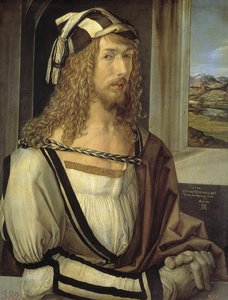
Альбрехт Дюрер
1471 - 1528 , Германия
Основные сведения
- Artistic Movement Or Style: Немецкий Ренессанс
- Artists Or Movements Influenced By This Artist:
- Северный Ренессанс
- Венская школа
- Artists Who Influenced This Artist:
- Леонардо да Винчи
- Рафаэль
- Джотто
- Date Of Birth: 21 мая 1471 г.
- Date Of Death: 6 апреля 1528 г.
- Full Name: Альбрехт Дюрер
- Nationality: Немецкий
- Notable Artworks:
- Апокалипсис
- Меланхолия I
- Святой Иосиф в его кабинете
- Place Of Birth: Нюрнберг, Германия