 Предпросмотр
 Поделиться
 Поделиться
 Детали произведения

 Скачать
 Похожие работы
 Рентгенография
 Слайд-шоу
 Статистика
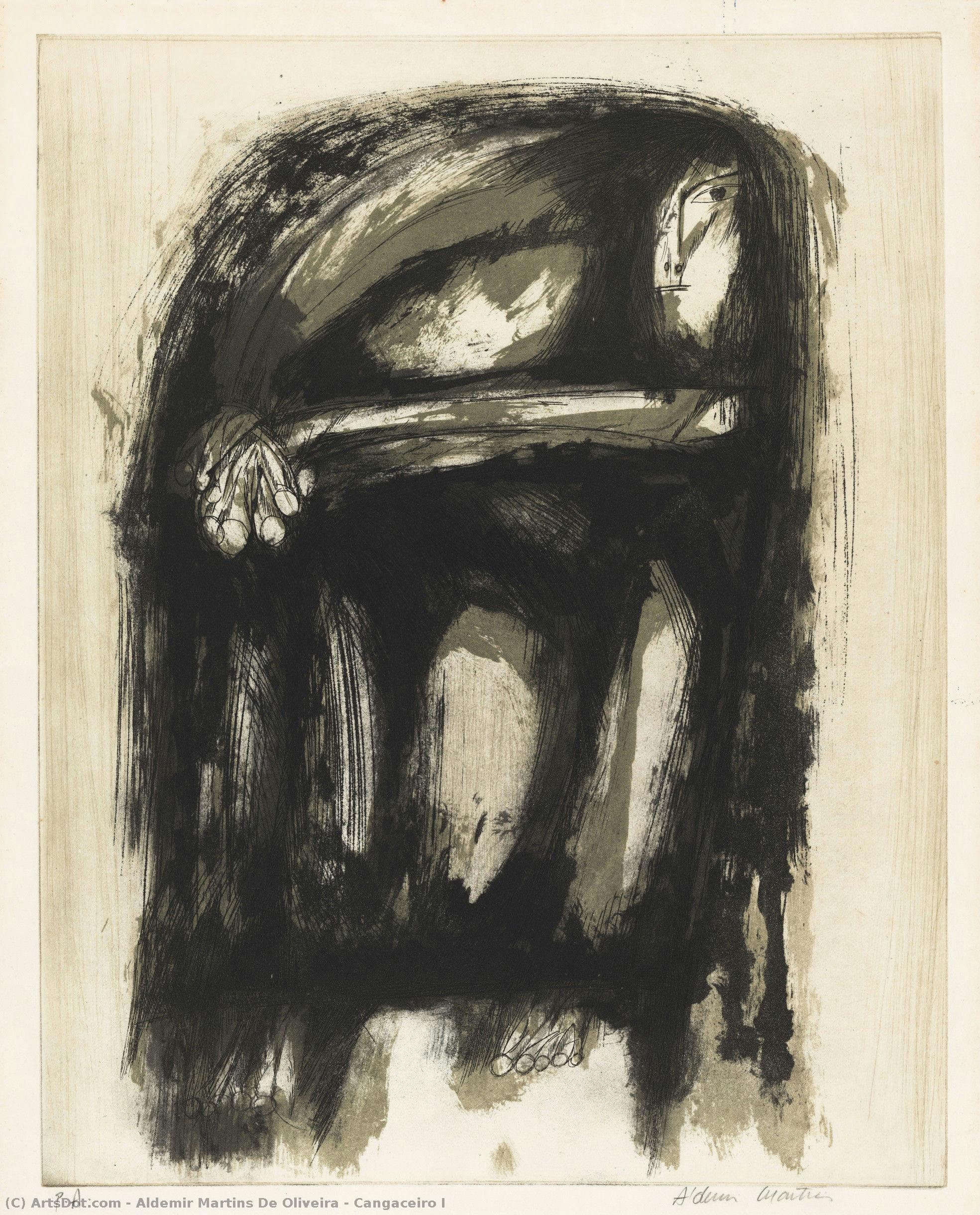
Cangaceiro I
 Painting
- Contemporary Realism
 1990
1990- Modern
 70.0 x 50.0 cm
 Палата депутатов
 Читать далее
Масляная репродукция ручной работы
Картина маслом на холсте в выбранном вами размере и раме, написанная на заказ нашими художниками. ( Перейти к печати Перейти к цифровым изображениям)




P118B $10

P118H $10

P118W $10

P438Z $10

P508JH $12

P508YH $12

P805H $10

P805Z $10

P919BZ $10

P919G $10

P919XJ $10

P959ZH $10

P968JZ $12

W106C $8

W218G $10

W218JH $8

W218Y $10

W307PJ $10

W316G $10

W316PJ $8

W316Y $10

W398PJ $8

W4111J $10

W500HY $15

W500JH $15

W692G $12

W849H $8

W940BG $15

W953PJ $8




Выберите один из наших стандартных размеров, соответствующих оригинальным пропорциям произведения искусства.

Вы можете указать собственные размеры, чтобы картина идеально вписалась в выбранную раму или пространство. Если выбранный вами размер не соответствует пропорциям оригинала, мы либо обрежем полотно, либо расширим его за счет дополнительных элементов, написанных вручную. Цифровой макет будет отправлен вам на утверждение перед началом производства.
Обратите внимание, что предварительный просмотр на экране не отражает фактическую обрезку или расширение. Только макет точно покажет окончательную композицию.
Хотя доступны индивидуальные размеры, мы рекомендуем выбирать вариант из предопределенного списка, чтобы сохранить исходные пропорции.
После оформления заказа команда ArtsDot.com свяжется с клиентом по электронной почте для уточнения деталей и предоставит предварительный макет
Доставка по всему миру () за 3–4 недели вместо стандартных 5 недель. (12 Сентябрь). Без компромиссов в качестве.

Бесплатная экспресс-доставка по всему миру

Высококачественный льняной холст

Полное страхование доставки

Гарантия возмещения таможенных пошлин

Гарантия точного соответствия цветов

100-дневная политика возврата (только при обнаружении дефектов)

Гарантия возврата 100% средств

Предложение оптовых скидок
 Вариант со стеклом доступен только для размеров менее 110 см

Cangaceiro I
Техника репродукции
Размер репродукции
-


Итоговая стоимость
$ 263
A Shadowy Encounter with the Brazilian Northeast
In the evocative depths of Aldemir Martins de Oliveira’s 1990 work, Cangaceiro I, we are invited into a realm where the boundaries between reality and myth begin to blur. This striking black and white painting serves as a haunting window into the soul of the Brazilian Northeast, capturing a moment of profound stillness and mystery. The subject, seated in an oddly shaped, almost unsettling chair, pulls the viewer into a psychological landscape that feels both intimate and otherworldly. By stripping away the vibrant palette for which Martins is often celebrated, this piece forces us to confront the raw textures and stark contrasts of the human condition, presenting a figure whose very identity remains shrouded behind a mask or covering.
The composition is masterfully orchestrated to evoke an eerie, contemplative atmosphere. The way the figure wraps their arms around themselves suggests a state of vulnerability or perhaps a defensive retreat into solitude. There is a palpable tension in the silhouette; the chair itself, with its irregular and uncomfortable geometry, acts as more than just furniture—it becomes a symbolic extension of the subject's internal unrest. Through the expert use of chiaroscuro, the artist manipulates light and shadow to create depth, making the darkness feel heavy and the highlights feel like fleeting glimpses of truth in an otherwise obscured existence.
The Mastery of Monochrome and Symbolism
While many collectors seek Martins for his legendary use of color, Cangaceiro I demonstrates his unparalleled ability to command a monochromatic scale. The technique relies on a sophisticated interplay of tonal values that build a sense of weight and presence. Every brushstroke contributes to the tactile quality of the piece, from the rough suggestion of the clothing to the stark, skeletal lines of the chair. This lack of color does not diminish the emotional impact; rather, it amplifies the symbolic resonance of the Cangaceiro—a term historically linked to the social bandits of Brazil—transforming a specific historical archetype into a universal symbol of isolation and resilience.
For the discerning collector or interior designer, this artwork offers a profound sense of gravity and intellectual depth. It is a piece that demands attention not through loudness, but through its quiet, brooding intensity. When placed within a curated space, such as a minimalist gallery-style living room or a sophisticated study, Cangaceiro I acts as an anchor of conversation and reflection. It provides a sophisticated focal point that complements modern textures—such as leather, stone, or dark wood—while offering a timeless connection to the rich, complex history of Brazilian folk identity and the enduring legacy of Aldemir Martins de Oliveira.
Похожие произведения

Биография художника
Aldemir Martins de Oliveira: A Vision of the Brazilian Northeast
Aldemir Martins de Oliveira, born in Ico, Ceará, Brazil on November 8, 1922, and passing away in São Paulo on February 6, 2006, was a pivotal figure in 20th-century Brazilian art. More than simply a painter, he became a chronicler of his homeland’s soul – its landscapes, its people, and the enduring spirit of the Northeast. His work, characterized by vibrant colors, bold brushstrokes, and an intimate understanding of texture, transcends mere representation; it evokes a powerful sense of place and memory. Martins' artistic journey was one of profound personal connection interwoven with a growing national identity, culminating in a body of art that continues to resonate deeply within Brazil and beyond.Early Life and Artistic Beginnings
Martins’s early life shaped his artistic vision profoundly. He began drawing at the Military College in 1934, an experience that ignited a lifelong passion for visual expression. Self-taught and largely independent, he immersed himself in the burgeoning art scene of Fortaleza, contributing significantly to its cultural development by co-founding the Cultural Center for Fine Arts in 1941, later renamed the Ceará Society of Fine Arts – SCAP. This period saw him experimenting with various mediums, including illustration for regional newspapers and magazines, a crucial step in honing his observational skills and developing his distinctive style. His early work reflected the realities of Northeastern Brazil—the stark beauty of its arid landscapes, the dignity of its people, and the rhythms of rural life – themes that would dominate much of his oeuvre.A Distinctive Artistic Style: Color, Texture, and Narrative
Martins’s artistic style is immediately recognizable for its bold use of color and dynamic brushwork. He eschewed academic precision in favor of a more expressive approach, layering pigments to create rich textures that mimic the rough surfaces of his subjects – weathered wood, sun-baked earth, and the flowing garments of his figures. His palette is intensely vibrant, often employing saturated hues to capture the intensity of the Brazilian sun. However, it’s not merely color; Martins masterfully employed texture to convey depth and emotion. He frequently incorporated elements of *textura*, a technique popular in Brazil during this period, adding a tactile quality to his paintings that invites viewers to almost reach out and touch the scene. Crucially, his work is narrative—each painting tells a story, often imbued with symbolism and reflecting the cultural traditions of the Northeast.Notable Works and Recognition
Several works stand as testaments to Martins’s artistic prowess and enduring legacy. “Bird” (1957), now held by the Museum of Modern Art in New York, is arguably his most celebrated piece – a dynamic composition capturing the essence of avian flight against a dramatic sky. “Rendeira” (1955), depicting a woman weaving on a traditional loom, exemplifies his ability to imbue everyday scenes with profound meaning and emotional resonance. His illustrations for various publications further showcased his versatility and artistic vision. In 1956, he received international recognition at the Venice Biennale, awarded “best international designer,” solidifying his position as a significant voice in contemporary art. The Prêmio Jabuti, bestowed upon him in 1959, acknowledged his contributions to Brazilian literature and arts, recognizing his broader cultural impact.Legacy and Influence
Aldemir Martins de Oliveira’s influence extends far beyond the canvases he created. He served as a mentor to younger artists and played a vital role in promoting Brazilian art on an international stage. His work continues to inspire generations of artists, not only for its technical brilliance but also for its honest portrayal of Brazilian culture and identity. His dedication to capturing the essence of the Northeast—its landscapes, its people, and its traditions—has cemented his place as one of Brazil’s most important 20th-century artists. His legacy lives on through his captivating paintings, drawings, and illustrations, offering a timeless window into the heart of Brazil.
aldemir martins de oliveira
1922 - 2006 , Brazil
Основные сведения
- Artistic Movement Or Style: Unique blend
- Date Of Birth: November 8, 1922
- Date Of Death: February 6, 2006
- Full Name: Aldemir Martins de Oliveira
- Nationality: Brazilian
- Notable Artworks:
- Bird (1957)
- Rendeira
- Place Of Birth: Ico, Ceará, Brazil
Похожие статьи

Белые шедевры: 10 знаменитых картин, покоривших мир (репродукции, декор)
Откройте для себя 10 знаменитых картин, где белый цвет – главный герой! Моне, Дега и другие мастера. История искусства, техники живописи и вдохновение для вашего интерьера. Репродукции высокого качества на ArtsDot.com
The Subtleties of White: Exploring Absence, Light & Symbolism in Art History
Explore the profound symbolism & history of white in art! From ancient purity to modern abstraction, discover how artists have used absence & light. Expert insights from ArtsDot.

Топ-10 знаменитых картин в черных тонах: шедевры искусства для вашего интерьера
Погрузитесь в мир темных шедевров! Топ-10 знаменитых картин в черных тонах от Гойи, Рембрандта и Мунка. История искусства, техники живописи и вдохновение для вашего интерьера. Купите репродукции высокого качества на ArtsDot.com
Топ-10 шедевров в оттенках черного: искусство, история и декор с ArtsDot
Погрузитесь в мир великих шедевров, где черный цвет – символ страсти и драмы. От Караваджо до Мунка, откройте историю искусства с ArtsDot. Купите репродукции картин онлайн и преобразите свой интерьер! Explore the full collection on ArtsDot.com

Monochrome Visions: Exploring the Aesthetic & Historical Significance of Black & White Photography
Explore the rich history & artistic power of black and white photography. From early techniques to iconic masters like Ansel Adams, discover why monochrome continues to captivate art lovers today. Expert insights for collectors.