

 Поделиться
 Поделиться
 Детали произведения

 Скачать
 Похожие работы
 Слайд-шоу
 Статистика
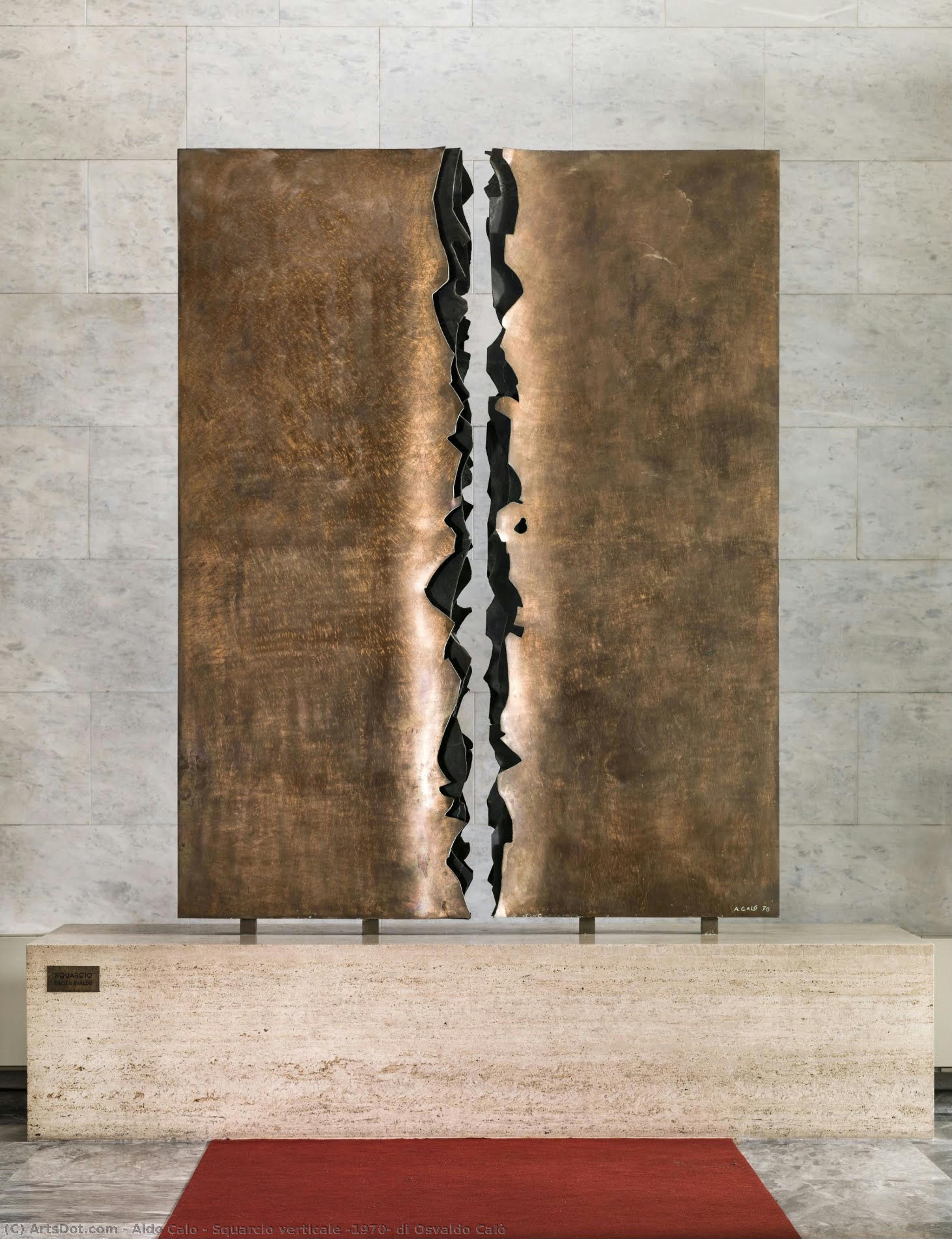
Squarcio verticale (1970) di Osvaldo Calò
 Metal
Metal- Sculpture
- Minimalism
 Modern
 243.0 x 315.0 cm
 Ministero degli Affari Esteri e della Cooperazione Internazionale. Collezione Farnesina
 Читать далее
Масляная репродукция ручной работы
Картина маслом на холсте в выбранном вами размере и раме, написанная на заказ нашими художниками. ( Перейти к печати Перейти к цифровым изображениям)




































Выберите один из наших стандартных размеров, соответствующих оригинальным пропорциям произведения искусства.

Вы можете указать собственные размеры, чтобы картина идеально вписалась в выбранную раму или пространство. Если выбранный вами размер не соответствует пропорциям оригинала, мы либо обрежем полотно, либо расширим его за счет дополнительных элементов, написанных вручную. Цифровой макет будет отправлен вам на утверждение перед началом производства.
Обратите внимание, что предварительный просмотр на экране не отражает фактическую обрезку или расширение. Только макет точно покажет окончательную композицию.
Хотя доступны индивидуальные размеры, мы рекомендуем выбирать вариант из предопределенного списка, чтобы сохранить исходные пропорции.
После оформления заказа команда ArtsDot.com свяжется с клиентом по электронной почте для уточнения деталей и предоставит предварительный макет
Доставка по всему миру () за 3–4 недели вместо стандартных 5 недель. (12 Сентябрь). Без компромиссов в качестве.

Бесплатная экспресс-доставка по всему миру

Высококачественный льняной холст

Полное страхование доставки

Гарантия возмещения таможенных пошлин

Гарантия точного соответствия цветов

100-дневная политика возврата (только при обнаружении дефектов)

Гарантия возврата 100% средств

Предложение оптовых скидок
 Вариант со стеклом доступен только для размеров менее 110 см

Squarcio verticale (1970) di Osvaldo Calò
Техника репродукции
Размер репродукции
-


Итоговая стоимость
$ 263
The Poetics of Rupture: Encountering Osvaldo Calò’s Vertical Fracture
In the quiet corridors of contemporary art, few works command attention with such raw, industrial gravity as Squarcio verticale. Created in 1970 by the Italian master Aldo Calò, this monumental piece serves as a profound meditation on the tension between permanence and decay. At first glance, the viewer is confronted by a striking visual rupture—a large, vertical crack that seems to slice through the very essence of the medium. This is not merely a flaw in the material, but a deliberate, sculptural intervention that challenges our perception of stability. The work possesses an imposing presence, measuring an expansive 243 x 315 cm, making it less of a mere object and more of an architectural event that redefines the space it inhabits.
The aesthetic language of this piece is deeply rooted in the minimalist and geometric abstraction movements that defined much of Calò’s later career. There is a palpable sense of industrial modernism at play; the metallic surface of the work reflects a cold, structural strength, yet it is precisely this strength that is being interrogated by the central fissure. The technique suggests a mastery over heavy, unyielding materials, transforming what could be seen as mere metal into a canvas for existential inquiry. By introducing a "wound" into such a rigid form, Calò bridges the gap between the industrial and the organic, inviting the observer to find beauty in the broken and meaning in the fragmented.
For the discerning collector or interior designer, Squarcio verticale offers an unparalleled opportunity to introduce a focal point of profound intellectual depth. The piece functions as a conversation starter, its stark geometry and dramatic shadow play providing a sophisticated anchor for modern, minimalist, or even brutalist interior environments. It does not merely decorate a wall; it commands the atmosphere, injecting a sense of historical weight and avant-garde spirit into a room. To possess a high-quality reproduction of this work is to bring a piece of mid-century Italian sculptural innovation into the contemporary home, offering a permanent window into the era of geometric silence and structural drama.
Beyond its physical impact, the emotional resonance of Calò’s creation lies in its ability to evoke both awe and introspection. The "vertical tear" can be interpreted as a symbol of the passage of time or the inevitable breaking of even the most resilient structures. It speaks to the human condition—the vulnerability hidden beneath a hardened exterior. As one stands before this work, perhaps seated on a gallery bench in quiet contemplation, the piece invites a slowing of time. It is an invitation to look closer at the cracks in our own perceptions and to find the sublime artistry within the unexpected breaks of life.
Похожие произведения
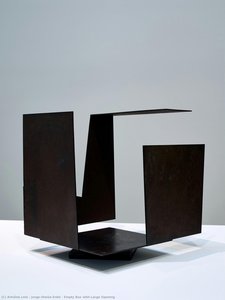
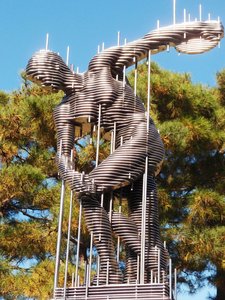
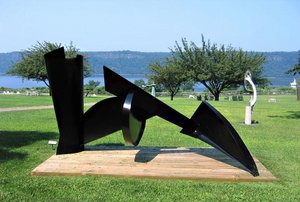
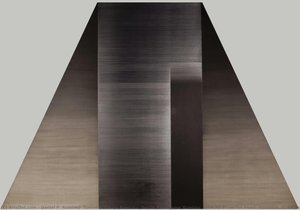
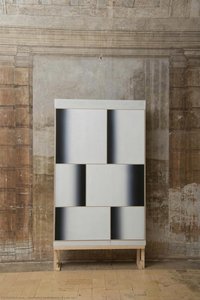
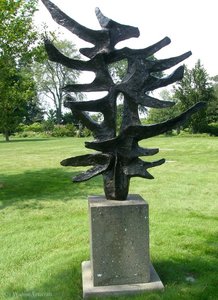
Биография художника
Aldo Calo (1910 - 1983): Geometry and Silence
Aldo Calo (1910 – 1983) stands as a singular figure in Italian sculpture of the mid-century, embodying a profound commitment to minimalist aesthetics and geometric abstraction. Born in San Cesario di Lecce, Italy, his artistic journey began with formal training at the Lecce Art School and continued at the Institute of Art in Florence, where he absorbed influences from antiquity—particularly monumental sculptures—Catholic iconography, and the ornate architectural decorations characteristic of Baroque grandeur. These formative experiences instilled a sensitivity to form and materiality that would define his distinctive style throughout his prolific career. By the late 1940s, Calo’s artistic vision expanded beyond traditional representation, embracing the burgeoning international art movements of Surrealism and Expressionism. He encountered pivotal figures like Constantin Brancusi, Jean Arp, and Ossip Zadkine in Paris during a formative period, fostering dialogues that propelled him toward exploring new conceptual territories. This encounter with fellow sculptors profoundly impacted his artistic sensibilities, encouraging experimentation with unconventional materials and techniques—a hallmark of his oeuvre. Notably, he collaborated briefly with Henry Moore in England, immersing himself in the British sculptural landscape and absorbing its modernist ethos. Calò’s stylistic evolution culminated in a singular approach characterized by an unwavering dedication to simplicity and geometric precision. He eschewed elaborate ornamentation, prioritizing fundamental forms—often cubes, spheres, and cylinders—to convey profound ideas about space, balance, and materiality. His sculptures achieved remarkable visual impact through subtle variations in texture and surface finish, creating surfaces that seemed to emanate a quiet stillness. This minimalist aesthetic resonated deeply with the spirit of the 1960s Art Movement, aligning him with artists who sought to distill artistic expression into its purest essence. Calò’s artistic output spanned decades, producing over 350 sculptures—a testament to his unwavering dedication and creative impulse. He served as Director of the Institute of Art in Rome from 1959 until his death in 1983, nurturing a generation of aspiring sculptors and shaping the intellectual landscape of Italian art education. His influence extended beyond pedagogical endeavors; he actively participated in artistic exhibitions across Europe and internationally, showcasing his work alongside luminaries such as Brancusi, Moore, and Marini—artists who shared his commitment to geometric abstraction and sculptural innovation. Throughout his career, Calò received numerous accolades recognizing his contribution to the art world, including the National Prize for Sculpture awarded at the Venice Biennale in 1962—a prestigious honor that cemented his reputation as one of Italy’s foremost sculptors. His sculptures reside in prominent museums worldwide—including the Milwaukee Art Museum and the Museo Nazionale Romano—demonstrating their enduring appeal and securing their place within the canon of modern art history. Aldo Calo's legacy continues to inspire artists today, reminding us that profound artistic expression can emerge from the most austere forms.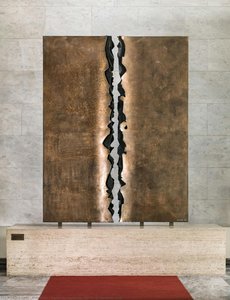
aldo calo
1910 - 1983
Основные сведения
- Artistic Movement Or Style: Geometric Abstraction
- Artists Or Movements Influenced By This Artist: ['Marino Marini']
- Artists Who Influenced This Artist:
- Constantin Brancusi
- Jean Arp
- Ossip Zadkine
- Date Of Death: 1983
- Full Name: Aldo Calo
- Nationality: Italian
- Notable Artworks:
- Danseuse au serpents.
- Senza titolo.
- Untitled, 1957.
- Tensione No. 2.
- Place Of Birth: San Cesario di Lecce, Italy
Похожие статьи
Beyond Form & Color: Geometric Abstraction's Evolution in 20th/21st Century Art
Explore the evolution of geometric abstraction from Cubism to contemporary art. Discover key artists like Malevich & Mondrian, investment insights, and expert collecting advice at ArtsDot.

10 легендарных бронзовых скульптур, изменивших искусство навсегда | ArtsDot
Погрузитесь в мир великих бронзовых скульптур! От Давида Микеланджело до работ Родена – история искусства, техники и вдохновения. Купите репродукции шедевров для вашего интерьера на ArtsDot.com
Фернан Леже: Топ-25 шедевров кубизма для ценителей искусства и декора интерьера
Погрузитесь в мир Фернана Леже! Топ-25 шедевров кубизма, раскрывающих машинную эстетику и новаторский стиль художника. Репродукции картин высокого качества для вашего интерьера. Откройте всю коллекцию на ArtsDot.com
Beyond Form & Color: Geometric Abstraction's Enduring Legacy in Art History
Explore the captivating world of geometric abstraction! Discover its origins, key artists like Malevich & Mondrian, and why this movement remains highly valued by art collectors today. Expert insights at ArtsDot.

Геометрическая абстракция: 10 шедевров, изменивших искусство | ArtsDot.com
Погрузитесь в мир геометрической абстракции! От Кандинского до Малевича – 10 шедевров, изменивших искусство. Узнайте историю создания и значение культовых картин. Репродукции музейного качества на ArtsDot.com. Вдохновение для вашего интерьера!