

 Предпросмотр
 Поделиться
 Поделиться
 Детали произведения

 Скачать
 Похожие работы
 Рентгенография
 Слайд-шоу
 Статистика
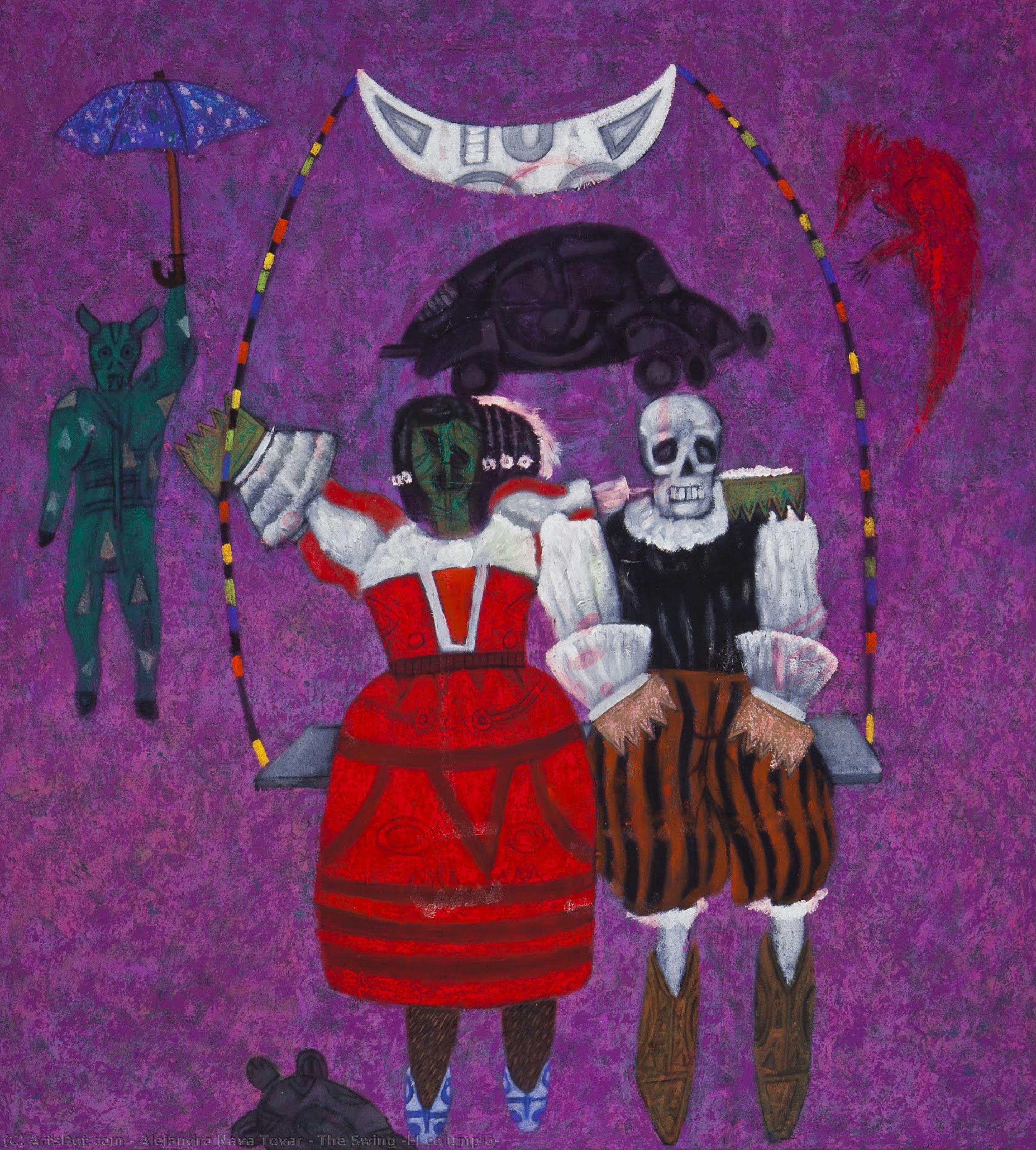
The Swing (El columpio)


 Читать далее
Масляная репродукция ручной работы
Картина маслом на холсте в выбранном вами размере и раме, написанная на заказ нашими художниками. ( Перейти к печати Перейти к цифровым изображениям)




P118B $10

P118H $10

P118W $10

P438Z $10

P508JH $12

P508YH $12

P805H $10

P805Z $10

P919BZ $10

P919G $10

P919XJ $10

P959ZH $10

P968JZ $12

W106C $8

W218G $10

W218JH $8

W218Y $10

W307PJ $10

W316G $10

W316PJ $8

W316Y $10

W398PJ $8

W4111J $10

W500HY $15

W500JH $15

W692G $12

W849H $8

W940BG $15

W953PJ $8




Выберите один из наших стандартных размеров, соответствующих оригинальным пропорциям произведения искусства.

Вы можете указать собственные размеры, чтобы картина идеально вписалась в выбранную раму или пространство. Если выбранный вами размер не соответствует пропорциям оригинала, мы либо обрежем полотно, либо расширим его за счет дополнительных элементов, написанных вручную. Цифровой макет будет отправлен вам на утверждение перед началом производства.
Обратите внимание, что предварительный просмотр на экране не отражает фактическую обрезку или расширение. Только макет точно покажет окончательную композицию.
Хотя доступны индивидуальные размеры, мы рекомендуем выбирать вариант из предопределенного списка, чтобы сохранить исходные пропорции.
После оформления заказа команда ArtsDot.com свяжется с клиентом по электронной почте для уточнения деталей и предоставит предварительный макет
Доставка по всему миру () за 3–4 недели вместо стандартных 5 недель. (13 Сентябрь). Без компромиссов в качестве.

Бесплатная экспресс-доставка по всему миру

Высококачественный льняной холст

Полное страхование доставки

Гарантия возмещения таможенных пошлин

Гарантия точного соответствия цветов

100-дневная политика возврата (только при обнаружении дефектов)

Гарантия возврата 100% средств

Предложение оптовых скидок
 Вариант со стеклом доступен только для размеров менее 110 см

The Swing (El columpio)
Техника репродукции
Размер репродукции
-


Итоговая стоимость
$ 263
A Whimsical Dance of Life and Death
In the vibrant and surreal landscape of Alejandro Nava Tovar’s "The Swing (El columpio)," the boundaries between the macabre and the joyful dissolve into a singular, breathtaking vision. Created in 1990, this piece invites the viewer into a dreamscape where skeletons—traditionally symbols of mortality—are reimagined as protagonists of leisure and companionship. As they sit perched upon a swing beneath the protective canopy of a dark umbrella, there is an undeniable sense of playfulness that defies the grim nature of their forms. The composition is a masterclass in unexpected juxtapositions, pulling the observer into a world where the skeletal remains of life are still capable of experiencing the simple, rhythmic joy of a summer breeze.
The artist’s technique breathes life into the inanimate, utilizing a palette that feels both energetic and deeply rooted in a contemporary Mexican aesthetic. Nava Tovar masterfully weaves a tapestry of diverse elements that populate this enchanted scene: an elephant looms near the upper periphery, a loyal dog rests on the edge of the frame, and birds flutter through the air, adding layers of movement to the stillness of the bones. This dense, layered approach to storytelling creates a sense of discovery; every time one gazes upon the canvas, a new detail—perhaps a distant bench or a hidden creature—reveals itself, rewarding the contemplative eye with a deeper understanding of this miniature, bustling universe.
Symbolism and the Spirit of Mexican Surrealism
Deeply influenced by the rich traditions of Mexican muralism and the bold spirit of artists like Diego Rivera, Nava Tovar utilizes The Swing to explore the duality of existence. The presence of the skeletons does not evoke fear, but rather a celebration of the eternal cycle of life. By placing these figures in a state of repose and recreation, the artist suggests that the essence of joy is indestructible, persisting even beyond the physical form. The umbrella serves as a poignant symbol of protection and intimacy, creating a private sanctuary for the two figures amidst a world filled with unexpected wonders.
For the discerning collector or interior designer, this artwork offers more than mere decoration; it provides a profound emotional anchor. Its ability to spark conversation makes it an ideal centerpiece for a modern gallery, a sophisticated study, or a vibrant living space. The piece challenges the viewer to find beauty in the unconventional and to embrace the whimsical nature of the unknown. As a high-quality reproduction, this painting brings with it the soul of Mexican surrealism, offering a window into a realm where every brushstroke celebrates the enduring, playful spirit of life itself.
Похожие произведения
Биография художника
Jean-Michel Basquiat: A Voice From the Streets
Born in Brooklyn, New York, in 1960 to Haitian and Puerto Rican parents, Jean-Michel Basquiat’s life was a collision of cultures and experiences that profoundly shaped his art. His early years were marked by movement – leaving home at fifteen to live in Lower Manhattan, immersing himself in the vibrant, often chaotic world of New York City's downtown scene. He found work as a messenger boy, a dishwasher, and even a nightclub bouncer, absorbing the energy and grit of the city while simultaneously honing his artistic skills through sketching and painting on whatever surfaces he could find – walls, floors, jackets, anything that offered a canvas.
Initially, Basquiat’s work was deeply rooted in the graffiti subculture. He adopted the pseudonym “SAMO” (short for “same old, same old”) and began tagging city walls with cryptic statements alongside fellow artists like Al Diaz. These early pieces, often incorporating phrases like "SAMO © 4 THE SO-CALLED AVANT-GARDE," were a direct challenge to the established art world, questioning its conventions and reflecting the frustrations of marginalized communities. This street art background—the immediacy, the raw energy, and the deliberate disruption – would become a defining characteristic of his later work.
The Rise to Fame: From Subway Cars to Museum Walls
The turning point arrived in 1980 with the “Times Square Show,” an unauthorized exhibition organized by a group of artists who transformed a vacant building into a makeshift gallery. Basquiat’s paintings, characterized by their bold colors, fragmented imagery, and layered text, immediately attracted attention from critics and collectors alike. The influential article "The Radiant Child" in The New York Times Magazine, written by Rene Ricard, catapulted him to international fame, framing him as a “new original” – a figure both deeply personal and profoundly critical of the art market’s tendency to commodify and distort artistic expression.
This period was particularly significant because it coincided with the "culture wars" of the 1980s—a time of intense social and political polarization. Basquiat's work resonated powerfully with this context, addressing issues of race, identity, and power dynamics within the art world itself. He wasn’t simply creating beautiful images; he was engaging in a dialogue about representation, exclusion, and the complex relationship between artist and audience.
A Visual Language: Symbolism and Technique
Basquiat's visual language is instantly recognizable—a dense tapestry of symbols, words, and imagery that often defy easy interpretation. He drew heavily on sources ranging from African art and mythology to American pop culture, jazz music, and historical documents. His paintings frequently incorporate anatomical diagrams, lists, inventories, maps, and cryptic phrases, creating a sense of intellectual stimulation alongside emotional resonance.
Technically, Basquiat’s style evolved rapidly throughout his career. Initially influenced by the gestural energy of Abstract Expressionism and the raw immediacy of graffiti, he gradually developed a more controlled and layered approach, employing techniques such as collage, painting, drawing, and assemblage. His use of bright colors—particularly blues, reds, and yellows—contrasted sharply with the black-and-white imagery often associated with street art, creating a dynamic visual tension.
Legacy and Impact
Despite his tragically short life – he died of a heroin overdose in 1988 at the age of twenty-seven – Jean-Michel Basquiat left an indelible mark on the art world. His work continues to be celebrated for its raw honesty, its critical engagement with social issues, and its innovative visual language. His paintings have achieved astonishing levels of value, demonstrating a remarkable return on investment over time, as evidenced by Sotheby’s index.
More importantly than the monetary value, Basquiat's legacy lies in his ability to challenge conventions, to speak truth to power, and to give voice to marginalized communities. His art remains relevant today, prompting viewers to confront uncomfortable truths about race, identity, and the complexities of contemporary society. He is remembered not just as a brilliant artist but as a cultural icon—a testament to the transformative power of creativity and the enduring importance of artistic expression.

alejandro nava tovar
1982 - , Mexico
Основные сведения
- Artistic Movement Or Style: Neo-Expressionism
- Artists Or Movements Influenced By This Artist:
- Jazz
- Black art history
- Artists Who Influenced This Artist:
- Andy Warhol
- Graffiti artists
- Date Of Birth: 1960
- Date Of Death: 1988
- Full Name: Jean-Michel Basquiat
- Nationality: American
- Notable Artworks:
- Untitled (1982)
- Dustheads
- Echoes in the Rain
- Place Of Birth: Brooklyn, New York
Похожие статьи

Dreamscapes & Disrupted Realities: Exploring Surrealism's Enduring Influence
Explore the fascinating world of Surrealism! Discover its origins, key artists like Dalí & Magritte, and enduring influence on art & culture. Expert insights & high-quality reproductions at ArtsDot.
Макс Эрнст: 25 шедевров сюрреализма для ценителей искусства и декора интерьера
Погрузитесь в мир сюрреализма с Максом Эрнстом! 25 культовых картин, раскрывающих тайны подсознания и новаторские техники. Репродукции высокого качества для вашего интерьера на ArtsDot.com. Откройте всю коллекцию онлайн!
Психология игривой образности: Живопись как катализатор эмоционального благополучия и социальной связи
Исследуйте психологию игривой образности в живописи! Узнайте, как юмор и причудливость влияют на эмоциональное благополучие и социальные связи. Экспертный анализ и вдохновляющие примеры.
Pop Surrealism: A Collision of Culture, Dreams & the Subconscious in Post-War Art
Explore the captivating world of Pop Surrealism with ArtsDot. Discover key artists like George Condo & Robert Williams, investment potential, and the movement's cultural impact. Expert insights for collectors.
Топ-10 шедевров сюрреализма: искусство, изменившее взгляд на мир | ArtsDot.com
Погрузитесь в мир сюрреализма! Откройте для себя 10 шедевров Дали, Магритта и других гениев. История искусства, уникальные техники и вдохновение для вашего интерьера. Репродукции картин высокого качества на ArtsDot.com.