 Предпросмотр
 Поделиться
 Поделиться
 Детали произведения

 Скачать
 Похожие работы
 Рентгенография
 Слайд-шоу
 Статистика
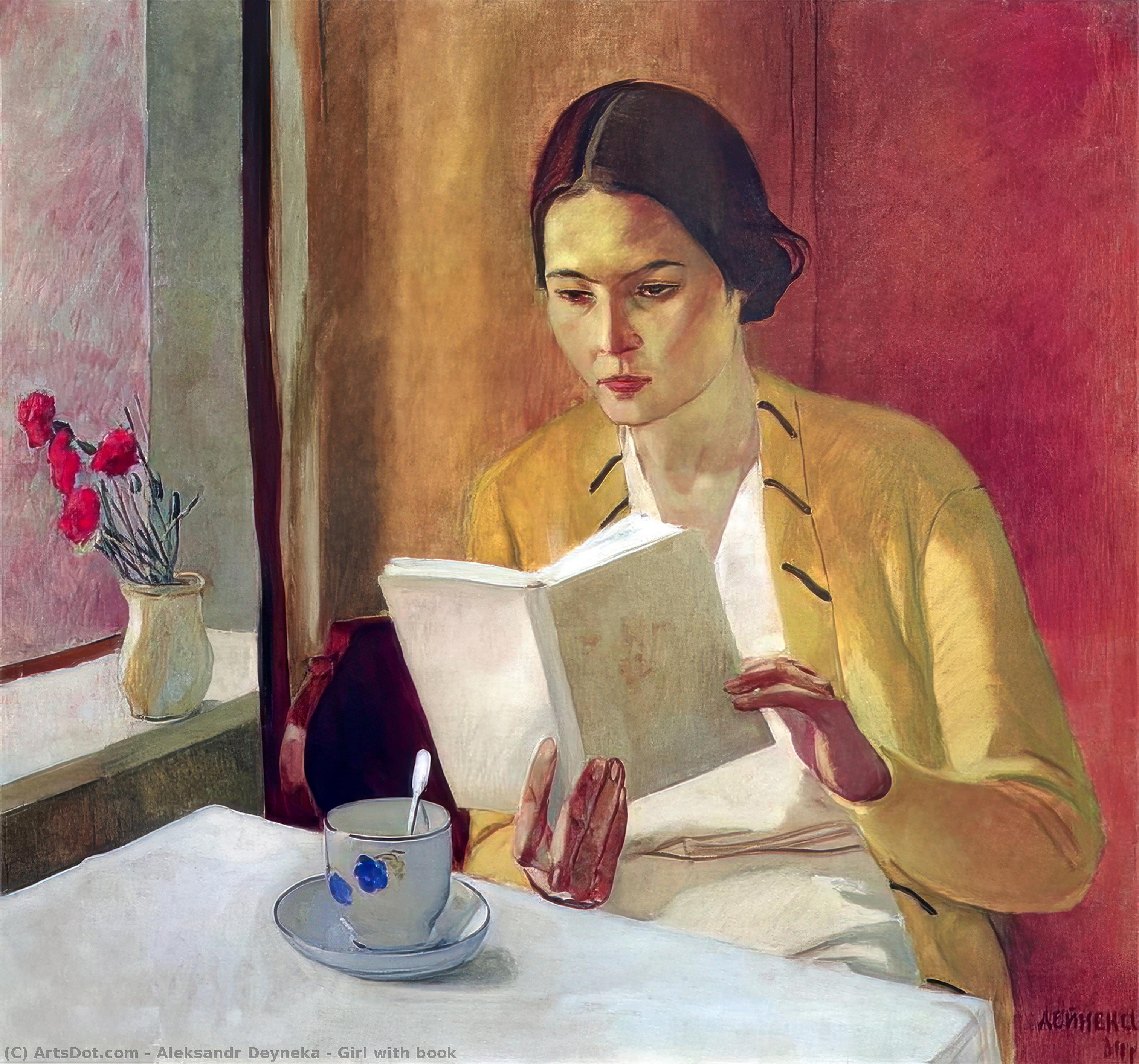
Girl with book
 Oil On Canvas
- WallArt
- Socialist Realism
 1934
1934- Modern
 90.0 x 98.0 cm
 Читать далее
Масляная репродукция ручной работы
Картина маслом на холсте в выбранном вами размере и раме, написанная на заказ нашими художниками. ( Перейти к печати Перейти к цифровым изображениям)




P118B $10

P118H $10

P118W $10

P438Z $10

P508JH $12

P508YH $12

P805H $10

P805Z $10

P919BZ $10

P919G $10

P919XJ $10

P959ZH $10

P968JZ $12

W106C $8

W218G $10

W218JH $8

W218Y $10

W307PJ $10

W316G $10

W316PJ $8

W316Y $10

W398PJ $8

W4111J $10

W500HY $15

W500JH $15

W692G $12

W849H $8

W940BG $15

W953PJ $8




Выберите один из наших стандартных размеров, соответствующих оригинальным пропорциям произведения искусства.

Вы можете указать собственные размеры, чтобы картина идеально вписалась в выбранную раму или пространство. Если выбранный вами размер не соответствует пропорциям оригинала, мы либо обрежем полотно, либо расширим его за счет дополнительных элементов, написанных вручную. Цифровой макет будет отправлен вам на утверждение перед началом производства.
Обратите внимание, что предварительный просмотр на экране не отражает фактическую обрезку или расширение. Только макет точно покажет окончательную композицию.
Хотя доступны индивидуальные размеры, мы рекомендуем выбирать вариант из предопределенного списка, чтобы сохранить исходные пропорции.
После оформления заказа команда ArtsDot.com свяжется с клиентом по электронной почте для уточнения деталей и предоставит предварительный макет
Доставка по всему миру () за 3–4 недели вместо стандартных 5 недель. (10 Сентябрь). Без компромиссов в качестве.

Бесплатная экспресс-доставка по всему миру

Высококачественный льняной холст

Полное страхование доставки

Гарантия возмещения таможенных пошлин

Гарантия точного соответствия цветов

100-дневная политика возврата (только при обнаружении дефектов)

Гарантия возврата 100% средств

Предложение оптовых скидок
 Вариант со стеклом доступен только для размеров менее 110 см

Girl with book
Техника репродукции
Размер репродукции
-


Итоговая стоимость
$ 263
A Moment of Quietude in a Changing World
In the vast and often turbulent tapestry of twentieth-century art, there exist rare moments of profound stillness that capture the very essence of human contemplation. Aleksandr Deyneka’s 1934 masterpiece, Girl with Book, is precisely such a moment. This evocative portrait invites the viewer into a private sanctuary, far removed from the industrial clamor and political shifts of the Soviet era. The scene depicts a young woman seated at a dining table, her attention entirely surrendered to the pages of a book. Bathed in the soft, natural light streaming from a nearby window, she exists in a state of serene isolation, a quiet rebellion against the frantic pace of modernity. The composition is masterfully balanced, with the gentle presence of a potted plant and delicate vases adding organic textures that ground the ethereal quality of the morning light.
The painting serves as a poignant study of light and atmosphere. Through his expert use of technique, Deyneka captures the way sunlight dances across the tabletop, illuminating a simple cup of tea or coffee and casting soft shadows that give the room a tangible, three-dimensional depth. The artist’s brushwork, while maintaining a structural clarity characteristic of his training at Vkhutemas, possesses a rhythmic fluidity that breathes life into the inanimate objects surrounding the subject. There is a palpable sense of warmth in the way the light touches the woman's form, suggesting a harmony between the individual and her environment. This interplay of light and shadow does more than just define space; it creates an emotional resonance, evoking feelings of nostalgia, peace, and the bittersweet beauty of a fleeting afternoon.
The Intersection of Intimacy and Artistry
For the discerning collector or interior designer, Girl with Book offers much more than mere aesthetic pleasure; it provides a focal point of intellectual and emotional depth. The symbolism within the work is subtle yet profound. The book acts as a window to another world, representing the inner life and the enduring power of knowledge even amidst societal transformation. The presence of greenery and the simple domesticity of the table setting suggest a longing for stability and the cultivation of the soul. This piece does not demand attention through grandiosity but earns it through its quiet, persistent grace.
Integrating a high-quality reproduction of this work into a living space can transform an interior into a gallery of reflection. Whether placed in a sunlit reading nook or as a sophisticated centerpiece in a contemporary dining room, the painting brings a sense of historical weight and tranquil elegance. It serves as a reminder that even in our most connected age, there is immense value in the solitary pursuit of thought. To possess this work is to hold a fragment of 1934—a time when, through the eyes of Deyneka, we can find beauty in the simplest of human rituals.
Похожие произведения
Биография художника
A Life Forged in Revolution: The Artistic Journey of Aleksandr Deyneka
Aleksandr Aleksandrovich Deyneka, born in 1899 in the provincial Russian city of Kursk, was an artist inextricably linked to the tumultuous currents of the twentieth century. His life and work mirrored the dramatic shifts of his nation – from the waning days of Tsarist Russia through the fervor of revolution, the industrialization of the Soviet era, and the shadow of war. Deyneka wasn’t merely a recorder of these events; he was an active participant, shaping and being shaped by the ideological forces that swept across his homeland. His early life offered little hint of the artistic prominence to come. He initially pursued studies at a railway college, simultaneously attending art workshops – a practical grounding that would later inform the dynamic energy and structural clarity present in his compositions. This period was cut short by the upheaval of 1917, propelling him towards Moscow and enrollment at Vkhutemas, the Higher State Artistic and Technical Workshops, a crucible of avant-garde thought and experimentation. It was here, under the tutelage of Vladimir Favorsky, that Deyneka honed his skills in graphic arts and printmaking, absorbing the principles of constructivism and developing a keen understanding of form and space.The Rise of Socialist Realism and Defining an Era
Deyneka’s artistic development unfolded alongside the evolving aesthetic demands of the Soviet state. Initially aligned with groups like OST (Society of Easel Artists), he embraced modernist principles, exploring dynamic compositions and a bold visual language. His early works reflected this influence – vibrant color palettes, energetic brushstrokes, and a fascination with movement were hallmarks of his style during this period. However, as Stalin consolidated power and Socialist Realism became the officially sanctioned style, Deyneka adapted – not by abandoning his artistic vision entirely, but by channeling it into forms acceptable to the regime. This wasn’t simply capitulation; rather, it was a strategic negotiation that allowed him to continue creating impactful work while navigating a politically fraught landscape. His paintings of the 1930s, such as *Collective Farmer on a Bicycle* (1935), became iconic representations of Soviet ideals – celebrating labor, athleticism, and the promise of a new socialist society. The painting is not merely a depiction of rural life; it’s an embodiment of forward momentum, a visual manifesto of progress and optimism. He skillfully blended these modernist elements with the prescribed themes and stylistic conventions of Socialist Realism, creating works that were both visually engaging and politically aligned. This period also saw his involvement with the *Windows of ROSTA* project, creating powerful propaganda posters that disseminated revolutionary messages throughout the country. These weren’t just advertisements; they were carefully constructed narratives designed to inspire loyalty and promote the virtues of the new Soviet order.Beyond Propaganda: Monumentality and Mosaic Mastery
While often categorized as a Socialist Realist painter, to limit Deyneka to this label is to overlook the breadth of his artistic talent. His ambition extended beyond easel paintings into monumental works and public art. He created large-scale canvases depicting historical events – *The Defense of Petrograd* (1928) being a prime example – imbued with dramatic intensity and a sense of epic scale. These weren’t simply illustrations of battles; they were attempts to capture the spirit of revolutionary struggle, transforming historical moments into mythic narratives. The figures in these paintings are often depicted in dynamic poses, conveying a sense of urgency and heroism. Deyneka's use of color is particularly striking – bold reds, yellows, and blues create a vibrant and emotionally charged atmosphere. Perhaps less known but equally significant is his work in mosaics. Deyneka’s designs for the Mayakovskaya metro station in Moscow are breathtaking examples of public art seamlessly integrated with architecture. These vibrant, dynamic compositions – depicting scenes of Soviet life and aspirations – transformed a utilitarian space into a palace of the people, demonstrating his versatility and mastery of different artistic mediums. These mosaics stand as enduring testaments to his ability to elevate everyday themes into grand visual statements. The intricate details and bold colors of these works are a testament to Deyneka’s technical skill and artistic vision.A Complex Artistic Identity
Aleksandr Deyneka's artistic identity is one of compelling complexity. He was an artist who navigated a shifting political landscape with both pragmatism and passion, adapting his style while maintaining a distinctive visual voice. His work wasn’t simply propaganda; it was a reflection of the hopes and anxieties of a nation undergoing radical transformation.- He embraced modernity but also sought to connect with the traditions of Russian art.
- He celebrated collective ideals yet retained a sense of individual artistic expression.
- His work continues to spark debate about the relationship between art, politics, and ideology.
Deyneka’s Major Achievements
Throughout his career, Aleksandr Deyneka achieved significant recognition and produced numerous impactful works:- Monumental Paintings: *Collective Farmer on a Bicycle* (1935), *The Defense of Petrograd* (1928) – These paintings exemplify his ability to convey complex themes through dynamic composition and vibrant color.
- Metro Station Mosaics: His designs for the Mayakovskaya metro station in Moscow are considered masterpieces of Soviet public art, showcasing his skill in creating large-scale, visually engaging mosaics.
- Graphic Art & Posters: He created numerous posters and graphic works for magazines like *Bezbozhnik u Stanka* and *Krasnaya Niva*, contributing to the visual culture of the Soviet era.
- Book Illustrations: Deyneka illustrated several notable books, including *Bustle* by N. Aseev and *Through the Pole to America* by G. F. Baidukov, demonstrating his versatility as an illustrator.
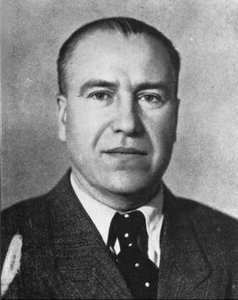
Александр Дейнека
1899 - 1969 , Россия
Основные сведения
- Artistic Movement Or Style: Социалистический реализм
- Artists Or Movements Influenced By This Artist: ['Конструктивизм']
- Artists Who Influenced This Artist: ['Фаворский В.А.']
- Date Of Birth: 20 мая 1899 г.
- Date Of Death: 12 июня 1969 г.
- Full Name: Aleksandr Aleksandrovich Deyneka
- Nationality: Русский
- Notable Artworks:
- «Колхозники»
- «Битва за Севастополь»
- «Спорт»
- Place Of Birth: Горск, Россия
Похожие статьи

Romantic Realism's Finest: 10 Masterpieces for Your Home | ArtsDot
Explore 10 defining masterpieces of Romantic Realism! Discover Courbet, Millet & Daumier's powerful paintings—capturing emotion and social realities. Find museum-quality reproductions for your home at ArtsDot.com.

Socialist Realism: Ideology, Aesthetics & Enduring Legacy of Soviet Art
Explore the fascinating world of Socialist Realism! Discover its historical context, key artists like Deyneka & Brodsky, defining aesthetics, and lasting impact on Soviet culture. A comprehensive guide for art lovers.
Реализм в живописи: 10 шедевров, вдохновляющих на декор интерьера
Погрузитесь в мир реализма! От Courbet до Manet – 10 величайших картин, отражающих жизнь и эмоции. Узнайте историю шедевров и вдохновитесь для создания уникального интерьера с ArtsDot.com. Explore the full collection online!
Echoes of Society: Exploring Social Realism's Enduring Legacy in Art
Explore the powerful world of Social Realism art! Discover key artists, masterpieces & its profound social commentary. Expert insights into this influential movement's history and enduring legacy.
10 Шедевров Академического Реализма: История Искусства в Вашем Интерьере
Погрузитесь в мир академического реализма! 10 шедевров Бугро, Кабанеля и других великих художников. История искусства, техники живописи и вдохновение для вашего интерьера. Репродукции картин высокого качества на ArtsDot.com.