 Предпросмотр
 Поделиться
 Поделиться
 Детали произведения

 Скачать
 Похожие работы
 Рентгенография
 Слайд-шоу
 Статистика
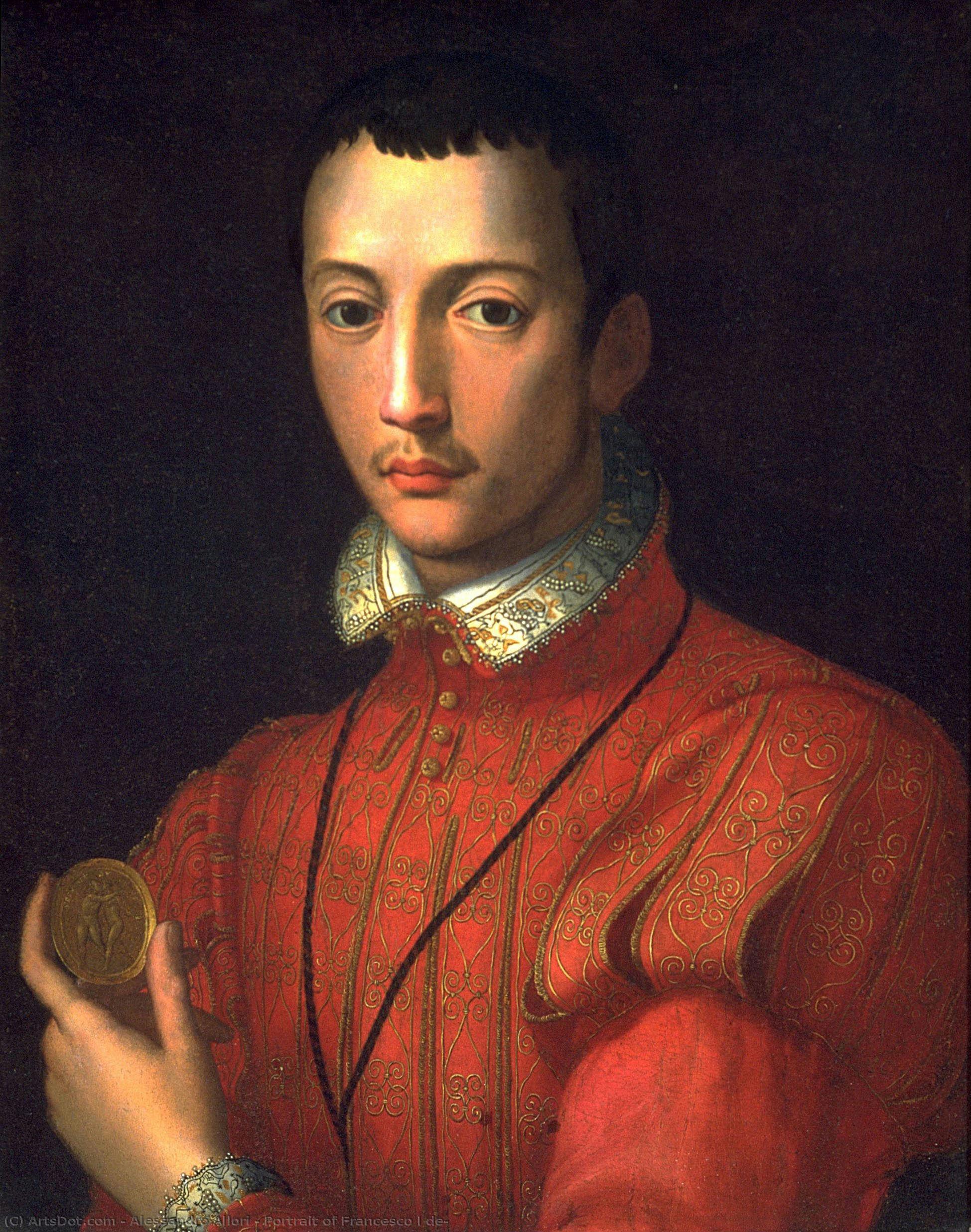
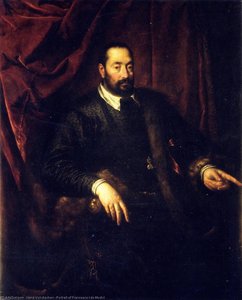
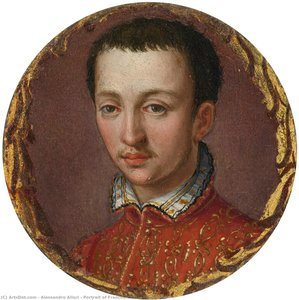
Portrait of Francesco I de
 Oil On Panel
- Mannerism
 60.0 x 47.0 cm
 Легионный Храм
 Читать далее
Жикле / Арт-принт
Печать (жикле) или холст музейного качества с быстрыми сроками изготовления и широким выбором вариантов отделки. ( Купить картину ручной работы Перейти к цифровым изображениям)




P118B $10

P118H $10

P118W $10

P438Z $10

P508JH $12

P508YH $12

P805H $10

P805Z $10

P919BZ $10

P919G $10

P919XJ $10

P959ZH $10

P968JZ $12

W106C $8

W218G $10

W218JH $8

W218Y $10

W307PJ $10

W316G $10

W316PJ $8

W316Y $10

W398PJ $8

W4111J $10

W500HY $15

W500JH $15

W692G $12

W849H $8

W940BG $15

W953PJ $8




Выберите один из наших стандартных размеров, соответствующих оригинальным пропорциям произведения искусства.

Вы можете указать свои собственные размеры, чтобы репродукция идеально подошла под конкретную раму или пространство. Если выбранный вами размер не будет соответствовать пропорциям оригинала, мы либо обрежем произведение, либо дополним изображение зеркальным отражением краев или однотонной заливкой. Перед началом производства вам будет отправлен цифровой макет для утверждения.
Пожалуйста, обратите внимание, что предварительный просмотр на экране не отображает фактическую обрезку или расширение изображения. Только макет точно покажет финальную композицию.
Несмотря на возможность заказа индивидуальных размеров, мы рекомендуем выбирать размер из предопределенного списка, чтобы сохранить оригинальные пропорции.
Доставка по всему миру () за 2 недели вместо стандартных 4/5 недель. (12 Сентябрь)

Бесплатная экспресс-доставка по всему миру

Высококачественный льняной холст

Полное страхование доставки

Гарантия возмещения таможенных пошлин

Гарантия точного соответствия цветов

100-дневная политика возврата (только при обнаружении дефектов)

Гарантия возврата 100% средств

Предложение оптовых скидок
 Вариант со стеклом доступен только для размеров менее 110 см

Portrait of Francesco I de
Жикле / Арт-принт
Размер репродукции
-


Итоговая стоимость
$ 62
The Regal Presence of Francesco I: An Allori Masterpiece
Alessandro Allori’s “Portrait of Francesco I de' Medici” is more than just a likeness; it’s a carefully constructed embodiment of power, piety, and the burgeoning grandeur of Florence in the late 16th century. Painted around 1580, this intimate tondo – measuring a modest yet perfectly proportioned diameter of seven centimeters – offers a profound glimpse into the character of one of Tuscany's most influential rulers. The painting’s enduring appeal lies not just in its technical brilliance but also in its ability to convey a complex blend of authority and human vulnerability.
The subject himself, Francesco I, was a pivotal figure in Florentine history. Born into the illustrious Medici dynasty, he ascended to the Grand Duchy after his father’s retirement, inheriting a state grappling with political instability and external pressures. A man of considerable intellect and ambition, Francesco sought to consolidate Medici power while navigating the treacherous currents of European diplomacy. This portrait captures him at a crucial juncture – a seasoned ruler tempered by experience, yet still radiating an aura of youthful vigor and regal bearing.
A Bronzinesque Foundation: Style and Technique
Allori’s artistic lineage is inextricably linked to Agnolo Bronzino, the master who mentored him early in his career. This connection is immediately apparent in the painting's polished surface and the deliberate restraint of its composition. Like Bronzino before him, Allori favored a highly finished style – a meticulous attention to detail that borders on the sculptural. The figures are rendered with an almost unnerving smoothness, their skin tones luminous and flawlessly smooth, reflecting a deep understanding of anatomy and a masterful command of oil paint.
The palette is restrained yet sophisticated, dominated by rich browns, deep reds, and subtle golds. These colors contribute to the painting’s overall sense of opulence and formality. Notice particularly the luxurious fur trim adorning Francesco's cloak – a detail rendered with exquisite realism that speaks volumes about his wealth and status. The use of gold leaf, applied sparingly but strategically, further enhances the portrait’s visual impact, adding a touch of divine grace to the subject’s countenance.
Symbolism and Context: A Ruler in His Realm
Beyond its technical merits, “Portrait of Francesco I de' Medici” is laden with symbolic meaning. The pose itself – seated at a table, holding a small portrait of his sister Lucrezia – suggests a man deeply invested in family and legacy. The open book resting on the table hints at his intellectual pursuits and scholarly inclinations, qualities that were highly valued by Renaissance rulers.
The setting is deliberately understated, devoid of extraneous details that might distract from the central figure. This focus underscores Francesco’s importance as the focal point of the composition. The painting was likely commissioned for private viewing within his court or palace, serving as a tangible representation of his power and authority. It's believed to have been created during a period of intense political maneuvering, reflecting both his ambition and the precariousness of his position.
An Enduring Legacy: A Window into Renaissance Florence
“Portrait of Francesco I de’ Medici” is more than just a portrait; it’s a window into the heart of Renaissance Florence. Through Allori's skilled hand, we gain insight into the personality and aspirations of one of its most prominent figures. The painting’s enduring appeal lies in its ability to capture not only Francesco’s physical likeness but also his complex character – a ruler who balanced political acumen with intellectual curiosity, and whose legacy continues to resonate through the centuries.
Похожие произведения
Биография художника
A Florentine Legacy: The Life and Art of Alessandro Allori
Alessandro Allori, born in Florence on May 31st, 1535, stands as a captivating figure within the late Mannerist school – an artist deeply shaped by circumstance and profoundly influenced by the tutelage of Agnolo Bronzino. His journey began with an unexpected inheritance: orphaned at a young age, he found a surrogate father in the renowned painter Bronzino, immersing himself not just in artistic skill but also into a world of refined technique, intellectual rigor, and a distinctive aesthetic sensibility that would become the very essence of Allori’s style. This adoption wasn't merely familial; it was an apprenticeship within a circle of artistic excellence, fostering a deep understanding of Bronzino’s meticulous approach to composition, color, and form – a preference for polished surfaces, elongated figures, and a subtle, almost sculptural quality that defined his work. While often criticized for its perceived derivative nature, this influence ultimately formed the bedrock of Allori's unique artistic identity, establishing him as a crucial link in the transmission of artistic knowledge within Florentine circles.The Echoes of Mannerism and Artistic Development
Allori’s art is inextricably linked to the Mannerist tradition – an era characterized by its deliberate artificiality, elegant complexity, and a conscious departure from the naturalistic ideals of the High Renaissance. However, he wasn't a revolutionary; rather, he was a master interpreter and skillful developer of existing forms, meticulously refining and reinterpreting the works of giants like Michelangelo and Raphael through Bronzino’s distinctive lens. Critics frequently noted his tendency to draw heavily upon pre-existing art, demonstrating an impressive ability to absorb and adapt established styles. This wasn't a criticism of laziness but rather a recognition of Allori’s role as a vital conduit for artistic knowledge within the vibrant Florentine art world. His paintings are immediately recognizable by their almost unsettling smoothness – figures possessing a remarkable marble-like quality that lends them an air of timelessness and formality, creating a visual effect reminiscent of ancient sculpture. This deliberate aesthetic choice wasn't simply a matter of technical proficiency; it reflected the Mannerist desire to elevate art beyond mere representation, aiming instead for images of idealized beauty, intellectual depth, and profound emotional resonance. He supplemented his formal training with an intense dedication to anatomical study – even undertaking dissections at the Hospital of Santa Maria Nuova in Florence – demonstrating a deep understanding of human anatomy that underpinned his stylized yet remarkably accurate depictions of the human form.Major Works and Patronage
Allori’s career flourished under the generous patronage of some of Florence's most influential families, particularly the powerful Medici dynasty. He contributed significantly to several prestigious decorative projects for them, showcasing his versatility and technical mastery. His *Pearl Fishers*, painted around 1571 as part of the elaborate program adorning the Studiolo of Duke Francesco I in the Palazzo Vecchio, stands as a testament to his skill – a complex allegorical scene brimming with graceful figures, intricate details, and a captivating sense of movement. This work exemplifies Allori’s ability to seamlessly blend narrative storytelling with sophisticated artistic technique. Beyond this monumental commission, he produced numerous portraits, religious paintings, and altarpieces that reflect the tastes and preferences of his wealthy patrons. Notably, he created a series of works for the Salviati family, including mythological scenes for Alamanno Salviati’s villa near Florence, intricate depictions of episodes from the Odyssey for Jacopo Salviati's Florentine palazzo, and significant contributions to the Chapel of St. Antoninus within San Marco – a space that also served as the family chapel. His dedication to his craft was further demonstrated by his expansion upon frescoes begun by earlier masters like Andrea del Sarto and Franciabigio within the Villa di Poggio a Caiano, skillfully harmonizing with their existing compositions and demonstrating both his technical skill and his deep appreciation for the artistic legacy of Florence.Legacy and Historical Significance
Alessandro Allori died in Florence on September 22nd, 1607, leaving behind a substantial body of work that continues to captivate art historians and enthusiasts alike. While he may not have achieved the same level of widespread recognition as some of his contemporaries – such as Michelangelo or Leonardo da Vinci – his significance lies in his pivotal role within the late Mannerist movement and his crucial function as a transmitter of artistic knowledge and tradition. He wasn’t an innovator in the same radical sense, but rather a supremely skilled craftsman who meticulously refined and developed existing styles, ensuring their survival for future generations. The story of “Allegory of Human Life,” a painting that was lost for decades before being rediscovered in the Uffizi Gallery, adds another layer to his legacy – a testament to the enduring power of his art and its ability to transcend time and circumstance. Allori’s influence extended through his numerous pupils, most notably his son Cristofano Allori, who continued the family's artistic tradition, ensuring that the distinctive style of Alessandro Allori would continue to resonate within the Florentine art world for years to come. His paintings remain valuable testaments to the elegance and intellectual complexity of Florentine Mannerism, offering a glimpse into a world where art was not merely about representation but about the pursuit of idealized beauty and refined expression. He remains an important figure for understanding the transition from Renaissance artistry towards the Baroque period.Exploring Allori’s World Today
- Museum Collections: Discover Alessandro Allori's masterpieces in institutions like the Uffizi Gallery, the Gemäldegalerie in Berlin, and various other museums worldwide.
- Notable Works: Explore iconic paintings such as “Allegory of Human Life,” “Stories of St. Jerome,” and his contributions to the Studiolo of Francesco I.
- Further Research: Delve deeper into Allori’s life and art through resources like Wikipedia, Getty Museum archives, and scholarly articles on Florentine Mannerism.
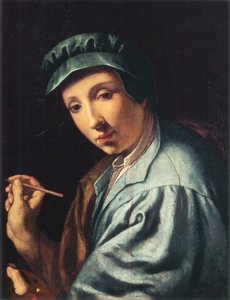
Алессандро Магнаско
1535 - 1607 , Италия
Основные сведения
- Artistic Movement Or Style: Маньеризм
- Artists Or Movements Influenced By This Artist: ['Кристофоро Аллори']
- Artists Who Influenced This Artist: ['Бронзино']
- Date Of Birth: 31 мая 1535 г.
- Date Of Death: 22 сент. 1607 г.
- Full Name: Alessandro Allori
- Nationality: Итальянец
- Notable Artworks:
- Аллегория жизни
- Рассказы о святом Иеронии
- Place Of Birth: Флоренция, Италия
Похожие статьи
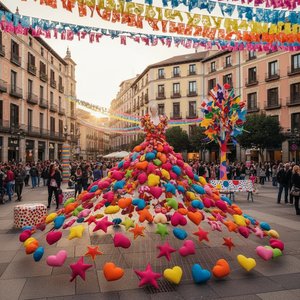
Águeda Ruiz de la Prada: A Study of Eclecticism & Emotional Resonance in Contemporary Spanish Painting
Discover the vibrant world of Ágatha Ruiz de la Prada, a leading figure in contemporary Spanish art. Explore her eclectic style, emotional depth & legacy – a must-read for discerning collectors.
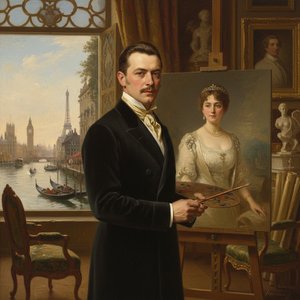
Philip de László: A Portrait of Aristocratic Society & the Cosmopolitan Painter's Evolution
Explore the life & art of Philip de László, master portraitist of European aristocracy. Discover his stunning paintings, royal commissions, and enduring legacy. A guide for discerning collectors.

Топ-25 шедевров Гойи: от придворного портрета до мрачных пророчеств | ArtsDot
Погрузитесь в мир гения Франсиско Гойи! 🎨 От придворных портретов до мрачных "Капричос" – исследуйте топ-25 шедевров испанского романтизма. Купите репродукции картин Гойи музейного качества на ArtsDot.com и украсьте свой интерьер искусством.
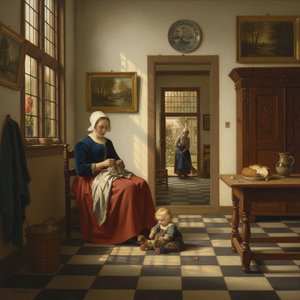
Pieter de Hooch: Illuminating Dutch Domestic Life & Golden Age Charm
Explore the captivating world of Pieter de Hooch, a master of Dutch Golden Age painting. Discover his innovative use of light, intimate domestic scenes, and lasting influence on art history. Learn more at ArtsDot.

О нас
Откройте для себя нашу историю! Мы привносим искусство мирового класса в вашу жизнь благодаря экспертному отбору, индивидуальным заказам и бесплатным обзорам. Одобрено частными лицами и компаниями с 2000 года.