

 Предпросмотр
 Поделиться
 Поделиться
 Детали произведения

 Скачать
 Похожие работы
 Рентгенография
 Слайд-шоу
 Статистика
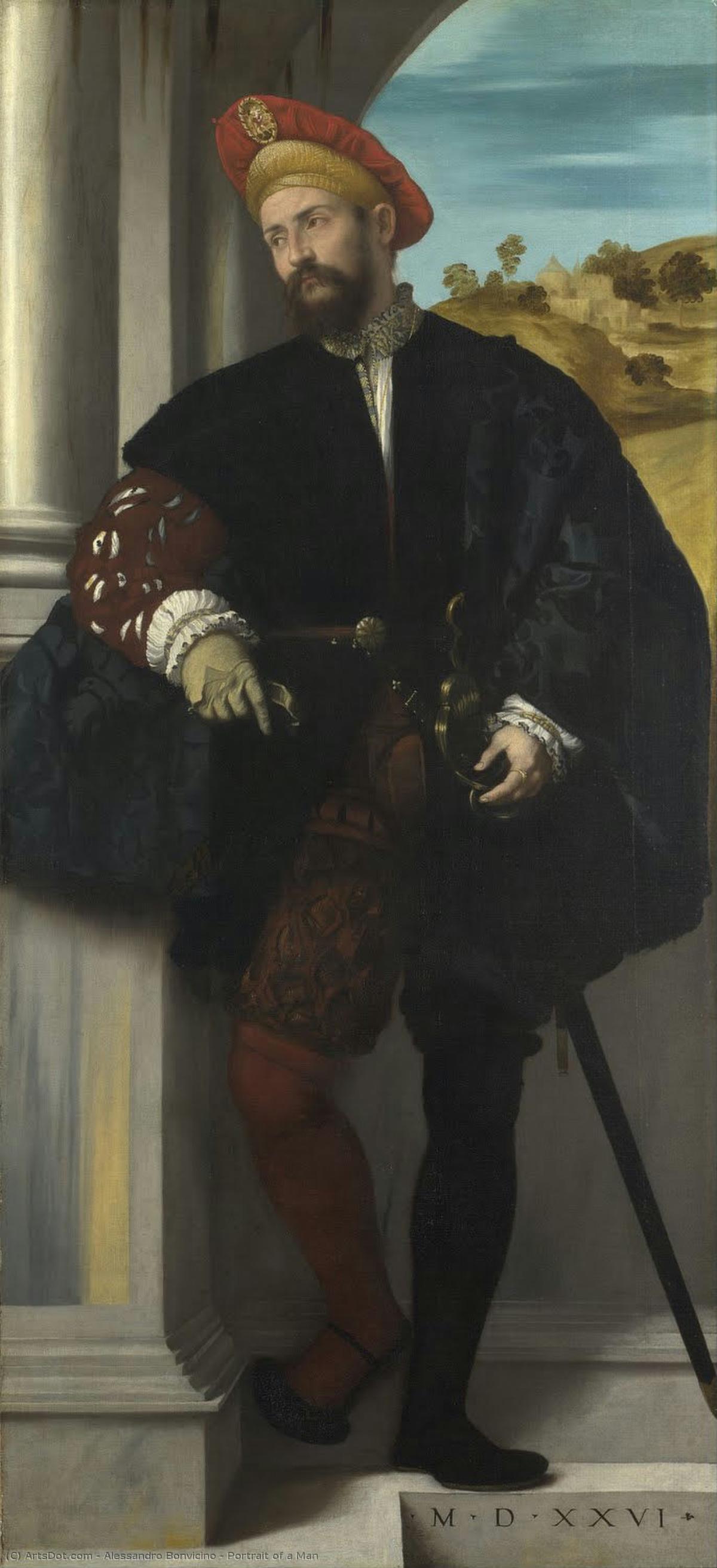
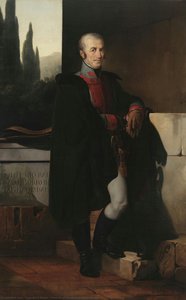
Portrait of a Man
 Oil On Canvas
- WallArt
- Early Renaissance
 1526
1526 201.0 x 92.0 cm
 Национальная галерея
 Читать далее
Приобретите цифровое изображение высокого разрешения в улучшенном качестве, которое значительно превосходит онлайн-превью.
Каждый файл тщательно подготавливается нашими специалистами с использованием передовых инструментов и экспертной ручной ретуши. Мы гарантируем исключительную четкость, точную цветопередачу и детальную проработку каждого изображения.
Финальный файл доставляется по электронной почте в течение 72 часов и оптимизирован для немедленного использования в профессиональной среде, при верстке и печати. Это тот же уровень качества, которому доверяют ведущие дизайнерские студии, издательства и галереи.
Цифровое изображение
Скачайте файл высокого разрешения для личного использования, печати и творческих проектов. ( Перейти к печати Купить картину ручной работы)
Включено в каждый заказ цифровых изображений
Гарантия экспертной цифровой доставки
Выбирая ArtsDot.com, вы получаете не просто изображение — вы приобретаете профессионально обработанное цифровое произведение искусства, созданное с безупречной точностью и под защитой гарантии качества. Вот всё, что автоматически входит в ваш заказ:

Мгновенная доставка по e-mail
Ваш цифровой файл в высоком разрешении будет отправлен вам по электронной почте в течение 72 часов после оформления заказа — и сразу станет доступен для использования.

Цифровой файл с ИИ-улучшением
Ваше произведение искусства проходит профессиональную оптимизацию с использованием передовых инструментов ИИ и ручной обработки, что гарантирует максимальную детализацию, четкость и точность цветопередачи.

Бессрочная бесплатная повторная доставка
Случайно удалили или потеряли файл? Не беспокойтесь — мы отправим его вам повторно в любое время и совершенно бесплатно.

Без импортных пошлин — навсегда
Наслаждайтесь вашим произведением искусства мгновенно без таможенных пошлин, сборов или затрат на доставку — цифровые загрузки всегда не облагаются налогом.

Гарантия точности цветопередачи
Мы гарантируем, что ваше цифровое изображение максимально точно передает оригинальные цвета благодаря использованию профессиональных инструментов и систем управления цветом.

Гарантия удовлетворенности 100 дней
Если вы не будете удовлетворены своим цифровым изображением, мы внесем правки или вернем 100% стоимости в течение 100 дней — без лишних вопросов.

100% Гарантия возврата средств
Не удовлетворены покупкой? Получите полный возврат средств в течение 100 дней после получения цифрового файла — без лишних вопросов.

Скидки на оптовые заказы
Купите 3 изображения, сэкономьте 10% — Купите 5, сэкономьте 15% — Купите 10+, сэкономьте 20%. Отличное решение для творческих проектов, галерей и агентств.
A Window into Renaissance Venice: Alessandro Bonvicino’s “Portrait of a Man”
Alessandro Bonvicino, more intimately known as Moretto da Brescia, possessed a rare gift – the ability to capture not just likeness but also an elusive sense of mood and atmosphere within his paintings. His “Portrait of a Man,” created in 1526, offers a compelling glimpse into the burgeoning artistic landscape of Venice during the High Renaissance, a period marked by both opulent patronage and a subtle shift towards greater psychological depth. This remarkable work, once part of the esteemed Avogadro Collection in Brescia, is more than simply a depiction of an individual; it’s a carefully constructed tableau that speaks volumes about status, contemplation, and the burgeoning humanist ideals of the era.
The painting immediately draws the eye to its subject – a gentleman presented with a dignified composure. He stands before what appears to be a pillar or wall, suggesting a moment of quiet reflection. His attire is indicative of his social standing: a richly colored suit, likely crimson trousers and a blue shirt, speaks to wealth and influence. A prominent Saint Christopher badge adorning his chest further reinforces this image of nobility and piety – a common symbol during the period, representing protection on one’s journey through life. The sword casually resting at his side hints at both power and vigilance, a subtle reminder of the responsibilities associated with his position.
The Venetian Influence: Giorgione and Titian's Legacy
“Portrait of a Man” is deeply rooted in the artistic traditions of Venice, particularly those pioneered by Giorgione and the young Titian. These masters were instrumental in developing a distinctive style characterized by atmospheric perspective, muted color palettes, and an emphasis on capturing fleeting moments of beauty and emotion. Moretto’s work echoes these influences through its hazy background, which creates a sense of distance and mystery. The lighting is soft and diffused, contributing to the painting's overall mood of contemplative serenity. The composition itself—a single figure dominating the frame—is reminiscent of Giorgione’s portraits, prioritizing psychological insight over strict realism.
Notably, the portrait dates back to 1526, a pivotal year in Venetian art history. The city was experiencing a period of immense artistic innovation, fueled by wealthy patrons eager to commission works that reflected their status and refined tastes. This era witnessed the rise of artists like Titian, who pushed the boundaries of painting technique and explored new ways of representing human emotion. Moretto’s work represents a crucial link in this chain of artistic development, demonstrating the continued influence of Venetian masters while also establishing his own unique voice.
Technique and Materials: A Masterful Blend
Painted in oil on canvas, “Portrait of a Man” showcases Moretto's meticulous attention to detail and masterful control of color. The artist skillfully employs sfumato—a technique popularized by Leonardo da Vinci—to create subtle gradations of tone and shadow, lending the figure an ethereal quality. The brushwork is smooth and refined, suggesting a deliberate effort to achieve a sense of polished elegance. The use of layered glazes builds up rich colors and textures, adding depth and luminosity to the painting’s surface. The canvas itself, likely stretched over a wooden panel, provides a stable foundation for this intricate work.
A Portrait of Contemplation: Emotional Resonance
Beyond its formal elements, “Portrait of a Man” possesses a profound emotional resonance. The sitter's distant gaze—a hallmark of Venetian portraiture— invites the viewer to contemplate his thoughts and feelings. There’s an air of quiet introspection about him, as if he is lost in thought or perhaps burdened by some unspoken concern. This subtle ambiguity elevates the portrait beyond a mere likeness, transforming it into a poignant meditation on human experience. It's a reminder that even within the confines of a formal portrait, an artist can capture something far more profound – the essence of a soul.
Currently residing at the National Gallery in London, “Portrait of a Man” stands as a testament to Moretto da Brescia’s artistic skill and his enduring contribution to the rich tapestry of Renaissance art. Reproductions offer an accessible way to appreciate this captivating work, bringing its serene beauty and subtle complexities into any setting.
Похожие произведения
Биография художника
Alessandro Bonvicino (Moretto da Brescia): A Serene Voice of the Renaissance
Alessandro Bonvicino, more commonly known as Moretto da Brescia, stands as a testament to the enduring beauty and subtlety of Italian Renaissance painting. Born around 1498 in Rovato, Italy—a region steeped in artistic tradition—Moretto’s life was inextricably linked with the burgeoning cultural landscape of his time, shaping him into one of Brescia’s most celebrated painters and securing his place amongst the luminaries of Venetian and Florentine art.
Early Influences and Training: Bonvicino's formative years were marked by exposure to artistic excellence. He began his artistic journey under the tutelage of Fioravante Ferramola, a respected Brescia artist who instilled in him foundational techniques. Subsequently, he honed his skills further with Vincenzo Foppa, whose workshop fostered an environment conducive to experimentation and stylistic refinement. Notably, Bonvicino’s brothers, Pietro and Jacopo, were also painters—a familial connection that undoubtedly contributed to the artistic milieu surrounding his upbringing.
A Venetian Flair Amidst Central Italian Roots
Moretto's artistic style embodies a fascinating confluence of influences. While rooted in central italian traditions – particularly those championed by Raphael – he possessed a pronounced affinity for venetian aesthetics, mirroring the stylistic innovations spearheaded by Titian and Giorgione. This dual allegiance resulted in paintings characterized by luminous color palettes, masterful glazing techniques, and an understated elegance that distinguishes them from bolder expressions of the era.
Notable Works: Expressions of Faith and Portraiture
Bonvicino’s oeuvre comprises a selection of impactful altarpieces and portraits that exemplify his artistic prowess. Among his most revered creations is “Saint Jerome,” a serene depiction imbued with spiritual contemplation, reflecting the prevailing devotional fervor of the period. Similarly, “Portrait of a Boy with His Nurse” captures a tender moment between child and caregiver, demonstrating Bonvicino’s ability to convey emotion through nuanced observation.
However, it is perhaps his “Madonna with Child and the Young St John” that exemplifies Bonvicino's signature style—a masterpiece celebrated for its harmonious composition and luminous coloration. These paintings are not merely aesthetically pleasing; they represent profound explorations of human experience and faith, reflecting the humanist ideals prevalent during the Renaissance.
Museum Collections and Legacy
Bonvicino’s artworks grace prominent museums across Italy, including the Uffizi Gallery where his masterpieces reside within the Contini Bonacossi Collection. This collection underscores the enduring appreciation for Bonvicino's artistic vision and confirms his significance as a pivotal figure in Renaissance art history.
Moretto da Brescia’s legacy extends beyond individual paintings; he represents a cornerstone of Brescia’s artistic heritage. His meticulous attention to detail, combined with his masterful command of color and light—traits inherited from Raphael—established him as an influential artist who continues to inspire admiration for generations.
alessandro bonvicino
1498 - 1554