

 Предпросмотр
 Поделиться
 Поделиться
 Детали произведения

 Скачать
 Похожие работы
 Рентгенография
 Слайд-шоу
 Статистика
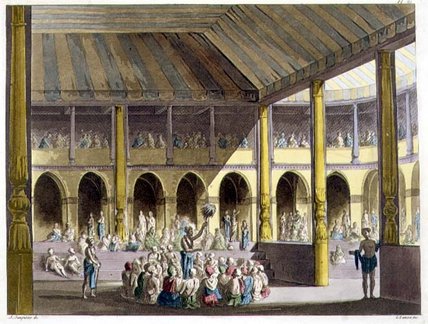
Brahmins Singing Praises To The God Rama
 Читать далее
Масляная репродукция ручной работы
Картина маслом на холсте в выбранном вами размере и раме, написанная на заказ нашими художниками. ( Перейти к печати Перейти к цифровым изображениям)




































Выберите один из наших стандартных размеров, соответствующих оригинальным пропорциям произведения искусства.

Вы можете указать собственные размеры, чтобы картина идеально вписалась в выбранную раму или пространство. Если выбранный вами размер не соответствует пропорциям оригинала, мы либо обрежем полотно, либо расширим его за счет дополнительных элементов, написанных вручную. Цифровой макет будет отправлен вам на утверждение перед началом производства.
Обратите внимание, что предварительный просмотр на экране не отражает фактическую обрезку или расширение. Только макет точно покажет окончательную композицию.
Хотя доступны индивидуальные размеры, мы рекомендуем выбирать вариант из предопределенного списка, чтобы сохранить исходные пропорции.
После оформления заказа команда ArtsDot.com свяжется с клиентом по электронной почте для уточнения деталей и предоставит предварительный макет
Доставка по всему миру () за 3–4 недели вместо стандартных 5 недель. (12 Сентябрь). Без компромиссов в качестве.

Бесплатная экспресс-доставка по всему миру

Высококачественный льняной холст

Полное страхование доставки

Гарантия возмещения таможенных пошлин

Гарантия точного соответствия цветов

100-дневная политика возврата (только при обнаружении дефектов)

Гарантия возврата 100% средств

Предложение оптовых скидок
 Вариант со стеклом доступен только для размеров менее 110 см

Brahmins Singing Praises To The God Rama
Техника репродукции
Размер репродукции
-


Итоговая стоимость
$ 263
Похожие произведения

Биография художника
Alessandro Sanquirico: The Architect of Romantic Opera Sets
Alessandro Sanquirico (July 27, 1777 – March 12, 1849), born in Milan, Italy, stands as a pivotal figure in the history of Italian opera and architectural design during the Romantic era. He wasn’t merely a painter; he was a visionary craftsman who fundamentally shaped the visual landscape of theatrical performance and profoundly influenced the aesthetic sensibilities of his time. His legacy resides not only in countless meticulously crafted stage sets but also in his indelible contribution to Milanese civic life and artistic heritage.- Early Life & Training: Sanquirico’s formative years were marked by a dedication to both art and architecture. Studying under Giuseppe Piermarini, the celebrated architect of La Scala Opera House, instilled in him an understanding of perspective and spatial design that would become hallmarks of his artistic style. This grounding in architectural principles directly translated into his theatrical endeavors.
- La Scala Dominance: Sanquirico’s career truly ascended to prominence at La Scala during the 1820s and 30s. He became synonymous with the opera house's visual identity, overseeing over 300 productions—a staggering number considering the period—and establishing himself as the foremost scenic designer of his generation. Notably, he collaborated closely with Vincenzo Bellini, orchestrating four premieres that captivated audiences and cemented La Scala’s reputation for showcasing groundbreaking operas.
- A Symphony of Sets: His designs weren't simply decorative; they were integral to conveying the emotional core of each opera. From the opulent interiors of ‘Il Pirata’ and ‘La Sonnambula’ to the grandeur of ‘Norma,’ Sanquirico meticulously crafted environments that mirrored the narratives unfolding onstage. Paul Sheren eloquently describes his work as “satisfying the aesthetic needs of romantic audiences for spectacle,” highlighting the importance of visual grandeur in shaping the emotional experience.
- Beyond La Scala: While La Scala remains his most celebrated achievement, Sanquirico’s influence extended beyond the opera house walls. He undertook commissions for theaters across Lombardy—including Teatro Alberti in Desenzano and Teatro Sociale in Canzo—and contributed to the decoration of Milan Cathedral. Furthermore, he collaborated with Andrea Appiani on the design of the Arena Civica of Milan, demonstrating his versatility as an architect and designer.
- Legacy & Influence: Alessandro Sanquirico’s meticulous attention to detail and masterful use of perspective established a new standard for theatrical set design—a style that resonated internationally. Daniel Snowman notes that “one reason for saquirico's international influence was the portfolios of hand-coloured engravings based on his theatric productions,” underscoring the enduring impact of his artistic vision. He remains an exemplar of how artistic skill can elevate cultural institutions and shape the aesthetic sensibilities of an era.
Notable Artwork Reproductions
ArtsDot offers exceptional reproductions of Alessandro Sanquirico’s paintings, capturing the essence of his Romantic style. Explore stunning watercolor interpretations of “Gardens Of The House Of Diomede At Pompeii” and “Coronation.Ferdinandi.Milan,” transporting viewers back to the grandeur of 19th-century Rome and Milanese royal celebrations. Also discover “The Audience Hall In The Palace Of Aegistheus,” a meticulously rendered Neoclassical masterpiece reflecting Sanquirico’s architectural prowess.
Alessandro Sanquirico
1777 - 1849 , Italy
Основные сведения
- Artistic Movement Or Style: Romantic Opera Art
- Artists Who Influenced This Artist:
- Giuseppe Piermarini
- Paolo Landriani
- Date Of Birth: July 27, 1777
- Full Name: Alessandro Sanquirico
- Nationality: Italian
- Notable Artworks:
- Gardens Of The House Of Diomede At Pompeii
- Coronation.Ferdinandi.Milan
- The Audience Hall In The Palace Of Aegistheus
- Place Of Birth: Milan, Italy