 Предпросмотр
 Поделиться
 Поделиться
 Детали произведения

 Скачать
 Похожие работы
 Рентгенография
 Слайд-шоу
 Статистика
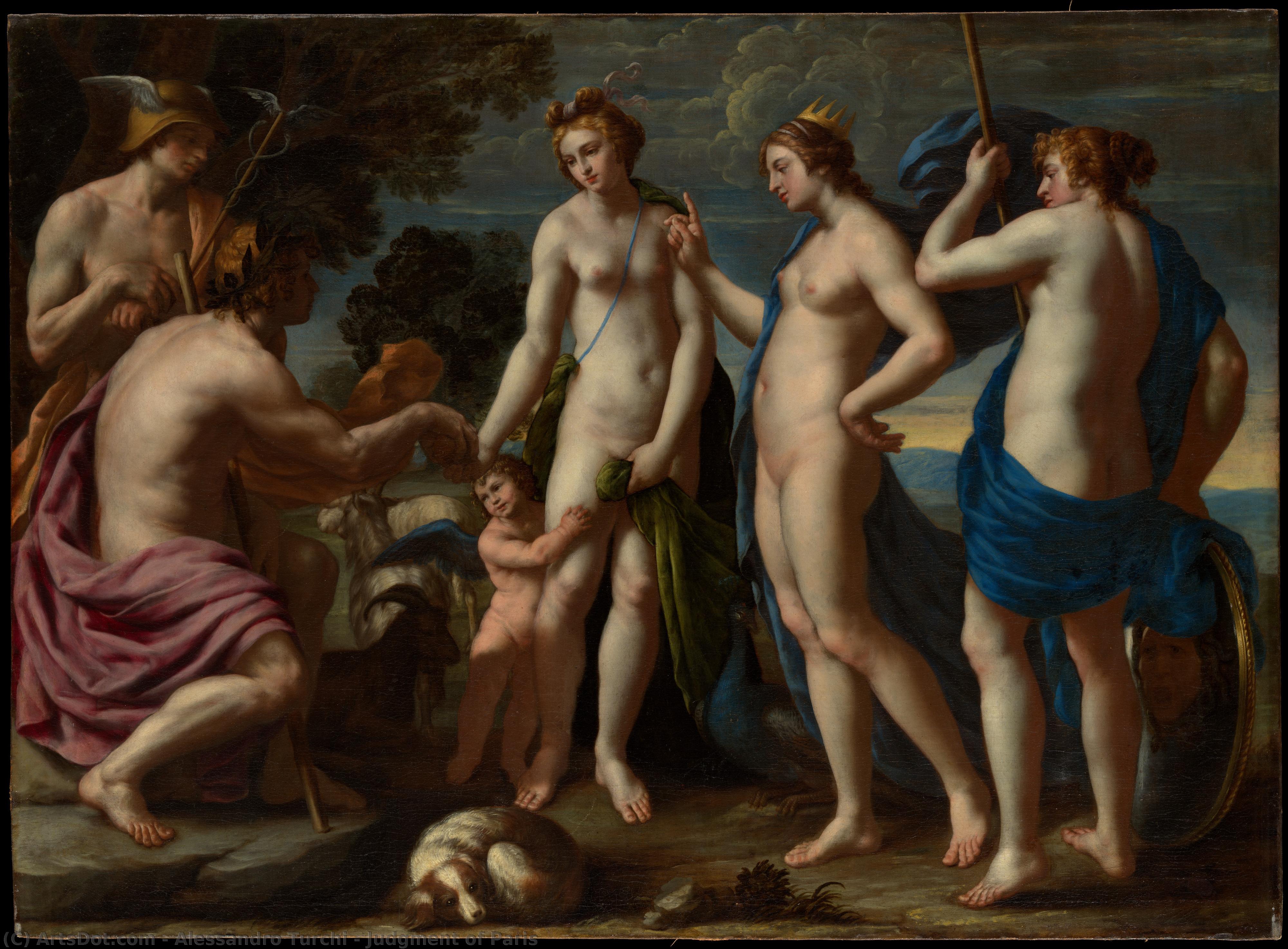
Судьба Парижа
 Масло на холсте
- Настенный декор
- Baroque
 1640
1640 97.0 x 135.0 cm
 Музей Метрополитен
 Читать далее
Приобретите цифровое изображение высокого разрешения в улучшенном качестве, которое значительно превосходит онлайн-превью.
Каждый файл тщательно подготавливается нашими специалистами с использованием передовых инструментов и экспертной ручной ретуши. Мы гарантируем исключительную четкость, точную цветопередачу и детальную проработку каждого изображения.
Финальный файл доставляется по электронной почте в течение 72 часов и оптимизирован для немедленного использования в профессиональной среде, при верстке и печати. Это тот же уровень качества, которому доверяют ведущие дизайнерские студии, издательства и галереи.
Цифровое изображение
Скачайте файл высокого разрешения для личного использования, печати и творческих проектов. ( Перейти к печати Купить картину ручной работы)
Включено в каждый заказ цифровых изображений
Гарантия экспертной цифровой доставки
Выбирая ArtsDot.com, вы получаете не просто изображение — вы приобретаете профессионально обработанное цифровое произведение искусства, созданное с безупречной точностью и под защитой гарантии качества. Вот всё, что автоматически входит в ваш заказ:

Мгновенная доставка по e-mail
Ваш цифровой файл в высоком разрешении будет отправлен вам по электронной почте в течение 72 часов после оформления заказа — и сразу станет доступен для использования.

Цифровой файл с ИИ-улучшением
Ваше произведение искусства проходит профессиональную оптимизацию с использованием передовых инструментов ИИ и ручной обработки, что гарантирует максимальную детализацию, четкость и точность цветопередачи.

Бессрочная бесплатная повторная доставка
Случайно удалили или потеряли файл? Не беспокойтесь — мы отправим его вам повторно в любое время и совершенно бесплатно.

Без импортных пошлин — навсегда
Наслаждайтесь вашим произведением искусства мгновенно без таможенных пошлин, сборов или затрат на доставку — цифровые загрузки всегда не облагаются налогом.

Гарантия точности цветопередачи
Мы гарантируем, что ваше цифровое изображение максимально точно передает оригинальные цвета благодаря использованию профессиональных инструментов и систем управления цветом.

Гарантия удовлетворенности 100 дней
Если вы не будете удовлетворены своим цифровым изображением, мы внесем правки или вернем 100% стоимости в течение 100 дней — без лишних вопросов.

100% Гарантия возврата средств
Не удовлетворены покупкой? Получите полный возврат средств в течение 100 дней после получения цифрового файла — без лишних вопросов.

Скидки на оптовые заказы
Купите 3 изображения, сэкономьте 10% — Купите 5, сэкономьте 15% — Купите 10+, сэкономьте 20%. Отличное решение для творческих проектов, галерей и агентств.
Alessandro Turchi’s “Judgment of Paris”: A Baroque Symphony of Light and Myth
Alessandro Turchi (L'Orbetto), born in Verona around 1578, ascended to prominence as a sculptor and painter during the Italian Baroque era. His artistic legacy is marked by monumental figures imbued with dramatic emotion—a style he honed particularly during his tenure as head of the Accademia di San Luca in Rome from 1637 onwards. This captivating depiction of “Judgment of Paris,” completed circa 1640, exemplifies Turchi’s masterful approach to historical narrative and embodies the aesthetic ideals of his time. It's a piece that continues to resonate with viewers today due to its profound exploration of mythology and artistic innovation.- Subject Matter: The painting recounts the legendary tale of Paris, Prince of Troy, who was tasked with judging the beauty contest between Aphrodite, Hera, and Athena— goddesses vying for the affections of Helen, wife of Menelaus. This pivotal moment in Greek mythology served as inspiration for countless artistic interpretations throughout history.
- Style & Technique: Turchi’s signature style is characterized by a deliberate fusion of Caravaggism and lyrical grace. He skillfully employs sfumato—a technique perfected by Leonardo da Vinci—to achieve subtle gradations of light and shadow, creating an atmosphere of ethereal beauty and conveying deep psychological complexity. The soft modeling of figures contributes to the overall sense of realism while simultaneously elevating them beyond mere representation.
Composition & Visual Narrative
Symbolism & Emotional Impact
Historical Context
Reproductions & Inspiration
Explore a stunning hand-painted reproduction at ArtsDot.com!
Похожие произведения

Биография художника
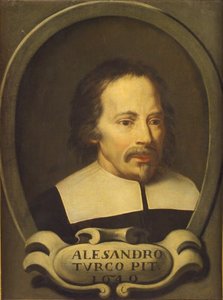
The Enigmatic Vision of Alessandro Turchi
Alessandro Turchi, a contemporary artist whose work defies easy categorization, emerges as a compelling figure in the landscape of modern painting. While biographical details remain deliberately sparse – a choice reflective of his focus on the artwork itself rather than personal narrative – Turchi’s presence is powerfully felt through the evocative and often unsettling imagery that characterizes his oeuvre. Born in Italy (the exact year remains undisclosed), he has cultivated a practice deeply rooted in classical techniques yet boldly propelled into the realm of surrealism and psychological exploration. He continues to live and work, maintaining an intentionally low profile while his paintings gain increasing recognition for their unique blend of beauty and disquiet.A Dialogue with Tradition
Turchi’s artistic journey is marked by a profound engagement with the Old Masters. His technical proficiency is immediately apparent; he possesses a masterful command of oil painting, reminiscent of Renaissance masters like Caravaggio and Titian. However, rather than simply replicating their style, Turchi utilizes these skills as a foundation for something entirely new. He often employs chiaroscuro – the dramatic interplay of light and shadow – to create a sense of depth and emotional intensity, but his subjects are rarely historical or mythological. Instead, he populates his canvases with ambiguous figures, fragmented forms, and dreamlike landscapes that hint at hidden narratives and subconscious anxieties. This deliberate juxtaposition of classical technique and contemporary subject matter creates a fascinating tension within his work, inviting viewers to question the boundaries between past and present, reality and illusion. His paintings are not merely images; they are carefully constructed visual puzzles.Themes of Isolation and Transformation
Recurring motifs in Turchi’s paintings point towards a preoccupation with themes of isolation, transformation, and the fragility of human existence. Figures often appear alone or partially obscured, lost within vast, atmospheric spaces. The use of muted color palettes – predominantly blues, grays, and ochres – further reinforces this sense of melancholy and introspection. His landscapes are not idyllic retreats but rather desolate realms that mirror the inner turmoil of his subjects. The artist frequently depicts figures undergoing metamorphosis, their bodies dissolving into abstract shapes or merging with the surrounding environment. This exploration of physical and psychological change suggests a fascination with the fluidity of identity and the ephemeral nature of reality. While unsettling, these images are not devoid of beauty; Turchi’s masterful use of light and composition imbues even his most disturbing works with a haunting grace.Influences and Artistic Development
Identifying specific influences on Turchi's work is challenging, given the artist’s reluctance to discuss his creative process publicly. However, art historians have noted parallels between his paintings and the work of Giorgio de Chirico, particularly in their shared use of unsettling perspectives and dreamlike imagery. The Symbolist movement, with its emphasis on subjective experience and psychological symbolism, also appears to have played a significant role in shaping Turchi’s artistic vision.- Early works demonstrate a stronger adherence to classical realism, showcasing his technical skill but lacking the distinctive surrealist elements that would later define his style.
- A period of experimentation followed, characterized by bolder color palettes and more abstract compositions.
- His mature work represents a synthesis of these earlier influences, combining classical technique with contemporary subject matter and psychological symbolism.