

 Предпросмотр
 Поделиться
 Поделиться
 Детали произведения

 Скачать
 Похожие работы
 Рентгенография
 Слайд-шоу
 Статистика
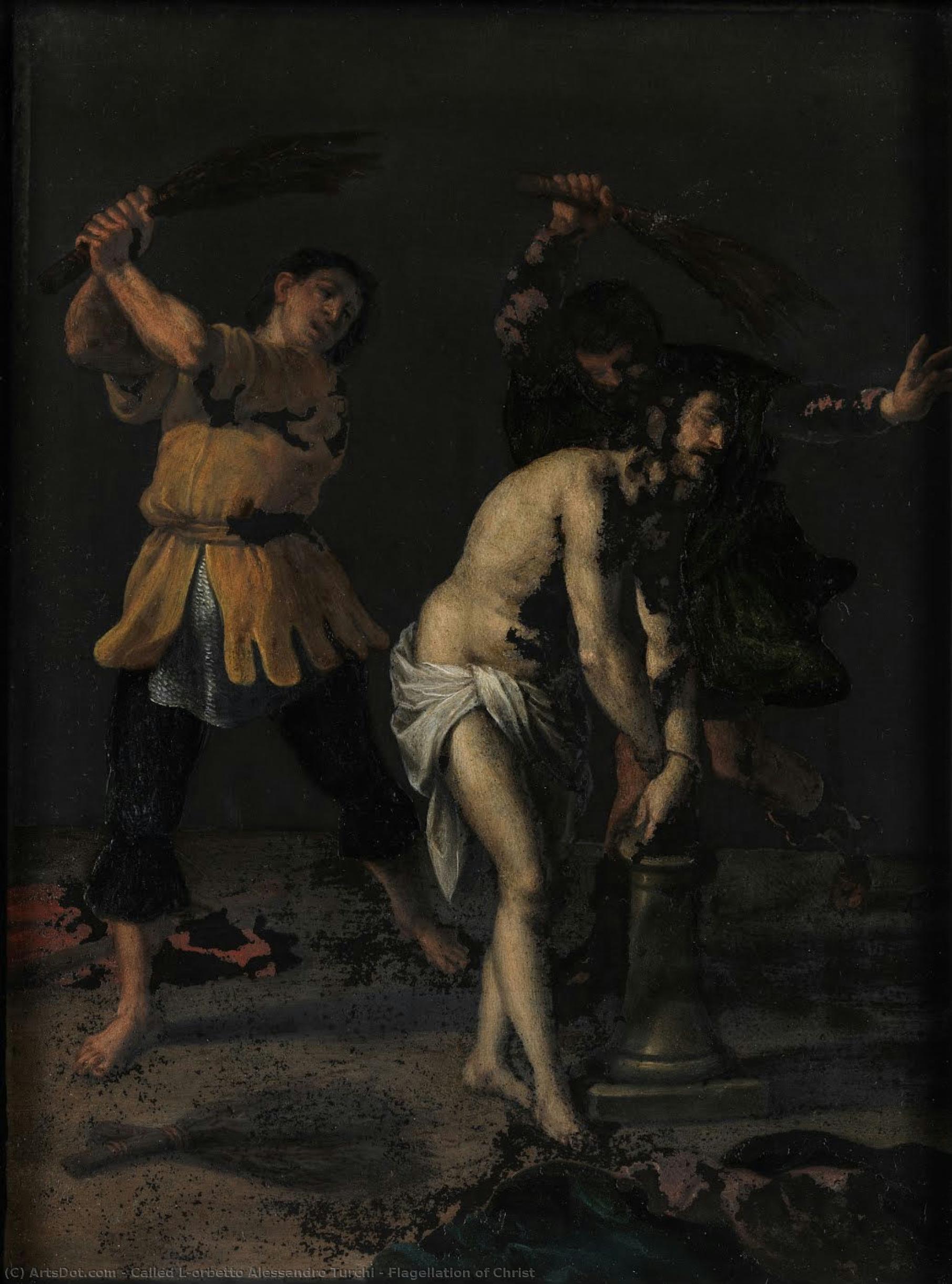
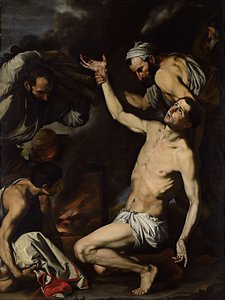
Flagellation of Christ


 Читать далее
Приобретите цифровое изображение высокого разрешения в улучшенном качестве, которое значительно превосходит онлайн-превью.
Каждый файл тщательно подготавливается нашими специалистами с использованием передовых инструментов и экспертной ручной ретуши. Мы гарантируем исключительную четкость, точную цветопередачу и детальную проработку каждого изображения.
Финальный файл доставляется по электронной почте в течение 72 часов и оптимизирован для немедленного использования в профессиональной среде, при верстке и печати. Это тот же уровень качества, которому доверяют ведущие дизайнерские студии, издательства и галереи.
Цифровое изображение
Скачайте файл высокого разрешения для личного использования, печати и творческих проектов. ( Перейти к печати Купить картину ручной работы)
Включено в каждый заказ цифровых изображений
Гарантия экспертной цифровой доставки
Выбирая ArtsDot.com, вы получаете не просто изображение — вы приобретаете профессионально обработанное цифровое произведение искусства, созданное с безупречной точностью и под защитой гарантии качества. Вот всё, что автоматически входит в ваш заказ:

Мгновенная доставка по e-mail
Ваш цифровой файл в высоком разрешении будет отправлен вам по электронной почте в течение 72 часов после оформления заказа — и сразу станет доступен для использования.

Цифровой файл с ИИ-улучшением
Ваше произведение искусства проходит профессиональную оптимизацию с использованием передовых инструментов ИИ и ручной обработки, что гарантирует максимальную детализацию, четкость и точность цветопередачи.

Бессрочная бесплатная повторная доставка
Случайно удалили или потеряли файл? Не беспокойтесь — мы отправим его вам повторно в любое время и совершенно бесплатно.

Без импортных пошлин — навсегда
Наслаждайтесь вашим произведением искусства мгновенно без таможенных пошлин, сборов или затрат на доставку — цифровые загрузки всегда не облагаются налогом.

Гарантия точности цветопередачи
Мы гарантируем, что ваше цифровое изображение максимально точно передает оригинальные цвета благодаря использованию профессиональных инструментов и систем управления цветом.

Гарантия удовлетворенности 100 дней
Если вы не будете удовлетворены своим цифровым изображением, мы внесем правки или вернем 100% стоимости в течение 100 дней — без лишних вопросов.

100% Гарантия возврата средств
Не удовлетворены покупкой? Получите полный возврат средств в течение 100 дней после получения цифрового файла — без лишних вопросов.

Скидки на оптовые заказы
Купите 3 изображения, сэкономьте 10% — Купите 5, сэкономьте 15% — Купите 10+, сэкономьте 20%. Отличное решение для творческих проектов, галерей и агентств.
Alessandro Turchi’s “Flagellation of Christ” – A Study in Dramatic Light and Baroque Intensity
The year is 1607, and Rome—a city perpetually simmering with artistic fervor—is witnessing the arrival of Alessandro Turchi, a Veronese painter already known for his meticulous technique and burgeoning talent. His “Flagellation of Christ,” now housed within the Museo Nazionale di Capodimonte in Naples, isn’t merely a depiction of a biblical scene; it's a visceral experience, a carefully orchestrated drama rendered with an intensity that foreshadowed the revolutionary style of Caravaggio himself. This painting, commissioned by the wealthy and pious di Franco family for their chapel in San Domenico Maggiore, immediately captivated Naples and signaled the arrival of a new master to the city’s artistic landscape. It's a work steeped in religious symbolism, yet powerfully grounded in human emotion—a testament to Turchi’s ability to bridge the gap between classical restraint and Baroque dynamism.A Composition Rooted in Tradition, Transformed by Innovation
Turchi’s composition draws heavily from earlier depictions of the Flagellation, notably Sebastiano del Piombo's fresco in San Pietro in Montorio, a seminal work that established the scene as a brutal ballet of suffering. However, Turchi doesn’t simply copy; he reimagines it with a startlingly modern sensibility. The compressed space—a deliberate departure from the expansive format of its predecessor—forces the viewer into an immediate and unsettling proximity to the unfolding tragedy. The figures are not presented as idealized saints but as profoundly human, their faces etched with pain and vulnerability. Notice particularly the posture of Christ himself – a slumped, almost defeated figure, rendered with a realism that transcends mere representation. The use of slate as a support is crucial; its inherent ability to create stark contrasts between light and shadow amplifies the drama, mimicking the effect of an artificial illumination—a technique likely influenced by Caravaggio’s own explorations of chiaroscuro.The Language of Light and Shadow – A Masterclass in Baroque Technique
Turchi's mastery of *chiaroscuro* is nothing short of breathtaking. The painting is dominated by pools of deep, almost impenetrable darkness that engulf the scene, punctuated by shafts of brilliant light. This dramatic interplay isn’t merely decorative; it serves to isolate and emphasize key elements—the contorted faces of the tormentors, the bloodied wounds on Christ's body, and the desperate plea in his eyes. The application of paint is remarkably loose and expressive, a hallmark of Caravaggio’s style, contributing to the sense of immediacy and raw emotion. The brushstrokes are visible, adding texture and dynamism to the composition, while the subtle gradations of color create a remarkable sense of depth and volume. The use of black pigment, particularly in the shadows, is exceptionally skillful, lending an almost velvety quality to the dark areas.Symbolism and Emotional Resonance – A Portrait of Suffering
Beyond its technical brilliance, “Flagellation of Christ” resonates deeply with viewers through its potent symbolism. The act of flagellation itself represents penance, humility, and sacrifice—core tenets of Christian faith. The figures surrounding Christ are not simply bystanders; they embody various aspects of human response to suffering: the anguish of the onlookers, the brutal efficiency of the executioners, and the desperate hope for redemption. The placement of the objects – a chair near the bottom right corner, a vase towards the center-right, and two umbrellas in the upper part – adds layers of context, grounding the scene within a specific setting and inviting contemplation about the human condition. The painting’s emotional impact is profound—a stark reminder of humanity's capacity for both cruelty and compassion. It compels us to confront uncomfortable truths about faith, suffering, and the nature of good and evil.A Legacy Forged in Light – Turchi’s Enduring Influence
Alessandro Turchi’s “Flagellation of Christ” stands as a pivotal work in his oeuvre and a significant bridge between the late Mannerism of Verona and the burgeoning Baroque style of Rome. While often associated with Caravaggio, Turchi developed a distinct voice—a synthesis of classical restraint and dramatic intensity that cemented his place as one of the most important artists of his generation. Reproductions of this powerful image offer an opportunity to experience firsthand the artist’s extraordinary skill and profound understanding of human emotion – a timeless testament to the enduring power of art to illuminate the darkest corners of the human spirit.Похожие произведения

Биография художника
A Veronese Master in the Roman Baroque: The Life and Art of Alessandro Turchi
Alessandro Turchi, affectionately known as “L’Orbetto” – the little urchin – was a pivotal figure bridging the late Mannerist traditions of Verona with the burgeoning drama of the early Roman Baroque. Born in 1578 into a Verona touched by artistic fervor, Turchi's journey reflects a fascinating interplay between regional styles and the magnetic pull of Rome’s artistic innovations. His initial training under Felice Riccio (il Brusasorci), a prominent Veronese painter, laid a solid foundation in technique and composition. This apprenticeship instilled within him a meticulous approach to form and a sensitivity to color that would characterize his early works. By 1603, Turchi had established himself as an independent artist, quickly gaining recognition for his emerging talent. A significant early commission – the organ shutters for the Accademia Filarmonica of Verona (1606-1609) – demonstrated not only his technical skill but also his versatility in handling large-scale decorative projects. This period solidified his position within the Veronese art scene, preparing him for a broader artistic horizon.Early Years and Artistic Foundations in Verona
Alessandro Turchi was born in Verona in 1578, a city renowned throughout Italy for its rich artistic heritage. His father, a skilled craftsman, became blind later in life, earning him the affectionate nickname “L’Orbetto” – the little urchin. This humble beginning belied the extraordinary talent that would blossom within him. Turchi's early artistic education began under the tutelage of Felice Riccio, also known as *il Brusasorci*, a highly respected Veronese painter and a master of Mannerist style. Riccio’s influence instilled in Turchi a deep understanding of composition, perspective, and the meticulous rendering of form – qualities that would become hallmarks of his later work. Riccio's workshop provided Turchi with invaluable experience in executing intricate details and mastering the subtle nuances of color. He learned to balance classical ideals with a distinctly Veronese sensibility, creating works that were both elegant and emotionally resonant. By 1603, Turchi had confidently established himself as an independent artist, quickly gaining recognition for his burgeoning talent and demonstrating a remarkable ability to adapt and innovate within the established artistic landscape of Verona.A Turning Point: The Legacy of Felice Riccio
The death of Felice Riccio in 1605 proved a pivotal moment in Turchi’s career. Recognizing the need to continue his master's work and maintain the artistic reputation of the studio, Turchi, alongside Pasquale Ottino, stepped forward to complete several unfinished canvases left behind by their mentor. This collaborative effort wasn’t merely about finishing existing works; it was a crucial period of learning and refinement, allowing Turchi to absorb Riccio's stylistic nuances while simultaneously developing his own unique voice. The task demanded not only technical skill but also an understanding of the artistic intentions behind each piece, forging a deep connection between master and student. This experience honed Turchi’s ability to interpret complex commissions and translate them into compelling visual narratives. Furthermore, this period solidified his position within the Veronese art scene, preparing him for a broader artistic horizon beyond the confines of his hometown.Rome Beckons: A New Artistic Landscape
Driven by ambition and a desire to immerse himself in the heart of artistic innovation, Turchi embarked on a transformative journey to Rome in 1616. The Eternal City was then experiencing a vibrant renaissance of art and culture, fueled by papal patronage and fierce competition among artists. Turchi quickly became immersed in this dynamic environment, absorbing the latest trends and techniques while establishing himself as a respected figure within the Roman artistic community. His involvement in the fresco decoration of the Sala Reggia at the Quirinal Palace – depicting the Gathering of Manna – marked his arrival on the Roman stage with a monumental work that showcased his growing mastery of scale and dramatic composition. This commission brought him into contact with leading artists of the day, including Carlo Saraceni and Pietro da Cortona, exposing him to their innovative approaches and further expanding his artistic repertoire.A Synthesis of Styles: Caravaggism and Grace
Turchi’s artistic style is remarkably distinctive – a compelling blend of softness and dramatic intensity. While deeply influenced by the works of Felice Riccio and Carlo Cagliari, he didn't simply imitate their styles. Instead, he forged a unique path that set him apart from his contemporaries. The influence of Caravaggio is undeniable; Turchi masterfully employed *chiaroscuro* – the dramatic use of light and shadow – to create a sense of theatricality and emotional depth in his paintings. However, unlike some of Caravaggio’s more starkly realistic depictions, Turchi tempered this intensity with a lyrical grace and a refined sensitivity to color. His figures possess a sculptural quality, yet they are imbued with a gentle humanity that softens the dramatic impact. This ability to balance these seemingly opposing forces – drama and delicacy – is what defines his artistic signature. He frequently employed black marble as a background in his historical scenes, creating a striking contrast that further enhanced the emotional power of his compositions. His works often feature a sense of quiet contemplation alongside moments of intense emotion, reflecting a nuanced understanding of human psychology.Legacy and Recognition: A Prince of the Roman Art World
Throughout his career, Alessandro Turchi wasn’t only an accomplished painter but also a dedicated mentor. He generously shared his knowledge and expertise with promising young artists, including Giovanni Ceschini and Giovanni Battista Rossi (il Gobbino), both of whom went on to establish successful careers in Verona. His professional standing continued to ascend; in 1637, he was elected “principe” – director – of the Accademia di San Luca, a testament to his leadership and artistic authority within the Roman art world. A year later, in 1638, he joined the prestigious Papal Guild of Artists, known as the Pontifical Academy of Fine Arts and Letters of the Virtuosi al Pantheon, further solidifying his position among Rome’s elite artists. Turchi's contributions to early Baroque painting are now recognized for their skillful blending of dramatic intensity with a gentle aesthetic sensibility. His compelling religious and historical works continue to captivate viewers, offering a glimpse into the artistic ferment of 17th-century Italy. He left behind a legacy not only through his paintings but also through the artists he inspired, ensuring that his unique vision would endure for generations to come. *His work remains a testament to the power of artistic synthesis and the enduring appeal of beauty tempered with drama.*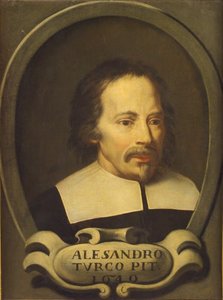
Alessandro Turchi
1578 - 1649 , Италия
Основные сведения
- Artistic Movement Or Style: Ранний барокко
- Artists Or Movements Influenced By This Artist:
- Иоганн Чешчини
- Иоганн Б. Росси
- Artists Who Influenced This Artist:
- Феличе Риччо
- Карло Кальяри
- Date Of Birth: 1578
- Date Of Death: 1649
- Full Name: Alessandro Turchi
- Nationality: Итальянский
- Notable Artworks:
- Спасенье
- Христос, Магдалина и ангелы
- Place Of Birth: Верона, Италия