 Предпросмотр
 Поделиться
 Поделиться
 Детали произведения

 Скачать
 Похожие работы
 Рентгенография
 Слайд-шоу
 Статистика
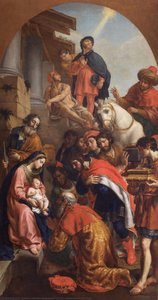
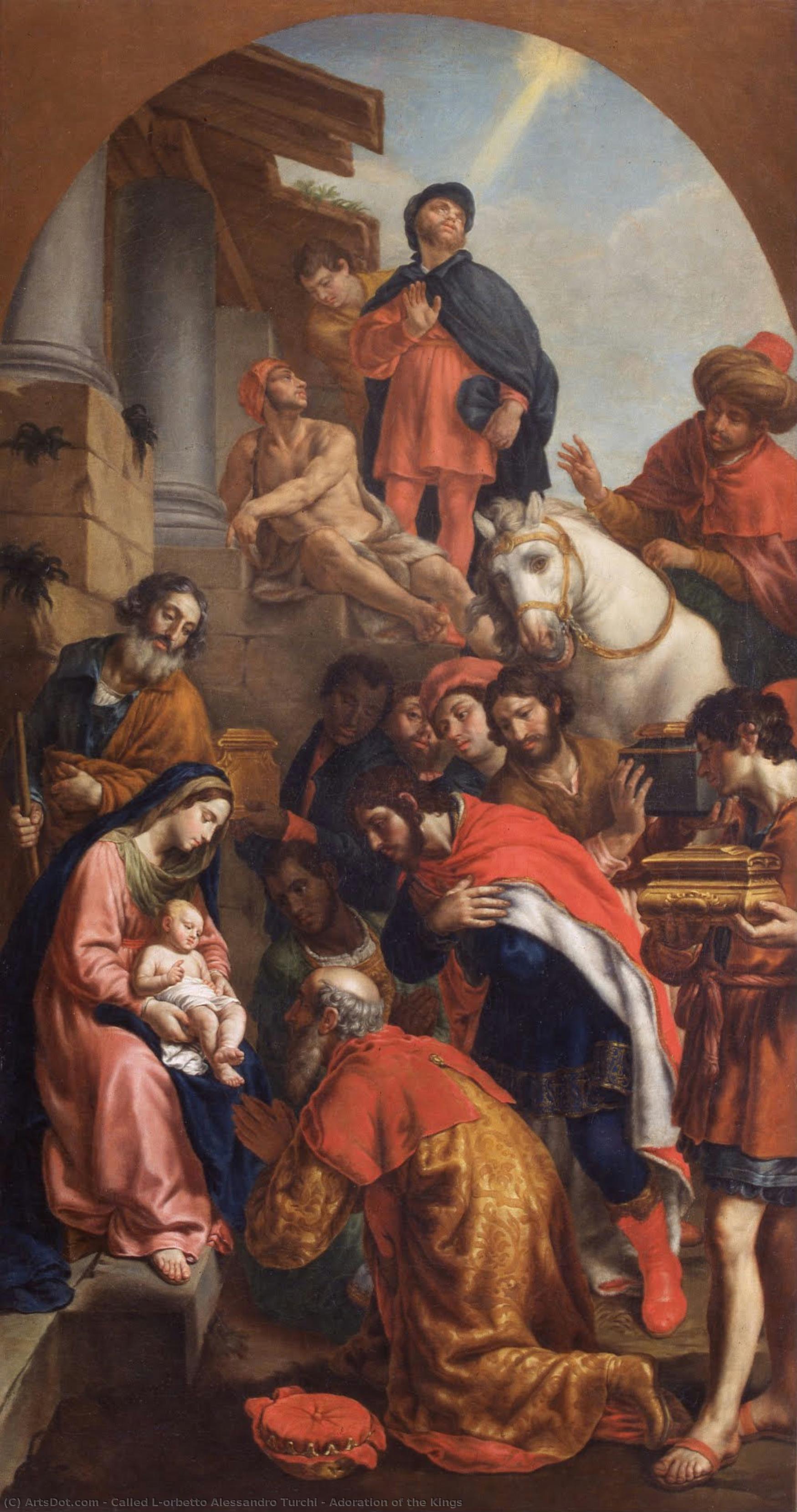
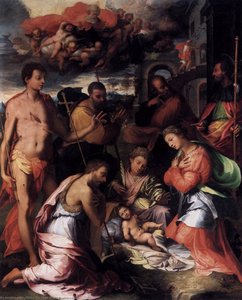
Евангельское поклонение царям


 Читать далее
Масляная репродукция ручной работы
Картина маслом на холсте в выбранном вами размере и раме, написанная на заказ нашими художниками. ( Перейти к печати Перейти к цифровым изображениям)




P118B $10

P118H $10

P118W $10

P438Z $10

P508JH $12

P508YH $12

P805H $10

P805Z $10

P919BZ $10

P919G $10

P919XJ $10

P959ZH $10

P968JZ $12

W106C $8

W218G $10

W218JH $8

W218Y $10

W307PJ $10

W316G $10

W316PJ $8

W316Y $10

W398PJ $8

W4111J $10

W500HY $15

W500JH $15

W692G $12

W849H $8

W940BG $15

W953PJ $8




Выберите один из наших стандартных размеров, соответствующих оригинальным пропорциям произведения искусства.

Вы можете указать собственные размеры, чтобы картина идеально вписалась в выбранную раму или пространство. Если выбранный вами размер не соответствует пропорциям оригинала, мы либо обрежем полотно, либо расширим его за счет дополнительных элементов, написанных вручную. Цифровой макет будет отправлен вам на утверждение перед началом производства.
Обратите внимание, что предварительный просмотр на экране не отражает фактическую обрезку или расширение. Только макет точно покажет окончательную композицию.
Хотя доступны индивидуальные размеры, мы рекомендуем выбирать вариант из предопределенного списка, чтобы сохранить исходные пропорции.
После оформления заказа команда ArtsDot.com свяжется с клиентом по электронной почте для уточнения деталей и предоставит предварительный макет
Доставка по всему миру () за 3–4 недели вместо стандартных 5 недель. (10 Сентябрь). Без компромиссов в качестве.

Бесплатная экспресс-доставка по всему миру

Высококачественный льняной холст

Полное страхование доставки

Гарантия возмещения таможенных пошлин

Гарантия точного соответствия цветов

100-дневная политика возврата (только при обнаружении дефектов)

Гарантия возврата 100% средств

Предложение оптовых скидок
 Вариант со стеклом доступен только для размеров менее 110 см

Евангельское поклонение царям
Техника репродукции
Размер репродукции
-


Итоговая стоимость
$ 263
Адаoration Могов: Символ Величия и Благоговения в Барокко Веры
Адаoration Могов – это произведение искусства, созданное Алессандро Турчи в начале XVII века, что является ярким примером влияния римского барокко на искусство региона Венето. Эта картина не просто изображает сцену поклонения младенцу Иисусу Христу; она является глубоким символом религиозной веры и художественной инновации своего времени. Турчи был одним из самых талантливых художников Вероны, который сумел объединить традиции маньеризма с энергией и драматизмом барокко, создавая уникальный стиль, отличающийся мягкой палитрой и использованием светотени для передачи эмоциональной глубины изображения.- История создания: Картина была написана в период расцвета итальянской культуры и искусства после ренессанса. Она является частью обширной программы украшения Академии Филармоники в Венероне, которая должна была вдохновить музыкантов и зрителей на духовное преображение.
- Стиль и Техника: Турчи работал преимущественно в стиле раннего барокко, используя технику масляной живописи и светотени (кьяроскуро), что было характерно для творчества Каравадджио и других художников того времени. Использование мягкой палитры и детализированных изображений создают ощущение тепла и интимности, несмотря на масштаб картины.
Символизм Картины: Язык Образа и Значения Деталей
Картина насыщена символами религиозной веры и традициями искусства эпохи Возрождения. Главным символом является младенческий Иисус Христос в ящиге, который олицетворяет Божественную Благодать и Милость. Окружающие фигуры – это представители различных социальных слоев общества, которые выражают благоговение перед Святым Ликом. Особое внимание следует обратить на детали изображения: лошадь и осёл символизируют Мудрость и Силу соответственно, а птицы в верхней части картины указывают на Духовное Вознесение и Надежду. Каждый элемент композиции имеет свое значение и способствует созданию общего эмоционального впечатления от произведения искусства.- Детали Композиции: Использование светотени позволяет художнику создать ощущение глубины пространства и передать эмоции персонажей. Особенно выразительна сцена поклонения младенцу Иисусу Христу, где фигуры людей находятся в состоянии глубокого благоговения.
- Цветовая Палитра: Мягкая палитра картины создается благодаря использованию различных оттенков золота и красного цвета. Эти цвета символизируют Божественную Величие и Благородство, что соответствует религиозным традициям эпохи барокко.
Эмоциональный Впечатление от Картины: Искусство Выражения Чувств и Создание Мира Образа
Адаoration Могов вызывает у зрителя глубокое эмоциональное впечатление благодаря своей красоте и выразительности. Картина передает ощущение тепла и интимности, несмотря на масштаб изображения. Она вдохновляет на размышления о духовных ценностях и способствует созданию мира образа в сознании человека. Эта картина является одним из самых значимых произведений искусства XVII века и продолжает восхищать зрителей своей художественной инновацией и эмоциональной глубиной.- Влияние на Искусство Эпохи: Картина оказала существенное влияние на развитие искусства барокко в регионе Венето и вдохновила многих художников создавать произведения искусства, отражающие религиозные идеалы своего времени.
Рекомендации по Репродукциям и Интеграции в Интерьер
Высококачественные репродукции Адаoration Могов могут стать прекрасным украшением интерьера любого дома или офиса. Особенно эффектно будет смотреться эта картина в гостиной или кабинете, где она создаст атмосферу спокойствия и благоговения. Важно выбрать репродукцию из натуральных материалов и использовать профессиональную печать для сохранения оригинальной цветовой палитры и детализации изображения.Похожие произведения
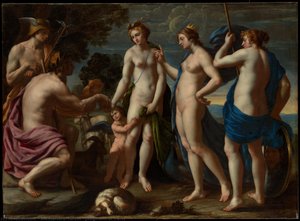
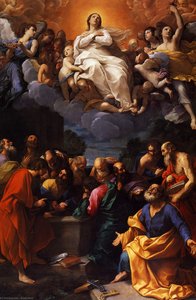
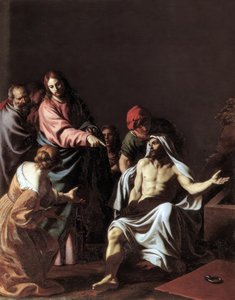
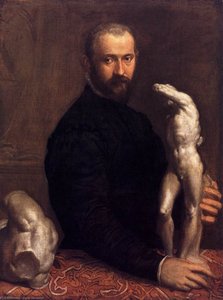
Биография художника
A Veronese Master in the Roman Baroque: The Life and Art of Alessandro Turchi
Alessandro Turchi, affectionately known as “L’Orbetto” – the little urchin – was a pivotal figure bridging the late Mannerist traditions of Verona with the burgeoning drama of the early Roman Baroque. Born in 1578 into a Verona touched by artistic fervor, Turchi's journey reflects a fascinating interplay between regional styles and the magnetic pull of Rome’s artistic innovations. His initial training under Felice Riccio (il Brusasorci), a prominent Veronese painter, laid a solid foundation in technique and composition. This apprenticeship instilled within him a meticulous approach to form and a sensitivity to color that would characterize his early works. By 1603, Turchi had established himself as an independent artist, quickly gaining recognition for his emerging talent. A significant early commission – the organ shutters for the Accademia Filarmonica of Verona (1606-1609) – demonstrated not only his technical skill but also his versatility in handling large-scale decorative projects. This period solidified his position within the Veronese art scene, preparing him for a broader artistic horizon.Early Years and Artistic Foundations in Verona
Alessandro Turchi was born in Verona in 1578, a city renowned throughout Italy for its rich artistic heritage. His father, a skilled craftsman, became blind later in life, earning him the affectionate nickname “L’Orbetto” – the little urchin. This humble beginning belied the extraordinary talent that would blossom within him. Turchi's early artistic education began under the tutelage of Felice Riccio, also known as *il Brusasorci*, a highly respected Veronese painter and a master of Mannerist style. Riccio’s influence instilled in Turchi a deep understanding of composition, perspective, and the meticulous rendering of form – qualities that would become hallmarks of his later work. Riccio's workshop provided Turchi with invaluable experience in executing intricate details and mastering the subtle nuances of color. He learned to balance classical ideals with a distinctly Veronese sensibility, creating works that were both elegant and emotionally resonant. By 1603, Turchi had confidently established himself as an independent artist, quickly gaining recognition for his burgeoning talent and demonstrating a remarkable ability to adapt and innovate within the established artistic landscape of Verona.A Turning Point: The Legacy of Felice Riccio
The death of Felice Riccio in 1605 proved a pivotal moment in Turchi’s career. Recognizing the need to continue his master's work and maintain the artistic reputation of the studio, Turchi, alongside Pasquale Ottino, stepped forward to complete several unfinished canvases left behind by their mentor. This collaborative effort wasn’t merely about finishing existing works; it was a crucial period of learning and refinement, allowing Turchi to absorb Riccio's stylistic nuances while simultaneously developing his own unique voice. The task demanded not only technical skill but also an understanding of the artistic intentions behind each piece, forging a deep connection between master and student. This experience honed Turchi’s ability to interpret complex commissions and translate them into compelling visual narratives. Furthermore, this period solidified his position within the Veronese art scene, preparing him for a broader artistic horizon beyond the confines of his hometown.Rome Beckons: A New Artistic Landscape
Driven by ambition and a desire to immerse himself in the heart of artistic innovation, Turchi embarked on a transformative journey to Rome in 1616. The Eternal City was then experiencing a vibrant renaissance of art and culture, fueled by papal patronage and fierce competition among artists. Turchi quickly became immersed in this dynamic environment, absorbing the latest trends and techniques while establishing himself as a respected figure within the Roman artistic community. His involvement in the fresco decoration of the Sala Reggia at the Quirinal Palace – depicting the Gathering of Manna – marked his arrival on the Roman stage with a monumental work that showcased his growing mastery of scale and dramatic composition. This commission brought him into contact with leading artists of the day, including Carlo Saraceni and Pietro da Cortona, exposing him to their innovative approaches and further expanding his artistic repertoire.A Synthesis of Styles: Caravaggism and Grace
Turchi’s artistic style is remarkably distinctive – a compelling blend of softness and dramatic intensity. While deeply influenced by the works of Felice Riccio and Carlo Cagliari, he didn't simply imitate their styles. Instead, he forged a unique path that set him apart from his contemporaries. The influence of Caravaggio is undeniable; Turchi masterfully employed *chiaroscuro* – the dramatic use of light and shadow – to create a sense of theatricality and emotional depth in his paintings. However, unlike some of Caravaggio’s more starkly realistic depictions, Turchi tempered this intensity with a lyrical grace and a refined sensitivity to color. His figures possess a sculptural quality, yet they are imbued with a gentle humanity that softens the dramatic impact. This ability to balance these seemingly opposing forces – drama and delicacy – is what defines his artistic signature. He frequently employed black marble as a background in his historical scenes, creating a striking contrast that further enhanced the emotional power of his compositions. His works often feature a sense of quiet contemplation alongside moments of intense emotion, reflecting a nuanced understanding of human psychology.Legacy and Recognition: A Prince of the Roman Art World
Throughout his career, Alessandro Turchi wasn’t only an accomplished painter but also a dedicated mentor. He generously shared his knowledge and expertise with promising young artists, including Giovanni Ceschini and Giovanni Battista Rossi (il Gobbino), both of whom went on to establish successful careers in Verona. His professional standing continued to ascend; in 1637, he was elected “principe” – director – of the Accademia di San Luca, a testament to his leadership and artistic authority within the Roman art world. A year later, in 1638, he joined the prestigious Papal Guild of Artists, known as the Pontifical Academy of Fine Arts and Letters of the Virtuosi al Pantheon, further solidifying his position among Rome’s elite artists. Turchi's contributions to early Baroque painting are now recognized for their skillful blending of dramatic intensity with a gentle aesthetic sensibility. His compelling religious and historical works continue to captivate viewers, offering a glimpse into the artistic ferment of 17th-century Italy. He left behind a legacy not only through his paintings but also through the artists he inspired, ensuring that his unique vision would endure for generations to come. *His work remains a testament to the power of artistic synthesis and the enduring appeal of beauty tempered with drama.*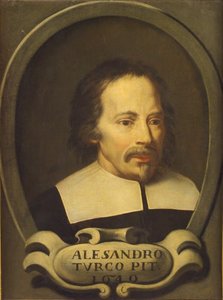
Alessandro Turchi
1578 - 1649 , Италия
Основные сведения
- Artistic Movement Or Style: Ранний барокко
- Artists Or Movements Influenced By This Artist:
- Иоганн Чешчини
- Иоганн Б. Росси
- Artists Who Influenced This Artist:
- Феличе Риччо
- Карло Кальяри
- Date Of Birth: 1578
- Date Of Death: 1649
- Full Name: Alessandro Turchi
- Nationality: Итальянский
- Notable Artworks:
- Спасенье
- Христос, Магдалина и ангелы
- Place Of Birth: Верона, Италия
Похожие статьи

10 Шедевров Барокко: Искусство, изменившее мир | ArtsDot.com
Погрузитесь в мир барокко! 10 шедевров Караваджо, Рембрандта и других великих художников. Узнайте историю создания культовых картин и найдите идеальную репродукцию для вашего интерьера на ArtsDot.com
Simon Vouet: A Baroque Master's Journey from Italian Influence to French Classicism
Explore the life & art of Simon Vouet, a pivotal French Baroque painter who introduced Italian styles to France. Discover his masterpieces and lasting influence on 17th-century art.

The Visceral Stage: Exploring Dramatic Narratives & Emotional Intensity in Baroque Art
Explore the dramatic world of Baroque art! Discover iconic masters like Caravaggio & Rembrandt, their techniques, and the movement's lasting impact. Expert insights for collectors & enthusiasts at ArtsDot.

Барочная драма: Искусство величия в современном интерьере
Погрузитесь в мир роскоши и величия барокко! Узнайте об истории стиля, ключевых элементах интерьера и архитектуре. Вдохновляйтесь с и создайте свой неповторимый дизайн.

The Dramatic Flourish: Exploring the Baroque Movement's Enduring Legacy in Art History
Explore the dramatic world of Baroque art! Discover iconic artists like Caravaggio & Rubens, defining techniques, and its lasting impact on art history. Expert insights for collectors & enthusiasts at ArtsDot.