

 Предпросмотр
 Поделиться
 Поделиться
 Детали произведения

 Скачать
 Похожие работы
 Рентгенография
 Слайд-шоу
 Статистика
An Allegory (Fábula) - El Greco


 Читать далее
В наличии масляная живопись со скидкой
В наличии живописная масляная работа ручной работы, готовая к отправке; добавьте оформление в рамку при оформлении заказа. ()





































Бесплатная экспресс-доставка по всему миру

Высококачественный льняной холст

Полное страхование доставки

Гарантия возмещения таможенных пошлин

Гарантия точного соответствия цветов

100-дневная политика возврата (только при обнаружении дефектов)

Гарантия возврата 100% средств

Предложение оптовых скидок
 Вариант со стеклом доступен только для размеров менее 110 см

An Allegory (Fábula) - El Greco
В наличии масляная живопись со скидкой
Размер репродукции
-


Экспресс-доставка включена
Экспресс-доставка по всему миру. Одна неделя. (20 Август).
Включена экспресс-доставка
Итоговая стоимость
$ 112
A Dance Between Light and Shadow: Unveiling El Greco’s Symbolic World
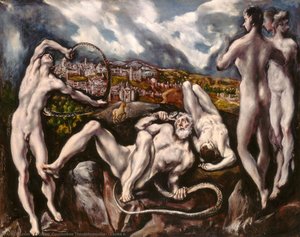
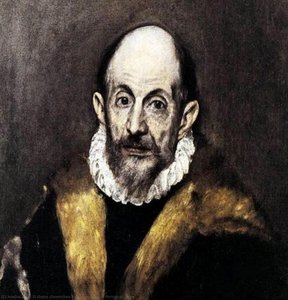
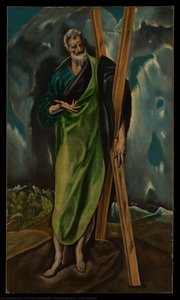
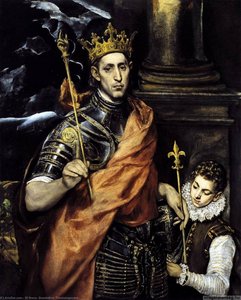
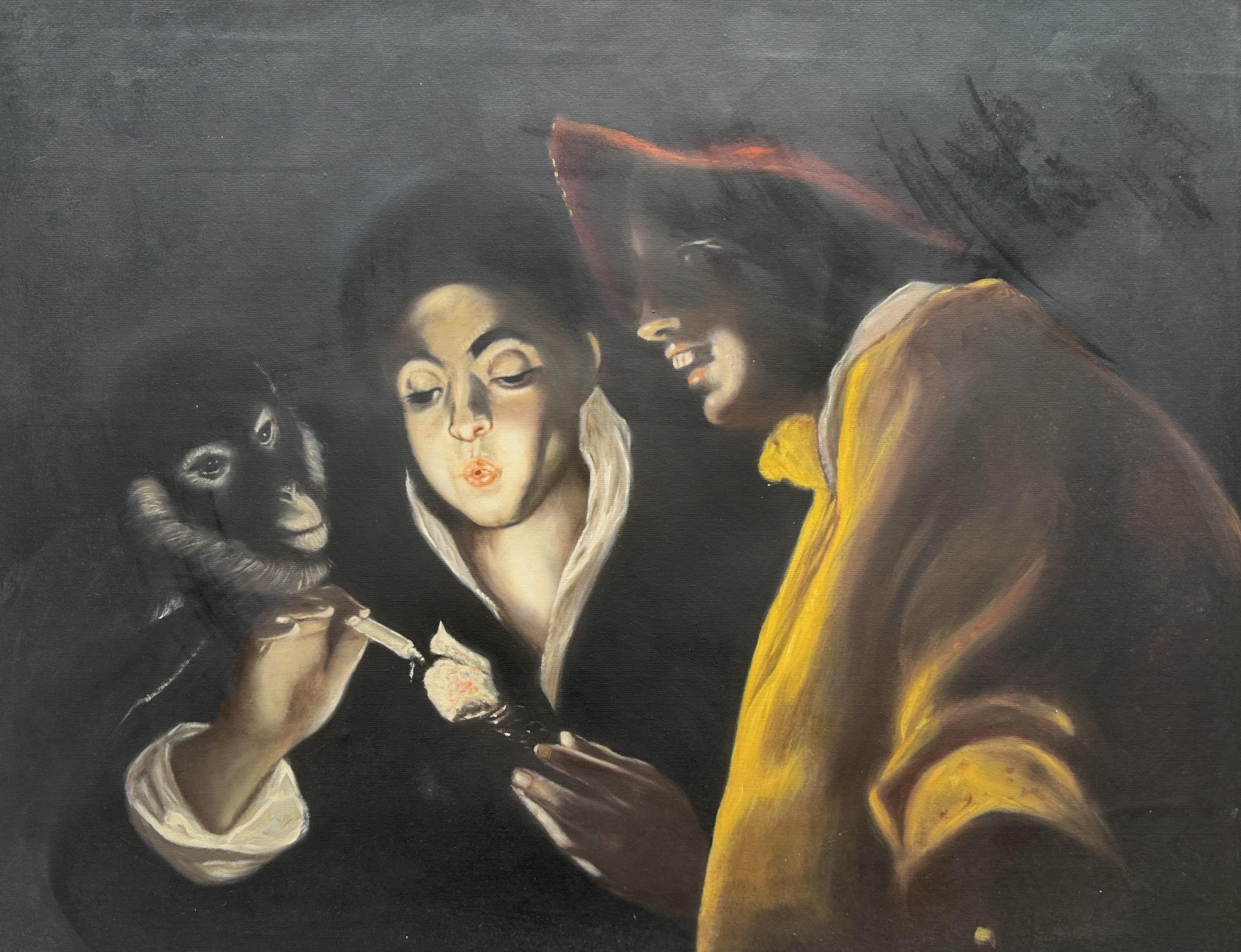
El Greco, born Domenikos Theotokopoulos, remains one of art history's most singular figures – an artist whose intensely emotional and often enigmatic works transcend categorization. While firmly rooted in the Spanish Renaissance, his style quickly evolved into something uniquely his own, anticipating the Expressionism and even Cubism that would emerge centuries later. This hand-painted acrylic reproduction captures the essence of his dramatic vision, specifically drawing inspiration from “An Allegory with a Boy Lighting a Candle in the Company of an Ape and a Fool,” a piece brimming with complex symbolism.
Decoding the Narrative
The subject matter itself is layered with meaning. A young boy, bathed in a soft glow, carefully lights a candle while an ape and a fool observe him. This isn’t merely a scene of everyday life; it's a profound meditation on knowledge, folly, and faith. The candle represents enlightenment – the pursuit of wisdom – but its precarious flame is guarded by figures embodying base instincts (the ape) and irrationality (the fool). The darkness surrounding them amplifies the sense of vulnerability and the challenges inherent in seeking truth.
A Masterful Replication of Baroque Intensity
Our studio artists have meticulously recreated El Greco’s signature techniques. The warm, earthy palette – ochres, browns, and muted reds – is faithfully reproduced, creating a rich visual experience. The dramatic *tenebrism*, the stark contrast between light and shadow, is particularly striking, drawing the eye to the illuminated faces and emphasizing the emotional weight of the scene. This isn’t simply a copy; it's a reinterpretation imbued with the same passion and intensity as the original.
A Collector’s Treasure
For collectors seeking works that resonate with intellectual depth and artistic innovation, this piece is an exceptional addition. El Greco’s paintings are rare and highly sought after; owning a hand-painted reproduction allows you to experience the power of his vision without the constraints of availability or cost. This artwork isn't just a beautiful object; it’s a conversation starter, a source of contemplation, and a testament to the enduring legacy of a true master.
At ArtsDot.com we pride ourselves on bringing museum-quality art into your home. This acrylic painting is available now, expertly crafted by our studio artists. Framing options are readily available to complement your space perfectly. Don't miss the opportunity to own a piece of art history! Browse our collection today and transform your walls with timeless beauty.
Похожие произведения

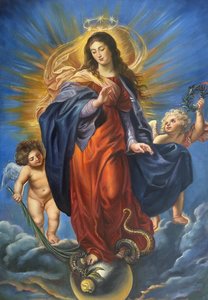
Биография художника
Doménikos Theotokópoulos, Known As El Greco – A Pioneer Of Expressionism And Cubism
Doménikos Theotokópoulos, universally recognized as El Greco – “the Greek” – stands apart in the annals of Western art history. Born in Crete, Greece, around 1541, his artistic journey traversed Venice and Rome before finding its definitive expression in the spiritual crucible of Toledo, Spain. He wasn’t merely a product of these locations; he synthesized their diverse influences into an unparalleled style that foreshadowed the emotional fervor of Expressionism and the fragmented forms of Cubism centuries ahead of time. His formative years within the Byzantine tradition instilled in him meticulous attention to detail and a profound understanding of religious iconography – principles that would permeate his entire oeuvre.Early Training And Venetian Influence
El Greco’s artistic education began in Crete, where he absorbed the stylistic conventions of Byzantium—characterized by serene compositions, stylized figures, and luminous colors. However, his relocation to Venice around 1567 irrevocably altered his trajectory. Immersed in the bustling artistic milieu of the Serenissima Republic, he encountered titans of Venetian painting – Titian, Tintoretto, Veronese – absorbing their mastery of color palettes, compositional strategies, and dramatic lighting techniques. He deliberately loosened his brushwork, embracing the sensual qualities of oil paint and experimenting with dynamic poses that departed from traditional Byzantine conventions. This Venetian influence is palpable in early masterpieces like *St. Sebastian* (1600), where anatomical accuracy harmoniously blends with theatrical illumination—a testament to El Greco’s ability to synthesize disparate artistic traditions.Roman Exposure And Mannerist Style
A subsequent pilgrimage to Rome exposed him to Mannerism, a stylistic movement that prioritized elongated figures, distorted perspectives, and sophisticated compositional arrangements. While he demonstrated considerable talent within the Roman art world – attracting commissions from prominent patrons – El Greco struggled to gain widespread acclaim amidst the competitive landscape of Florentine artistic circles. Despite facing challenges in establishing himself as a celebrated artist during his formative years, his unwavering dedication to experimentation and innovation would ultimately propel him toward his singular artistic vision.Toledo And Spiritual Expression
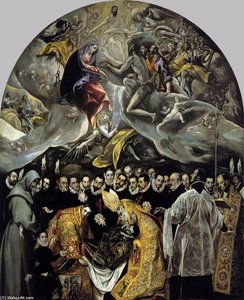
El Greco’s final artistic home was Toledo, Spain—a city steeped in religious fervor during the Counter-Reformation. This environment fostered both patronage and an atmosphere conducive to exploring themes of spirituality and transcendence. It was here that he achieved his most profound artistic breakthroughs, producing works imbued with a palpable sense of emotional intensity and visionary grandeur. His distinctive style – characterized by elongated figures bathed in ethereal light—became synonymous with the expressive power of Mannerism and foreshadowed the stylistic innovations of Expressionism and Cubism. Consider *The Burial of the Count of Orgaz* (1586-1588), a monumental painting that exemplifies El Greco’s masterful blending of Byzantine tradition and Venetian realism. The depiction of a miraculous event—the descent of saints to bury a nobleman—captures the sublime beauty of religious devotion while simultaneously conveying an overwhelming sense of spiritual awe.Legacy And Recognition
El Greco's artistic legacy extends far beyond his lifetime, resonating powerfully with artists across subsequent eras. His pioneering use of elongated figures and dramatic lighting captivated contemporaries like Picasso and Braque, who recognized him as a precursor to modern art—particularly Cubism—admiring his unconventional perspectives and stylistic boldness. Furthermore, El Greco’s emotive style found kinship with Expressionist painters who sought to convey profound psychological states through vibrant colors and forceful brushstrokes. Today, El Greco is revered as one of the most influential figures in Western art history—a visionary painter whose oeuvre continues to inspire awe and contemplation, securing his place among the titans of artistic innovation and spiritual expression. His paintings remain enduring symbols of faith, emotion, and the boundless capacity of human imagination.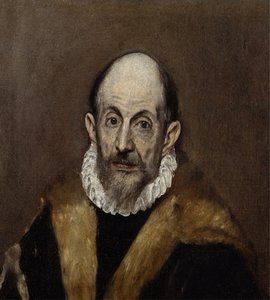
Эль Греко
1541 - 1614 , Греция
Основные сведения
- Artistic Movement Or Style: Маньеризм, Барокко
- Artists Or Movements Influenced By This Artist:
- Экспрессионизм
- Кубизм
- Artists Who Influenced This Artist:
- Тициан
- Тинторетто
- Date Of Birth: 1541 г.
- Date Of Death: 1614 г.
- Full Name: Доминикс Феотокóпулос
- Nationality: Греко-Испанский
- Notable Artworks:
- Положение Графа Оргаза
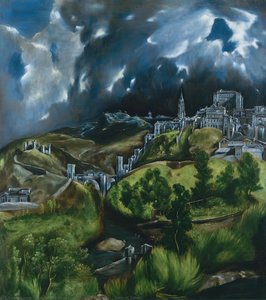
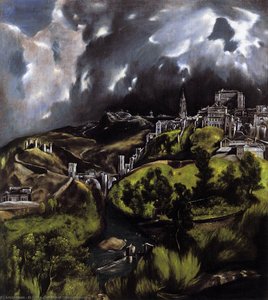
- Вид Толедо
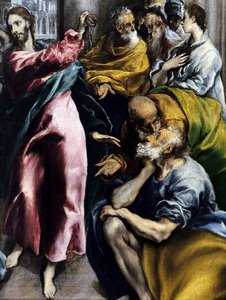
- Одевание Христа
- Place Of Birth: Крета, Греция
Похожие статьи
Возвращение фрески: почему настенные росписи становятся новым символом роскоши
Узнайте о возрождении фрески как символа роскоши! Экспертные статьи о технике, дизайне и применении в интерьере отелей. Закажите уникальную фреску с .
Топ-10 знаменитых картин в охристых тонах: искусство и декор от ArtsDot
Погрузитесь в мир искусства с 10 знаменитыми картинами, где доминирует охристый цвет! Узнайте истории Ван Гога, Моне и других мастеров. Репродукции высокого качества для вашего интерьера от ArtsDot.com. Откройте всю коллекцию онлайн!
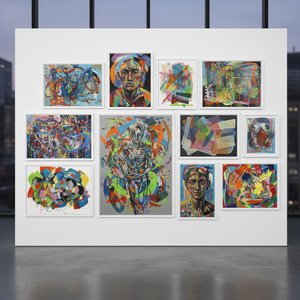
10 шедевров акрилом, изменивших искусство навсегда | ArtsDot
Откройте для себя 10 легендарных шедевров акрилом, изменивших мир искусства! Узнайте истории великих художников и их культовых работ. Вдохновение для вашего интерьера и эксклюзивные репродукции картин на ArtsDot.com.
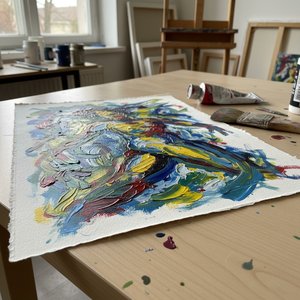
Acrylic on Paper: A Modern Canvas for Contemporary Expression
Explore the versatility of acrylic painting on paper! Discover expert techniques, artist insights & archival practices for creating stunning contemporary art. Learn more at ArtsDot.