

 Предпросмотр
 Поделиться
 Поделиться
 Детали произведения

 Скачать
 Похожие работы
 Рентгенография
 Слайд-шоу
 Статистика
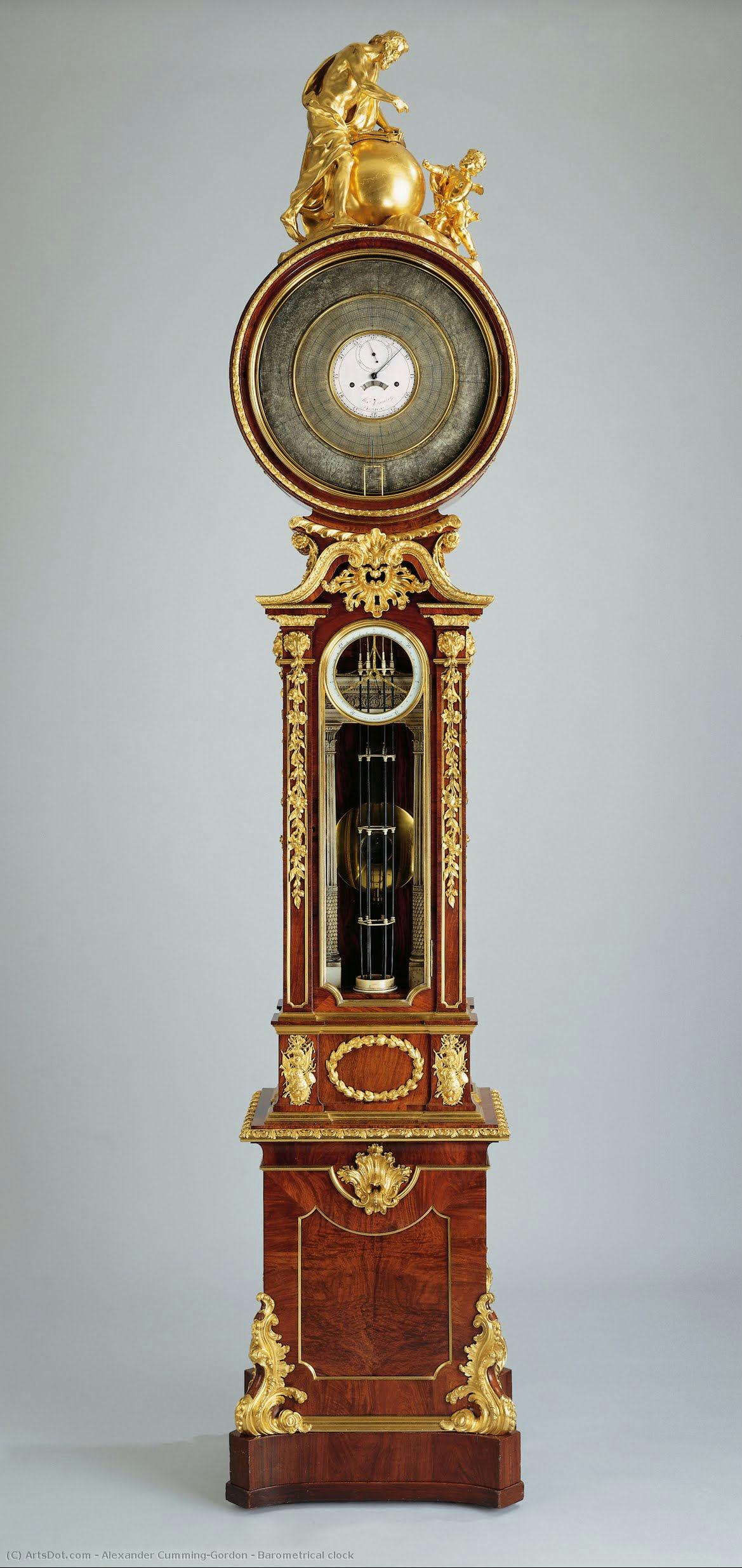
Barometrical clock
 Painting
 1765
1765- Early Modern
 43.0 x 45.0 cm
 Королевская коллекция
 Читать далее
Масляная репродукция ручной работы
Картина маслом на холсте в выбранном вами размере и раме, написанная на заказ нашими художниками. ( Перейти к печати Перейти к цифровым изображениям)




P118B $10

P118H $10

P118W $10

P438Z $10

P508JH $12

P508YH $12

P805H $10

P805Z $10

P919BZ $10

P919G $10

P919XJ $10

P959ZH $10

P968JZ $12

W106C $8

W218G $10

W218JH $8

W218Y $10

W307PJ $10

W316G $10

W316PJ $8

W316Y $10

W398PJ $8

W4111J $10

W500HY $15

W500JH $15

W692G $12

W849H $8

W940BG $15

W953PJ $8




Выберите один из наших стандартных размеров, соответствующих оригинальным пропорциям произведения искусства.

Вы можете указать собственные размеры, чтобы картина идеально вписалась в выбранную раму или пространство. Если выбранный вами размер не соответствует пропорциям оригинала, мы либо обрежем полотно, либо расширим его за счет дополнительных элементов, написанных вручную. Цифровой макет будет отправлен вам на утверждение перед началом производства.
Обратите внимание, что предварительный просмотр на экране не отражает фактическую обрезку или расширение. Только макет точно покажет окончательную композицию.
Хотя доступны индивидуальные размеры, мы рекомендуем выбирать вариант из предопределенного списка, чтобы сохранить исходные пропорции.
После оформления заказа команда ArtsDot.com свяжется с клиентом по электронной почте для уточнения деталей и предоставит предварительный макет
Доставка по всему миру () за 3–4 недели вместо стандартных 5 недель. (11 Сентябрь). Без компромиссов в качестве.

Бесплатная экспресс-доставка по всему миру

Высококачественный льняной холст

Полное страхование доставки

Гарантия возмещения таможенных пошлин

Гарантия точного соответствия цветов

100-дневная политика возврата (только при обнаружении дефектов)

Гарантия возврата 100% средств

Предложение оптовых скидок
 Вариант со стеклом доступен только для размеров менее 110 см

Barometrical clock
Техника репродукции
Размер репродукции
-


Итоговая стоимость
$ 263
A Masterpiece of Precision and Opulence
In the delicate intersection of scientific rigor and decorative splendor lies the Barometrical Clock, an extraordinary creation from 1765 by the Scottish virtuoso Alexander Cumming-Gordon. This is not merely a timepiece; it is a profound dialogue between the mechanical ingenuity of the Enlightenment and the luxurious aesthetic of the Georgian era. At first glance, the viewer is captivated by the exquisite rosewood and padouk case, which serves as a majestic stage for a complex symphony of horological instruments. The interior, adorned with ivory fittings, radiates a soft, luminous elegance that contrasts beautifully with the rich, dark tones of the precious woods. Every inch of this piece speaks to an era when scientific discovery was celebrated through the medium of fine art, making it a breathtaking centerpiece for any collection dedicated to the history of human innovation.
The artistry of the Barometrical Clock extends far beyond its functional capabilities, manifesting in a sculptural grandeur that commands attention. The dial is surmounted by meticulously chased gilt bronze ornaments, featuring a poignant depiction of an elderly man—representing Father Time—clutching a book, accompanied by a playful putto. This classical imagery invites a deeper contemplation of mortality and the relentless passage of time. Flanking the barometer, pilasters are decorated with floral swags suspended from lion masks, while military trophies rest below, lending a sense of strength and historical weight to the composition. The interplay of light upon the gold trim and the intricate textures of the wood creates a visual depth that is both intellectually stimulating and aesthetically soothing, offering a timeless allure for discerning interior designers.
The Legacy of an Inventor's Vision
To understand the soul of this work, one must look to the hands of its creator, Alexander Cumming-Gordon. A man of profound mathematical intellect and a member of the Royal Society of Edinburgh, Cumming-Gordon brought a unique scientific precision to the craft of watchmaking. His ability to integrate a month-going regulator clock with a driven barograph demonstrates a level of mechanical complexity that was truly ahead of its time. This piece reflects the spirit of an age defined by empirical investigation and the pursuit of knowledge. For the collector, owning a reproduction of such a work is an opportunity to possess a fragment of the Enlightenment—a period where the boundaries between the laboratory and the salon were beautifully blurred.
Integrating a high-quality reproduction of this barometrical clock into a contemporary or classical interior provides more than just decoration; it introduces a narrative of sophistication. Whether placed in a study filled with leather-bound books or as a focal point in a grand hall, the piece evokes an atmosphere of intellectual curiosity and refined taste. The rhythmic precision of its design and the richness of its materials offer a sense of permanence and stability in an ever-changing world. It remains a testament to the era when even the most functional instruments were treated as masterpieces of fine art, designed to inspire awe and wonder in all who behold them.
Похожие произведения
Биография художника
Early Life and Influences
Alexander Cumming-Gordon (1733–1806) emerged from Edinburgh’s intellectual landscape, a son of James Cumming of Rosehill and Penrose, Cornwall. His upbringing instilled in him a fascination with mathematics and mechanics—skills that would prove crucial to his groundbreaking contributions as a watchmaker and instrument inventor. Membership in the Royal Society of Edinburgh served as an emblem of his scholarly pursuits and signaled his commitment to advancing knowledge through observation and experimentation. This early exposure to scientific inquiry undoubtedly shaped his worldview and fueled his inventive spirit, laying the foundation for his remarkable career. The influence of Enlightenment ideals—emphasizing reason and empirical investigation—permeated Scottish society during Cumming-Gordon’s formative years, fostering a climate receptive to innovation and challenging established conventions.Watchmaking and Instrument Innovation
Cumming-Gordon's mastery of horology quickly distinguished him as a craftsman of exceptional talent. He apprenticed himself to an Edinburgh watchmaker, honing his skills in precision engineering and mastering the intricacies of clockwork mechanisms. Beyond mere craftsmanship, he possessed a visionary understanding of how instruments could enhance human perception and facilitate scientific discovery. His designs for musical instruments—particularly barrel organs—were revolutionary for their time, incorporating innovative features that maximized sound quality and efficiency. These endeavors weren't simply about creating beautiful objects; they represented a concerted effort to improve upon existing technologies and push the boundaries of what was considered possible. He meticulously documented his observations and experiments, contributing valuable data to the burgeoning field of instrument science.The Flush Toilet Revolution
Cumming-Gordon’s most enduring legacy rests on his pioneering invention of the flush toilet—a device that fundamentally transformed sanitation practices in Scotland and beyond. While Sir John Harington had conceived of similar designs earlier, Cumming-Gordon successfully addressed the persistent problem of foul odors emanating from traditional cesspools by incorporating a crucial element: the S-trap. This ingenious mechanism prevented sewer gases from ascending into buildings, dramatically improving hygiene and public health. His patent application in 1775 marked a watershed moment in plumbing history—a testament to his analytical mind and unwavering determination to solve practical challenges with elegant engineering solutions. The impact of Cumming-Gordon’s innovation extended far beyond Scotland, influencing sanitation standards across Europe and shaping the urban environment for generations to come.Royal Patronage and Scientific Recognition
Cumming-Gordon's reputation as an inventor and scientist garnered considerable acclaim within Edinburgh’s intellectual circles. He was appointed a surveyor of roads by Archibald Campbell, 3rd Duke of Argyll, demonstrating his commitment to improving infrastructure and promoting public welfare. Furthermore, he secured the patronage of King George III, who commissioned him to construct a barometrical clock—a sophisticated instrument designed to predict weather patterns based on atmospheric pressure changes. This project showcased Cumming-Gordon’s technical prowess and cemented his position as a leading figure in British science. His election to the Royal Society of London for Improving Natural Knowledge underscored his scholarly achievements and affirmed his standing among Britain's most distinguished intellectuals—a recognition that symbolized the culmination of his lifelong pursuit of knowledge and innovation.Historical Significance
Alexander Cumming-Gordon’s contributions transcended mere technological advancement; he embodied the spirit of Enlightenment inquiry and championed practical solutions to societal ills. His invention of the flush toilet stands as a cornerstone of modern sanitation—a device that continues to safeguard public health and enhance urban living standards. Beyond this singular achievement, his work in mathematics, instrument science, and horology profoundly influenced subsequent generations of inventors and scientists. Cumming-Gordon’s legacy persists not only in the tangible innovations he produced but also in the enduring values of reason, observation, and ingenuity that characterized his era—values that continue to inspire creativity and progress today. His story serves as a reminder that transformative breakthroughs often emerge from meticulous craftsmanship combined with unwavering intellectual curiosity.
alexander cumming-gordon
1733 - 1814 , United Kingdom
Основные сведения
- Artistic Movement Or Style: None specified
- Artists Or Movements Influenced By This Artist: ['Historic Scotland']
- Artists Who Influenced This Artist: ['John Harington']
- Date Of Birth: 1733
- Date Of Death: 1814
- Full Name: Alexander Cumming-Gordon
- Nationality: Scottish
- Notable Artworks: ['Flush Toilet']
- Place Of Birth: Edinburgh, United Kingdom
Похожие статьи

The Enduring Legacy of Bronze: A Historical & Artistic Exploration for the Collector
Explore the rich history & enduring appeal of bronze sculpture with expert insights for collectors at ArtsDot. Learn about casting techniques, iconic artists, collecting tips & contemporary interpretations.

10 легендарных бронзовых шедевров, изменивших искусство | ArtsDot
Погрузитесь в мир великих бронзовых шедевров! От Давида Донателло до Мыслителя Родена – узнайте историю создания, технику и значение легендарных скульптур. Вдохновение для интерьера и музейное качество репродукций на ArtsDot.com.
The Enduring Legacy of Bronze: History, Technique & Artistic Expression for the Collector
Explore the rich history & enduring appeal of bronze sculpture with expert insights for collectors at ArtsDot. Learn about casting techniques, iconic artists, and collecting tips.

The Enduring Legacy of Bronze Sculpture: A Collector's Guide to Form & Cultural Significance
Explore the rich history & enduring appeal of bronze sculpture with expert insights for collectors at ArtsDot. Learn about casting techniques, iconic artists, and collecting tips to build a discerning art collection.

The Enduring Legacy of Bronze Sculpture: Technique, Symbolism & Cultural Impact
Explore the rich history & enduring appeal of bronze sculpture with expert insights for collectors. Learn about casting techniques, iconic artists, collecting tips & contemporary interpretations at ArtsDot.