

 Предпросмотр
 Поделиться
 Поделиться
 Детали произведения

 Скачать
 Похожие работы
 Рентгенография
 Слайд-шоу
 Статистика
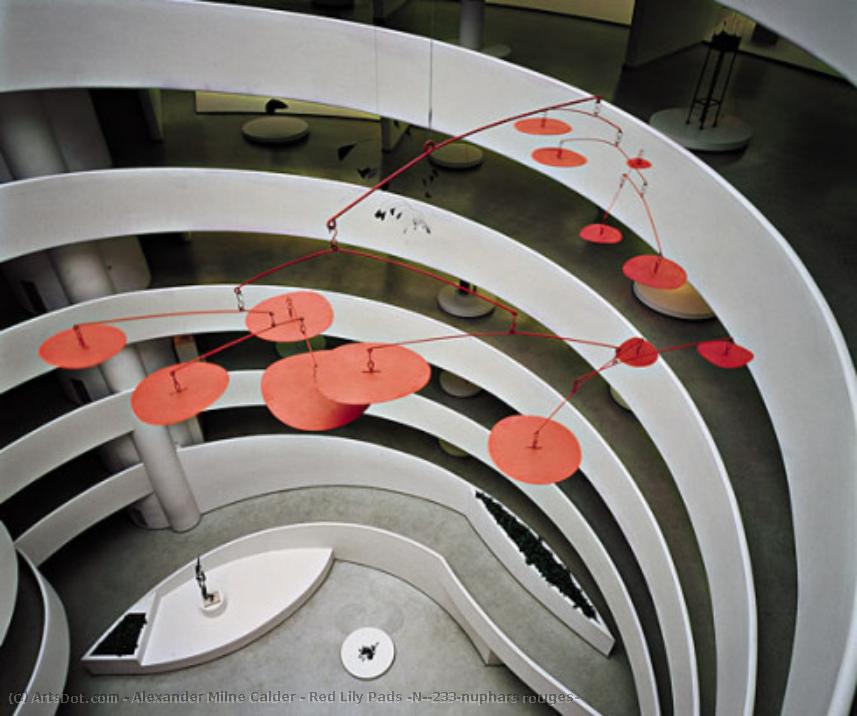
Red Lily Pads (Nénuphars rouges)


 Читать далее
Приобретите цифровое изображение высокого разрешения в улучшенном качестве, которое значительно превосходит онлайн-превью.
Каждый файл тщательно подготавливается нашими специалистами с использованием передовых инструментов и экспертной ручной ретуши. Мы гарантируем исключительную четкость, точную цветопередачу и детальную проработку каждого изображения.
Финальный файл доставляется по электронной почте в течение 72 часов и оптимизирован для немедленного использования в профессиональной среде, при верстке и печати. Это тот же уровень качества, которому доверяют ведущие дизайнерские студии, издательства и галереи.
Цифровое изображение
Скачайте файл высокого разрешения для личного использования, печати и творческих проектов. ( Перейти к печати Купить картину ручной работы)
Включено в каждый заказ цифровых изображений
Гарантия экспертной цифровой доставки
Выбирая ArtsDot.com, вы получаете не просто изображение — вы приобретаете профессионально обработанное цифровое произведение искусства, созданное с безупречной точностью и под защитой гарантии качества. Вот всё, что автоматически входит в ваш заказ:

Мгновенная доставка по e-mail
Ваш цифровой файл в высоком разрешении будет отправлен вам по электронной почте в течение 72 часов после оформления заказа — и сразу станет доступен для использования.

Цифровой файл с ИИ-улучшением
Ваше произведение искусства проходит профессиональную оптимизацию с использованием передовых инструментов ИИ и ручной обработки, что гарантирует максимальную детализацию, четкость и точность цветопередачи.

Бессрочная бесплатная повторная доставка
Случайно удалили или потеряли файл? Не беспокойтесь — мы отправим его вам повторно в любое время и совершенно бесплатно.

Без импортных пошлин — навсегда
Наслаждайтесь вашим произведением искусства мгновенно без таможенных пошлин, сборов или затрат на доставку — цифровые загрузки всегда не облагаются налогом.

Гарантия точности цветопередачи
Мы гарантируем, что ваше цифровое изображение максимально точно передает оригинальные цвета благодаря использованию профессиональных инструментов и систем управления цветом.

Гарантия удовлетворенности 100 дней
Если вы не будете удовлетворены своим цифровым изображением, мы внесем правки или вернем 100% стоимости в течение 100 дней — без лишних вопросов.

100% Гарантия возврата средств
Не удовлетворены покупкой? Получите полный возврат средств в течение 100 дней после получения цифрового файла — без лишних вопросов.

Скидки на оптовые заказы
Купите 3 изображения, сэкономьте 10% — Купите 5, сэкономьте 15% — Купите 10+, сэкономьте 20%. Отличное решение для творческих проектов, галерей и агентств.
A Dance of Light and Reflection: Unveiling Calder’s “Red Lily Pads”
Alexander Milne Calder's "Red Lily Pads (Nénuphars rouges)" isn’t merely a depiction of a serene pond; it’s an invitation to lose oneself in the delicate balance of form, color, and movement. Created in 1956, this captivating sculpture – captured through a masterful photograph – embodies Calder's signature approach: embracing chance and celebrating the ephemeral beauty of nature within a distinctly modern aesthetic. The piece resides within a contemporary architectural space, its organic shapes echoing the curves of the surrounding walls, creating an illusion of seamless integration between art and environment.
The composition immediately draws the eye to the central arrangement of circular lily pads, rendered in a vibrant coral-red that commands attention against the cool neutrality of the white architecture. These aren’t static forms; they possess a subtle dynamism, hinting at an unseen movement – perhaps the gentle sway of water or the whisper of air currents. The delicate wires and rods connecting them are almost invisible, yet crucial to the sculpture's overall effect, suggesting a complex network of support and balance. Calder masterfully utilizes negative space, allowing the surrounding walls to contribute significantly to the artwork’s visual weight and sense of openness.
The Legacy of a Pioneer: Calder and His Architectural Sculptures
To fully appreciate “Red Lily Pads,” it's essential to understand Alexander Milne Calder’s broader artistic trajectory. Born in Aberdeen, Scotland, in 1846, he initially trained as a stonemason before embarking on a career that would ultimately define him as one of the 20th century’s most innovative sculptors. His early work focused on monumental commissions for public buildings, notably his groundbreaking design for Philadelphia City Hall – a project that spanned two decades and involved over 250 individual sculptures. This experience profoundly shaped Calder's approach to architectural sculpture, instilling in him a deep appreciation for the interplay between form, space, and function.
Calder’s fascination with movement is evident throughout his oeuvre, but it’s perhaps most powerfully expressed in his mobiles – kinetic sculptures that respond to air currents. “Red Lily Pads” represents a shift towards a more static form while retaining this core principle of dynamic balance. The photograph captures a fleeting moment of equilibrium, suggesting the constant negotiation between stability and motion that characterizes Calder's work.
Symbolism and Emotional Resonance
The lily pad itself is a potent symbol – representing tranquility, purity, and rebirth. In this context, however, Calder subverts traditional associations, transforming these symbols into an abstract meditation on form and color. The red hue adds a layer of intensity, evoking feelings of passion, energy, and perhaps even a hint of melancholy. The surrounding white walls create a sense of serenity and contemplation, inviting the viewer to lose themselves in the sculpture’s visual rhythm.
Ultimately, “Red Lily Pads” is more than just a beautiful image; it's an invitation to experience the world through Calder’s unique lens. It speaks to our innate desire for balance, harmony, and connection with nature – qualities that resonate deeply in today’s increasingly complex and chaotic environment.
Похожие произведения
Биография художника
Introduction to Alexander Milne Calder
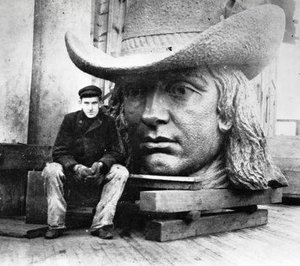
Alexander Milne Calder (MILL-nee) was a Scottish-American sculptor born in Aberdeen, Scotland, on August 23, 1846. He is best known for his architectural sculpture of Philadelphia City Hall and both his son, Alexander Stirling Calder, and grandson, Alexander ‘sandy’ Calder, became significant sculptors in the 20th century. His artistic journey began with a formative influence from his father, John Rhind, a sculptor who instilled in him an early appreciation for stone carving during his childhood years. Calder attended the Royal Academy in Edinburgh where he honed his skills and studied alongside fellow artists, shaping his understanding of classical sculpture traditions. He subsequently moved to London and collaborated on monumental projects like the Albert Memorial, demonstrating his versatility and ambition as a craftsman.- Early Life and Education: Calder’s upbringing in Aberdeen instilled in him a passion for art from a young age, nurtured by his father's expertise in stone carving.
- Royal Academy Training: His studies at the Royal Academy provided him with foundational knowledge of sculpture techniques and artistic principles.
- London Collaborations: Calder’s involvement in projects like the Albert Memorial showcased his ability to execute large-scale architectural sculptures.
Notable Works
Calder's legacy rests upon a remarkable collection of sculptural achievements, most notably Philadelphia City Hall. This ambitious undertaking demanded meticulous planning and execution by over 250 artisans, spanning two decades—a testament to Calder’s dedication and vision. The centerpiece of the hall is William Penn, a colossal bronze statue that embodies grandeur and commemorates Pennsylvania's founding figure. Beyond monumental sculptures, Calder explored kinetic art with his mobiles – suspended sculptures propelled by air currents—introducing an element of chance and movement into artistic expression. His exploration of this medium was greatly influenced by Marcel Duchamp, who coined the term "mobile" to describe these captivating artworks.- Philadelphia City Hall: Calder’s monumental sculpture transformed Philadelphia's skyline, representing a pinnacle of architectural artistry.
- William Penn Statue: This imposing bronze statue honored Pennsylvania’s heritage and showcased Calder’s mastery of sculptural technique.
- Kinetic Art – Mobiles: Calder pioneered kinetic sculpture with his mobiles, incorporating movement and chance into artistic creation—a groundbreaking contribution to the art world.
Legacy and Influence
Alexander Stirling Calder and Alexander ‘sandy’ Calder followed in their father's footsteps as accomplished sculptors, perpetuating a family tradition of artistic innovation. Calder’s influence extended beyond his own creations, inspiring subsequent generations of artists and shaping the trajectory of modern sculpture. His works are displayed prominently in museums worldwide—including the Smithsonian American Art Museum and the Galleria Civica di Arte Moderna e Contemporanea Torino—celebrating his enduring contribution to art history. Calder's unwavering belief that “theories may be all very well for the artist himself, but they shouldn’t be broadcast to other people” underscores his commitment to artistic integrity and spontaneity.- Family Artistic Tradition: Calder’s son and grandson continued his father’s legacy as sculptors, ensuring the continuation of a distinguished artistic lineage.
- Museum Exhibitions: Calder's sculptures are showcased in renowned museums globally, commemorating his lasting impact on art history.
- Philosophical Approach to Art: Calder championed spontaneity and intuition in artistic creation, rejecting rigid theoretical frameworks.
- Father's Influence: Calder’s father imparted invaluable knowledge of stone carving, shaping his artistic sensibilities from a young age.
- Royal Academy Studies: His training at the Royal Academy provided him with foundational understanding of sculptural principles and techniques.
- International Exposure: Calder’s journeys to Paris and London broadened his artistic perspective and fostered engagement with diverse cultural traditions.
- Philadelphia City Hall: The project’s scale and complexity demanded exceptional skill and perseverance from Calder and his team, resulting in a masterpiece of architectural sculpture.
- William Penn Statue: This monumental bronze statue honored Pennsylvania’s heritage and showcased Calder's mastery of sculptural technique—a symbol of civic identity.
- Kinetic Art – Mobiles: Calder revolutionized sculpture with his mobiles, embracing movement and spontaneity as artistic principles—a transformative innovation that captivated audiences worldwide.
- Family Artistic Lineage: Calder’s son and grandson continued his father's legacy as sculptors, upholding a distinguished tradition of artistic excellence.
- Global Museum Exhibitions: Calder’s sculptures are showcased in internationally recognized museums—demonstrating their universal appeal and enduring significance within art history.
- Philosophical Commitment to Art: Calder championed spontaneity and intuition as guiding principles for artistic creation—rejecting rigid theoretical frameworks in favor of authentic expression.
Александр Мине Кадер
1898 - 1976 , Великобритания
Основные сведения
- Artistic Movement Or Style: Architectural sculpture
- Artists Who Influenced This Artist: ['John Rhind']
- Date Of Birth: August 23, 1846
- Date Of Death: June 14, 1923
- Full Name: Alexander Milne Calder
- Nationality: Scottish-American
- Notable Artworks:
- Philadelphia City Hall
- William Penn statue
- Place Of Birth: Aberdeen, Scotland