

 Предпросмотр
 Поделиться
 Поделиться
 Детали произведения

 Скачать
 Похожие работы
 Рентгенография
 Слайд-шоу
 Статистика
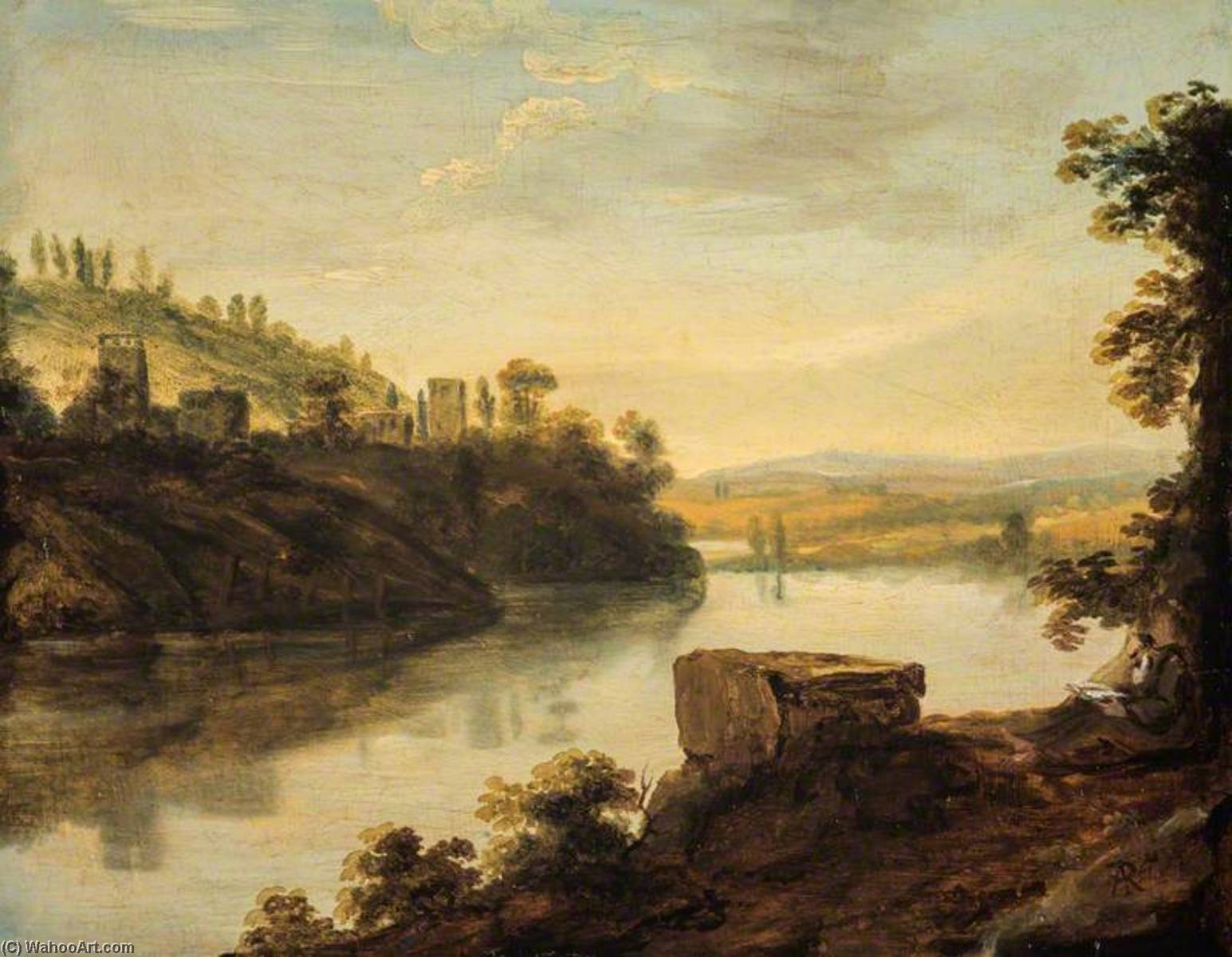
Italian River Landscape with a Hermit
 29.0 x 37.0 cm
 Читать далее
Масляная репродукция ручной работы
Картина маслом на холсте в выбранном вами размере и раме, написанная на заказ нашими художниками. ( Перейти к печати Перейти к цифровым изображениям)




































Выберите один из наших стандартных размеров, соответствующих оригинальным пропорциям произведения искусства.

Вы можете указать собственные размеры, чтобы картина идеально вписалась в выбранную раму или пространство. Если выбранный вами размер не соответствует пропорциям оригинала, мы либо обрежем полотно, либо расширим его за счет дополнительных элементов, написанных вручную. Цифровой макет будет отправлен вам на утверждение перед началом производства.
Обратите внимание, что предварительный просмотр на экране не отражает фактическую обрезку или расширение. Только макет точно покажет окончательную композицию.
Хотя доступны индивидуальные размеры, мы рекомендуем выбирать вариант из предопределенного списка, чтобы сохранить исходные пропорции.
После оформления заказа команда ArtsDot.com свяжется с клиентом по электронной почте для уточнения деталей и предоставит предварительный макет
Доставка по всему миру () за 3–4 недели вместо стандартных 5 недель. (10 Сентябрь). Без компромиссов в качестве.

Бесплатная экспресс-доставка по всему миру

Высококачественный льняной холст

Полное страхование доставки

Гарантия возмещения таможенных пошлин

Гарантия точного соответствия цветов

100-дневная политика возврата (только при обнаружении дефектов)

Гарантия возврата 100% средств

Предложение оптовых скидок
 Вариант со стеклом доступен только для размеров менее 110 см

Italian River Landscape with a Hermit
Техника репродукции
Размер репродукции
-


Итоговая стоимость
$ 263
Похожие произведения


Биография художника
Jean-Baptiste Pater: A Master of Rococo Illusion
Jean-Baptiste Pater, a name perhaps less familiar than his contemporary Watteau, nevertheless stands as a significant figure in the late 18th-century French art world. Born in Valenciennes in December 1695 and tragically passing away in Paris in July 1736 at the young age of forty, Pater’s life was marked by both artistic apprenticeship and a relentless pursuit of capturing the fleeting beauty and social grace of his era. His work, particularly his masterful depictions of *fêtes galantes* – elaborate outdoor gatherings filled with dance, music, and aristocratic leisure – reveals a deep understanding of Rococo aesthetics and a remarkable ability to create an illusion of idyllic fantasy. Pater’s early artistic education was shaped by his father, Antoine Pater, a sculptor who instilled in him a foundational appreciation for form and technique. However, it was the influence of Jean-Baptiste Guide, a local painter, that truly ignited Pater's passion for visual representation. Seeking further refinement, Pater traveled to Paris in 1713, briefly becoming a student under Antoine Watteau – an encounter that proved both formative and ultimately fraught with tension. While Watteau’s innovative use of light, color, and composition undoubtedly impacted Pater’s style, the two artists' differing approaches led to a falling out, prompting Pater to return to his native Valenciennes for two years before resuming his studies under Watteau in 1721. This tumultuous period highlights a crucial aspect of Pater’s development: he was not merely a follower; he actively wrestled with and ultimately adapted the techniques of his influential teacher, forging his own distinctive voice within the Rococo tradition. He famously claimed to have absorbed everything of value from Watteau during those brief months, a testament to the intensity of their artistic exchange. Pater’s style is immediately recognizable by its shimmering quality – a deliberate manipulation of paint that creates an almost ethereal effect. Unlike some of his contemporaries who favored bolder brushstrokes and more direct representation, Pater employed delicate, feathery lines, often using pastel shades to achieve a luminous, dreamlike atmosphere. This technique, particularly evident in works like *Landscape with a Cart* (Schloss Charlottenburg), anticipates the later innovations of Francesco Guardi, demonstrating Pater’s keen eye for capturing atmospheric perspective and creating a sense of depth through subtle variations in color and tone. His subject matter consistently revolved around *fêtes galantes*, scenes of aristocratic revelry that were immensely popular during the reign of Louis XV. These paintings weren't simply depictions of social events; they were carefully constructed fantasies, designed to evoke feelings of pleasure, elegance, and escape. Pater meticulously researched his subjects, often drawing inspiration from contemporary accounts of these gatherings, and he skillfully integrated elements of classical mythology and allegorical symbolism into his compositions. A significant turning point in Pater’s career came with his patronage by Frederick the Great, the King of Prussia. The Prussian monarch commissioned two portraits – *Le Sultan au Harem* (The Sultan with His Concubines) and *Le Sultan au Jardin* (The Sultan in the Garden) – both rendered in the “Turquerie” style, a fashionable trend that depicted European royalty engaging with exotic Eastern cultures. These works cemented Pater’s reputation as a court painter of considerable skill and demonstrated his ability to capture the nuances of aristocratic portraiture while adhering to prevailing artistic conventions. Beyond these commissioned portraits, Pater produced numerous independent paintings, showcasing his versatility and mastery of various subjects, including landscapes, historical scenes, and genre depictions. Despite his untimely death in 1736, Pater’s influence on subsequent generations of French painters is undeniable. His innovative use of color and technique paved the way for later developments in Rococo art, while his meticulous attention to detail and his ability to create an illusion of beauty continue to captivate viewers today. Works like *The Fair at Bezons* (Metropolitan Museum of Art) exemplify Pater’s genius – a vibrant tableau teeming with figures, costumes, and details that transport the viewer to a world of aristocratic indulgence and fleeting pleasure. His legacy endures not only through his surviving paintings but also through the techniques he pioneered and the aesthetic ideals he embodied, solidifying his place as a key figure in the history of French art.Further Resources
- Art UK: Jean-Baptiste Pater - Art UK
- The Metropolitan Museum of Art: Jean-Baptiste Joseph Pater - The Fair at Bezons
- Wikipedia: Jean-Baptiste Pater - Wikipedia
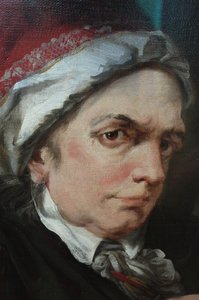
alexander runciman
1736 - 1785
Основные сведения
- Artistic Movement Or Style: Rococo, Fête galante
- Artists Or Movements Influenced By This Artist: ['Francesco Guardi']
- Artists Who Influenced This Artist: ['Antoine Watteau']
- Date Of Birth: December 29, 1695
- Date Of Death: July 25, 1736
- Full Name: Jean-Baptiste Pater
- Nationality: French
- Notable Artworks:
- The Fair at Bezons
- Landscape with a Cart
- Le Sultan au Harem
- Le Sultan au Jardin
- Place Of Birth: Valenciennes, France