

 Предпросмотр
 Поделиться
 Поделиться
 Детали произведения

 Скачать
 Похожие работы
 Рентгенография
 Слайд-шоу
 Статистика
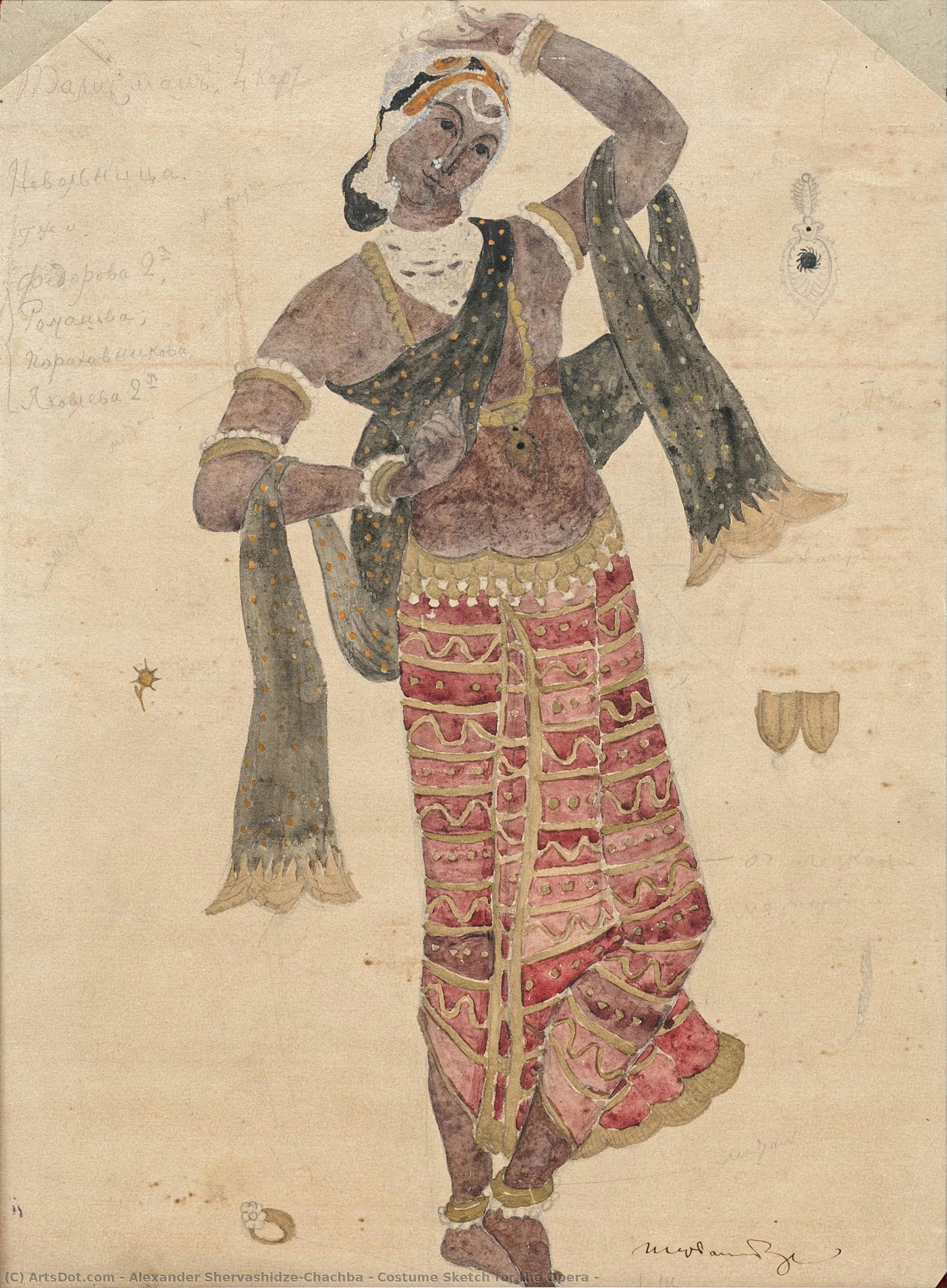
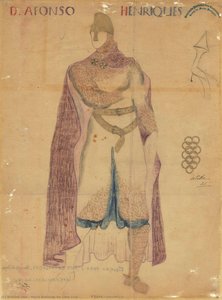
Costume Sketch for the Opera
 1908
1908- Modern
 33.0 x 24.0 cm
 Дворец искусств Грузии - Музей культурного наследия
 Читать далее
Жикле / Арт-принт
Печать (жикле) или холст музейного качества с быстрыми сроками изготовления и широким выбором вариантов отделки. ( Купить картину ручной работы Перейти к цифровым изображениям)




P118B $10

P118H $10

P118W $10

P438Z $10

P508JH $12

P508YH $12

P805H $10

P805Z $10

P919BZ $10

P919G $10

P919XJ $10

P959ZH $10

P968JZ $12

W106C $8

W218G $10

W218JH $8

W218Y $10

W307PJ $10

W316G $10

W316PJ $8

W316Y $10

W398PJ $8

W4111J $10

W500HY $15

W500JH $15

W692G $12

W849H $8

W940BG $15

W953PJ $8




Выберите один из наших стандартных размеров, соответствующих оригинальным пропорциям произведения искусства.

Вы можете указать свои собственные размеры, чтобы репродукция идеально подошла под конкретную раму или пространство. Если выбранный вами размер не будет соответствовать пропорциям оригинала, мы либо обрежем произведение, либо дополним изображение зеркальным отражением краев или однотонной заливкой. Перед началом производства вам будет отправлен цифровой макет для утверждения.
Пожалуйста, обратите внимание, что предварительный просмотр на экране не отображает фактическую обрезку или расширение изображения. Только макет точно покажет финальную композицию.
Несмотря на возможность заказа индивидуальных размеров, мы рекомендуем выбирать размер из предопределенного списка, чтобы сохранить оригинальные пропорции.
Доставка по всему миру () за 2 недели вместо стандартных 4/5 недель. (12 Сентябрь)

Бесплатная экспресс-доставка по всему миру

Высококачественный льняной холст

Полное страхование доставки

Гарантия возмещения таможенных пошлин

Гарантия точного соответствия цветов

100-дневная политика возврата (только при обнаружении дефектов)

Гарантия возврата 100% средств

Предложение оптовых скидок
 Вариант со стеклом доступен только для размеров менее 110 см

Costume Sketch for the Opera
Жикле / Арт-принт
Размер репродукции
-


Итоговая стоимость
$ 62
A Glimpse into the Grandeur of the Stage
In the delicate strokes of Alexander Shervashidze-Chachba’s Costume Sketch for the Opera, we are transported to a moment frozen in time, where the boundary between reality and theatrical illusion dissolves. Created in 1908, this evocative piece captures more than just a costume; it captures the very essence of early 20th-century performance art. The subject, a woman draped in the rich, flowing textures of traditional Indian attire, stands as a luminous centerpiece. Her sari, rendered with a keen eye for movement and light, suggests a rhythmic grace, as if she is caught mid-motion during a captivating dance. The presence of intricate jewelry adorning her neck and arms adds a layer of opulent detail, hinting at the high-stakes glamour of the operatic stage.
The composition is masterfully layered, inviting the viewer to peer beyond the primary subject into the atmospheric depths of the theater. A subtle presence in the background—perhaps an onlooker or a fellow performer—adds a sense of shared experience and communal anticipation. Even the inclusion of a clock on the wall serves as a poignant memento mori, a quiet reminder of the fleeting nature of performance and the passage of time. This interplay between the vibrant, central figure and the shadowed periphery creates a profound sense of depth, making the canvas feel like a window into a living, breathing world.
Technique and the Art of Narrative Detail
Shervashidze, a painter trained in the prestigious workshops of Paris under masters like F. Cormon and Julien, brings a sophisticated European sensibility to this cultural vignette. His technique in this sketch demonstrates an exceptional ability to balance fine detail with atmospheric impressionism. The way light interacts with the fabric of the sari and the metallic sheen of the ornaments reveals a deep understanding of texture and luminosity. Every brushstroke contributes to a sense of motion, guiding the eye across the canvas in a way that mimics the sweeping movements of a dancer.
For the discerning collector or interior designer, this artwork offers a unique opportunity to introduce a piece of historical storytelling into a contemporary space. The painting does not merely decorate a wall; it anchors a room with its rich cultural narrative and nostalgic charm. Its small-scale intimacy—measuring 33 x 24 cm—makes it an ideal focal point for a curated gallery wall or a sophisticated study, providing a conversation piece that bridges the gap between the classical traditions of the Russian Ballet Troupe era and the modern appreciation for global heritage.
An Emotional Resonance for Modern Interiors
Beyond its historical significance, Costume Sketch for the Opera possesses an emotional weight that resonates with the soul. There is a palpable sense of celebration and cultural pride embedded in the work, evoking the magic of a night at the opera where different worlds collide through art. The warmth of the palette and the rhythmic energy of the subject matter provide an uplifting presence, making it a perfect acquisition for those looking to infuse their homes with elegance, culture, and a touch of theatrical wonder.
Owning a high-quality reproduction of this masterpiece allows one to preserve the legacy of Shervashidze’s vision. It serves as a tribute to an era of grand spectacles and meticulous craftsmanship, offering a timeless aesthetic that complements both classical and eclectic interior design styles. This piece is not just an imitation of art; it is an invitation to experience the enduring allure of the stage.
Похожие произведения
![Indian Tobacco Shop Sign [obverse, Indian Facing Left] — Винслоу Хомер, American Realism](/media/artworks/images-thumb/23/47/234786c2828c25069cd7d401f9f6d842.jpg)
Биография художника
Pierre Bonnard: A Painter of Intimate Light
Born in Fontenay-aux-Roses, a suburb just outside Paris, on October 3rd, 1867, Pierre Bonnard was more than simply a painter; he was a meticulous architect of light and color. His life, marked by both artistic triumph and personal hardship, culminated in a body of work that continues to captivate with its deceptively simple beauty and profound emotional resonance. While often associated with the Post-Impressionists, particularly the *Nabis* group, Bonnard forged his own distinctive path, prioritizing atmosphere and subjective experience over strict representation.
Bonnard’s early artistic education was shaped by a confluence of influences. He began drawing as a child, nurtured by his father, Eugène Bonnard, a civil servant with an appreciation for art. He attended the Lycée Louis-le-Grand and Lycée Charlemagne in Vanves, demonstrating a keen intellect alongside his burgeoning talent. Crucially, he enrolled at the Académie Julian in Paris, where he encountered fellow artists like Paul Sérusier and later became associated with the *Nabis*, a group known for their exploration of symbolism and color theory. This association exposed him to the radical ideas of Gauguin and the Japanese prints that were then gaining popularity – particularly Hokusai’s dynamic compositions and bold use of color, elements which would profoundly shape his artistic vocabulary.
The Nabis and Early Influences
The *Nabis* group, meaning “prophets” in Hebrew, sought to move beyond the limitations of Impressionism. They were interested in creating a new visual language, one that emphasized mood and emotion over objective reality. Bonnard’s early works reflect this influence, characterized by loose brushstrokes, flattened perspectives, and an intense focus on color relationships. His initial subjects often included landscapes – particularly those of his family's country estate at Le Grand-Lemps – rendered with a dreamy quality that prioritized atmosphere and feeling over precise detail. The influence of Paul Gauguin is readily apparent in Bonnard’s early use of vibrant, non-naturalistic colors and simplified forms.
However, Bonnard quickly developed his own unique style, diverging from the more overtly symbolic approach of some *Nabis* members. He was less interested in conveying specific narratives or allegories and instead focused on capturing the fleeting effects of light and color within everyday scenes. His meticulous attention to detail—particularly in rendering fabrics and surfaces—contrasted with the looser brushwork of his contemporaries, creating a distinctive visual texture.
A World of Intimate Scenes
As Bonnard matured as an artist, his subject matter shifted from landscapes to intimate domestic scenes. He painted portraits of his wife, Marthe, and their children, capturing their personalities with remarkable sensitivity. These paintings are not merely representations of individuals but rather explorations of mood, emotion, and the subtle nuances of human relationships. He frequently depicted interiors—rooms bathed in soft light, filled with furniture, textiles, and personal objects—creating a sense of quiet intimacy and nostalgia.
Bonnard’s technique evolved over time. Initially influenced by Impressionism's focus on capturing fleeting moments, he gradually developed a more controlled and deliberate approach. He employed broken color techniques, layering thin washes of paint to create luminous effects and subtle shifts in tone. His compositions often featured overlapping planes and ambiguous spatial relationships, contributing to the paintings’ dreamlike quality. He was particularly adept at using color to evoke specific emotions—warm hues for moments of joy or comfort, cooler tones for feelings of melancholy or solitude.
Legacy and Recognition
Despite facing periods of critical neglect during his lifetime, Pierre Bonnard is now recognized as one of the most important figures in 20th-century French painting. His work has been celebrated for its lyrical beauty, emotional depth, and innovative use of color. His paintings are held in major museums around the world, including the Musée d'Orsay in Paris and the Metropolitan Museum of Art in New York.
Bonnard’s legacy extends beyond his individual achievements. He paved the way for later generations of artists who sought to explore the subjective experience of perception and emotion. His influence can be seen in the work of Matisse, Cézanne, and other modernists who embraced color and form as expressive tools. Pierre Bonnard died on January 23rd, 1947, leaving behind a rich and enduring body of work that continues to resonate with viewers today.
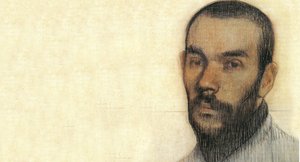
alexander shervashidze-chachba
1867 - 1968 , Abkhazia
Основные сведения
- Artistic Movement Or Style: Post-Impressionism, Nabis
- Artists Or Movements Influenced By This Artist: ['Ingres']
- Artists Who Influenced This Artist:
- Paul Gauguin
- Hokusai
- Date Of Birth: 1867-10-03
- Date Of Death: 1947-01-23
- Full Name: Pierre Bonnard
- Nationality: French
- Notable Artworks:
- La Route de Serra Capeou
- Mont Sainte-Victoire
- The Large Format
- Place Of Birth: Fontenay-aux-Roses, France
Похожие статьи
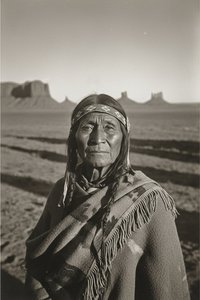
Shadow Catcher: Edward S. Curtis & the Ethnographic Portraiture of a Vanishing West
Explore the life & work of Edward S. Curtis, the 'Shadow Catcher,' and his groundbreaking photographic documentation of Native American cultures. Discover iconic images from *The North American Indian* and a critical look at his lasting legacy.
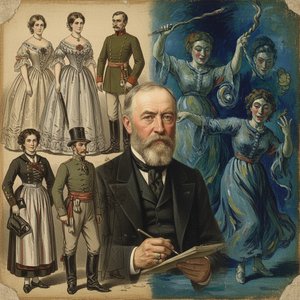
Albert Kretschmer: Capturing 19th-Century Costume & the Seeds of Expressionism
Explore the exquisite costume studies of Albert Kretschmer (1825-1891). Discover his detailed illustrations, influence on art history & connection to early Expressionism. Learn about collecting this remarkable artist's work.
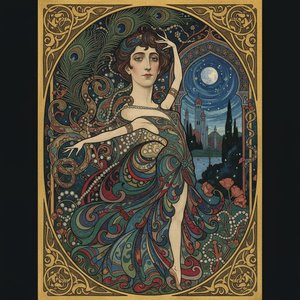
Léon Bakst: A Master of Decadence and the Ballet Russes' Visual Revolution
Explore the captivating world of Léon Bakst, master designer of the Ballets Russes. Discover his opulent costumes, revolutionary stagecraft & lasting influence on art and design. Learn about Diaghilev's vision and Bakst’s iconic works.
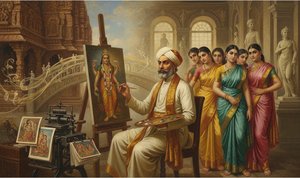
Raja Ravi Varma: Bridging Tradition & Modernity in 19th-Century Indian Art
Explore the life & art of Raja Ravi Varma, a pioneer who fused European techniques with Indian iconography. Discover his iconic paintings, lasting legacy, and influence on modern Indian art at ArtsDot.

Уверенность в Творении: Многоэтапный Процесс Предварительного Одобрения как Инструмент Расширения Возможностей Коллекционеров
Узнайте о многоэтапном процессе предварительного одобрения произведений искусства, обеспечивающем подлинность, историческую ценность и надежные инвестиции. Экспертная оценка, гарантии качества и защита интересов коллекционеров.