

 Предпросмотр
 Поделиться
 Поделиться
 Детали произведения

 Скачать
 Похожие работы
 Рентгенография
 Слайд-шоу
 Статистика
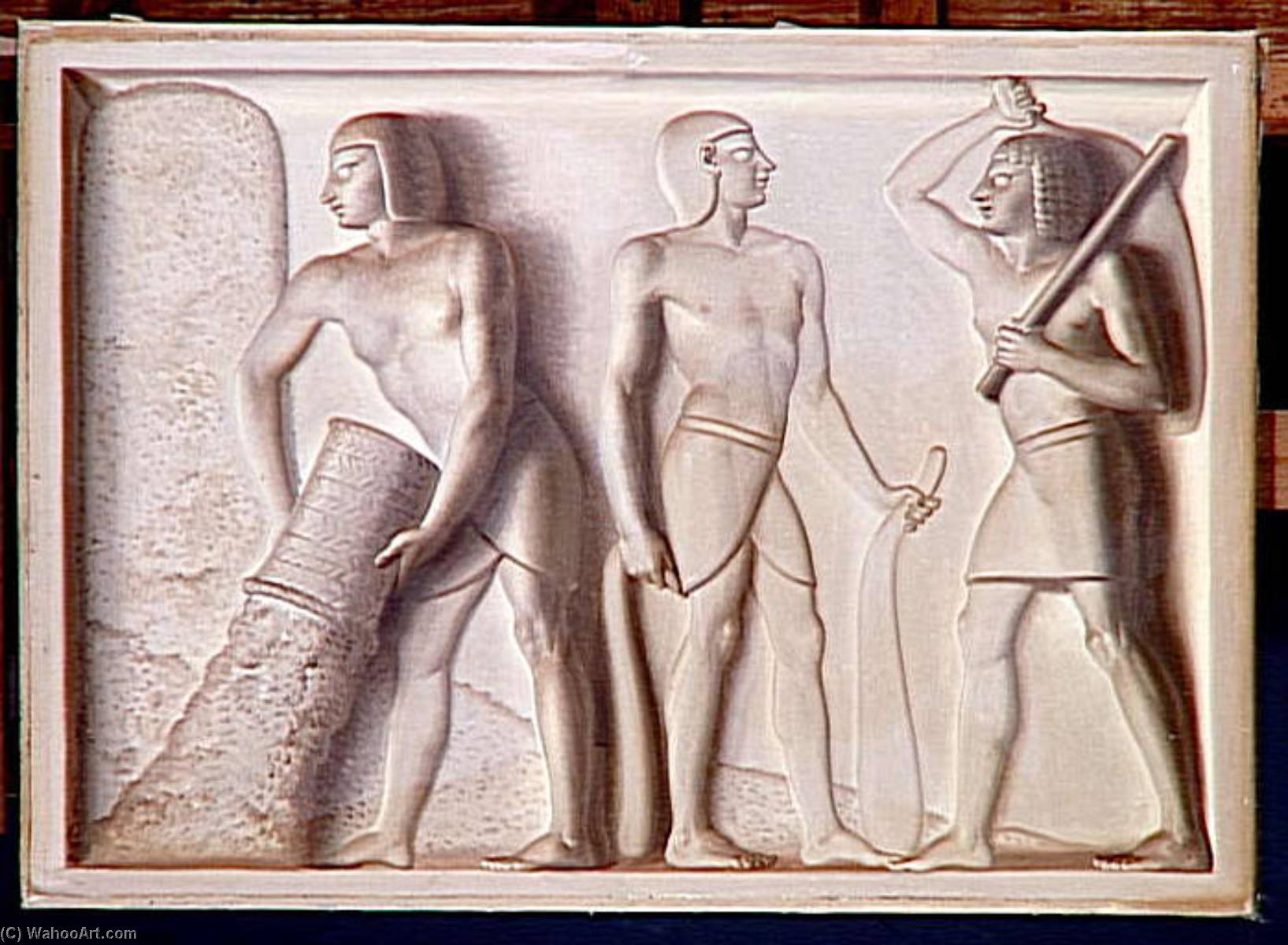
L'EGYPTE SAUVEE PAR JOSEPH


 Читать далее
Жикле / Арт-принт
Печать (жикле) или холст музейного качества с быстрыми сроками изготовления и широким выбором вариантов отделки. ( Купить картину ручной работы Перейти к цифровым изображениям)




P118B $10

P118H $10

P118W $10

P438Z $10

P508JH $12

P508YH $12

P805H $10

P805Z $10

P919BZ $10

P919G $10

P919XJ $10

P959ZH $10

P968JZ $12

W106C $8

W218G $10

W218JH $8

W218Y $10

W307PJ $10

W316G $10

W316PJ $8

W316Y $10

W398PJ $8

W4111J $10

W500HY $15

W500JH $15

W692G $12

W849H $8

W940BG $15

W953PJ $8




Выберите один из наших стандартных размеров, соответствующих оригинальным пропорциям произведения искусства.

Вы можете указать свои собственные размеры, чтобы репродукция идеально подошла под конкретную раму или пространство. Если выбранный вами размер не будет соответствовать пропорциям оригинала, мы либо обрежем произведение, либо дополним изображение зеркальным отражением краев или однотонной заливкой. Перед началом производства вам будет отправлен цифровой макет для утверждения.
Пожалуйста, обратите внимание, что предварительный просмотр на экране не отображает фактическую обрезку или расширение изображения. Только макет точно покажет финальную композицию.
Несмотря на возможность заказа индивидуальных размеров, мы рекомендуем выбирать размер из предопределенного списка, чтобы сохранить оригинальные пропорции.
Доставка по всему миру () за 2 недели вместо стандартных 4/5 недель. (12 Сентябрь)

Бесплатная экспресс-доставка по всему миру

Высококачественный льняной холст

Полное страхование доставки

Гарантия возмещения таможенных пошлин

Гарантия точного соответствия цветов

100-дневная политика возврата (только при обнаружении дефектов)

Гарантия возврата 100% средств

Предложение оптовых скидок
 Вариант со стеклом доступен только для размеров менее 110 см

L'EGYPTE SAUVEE PAR JOSEPH
Жикле / Арт-принт
Размер репродукции
-


Итоговая стоимость
$ 62
A Glimpse into Ancient Egypt – Alexandre Denis Abel de Pujol’s “L’Égypte sauvée par Joseph”
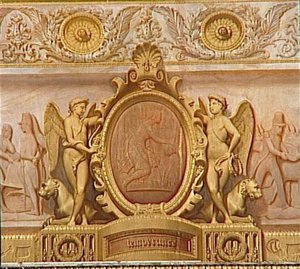
Alexandre Denis Abel de Pujol's "L'EGYPTE SAUVEE PAR JOSEPH" is more than just a depiction of a biblical narrative; it’s a meticulously crafted window into the heart of Neoclassical art and a poignant reflection on themes of leadership, salvation, and the enduring power of storytelling. Commissioned during a period of significant artistic innovation in France, this relief sculpture transports us to an imagined scene from Joseph's story – a tale of resilience, foresight, and ultimately, divine favor. The artwork’s restrained palette of beige and white immediately establishes a sense of antiquity, echoing the weathered surfaces of ancient monuments and inviting viewers to contemplate the passage of time.
- Composition & Narrative: Three figures dominate the rectangular frame, each imbued with distinct roles within the narrative. The leaning figure on the pillar suggests authority and wisdom, while the central character embodies a quiet strength and the rightmost figure gestures dramatically, conveying urgency and perhaps even a plea for deliverance. This deliberate arrangement guides the eye through the scene, reinforcing the story’s progression.
- Stylized Forms & Geometric Precision: Pujol masterfully employs the hallmarks of Neoclassical style – stylized figures with elongated proportions and geometric shapes that define architectural elements like the pillar. These choices aren't merely aesthetic; they deliberately evoke the grandeur and order associated with ancient Egyptian art, creating a visual dialogue between the past and the present.
The Art of Relief: Technique and Materiality
The artwork’s power resides not only in its subject matter but also in the skillful execution of the relief technique itself. Pujol's mastery lies in creating a convincing sense of depth and volume through subtle variations in surface texture. The slightly rough, stone-like quality of the material – likely plaster or perhaps even marble – invites tactile engagement, as if one could reach out and trace the contours of each figure. The layering of planes and the careful manipulation of light and shadow contribute to a remarkably three-dimensional effect, defying the limitations inherent in a flat surface.
Material & Technique Details:- Medium: Relief Sculpture (likely plaster or stone)
- Technique: Precise carving and modeling to create depth and texture.
Historical Context and Artistic Influences
Pujol’s work is deeply rooted in the Neoclassical movement, a reaction against the Rococo style that dominated the preceding era. Inspired by the art and architecture of ancient Greece and Rome, Neoclassicism emphasized reason, order, and moral virtue. Pujol's "L'EGYPTE SAUVEE PAR JOSEPH" embodies these ideals through its balanced composition, idealized figures, and clear narrative structure. The piece also reflects a broader fascination with biblical stories during the 19th century – tales of heroism, faith, and divine intervention that resonated deeply with European audiences.
Further Research:- Louvre Museum: Analysis of the work ‘Workshop of Abel de Pujol’ by Adrienne Marie Louise Grandpierre-Deverzy
- ArtsDot.com: Alexandre Denis Abel de Pujol – Egypt Is Saved by Joseph
- Wikipedia: Abel de Pujol
Symbolism and Emotional Resonance
Beyond its historical and artistic significance, "L'EGYPTE SAUVEE PAR JOSEPH" resonates with profound symbolic meaning. The story of Joseph is a powerful allegory for leadership, resilience in the face of adversity, and the triumph of faith. The figures’ gestures – the leaning figure offering guidance, the central character embodying steadfastness, and the rightmost figure pleading for salvation – evoke a sense of drama and urgency, inviting viewers to contemplate the complexities of human experience and the enduring hope embedded within ancient narratives. This artwork remains a testament to the ability of art to transcend time and connect us with universal themes of courage, faith, and the promise of a brighter future.
Похожие произведения
Биография художника
The Dawn of a Neoclassical Visionary
Emerging from the refined traditions of a noble family with deep connections to the Bourbon monarchy, Alexandre Denis Abel de Pujol was destined for a life steeped in the grandeur of classical antiquity. His journey began in Valenciennes, where an aristocratic education fostered a profound reverence for humanist values and the timeless beauty of historical tradition. This early immersion prepared him for his pivotal apprenticeship under the legendary Jacques-Louis David at the École Royale Supérieure des Beaux-Arts in Paris. From David, Pujol inherited far more than mere technical prowess; he absorbed a commitment to the dramatic power of historical narrative and a meticulous attention to detail. His stylistic language became one of clarity, balance, and idealized figures, all imbued with a deep sense of moral significance that would define his approach to the monumental canvases of his era.
Monumental Narratives and the Glory of France
Pujol’s true mastery was revealed through his ambitious decorative commissions, works that transformed the very architecture of French institutions into stages for epic storytelling. He possessed a rare ability to command vast, soaring spaces, utilizing color and perspective to breathe life into mythological legends and historical triumphs. In the hallowed halls of the Louvre, his depiction of Virgil's Aeneas upon the ceiling of the Grand Staircase serves as a powerful allegory of Roman virtue and destiny, captivating viewers with its dramatic scale. This talent for monumental fresco was further realized at Fontainebleau, where the Galerie de Diane showcases a breathtaking moment of triumph: Julius Caesar’s return to Rome after defeating Pompey. Through his brush, the struggle and glory of antiquity felt immediate and palpable.
His most symbolically profound achievement can be found in the ceiling of the Bourse de Paris, where he portrayed the Herculean struggle of Hercules against the Hydra—a timeless emblem of courage and the relentless human spirit in the face of overwhelming adversity. To understand the breadth of his impact, one might look to these defining works:
- The Grand Staircase at the Louvre: An exploration of Roman destiny through the lens of the Aeneid.
- The Galerie de Diane at Fontainebleau: A cinematic portrayal of Julius Caesar's triumphant return.
- The Bourse de Paris Ceiling: A symbolic representation of perseverance via the myth of Hercules.
A Legacy of Honor and Artistic Lineage
Beyond his individual triumphs, Pujol’s significance is etched into the fabric of the nineteenth-century art world through his role as a mentor and a distinguished figure of the French state. As a member of the prestigious Institut de France and an officer of the Légion d'honneur, he stood at the pinnacle of his profession, recognized for his contributions to the national identity of France. His influence extended far beyond his own canvas, as he nurtured a new generation of talent, passing down the disciplined techniques of the Neoclassical tradition to notable students such as Alexandre-Gabriel Decamps and Émile Lévy. While history sometimes places him in the shadow of more turbulent Romanticists, the enduring strength of his compositions remains a testament to a man who sought to capture the eternal through the lens of classical perfection. His life, spanning from the twilight of the Bourbon era to the mid-nineteenth century, remains a vital and luminous chapter in the history of French art.
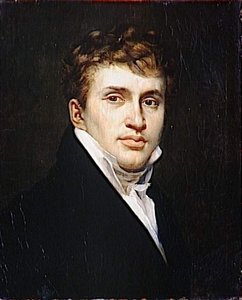
Alexandre Denis Abel de Pujol
1825 - 1861
Основные сведения
- Artistic Movement Or Style: Neoclassical
- Artists Or Movements Influenced By This Artist: ['David']
- Artists Who Influenced This Artist: ['Jacques-Louis David']
- Date Of Birth: 1785
- Date Of Death: 1861
- Full Name: Alexandre Denis Abel de Pujol
- Nationality: French
- Notable Artworks:
- Le President de Harlay Insulte par les Liqueurs
- Autoportrait
- César se rendant au sénat aux Ides de Mars
- Place Of Birth: Paris, France
Похожие статьи

Golden Hour on the Nile: Symbolism & Artistic Legacy of Egyptian Sunsets
Explore the rich symbolism of Egyptian sunset paintings & their artistic legacy. Discover how color, ritual, and landscape shaped ancient beliefs – a guide for discerning collectors.
Denis Maurice: A Study in Post-War French Figuration & the Poetics of Everyday Life
Explore the life & work of Maurice Denis, pivotal French painter bridging Impressionism to modern art. Discover his Nabis symbolism, theories on 'ideation,' and profound commitment to sacred art. A deep dive for art enthusiasts.
Charles Le Brun: Master of French Baroque Classicism & His Enduring Legacy
Explore the life & art of Charles Le Brun, master of French Baroque Classicism. Discover his royal commissions, influence on Versailles, and enduring legacy through detailed analysis & stunning artworks.
Jacques-Louis David: Neoclassical Ideals & Revolutionary Witness
Explore the life & art of Jacques-Louis David, leading Neoclassical painter of the French Revolution. Discover iconic works like 'The Death of Marat' and his lasting impact on art history. Expert analysis & high-quality reproductions at ArtsDot.
10 Шедевров Неоклассицизма: Искусство, Определившее Эпоху | ArtsDot
Погрузитесь в мир неоклассицизма! 10 шедевров от Давида, Кановы и других великих художников. Узнайте историю создания культовых картин и найдите идеальную репродукцию для вашего интерьера на ArtsDot.com