

 Предпросмотр
 Поделиться
 Поделиться
 Детали произведения

 Скачать
 Похожие работы
 Рентгенография
 Слайд-шоу
 Статистика
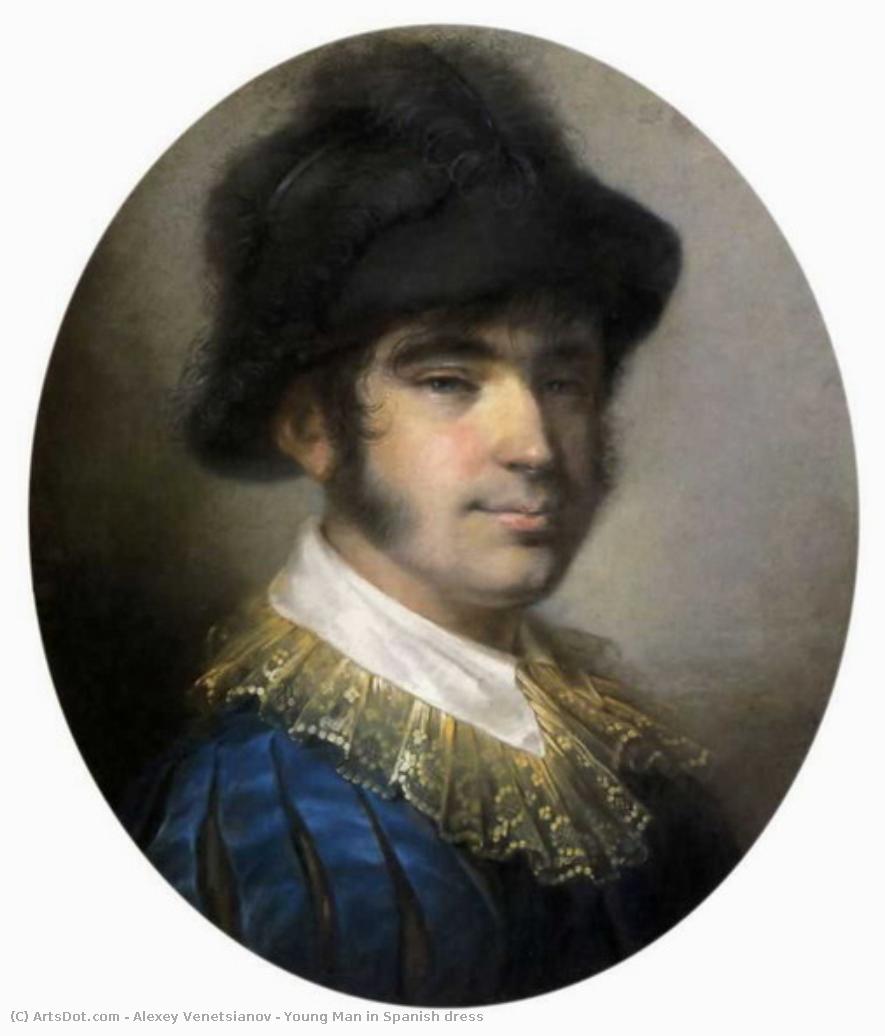
Young Man in Spanish dress
 Romanticism
 1804
1804 55.0 x 47.0 cm
 Государственный Русский музей
 Читать далее
Жикле / Арт-принт
Печать (жикле) или холст музейного качества с быстрыми сроками изготовления и широким выбором вариантов отделки. ( Купить картину ручной работы Перейти к цифровым изображениям)




































Выберите один из наших стандартных размеров, соответствующих оригинальным пропорциям произведения искусства.

Вы можете указать свои собственные размеры, чтобы репродукция идеально подошла под конкретную раму или пространство. Если выбранный вами размер не будет соответствовать пропорциям оригинала, мы либо обрежем произведение, либо дополним изображение зеркальным отражением краев или однотонной заливкой. Перед началом производства вам будет отправлен цифровой макет для утверждения.
Пожалуйста, обратите внимание, что предварительный просмотр на экране не отображает фактическую обрезку или расширение изображения. Только макет точно покажет финальную композицию.
Несмотря на возможность заказа индивидуальных размеров, мы рекомендуем выбирать размер из предопределенного списка, чтобы сохранить оригинальные пропорции.
Доставка по всему миру () за 2 недели вместо стандартных 4/5 недель. (13 Сентябрь)

Бесплатная экспресс-доставка по всему миру

Высококачественный льняной холст

Полное страхование доставки

Гарантия возмещения таможенных пошлин

Гарантия точного соответствия цветов

100-дневная политика возврата (только при обнаружении дефектов)

Гарантия возврата 100% средств

Предложение оптовых скидок
 Вариант со стеклом доступен только для размеров менее 110 см

Young Man in Spanish dress
Жикле / Арт-принт
Размер репродукции
-


Итоговая стоимость
$ 62
Похожие произведения

Биография художника
A Pioneer of Peasant Life: The World of Alexey Venetsianov
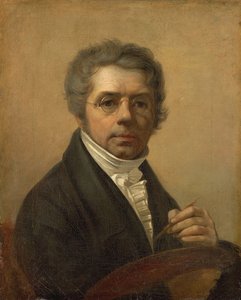
Alexey Gavrilovich Venetsianov, born in Moscow on February 18, 1780, emerged as a pivotal figure in the landscape of Russian art. He wasn’t merely a painter; he was a revolutionary who dared to shift the focus from aristocratic portraiture and historical grandeur towards the quiet dignity and everyday realities of peasant life—a subject largely ignored by his contemporaries. His journey began not within the hallowed halls of an academy, but in the practical world of civil service, a path that initially led him to St. Petersburg. It was there, amidst the treasures of the Hermitage, that his artistic calling took root, fueled by a deep fascination with the Old Masters and a burgeoning desire to capture the essence of Russian identity. Early attempts at portraiture proved insufficient; Venetsianov yearned for something more profound—a way to depict not just likenesses but the very soul of the nation.From Bureaucrat to Brush: The Formation of an Artistic Vision
Venetsianov’s path wasn't straightforward. He initially pursued art alongside his bureaucratic duties, studying independently and seeking guidance from established artists like Vladimir Borovikovsky. However, a true breakthrough came with his appointment as an Academician in 1811 for his *Self-Portrait* and *Portrait of K. I. Golovachevsky and the Younger Pupils of the Academy*. This recognition provided validation but didn’t quell his artistic restlessness. A pivotal moment arrived in 1819 when he left civil service altogether, purchasing the estate of Safonkovo. This wasn't simply a retreat from society; it was an immersion into the world he felt compelled to portray. Safonkovo became both home and studio, a living laboratory where Venetsianov could observe, interact with, and ultimately celebrate the lives of Russian peasants. He began to paint scenes directly inspired by his surroundings—harvests, family life, moments of quiet contemplation in the fields—works that would redefine the course of Russian painting.The Essence of Rural Russia: Style and Technique
Venetsianov’s artistic style was characterized by a remarkable realism tempered with a profound sense of warmth and humanity. He rejected the idealized depictions common at the time, instead striving for authenticity in his portrayal of peasant life. His compositions were often carefully constructed, emphasizing the harmony between figures and their environment. He meticulously rendered details—the texture of clothing, the play of light on faces, the vastness of the Russian landscape—creating a sense of tangible presence. But beyond technical skill, Venetsianov possessed an extraordinary ability to capture the inner lives of his subjects. His peasants weren’t simply laborers; they were individuals with dignity, resilience, and a deep connection to the land. He pioneered a new approach to color, utilizing subtle gradations and harmonious palettes that evoked the mood and atmosphere of rural Russia. His influence extended beyond painting itself; he established an informal school at Safonkovo, attracting young artists from humble backgrounds—even serfs like Grigory Soroka—and providing them with training and support.Legacy and Historical Significance
Alexey Venetsianov’s untimely death in 1847—the result of a tragic carriage accident—cut short a career that had already left an indelible mark on Russian art. He was the first to elevate peasant life to a worthy subject for artistic representation, challenging prevailing aesthetic norms and paving the way for subsequent generations of Realist painters. His works, such as *A Peasant Woman in a Red Kerchief* and *Haymaking in the Steppe*, became iconic images of rural Russia, celebrated for their authenticity, emotional depth, and technical mastery. He wasn’t just painting pictures; he was documenting a way of life, preserving a cultural heritage that was rapidly changing. His influence can be seen in the works of artists like Ilya Repin and Vasily Perov, who continued to explore themes of social realism and peasant life. Venetsianov's legacy extends beyond the canvas—he remains a symbol of artistic innovation, social consciousness, and a deep love for the Russian people.- Pioneered the depiction of peasant life in Russian art.
- Established an informal school of painting at Safonkovo, fostering new talent.
- Influenced subsequent generations of Realist painters like Repin and Perov.
- His works are celebrated for their authenticity, emotional depth, and technical skill.
Основные сведения
- Artistic Movement Or Style: Realism, Genre painting
- Artists Or Movements Influenced By This Artist: ['Russian Realism']
- Artists Who Influenced This Artist: ['Vladimir Borovikovsky']
- Date Of Birth: February 18, 1780
- Date Of Death: December 16, 1847
- Full Name: Alexey Gavrilovich Venetsianov
- Nationality: Russian
- Notable Artworks:
- A Peasant Woman in a Red Kerchief
- Haymaking in the Steppe
- Reapers
- Place Of Birth: Moscow, Russia