

 Предпросмотр
 Поделиться
 Поделиться
 Детали произведения

 Скачать
 Похожие работы
 Рентгенография
 Слайд-шоу
 Статистика
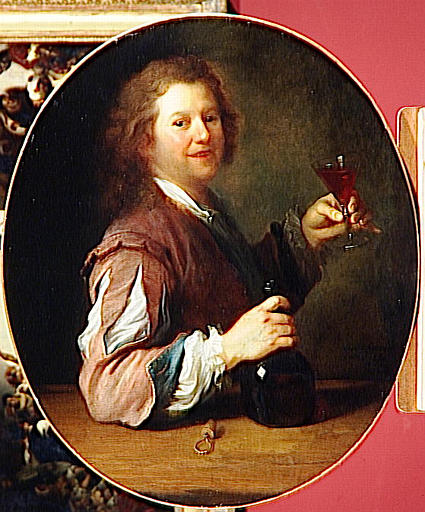
PORTRAIT DE L'ARTISTE EN BUVEUR


 Читать далее
Приобретите цифровое изображение высокого разрешения в улучшенном качестве, которое значительно превосходит онлайн-превью.
Каждый файл тщательно подготавливается нашими специалистами с использованием передовых инструментов и экспертной ручной ретуши. Мы гарантируем исключительную четкость, точную цветопередачу и детальную проработку каждого изображения.
Финальный файл доставляется по электронной почте в течение 72 часов и оптимизирован для немедленного использования в профессиональной среде, при верстке и печати. Это тот же уровень качества, которому доверяют ведущие дизайнерские студии, издательства и галереи.
Цифровое изображение
Скачайте файл высокого разрешения для личного использования, печати и творческих проектов. ( Перейти к печати Купить картину ручной работы)
Включено в каждый заказ цифровых изображений
Гарантия экспертной цифровой доставки
Выбирая ArtsDot.com, вы получаете не просто изображение — вы приобретаете профессионально обработанное цифровое произведение искусства, созданное с безупречной точностью и под защитой гарантии качества. Вот всё, что автоматически входит в ваш заказ:

Мгновенная доставка по e-mail
Ваш цифровой файл в высоком разрешении будет отправлен вам по электронной почте в течение 72 часов после оформления заказа — и сразу станет доступен для использования.

Цифровой файл с ИИ-улучшением
Ваше произведение искусства проходит профессиональную оптимизацию с использованием передовых инструментов ИИ и ручной обработки, что гарантирует максимальную детализацию, четкость и точность цветопередачи.

Бессрочная бесплатная повторная доставка
Случайно удалили или потеряли файл? Не беспокойтесь — мы отправим его вам повторно в любое время и совершенно бесплатно.

Без импортных пошлин — навсегда
Наслаждайтесь вашим произведением искусства мгновенно без таможенных пошлин, сборов или затрат на доставку — цифровые загрузки всегда не облагаются налогом.

Гарантия точности цветопередачи
Мы гарантируем, что ваше цифровое изображение максимально точно передает оригинальные цвета благодаря использованию профессиональных инструментов и систем управления цветом.

Гарантия удовлетворенности 100 дней
Если вы не будете удовлетворены своим цифровым изображением, мы внесем правки или вернем 100% стоимости в течение 100 дней — без лишних вопросов.

100% Гарантия возврата средств
Не удовлетворены покупкой? Получите полный возврат средств в течение 100 дней после получения цифрового файла — без лишних вопросов.

Скидки на оптовые заказы
Купите 3 изображения, сэкономьте 10% — Купите 5, сэкономьте 15% — Купите 10+, сэкономьте 20%. Отличное решение для творческих проектов, галерей и агентств.
A Glimpse Into Baroque Intimacy
In the quiet, evocative depths of Alexis Grimou’s “Portrait de l'artiste en buveur,” we are invited into a moment of suspended animation, a singular breath captured in the amber of the early 18th century. Painted around 1724, this masterpiece serves as a profound window into the Baroque era, a period where the tension between light and shadow mirrored the complexities of the human soul. The subject, a man with spirited red curls and a knowing smile, is not merely a figure on a wood panel; he is an embodiment of joie de vivre. As he rests his elbow upon a wooden support, clutching a bottle in one hand while lifting a glass in the other, the painting transcends simple portraiture to become a celebration of leisure and sensory indulgence.
The composition, rendered in a graceful oval format, directs our gaze inward, creating an intimate encounter that feels almost private. Grimou, often celebrated as the “French Rembrandt,” masterfully employs the techniques of Northern European masters to infuse this French work with psychological depth. The use of chiaroscuro—the dramatic interplay between brilliant highlights and deep, velvety shadows—sculpts the sitter’s features, giving his face a palpable volume and life. This technique does more than just define form; it creates an atmosphere of mystery and warmth, drawing the viewer into the subject's personal orbit.
The Artistry of Texture and Tone
To behold this work is to experience a masterclass in texture and meticulous brushwork. Grimou’s hand is visible in the delicate rendering of the man’s white chemise and the intricate folds of his slashed doublet, where every stroke contributes to a sense of tactile reality. The artist utilizes a sophisticated layering of oil paints to achieve a surface that feels both soft and substantial. There is a rhythmic quality to the linear details—the strands of hair, the edge of the glass, the grain of the wood—that guides the eye in a continuous, flowing motion across the canvas.
The color palette is a rich tapestry of warmth, dominated by deep reds, earthy browns, and shimmering golds. This selection of tones does not merely decorate the scene; it establishes an opulent, luxurious atmosphere that speaks to the social status and refined tastes of the era. The deep red background provides a striking contrast, pushing the figure forward and ensuring that the subject’s luminous skin and vibrant clothing remain the undisputed protagonists of the piece. For the discerning collector or interior designer, such a palette offers a timeless elegance, capable of anchoring a room with its sophisticated and commanding presence.
A Legacy of Emotional Resonance
Beyond the technical brilliance lies the emotional heartbeat of the painting. There is an inherent storytelling element in the way Grimou captures the subject’s expression—a subtle, convivial smirk that suggests a shared secret or a moment of quiet satisfaction. The symbolism of the wine glass and bottle serves as a classic motif of indulgence and the fleeting beauty of earthly pleasures, yet it is handled with such grace that it avoids mere cliché. Instead, these elements become part of a larger narrative about the human experience: the pursuit of happiness, the appreciation of fine things, and the dignity found in moments of repose.
For those seeking to bring a piece of art history into a contemporary space, a high-quality reproduction of this work offers more than just decoration. It provides a conversation piece that bridges centuries, offering an infusion of Baroque grandeur and emotional intimacy. Whether placed in a curated gallery setting or as a focal point in a sophisticated study, “Portrait de l'artiste en buveur” continues to resonate, reminding us of the enduring power of art to capture the very essence of life itself.
Похожие произведения

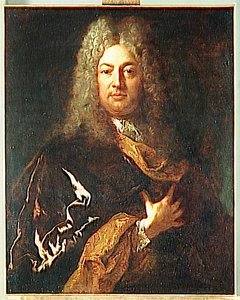

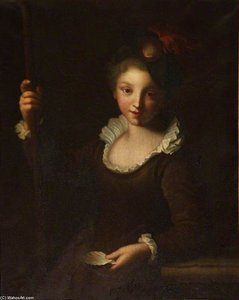
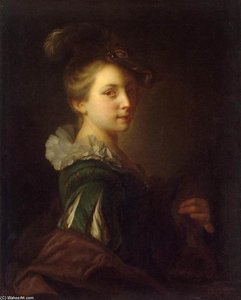

Биография художника
A Life Illuminated: The World of Alexis Grimou
Alexis Grimou, a name perhaps less instantly recognizable than those of his celebrated contemporaries, nevertheless occupies a vital and fascinating niche in the history of 18th-century French art. Born in Argenteuil in 1678 and passing away in Paris in 1733, Grimou carved out a unique path as a portraitist, earning him the evocative moniker “the French Rembrandt.” This title wasn’t merely bestowed for stylistic imitation; it acknowledged a shared mastery of light and shadow, an ability to penetrate beyond surface appearances and reveal the inner lives of his subjects. Unlike many artists of his era who benefited from formal apprenticeships within established studios, Grimou's artistic journey was largely self-directed, fueled by diligent study and a profound engagement with the works of Dutch masters like Anthony van Dyck and, most significantly, Rembrandt. This independent spirit would come to define not only his technique but also his approach to the art world itself.Forging a Style: Light, Shadow, and Psychological Depth
Grimou’s dedication to the Dutch tradition profoundly shaped his artistic identity. He wasn't simply replicating techniques; he was absorbing a philosophy of painting that prioritized psychological realism and emotional resonance. His canvases are characterized by a warm, rich palette, often employing earth tones and subtle gradations of color. However, it is his masterful use of chiaroscuro – the dramatic interplay of light and shadow – that truly sets him apart. This technique wasn’t merely decorative; it served to sculpt form, heighten drama, and most importantly, illuminate the character of his sitters. He moved beyond mere physical likeness, striving to capture a sense of personality, mood, and even vulnerability in each portrait. His compositions often feel intimate and informal, depicting women engaged in everyday activities – singing, playing musical instruments, or simply lost in thought. These weren’t grand, imposing portraits designed to showcase wealth or status; they were glimpses into private moments, imbued with a sense of genuine human connection. His genre paintings further expanded this exploration of daily life, offering candid observations of ordinary people and their experiences—a departure from the more formal conventions prevalent at the time.Navigating the Artistic Landscape: Academies and Independence
Grimou’s talent was undeniable, leading to his acceptance into the prestigious Royal Academy of Painting and Sculpture in Paris in 1705. However, his tenure there proved short-lived. Disillusioned by what he perceived as a lack of artistic rigor and an abundance of mediocrity among his peers, he resigned from the Academy, demonstrating a fiercely independent streak. This refusal to compromise his artistic vision led him to seek alternative avenues for creative expression, ultimately finding a more congenial environment at the Académie de Saint-Luc in 1709. The Académie de Saint-Luc, known for its more progressive and less restrictive atmosphere, allowed Grimou greater freedom to pursue his own artistic path. This period marked a flourishing of creativity, as he continued to refine his style and explore new thematic possibilities.Lasting Legacy: Influence and Rediscovery
While not achieving the widespread fame of some of his contemporaries during his lifetime, Alexis Grimou’s influence on subsequent generations of French painters is undeniable. Artists like Jean-Honoré Fragonard and Louis-David Greuze were deeply impacted by his emphasis on psychological realism and his ability to imbue portraits with personality and emotion. His work served as a bridge between the formality of Baroque portraiture and the more intimate, emotionally charged style that would come to characterize Rococo painting. Though largely overlooked for many years, Grimou’s art has experienced a resurgence in recent decades, thanks to renewed scholarly interest and a growing appreciation for his unique contribution to French artistic heritage. Paintings such as Young Woman in Theatrical Costume, with its expressive emotion, Young Pilgrim Girl, showcasing delicate handling of light and texture, and the captivating self-portrait Portrait de l'Artiste en Buveur stand as testaments to his skill. Grimou’s legacy lies not only in the beauty of his paintings but also in his unwavering commitment to artistic integrity and his ability to capture the essence of human experience on canvas, solidifying his place as a significant figure in 18th-century French art.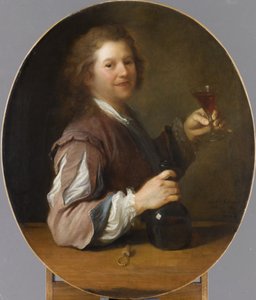
Alexis Grimou
1678 - 1733