

 Предпросмотр
 Поделиться
 Поделиться
 Детали произведения

 Скачать
 Похожие работы
 Рентгенография
 Слайд-шоу
 Статистика
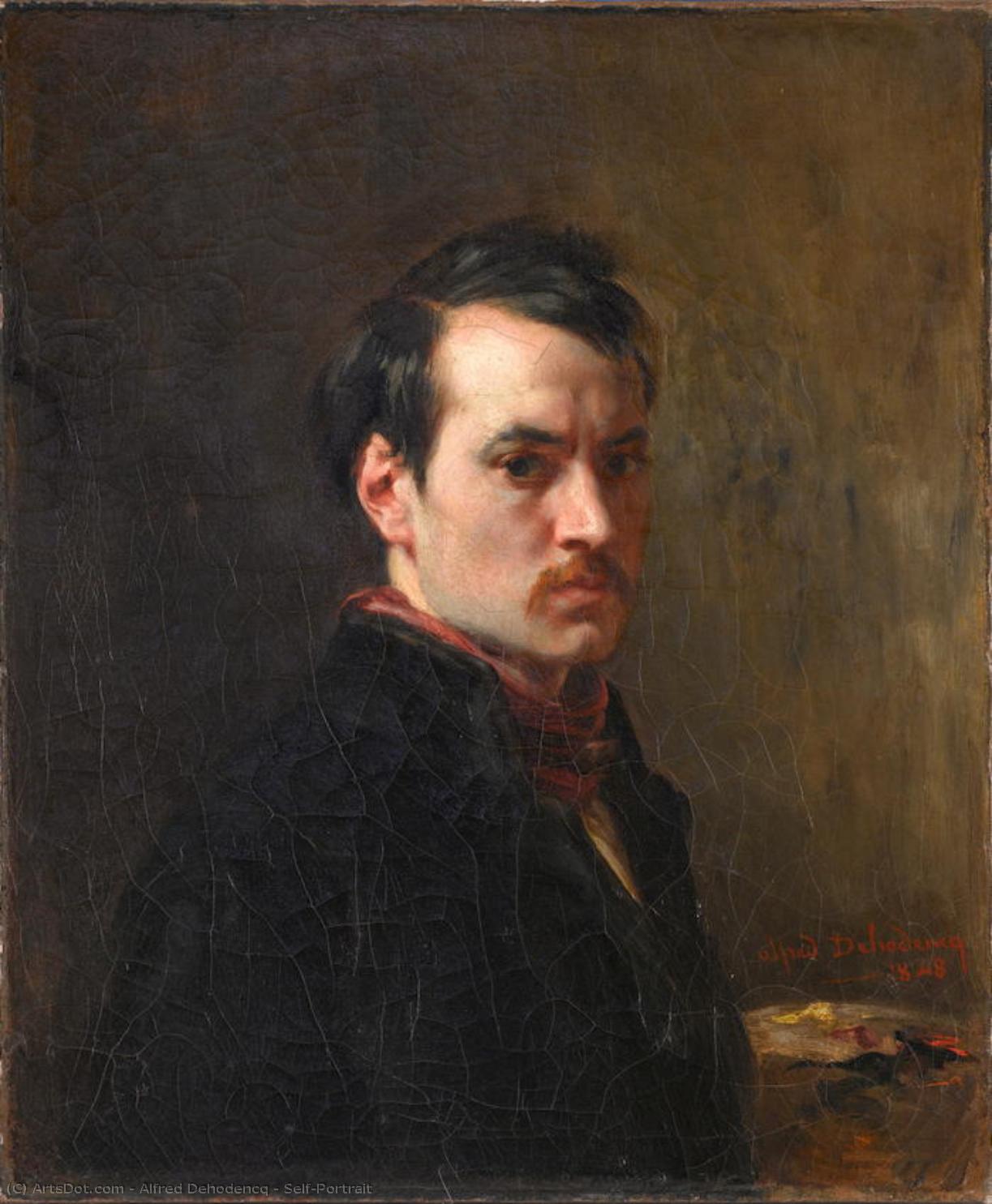
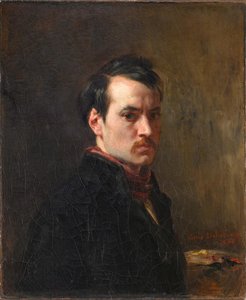
Self-Portrait
 Oil On Canvas
- WallArt
- Romanticism
 1848
1848- 19th Century
 65.0 x 54.0 cm
 Музей Орсе
 Читать далее
Приобретите цифровое изображение высокого разрешения в улучшенном качестве, которое значительно превосходит онлайн-превью.
Каждый файл тщательно подготавливается нашими специалистами с использованием передовых инструментов и экспертной ручной ретуши. Мы гарантируем исключительную четкость, точную цветопередачу и детальную проработку каждого изображения.
Финальный файл доставляется по электронной почте в течение 72 часов и оптимизирован для немедленного использования в профессиональной среде, при верстке и печати. Это тот же уровень качества, которому доверяют ведущие дизайнерские студии, издательства и галереи.
Цифровое изображение
Скачайте файл высокого разрешения для личного использования, печати и творческих проектов. ( Перейти к печати Купить картину ручной работы)
Включено в каждый заказ цифровых изображений
Гарантия экспертной цифровой доставки
Выбирая ArtsDot.com, вы получаете не просто изображение — вы приобретаете профессионально обработанное цифровое произведение искусства, созданное с безупречной точностью и под защитой гарантии качества. Вот всё, что автоматически входит в ваш заказ:

Мгновенная доставка по e-mail
Ваш цифровой файл в высоком разрешении будет отправлен вам по электронной почте в течение 72 часов после оформления заказа — и сразу станет доступен для использования.

Цифровой файл с ИИ-улучшением
Ваше произведение искусства проходит профессиональную оптимизацию с использованием передовых инструментов ИИ и ручной обработки, что гарантирует максимальную детализацию, четкость и точность цветопередачи.

Бессрочная бесплатная повторная доставка
Случайно удалили или потеряли файл? Не беспокойтесь — мы отправим его вам повторно в любое время и совершенно бесплатно.

Без импортных пошлин — навсегда
Наслаждайтесь вашим произведением искусства мгновенно без таможенных пошлин, сборов или затрат на доставку — цифровые загрузки всегда не облагаются налогом.

Гарантия точности цветопередачи
Мы гарантируем, что ваше цифровое изображение максимально точно передает оригинальные цвета благодаря использованию профессиональных инструментов и систем управления цветом.

Гарантия удовлетворенности 100 дней
Если вы не будете удовлетворены своим цифровым изображением, мы внесем правки или вернем 100% стоимости в течение 100 дней — без лишних вопросов.

100% Гарантия возврата средств
Не удовлетворены покупкой? Получите полный возврат средств в течение 100 дней после получения цифрового файла — без лишних вопросов.

Скидки на оптовые заказы
Купите 3 изображения, сэкономьте 10% — Купите 5, сэкономьте 15% — Купите 10+, сэкономьте 20%. Отличное решение для творческих проектов, галерей и агентств.
A Glimpse into the Mind: Analyzing Alfred Dehodencq's Self-Portrait
To stand before a self-portrait is to encounter a fascinating dialogue—a moment where the artist confronts his own reflection, not just physically, but intellectually and emotionally. In this compelling work by Alfred Dehodencq, we are invited into the carefully constructed world of an individual from 1848. The subject gazes out with an air of profound seriousness, framed by the formality of a suit and tie that speaks to a bygone era of structured elegance. His beard and mustache lend him an air of distinguished gravity, suggesting a man accustomed to contemplation and perhaps, public scrutiny. The composition itself is rich; beyond the central figure, the background hints at domesticity or intellectual pursuit with hanging paintings and a visible chair, grounding this portrait in a tangible, lived-in space.
The Brushwork and Atmosphere: Technique and Setting
Dehodencq’s technique here masterfully balances academic precision with an underlying Romantic sensibility. While the rendering of the man's attire suggests adherence to the formal standards of 19th-century portraiture, the overall atmosphere resists mere stiff formality. The background elements—the gallery wall and furnishings—are not just decorative; they function as narrative props, suggesting a life rich with culture and conversation. One can almost hear the muted echoes of an intellectual salon surrounding this quiet moment captured on canvas. For those considering bringing this piece into their own space, its sophisticated depth means it complements both grand drawing rooms and richly appointed studies.
Historical Echoes: Context in Mid-19th Century Paris
Painted in 1848, this self-portrait emerges from a period of immense upheaval for France. While Dehodencq is perhaps more famous for his later Orientalist visions of North Africa, this work anchors him firmly within the Parisian artistic milieu preceding those travels. The gravity in his expression might reflect the political tensions or the shifting cultural tides of the time. It is a portrait that feels both intensely personal and historically resonant—a moment of self-possession captured just before, or perhaps during, periods of great societal flux. Owning this piece allows one to connect with an artist navigating the dramatic currents of his own century.
Symbolism and Emotional Resonance for the Modern Collector
What truly elevates this portrait beyond a mere likeness is its emotional undercurrent. The direct gaze challenges the viewer, demanding engagement. It asks us not just who he was, but what he thought. For the collector or designer, this piece offers more than decoration; it offers conversation. It speaks to themes of self-examination, enduring intellect, and cultivated taste. Reproducing such a work allows one to infuse a space with an aura of considered history and sophisticated introspection, making it a powerful focal point that suggests depth and narrative complexity.
Похожие произведения


Биография художника
Alfred Dehodencq: A Last Romantic’s Vision of North Africa
Alfred Dehodencq (1822-1882) stands as a singular figure in 19th-century art, a master painter whose canvases transported viewers to the sun-drenched landscapes and vibrant cultures of Andalusia and Morocco. Born in Paris amidst the turbulence of the Revolution, Dehodencq’s life was inextricably linked with travel, observation, and an unwavering fascination with the ‘Other,’ forging a distinctive style that bridges the gap between Romanticism and the nascent Orientalist movement. His work isn't merely depictions of exotic locales; it’s imbued with a profound empathy for the people he encountered, capturing their lives, customs, and spiritual essence with remarkable sensitivity and detail.
Dehodencq’s early artistic training at the École des Beaux-Arts in Paris laid a foundation in traditional academic techniques. However, his trajectory shifted dramatically following the 1848 Revolution when he was wounded and sent to convalesce in Spain. This period proved transformative, exposing him to the works of Spanish masters like Velázquez and Goya – artists who had already mastered the art of capturing light, shadow, and human emotion with unparalleled realism. The influence of these painters is readily apparent in Dehodencq’s later work, particularly his masterful use of chiaroscuro and his ability to imbue his subjects with a palpable sense of presence.
A Moroccan Odyssey
In 1853, Dehodencq embarked on an extraordinary journey that would define the course of his artistic career: he traveled to Morocco. Unlike many Western artists who merely sketched or painted superficial scenes, Dehodencq immersed himself in Moroccan life, living for nearly ten years within its vibrant and complex society. This extended period of residence afforded him a level of understanding and intimacy rarely achieved by foreign observers. He became known as the first European artist to establish a permanent home in Morocco, documenting its landscapes, architecture, and most importantly, its people.
His Moroccan paintings are not romanticized fantasies; they are grounded in meticulous observation and a genuine respect for the culture he encountered. He depicted scenes of daily life – bustling marketplaces, religious ceremonies, family gatherings – all rendered with astonishing accuracy and psychological depth. Notably, Dehodencq’s work focused on the Jewish community of Morocco, portraying them not as exotic subjects but as individuals with their own rich traditions and struggles. His paintings offer a rare glimpse into a world largely unseen by Western eyes during that era.
Technique and Style
Dehodencq's artistic style is characterized by its remarkable realism, combined with a distinctly Romantic sensibility. He employed a meticulous technique, building up layers of paint to create textures that were both tactile and luminous. His use of color was particularly noteworthy – he favored warm, earthy tones, capturing the intense light and heat of the North African landscape. His brushwork is often loose and expressive, conveying movement and emotion with subtle gestures.
Following his return to Paris in 1863, Dehodencq continued to paint extensively, producing a prolific body of work that reflects both his experiences in Morocco and his ongoing engagement with European artistic trends. He was decorated with the Legion of Honor in 1870, recognizing his contributions to French art. Tragically, he took his own life in 1882, marking the end of a remarkable and ultimately poignant career.
Legacy and Recognition
Despite facing challenges during his lifetime – including the destruction of his studio and paintings following an act of violence – Dehodencq’s work has gained increasing recognition in recent decades. His paintings are now housed in prestigious collections around the world, including the Musée d'Orsay in Paris, the Israel Museum in Jerusalem, and the Carmen Thyssen Museum in Málaga. His legacy as a pioneering Orientalist painter lies not only in his technical skill but also in his profound empathy for the cultures he depicted – a quality that continues to resonate with viewers today.
Further information about Dehodencq’s life and work can be found on ArtsDot.com, where high-quality reproductions of his paintings are available. The artist's son, Edmond dehodencq, was also a notable painter, whose portrait is showcased on our platform.
Alfred Dehodencq
1822 - 1882 , France
Основные сведения
- Artistic Movement Or Style: Orientalism, Romantic
- Artists Or Movements Influenced By This Artist: ['Romanticism']
- Artists Who Influenced This Artist:
- Velázquez
- Goya
- Date Of Birth: April 23, 1822
- Date Of Death: January 2, 1882
- Full Name: Alfred Dehodencq
- Nationality: French
- Notable Artworks:
- Execution Jewess Morocco
- Jewish Woman Maid
- Boabdil's Farewell Granada
- Place Of Birth: Paris, France