

 Предпросмотр
 Поделиться
 Поделиться
 Детали произведения

 Скачать
 Похожие работы
 Рентгенография
 Слайд-шоу
 Статистика
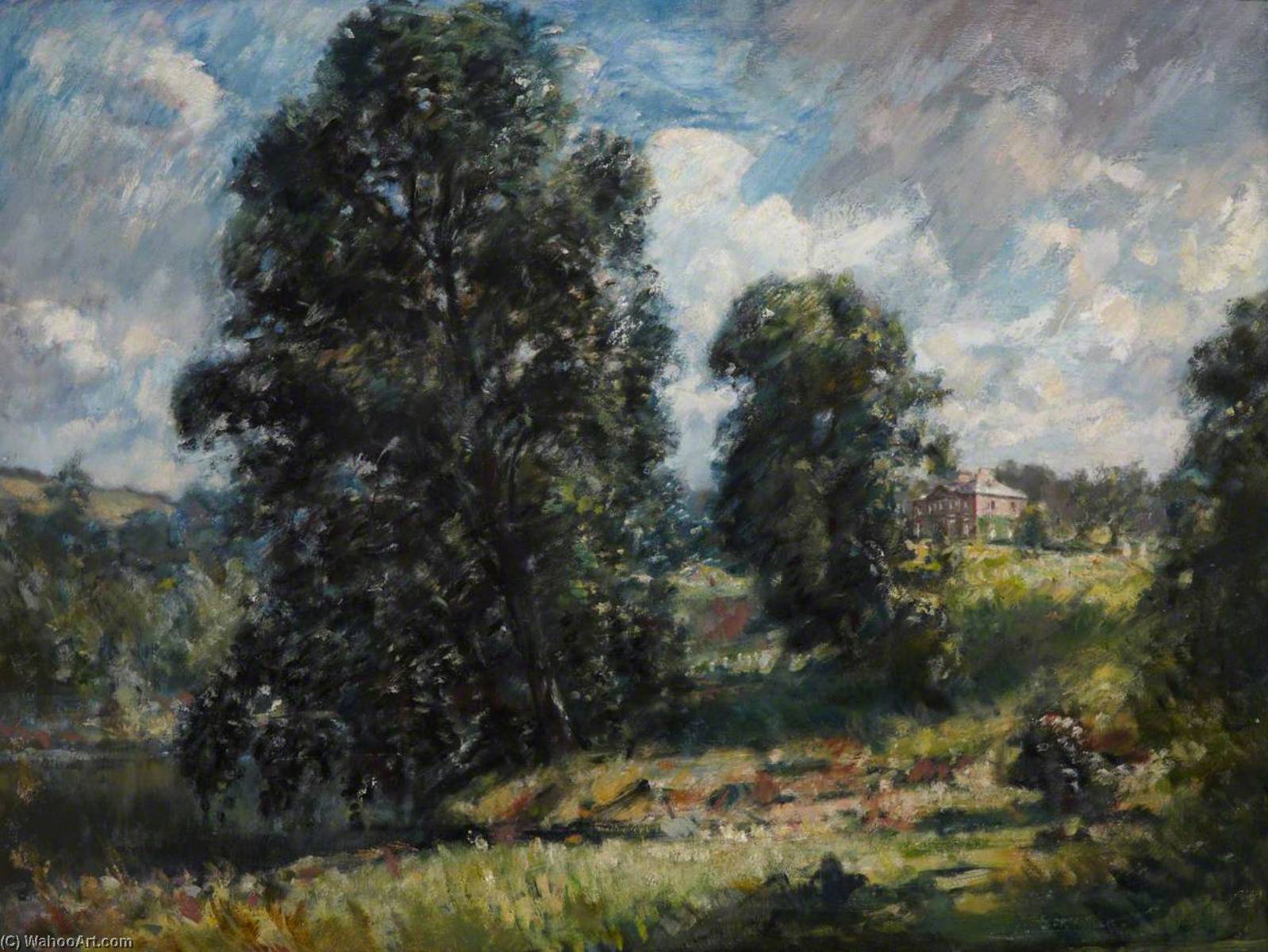
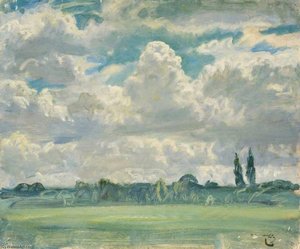
Burnhouse
 Impressionism
 76.0 x 102.0 cm
 Читать далее
Масляная репродукция ручной работы
Картина маслом на холсте в выбранном вами размере и раме, написанная на заказ нашими художниками. ( Перейти к печати Перейти к цифровым изображениям)




































Выберите один из наших стандартных размеров, соответствующих оригинальным пропорциям произведения искусства.

Вы можете указать собственные размеры, чтобы картина идеально вписалась в выбранную раму или пространство. Если выбранный вами размер не соответствует пропорциям оригинала, мы либо обрежем полотно, либо расширим его за счет дополнительных элементов, написанных вручную. Цифровой макет будет отправлен вам на утверждение перед началом производства.
Обратите внимание, что предварительный просмотр на экране не отражает фактическую обрезку или расширение. Только макет точно покажет окончательную композицию.
Хотя доступны индивидуальные размеры, мы рекомендуем выбирать вариант из предопределенного списка, чтобы сохранить исходные пропорции.
После оформления заказа команда ArtsDot.com свяжется с клиентом по электронной почте для уточнения деталей и предоставит предварительный макет
Доставка по всему миру () за 3–4 недели вместо стандартных 5 недель. (11 Сентябрь). Без компромиссов в качестве.

Бесплатная экспресс-доставка по всему миру

Высококачественный льняной холст

Полное страхование доставки

Гарантия возмещения таможенных пошлин

Гарантия точного соответствия цветов

100-дневная политика возврата (только при обнаружении дефектов)

Гарантия возврата 100% средств

Предложение оптовых скидок
 Вариант со стеклом доступен только для размеров менее 110 см

Burnhouse
Техника репродукции
Размер репродукции
-


Итоговая стоимость
$ 263
Похожие произведения


Биография художника
The Soul Behind the Canvas: The Life and Legacy of Alfred Edward Borthwick
In the golden, shifting light of the Edwardian era, few artists possessed the ability to capture the quiet dignity of a passing age quite like Alfred Edward Borthwick. Born in 1871, Borthwick emerged not merely as a chronicler of faces, but as a poet of character. His journey through the great art capitals of Europe—from the rigorous academies of Edinburgh and London to the refined studios of Antwerp and Paris—imbued his work with a profound technical versatility. As a pupil of masters such as Bouguereau and Flury, he mastered the delicate balance between academic precision and the burgeoning freedom of impressionistic light. This training allowed him to navigate the complexities of human emotion, ensuring that every brushstroke served to reveal the psychological depth of his subjects.
Borthwick’s life was as much a tapestry of historical drama as his paintings were of color and form. His experiences during the South African War, serving with the Scottish Sharpshooters, and his later service during the Great War, lent him a unique perspective on the fragility and resilience of the human spirit. This lived experience is palpable in his portraiture; he did not merely paint the nobility and society figures of his time, but sought to capture their internal gravity. His fascination with depicting older individuals—portraying them with an emphasis on wisdom and grace—found its most poignant expression in works like Lady Fairfax Lucy and Sir Ernest C. MacMillan. Through a palette of muted tones and subtle tonal variations, he could evoke the very atmosphere of a room or the weight of a lifetime of experience.
A Mastery of Light and Landscape
While his reputation was firmly anchored in the realm of portraiture, Borthwick’s artistic vision extended far beyond the studio walls. He possessed an extraordinary ability to translate the rugged textures of the natural world onto canvas, treating landscapes and seascapes with the same emotional intensity as his human subjects. In works such as Stonehaven Harbour, one can witness the artist's command over texture; his brushstrokes evoke the salt-sprayed, weathered beauty of the Scottish coastline, mirroring the Impressionist movement’s devotion to capturing fleeting moments of light and atmosphere. This duality—the ability to move between the intimate psychological study of a sitter and the expansive, atmospheric grandeur of a landscape—is what defined his unique aesthetic contribution to British art.
His achievements were recognized by the highest institutions of his day, marking him as a central figure in the Scottish art scene. His ascent within the Royal Scottish Academy, moving from an Associate in 1928 to a full Member in 1938, stands as a testament to his enduring influence and popularity. Perhaps no single work captured the public imagination quite like “The Presence,” painted in 1909. This masterpiece, which eventually found its home in St. Mary’s Cathedral in Edinburgh, became one of the most widely reproduced images of its era, demonstrating Borthwick's rare ability to create art that resonated deeply with the collective consciousness of the public.
Historical Significance and Artistic Enduringness
The passing of Alfred Edward Borthwick on December 7, 1955, marked the end of an era, yet his artistic legacy remains a vital link to the cultural landscape of the early twentieth century. He stood at the crossroads of tradition and modernity, bridging the gap between the formal, idealized beauty of the Victorian masters and the emotive, light-driven explorations of the modernists. His work serves as a historical window into the Edwardian and interwar periods, preserving the likenesses and the very essence of a society in transition.
To study Borthwick is to encounter an artist who believed that painting was a vessel for truth—not just the truth of physical appearance, but the truth of the human condition. His contributions can be summarized through several key pillars of his career:
- Technical Versatility: A seamless blend of academic realism and impressionistic technique learned from the finest masters in Europe.
- Psychological Depth: An unparalleled ability to imbue portraits with a sense of dignity, wisdom, and intangible emotion.
- Atmospheric Landscapes: A mastery of light and texture that brought the rugged beauty of the British landscape to life.
- Institutional Impact: A distinguished career within the Royal Scottish Academy and the Society of Scottish Artists, influencing generations of viewers and collectors alike.
Today, Borthwick’s canvases continue to captivate, offering a sense of permanence in an ever-changing world. His ability to find the extraordinary within the ordinary, and the eternal within the fleeting, ensures that his name remains etched in the annals of British art history.
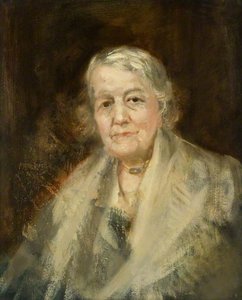
alfred edward borthwick
1871 - 1955
Основные сведения
- Artistic Movement Or Style: Impressionism
- Artists Or Movements Influenced By This Artist: ['Post-Impressionism']
- Artists Who Influenced This Artist: ['Claude Monet']
- Date Of Death: 1955
- Full Name: Alfred Edward Borthwick
- Nationality: British
- Notable Artworks:
- Lady Fairfax Lucy
- Sir Ernest C. MacMillan
- Stonehaven Harbour, Aberdeenshire
- Place Of Birth: Newcastle upon Tyne, England
Похожие статьи

Джон Констебль: 25 шедевров английского пейзажа для вашего интерьера
Погрузитесь в мир английского пейзажа с Джоном Констеблом! 25 шедевров романтизма, история создания картин и вдохновение для вашего интерьера. Репродукции высокого качества на ArtsDot.com – искусство для ценителей.
Топ-10 шедевров импрессионизма: пейзажи, изменившие искусство | ArtsDot
Погрузитесь в мир импрессионизма! Откройте 10 шедевров Моне, Ренуара и других великих художников. Узнайте историю создания культовых пейзажей и вдохновитесь для декора вашего дома. Репродукции картин высокого качества на ArtsDot.com.
Beyond the Horizon: A Curated Guide to Integrating Post-Impressionist Landscapes into Modern Interiors
Transform your home with the emotive power of Post-Impressionist landscapes. Discover expert tips on selecting hand-painted oil reproductions to create a soulful, vibrant interior that reflects your unique style and connection to nature.

Топ-10 шедевров импрессионизма: пейзажи, изменившие искусство | ArtsDot
Погрузитесь в мир импрессионизма! Откройте топ-10 шедевров Моне, Ренуара и других великих художников. Узнайте историю создания культовых пейзажей и вдохновитесь для декора интерьера. Репродукции картин высокого качества на ArtsDot.com

Альфред Муннингс: 25 шедевров британского импрессионизма для вашего интерьера | ArtsDot
Погрузитесь в мир Альфреда Муннингса! 25 шедевров британского импрессионизма, запечатлевших красоту лошадей и сельской Англии. Репродукции картин высокого качества для вашего интерьера на ArtsDot.com.